

4 minutes read
Tile installation plays an important role in the overall durability and appearance of floors and walls. While tiles themselves are designed to last for years, the bonding material used during installation determines how well they remain fixed over time. The choice between tile adhesive and traditional cement mortar can therefore directly affect the strength and reliability of the tiled surface.
For decades, cement mortar has been widely used as a bonding material for tiles. However, with the growing demand for faster construction and improved performance, tile adhesives are increasingly being used in modern building projects. Understanding the differences between these two materials can help ensure better tile installation results.
Did you know? Improper tile bonding can lead to hollow spaces beneath tiles, which may eventually cause cracks, tile loosening or surface damage.
Below is a comparison of tile adhesive and cement mortar to understand which option performs better for tile installation.
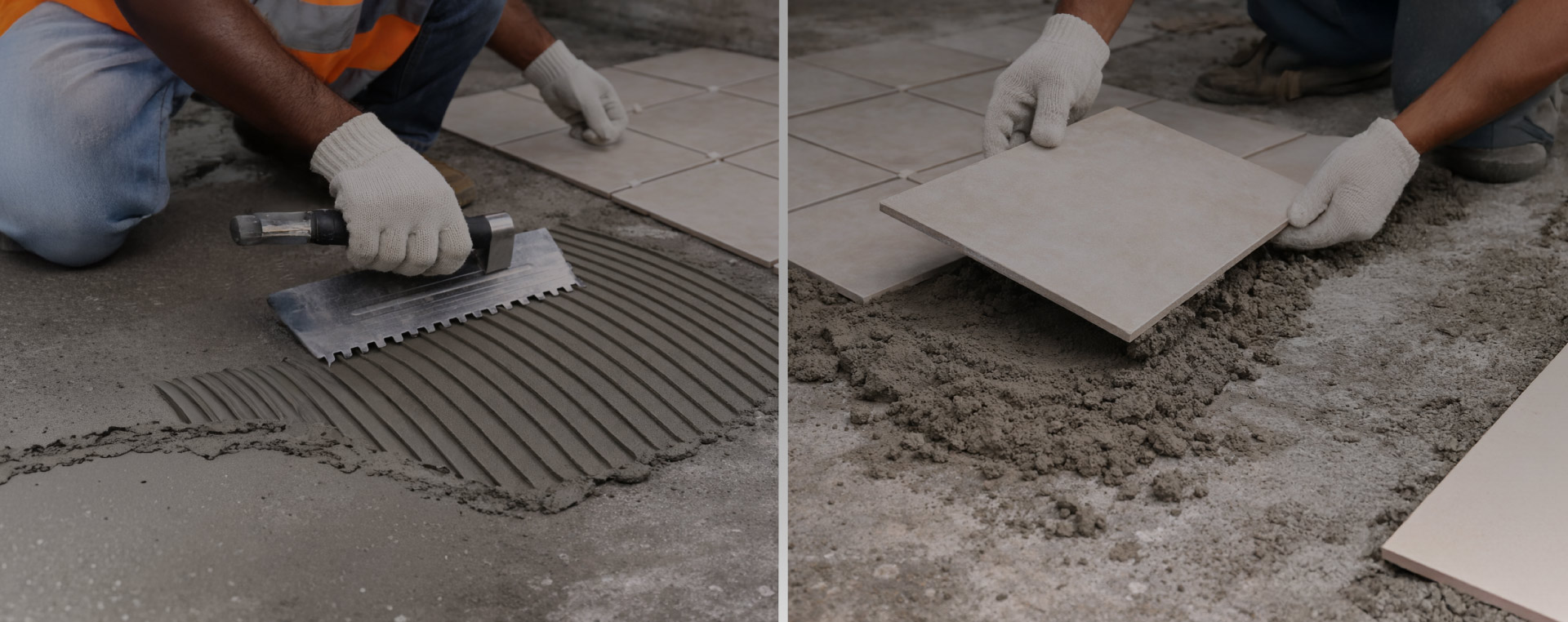
Cement mortar is a mixture of cement, sand and water that has long been used for fixing tiles on floors and walls. While it remains a familiar installation method, it may not always provide consistent bonding performance, particularly when used with modern tile materials.
Key limitations:
Because cement mortar is manually mixed and applied, achieving consistent results often depends heavily on the skill of the installer.
Tile adhesive is a specially formulated material designed specifically for tile installation. It offers stronger bonding, better flexibility and improved resistance to environmental conditions compared to traditional mortar.
Solutions such as BirlaNu Tough Tile Adhesive are formulated to provide reliable adhesion between tiles and substrates, helping ensure better installation performance across different surfaces.
Key advantages:
Because tile adhesives are engineered for this specific purpose, they often help achieve more consistent and durable results.
Ease of application is another important factor when comparing these two materials.
Modern tiles are often larger, thinner and made from materials such as vitrified or porcelain tiles. These tiles require a stronger and more uniform bonding layer.
Both cement mortar and tile adhesive have been used for tile installation for many years, but their performance can differ depending on the type of tiles and installation conditions. Traditional cement mortar remains widely recognised, yet it may present challenges related to bonding consistency and tile alignment.
Tile adhesive, on the other hand, provides stronger bonding, improved flexibility and better resistance to moisture and temperature variations. By helping ensure uniform adhesion and reducing hollow spaces beneath tiles, solutions such as BirlaNu Tough Tile Adhesive support durable and long-lasting tile installations.
Why is tile adhesive considered better than cement mortar for tiles?
Tile adhesive offers stronger adhesion, improved moisture resistance and reduces the chances of hollow spaces beneath tiles.
Which is better for vitrified tiles, tile adhesive or cement mortar?
Tile adhesive is usually preferred because it provides stronger and more uniform bonding for vitrified tiles.
How do I avoid hollow spaces under tiles during installation?
Using tile adhesive and applying it evenly with a notched trowel helps reduce hollow spaces beneath tiles.
The latest

Standards, materials, range and supply: what to check before you buy
12/10/2026
10 minutes read
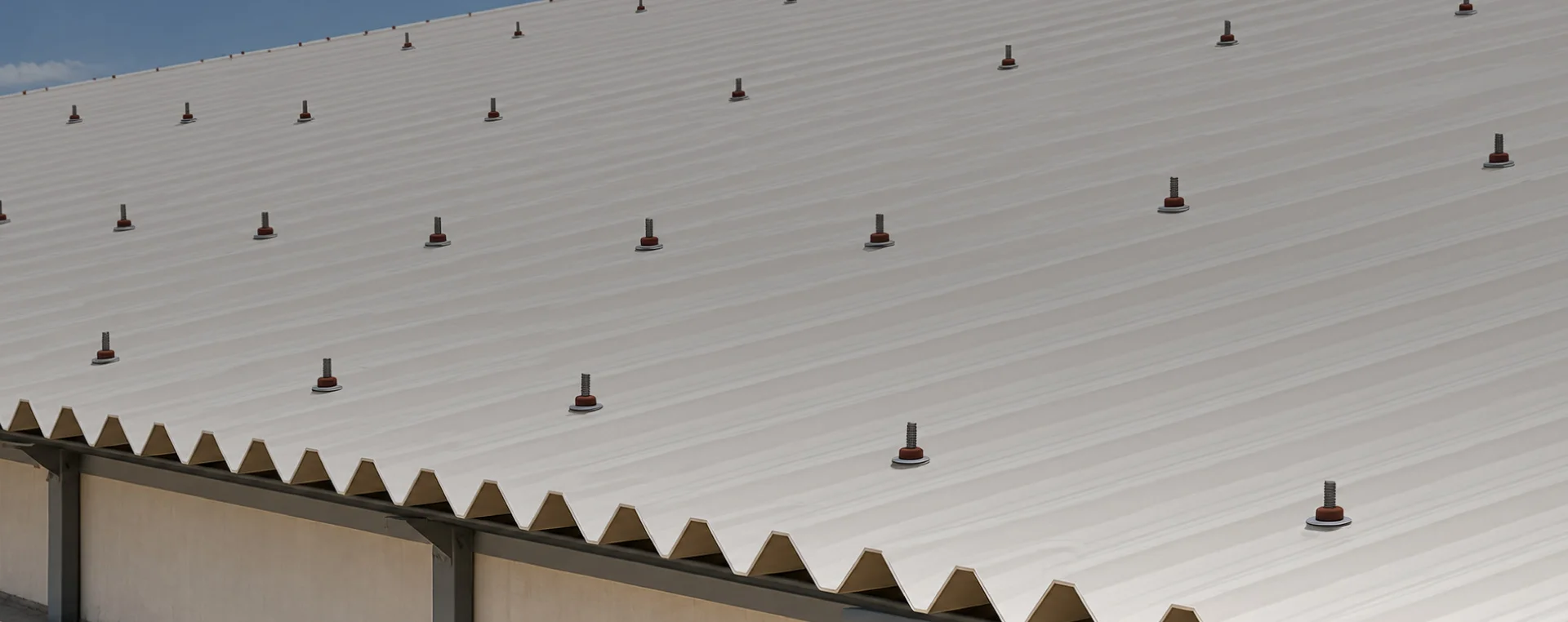
Why the smallest roofing components decide whether a roof stays dry, secure and durable for years.
12/10/2026
6 minutes read

Explore how different roofing materials perform across India’s heat, humidity and monsoons
11/10/2026
7 minutes read
Standards, materials, range and supply: what to check before you buy
- - 12/10/2026
Why the smallest roofing components decide whether a roof stays dry, secure and durable for years.
- - 12/10/2026
Explore how different roofing materials perform across India’s heat, humidity and monsoons
- - 11/10/2026
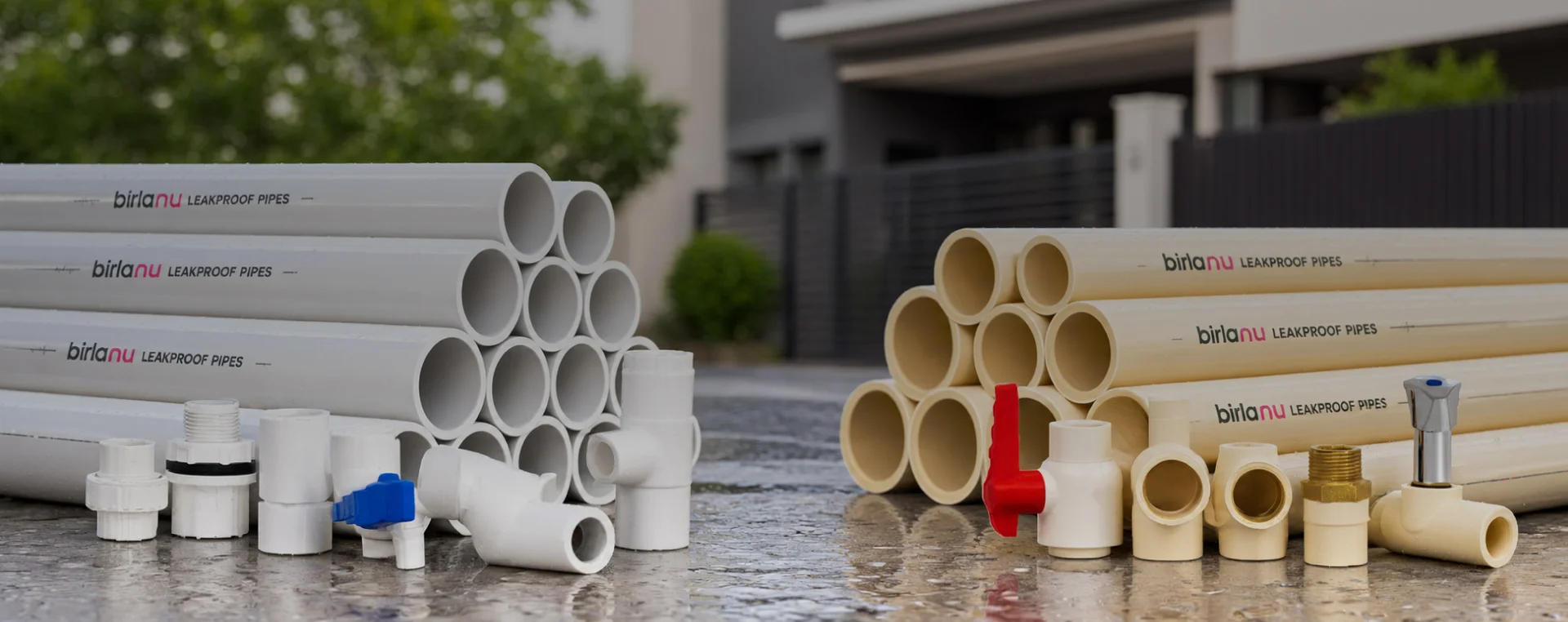
Choose the right pipes and fittings for reliable water supply and drainage.
- - 07/10/2026
