
4 minutes read
Primer is the quietest layer in a paint system, yet it decides whether the paint above it peels, patches or lasts. Many homeowners treat primers as interchangeable, but interior wall primer and exterior wall primer are built for very different conditions. This guide explains how they differ, which to use where and how to prepare new plaster properly.
Primer seals the porous surface so the wall absorbs paint evenly. It improves adhesion between the wall and the topcoat, helps shades look uniform and reduces how much paint you need. Without it, walls often absorb paint unevenly, which leads to patchy colour and early peeling.
|
Factor |
Interior wall primer |
Exterior wall primer |
|
Exposure |
Controlled indoor conditions |
Rain, sunlight, heat and humidity |
|
Main job |
Smooth, even base and strong adhesion |
Durable base that resists weather stress |
|
Typical qualities |
Smooth finish, shade consistency, low odour |
Water resistance, durability, flexibility with temperature change |
|
Surfaces |
Interior plaster, putty and ceilings |
Exterior plaster, cement walls and concrete |
In general, exterior primers carry more weather-resistant binders and additives, while interior primers prioritise smoothness and indoor comfort.
Fresh cement plaster is highly alkaline. That alkalinity can react with the binder in paint and, with moisture, carry salts to the surface. The result is discolouration, white deposits called efflorescence and peeling. The best primer for new plaster walls is therefore an alkali-resistant one.
|
Product |
Best for |
Key features |
Pack sizes |
|
Interior walls, ceilings, cement surfaces and plastered areas |
Superior whiteness, smooth surface, shade consistency, alkali resistant |
1, 4, 10 and 20 L |
|
|
Exterior cement walls, concrete surfaces and plastered areas |
Superior whiteness, smooth surface, alkali resistant |
1, 4, 10 and 20 L |
|
|
Both interior and exterior walls |
Water-based acrylic cement primer with superior adhesion, enhanced coverage, |
1, 4, 10 and 20 L |
The right primer comes down to where the wall is and what it faces. Choose interior wall primer for smooth, controlled indoor spaces and exterior wall primer for weather-exposed surfaces. On new plaster, let the wall cure and pick an alkali-resistant formula. Explore the full range at birlanu.com/putty/primers and build a base your paint can rely on.
What is the difference between interior wall primer and exterior wall primer?
Interior primer is made for smooth, controlled indoor surfaces, while exterior primer offers higher durability and resistance to moisture, sunlight and temperature change on outdoor walls.
Can I use interior primer on exterior walls?
No. Interior primer is not designed for weather exposure and can deteriorate quickly outdoors, causing the paint above it to peel. Use exterior primer, or a universal primer made for both.
What is the best primer for new plaster walls?
An alkali-resistant primer is best, because fresh plaster is alkaline. BirlaNu Interior, Exterior and Universal primers are all alkali resistant, so choose by location.
Which BirlaNu primer works on both interior and exterior walls?
BirlaNu Universal Primer is a water-based acrylic cement primer for both interior and exterior walls, with alkali and moisture resistance and superior adhesion.
The latest
Everything you need to choose, compare and install asbestos-free roofing for homes, farms and factories
17/11/2026
5 minutes read
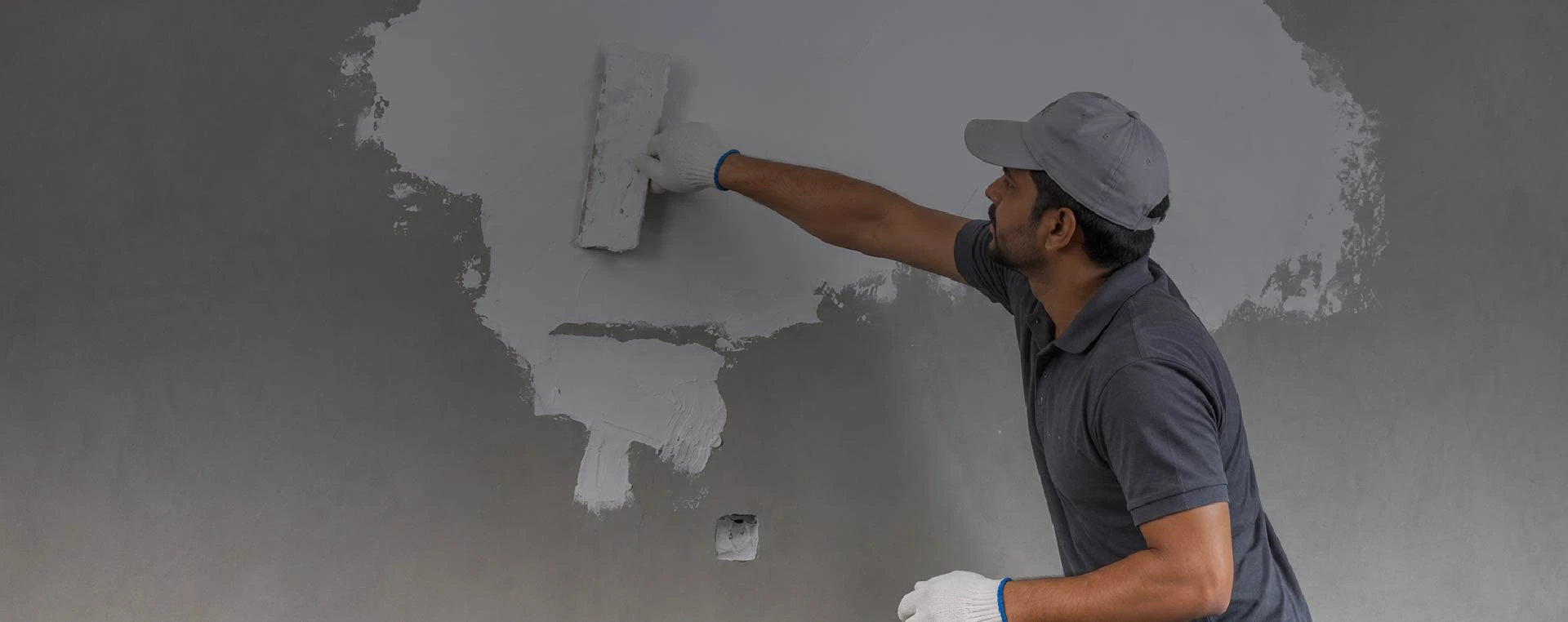
Choose the right putty for every wall and apply it the right way for a smooth, lasting paint finish.
16/11/2026
5 minutes read
Understand the causes of drainage failures and choose pipes and fittings built to prevent them.
13/11/2026
5 minutes read
Everything you need to choose, compare and install asbestos-free roofing for homes, farms and factories
- - 17/11/2026
Choose the right putty for every wall and apply it the right way for a smooth, lasting paint finish.
- - 16/11/2026
Understand the causes of drainage failures and choose pipes and fittings built to prevent them.
- - 13/11/2026
Compare flexibility, jointing, cost and installation to choose the right pipe from borewell to field
- - 10/11/2026
