
5 minutes read
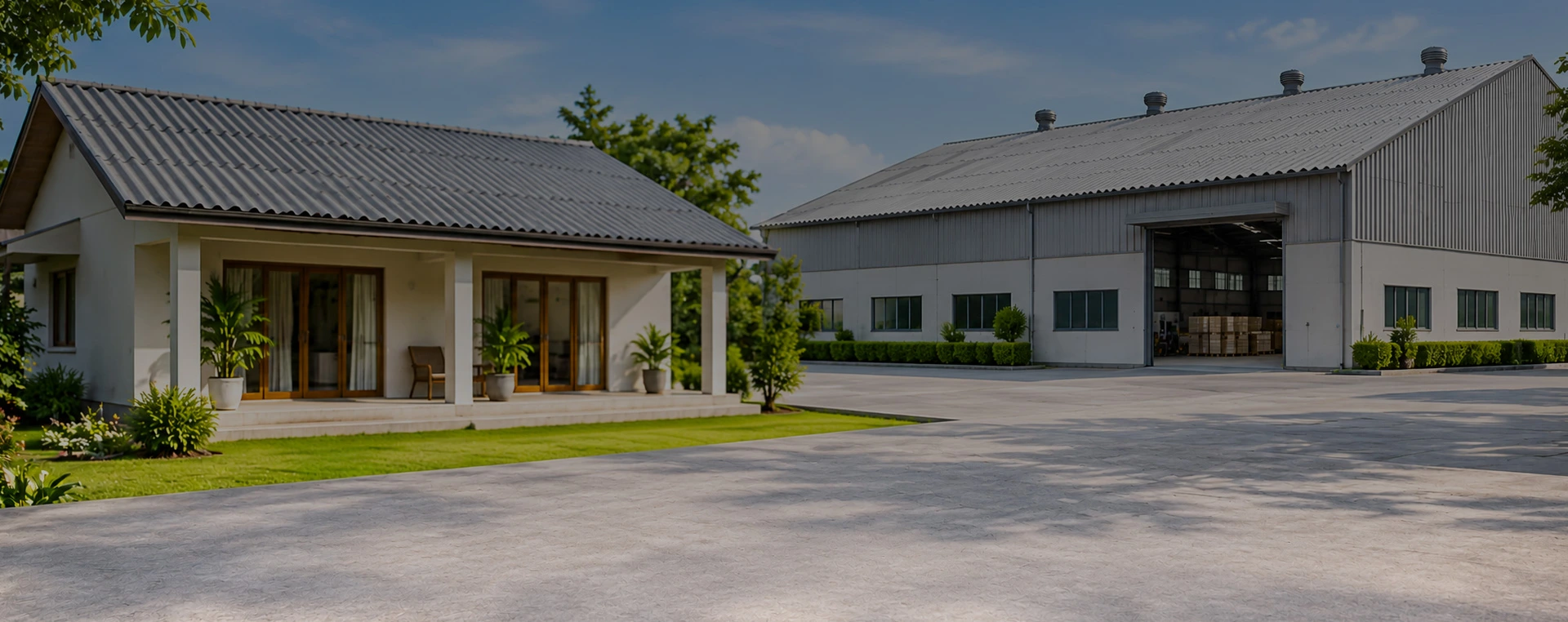
The roof works hardest of all. It faces summer heat, monsoon rain and wind every year, and it decides how comfortable and safe a building feels. Fiber cement roofing sheets have long been a trusted choice across Indian homes, farms and factories. This guide explains how they compare with older AC sheets, which type suits which building and how to install them properly.
A fiber cement sheet is a corrugated panel made from high-grade cement and reinforcing fibres. Like steel in reinforced concrete, the fibres add strength and resilience. BirlaNu sheets have a 146 mm pitch, 48 mm corrugation depth, 6 mm thickness and 1050 mm width.
‘AC’ stands for asbestos cement. For decades, grey AC sheets were the default roof for sheds and godowns. Modern cement sheets use non-asbestos fibres in the same cement matrix.
|
Factor |
AC sheet |
Non-asbestos fiber cement sheet |
|
Reinforcing fibre |
Asbestos |
Cellulose, synthetic or hybrid fibres |
|
Health consideration |
WHO says all forms of asbestos are a health risk |
No asbestos exposure concern |
|
Handling |
Cutting and drilling can release fibres |
Standard care, but sheets remain brittle |
BirlaNu UltraCool Fiber Cement Roofs are made for heat. Their Solar Reflectance Index (SRI) of 99 means they reflect most solar heat, and can reduce indoor temperatures by up to 8°C, depending on climate, roof design and installation quality.
The best roofing sheet for industrial sheds depends on use. Warehouses and godowns need durable, fire-resistant coverage. Poultry and dairy sheds benefit from thermal and sound insulation. Factories and workshops need strength and low maintenance. Standard Fiber Cement or Fortune sheets suit most sheds, while UltraCool suits sheds in hot regions.
|
Product |
Best for |
Key specifications |
|
Fiber Cement Roofs |
Homes, farm sheds, warehouses and factories |
1 m to 4.25 m, 1050 mm wide, 6 mm thick |
|
Fortune Fiber Cement Roofs |
Eco-conscious residential, commercial and industrial roofs |
1 m to 3.6 m, IS 14871:2000 |
|
UltraCool Fiber Cement Roofs |
Hot regions, poultry, dairy, warehouses and homes |
1 m to 4.25 m, SRI 99, IS 14871:2000 |
|
Coloured Steel Roofs |
Homes, industries and commercial buildings |
PPGL steel, AZ70 coating, 550 MPa yield strength |
|
Tools & Accessories |
Sealing and fixing across all roofs |
EPDM washers, J bolts and L bolts |
Always follow the manufacturer’s guidance and use trained installers.
The right roof protects people, stock and equipment for decades. Asbestos-free fiber cement roofing sheets offer strength, fire resistance and comfort without the concerns of older AC sheets. Choose UltraCool for heat, Fortune for eco-conscious projects and standard Fiber Cement for dependable everyday coverage. Install with the correct laps and accessories. Explore the full range at birlanu.com/roofs
What is the difference between AC sheet and cement sheet for roofing?
AC sheets contain asbestos fibres, while modern cement sheets use non-asbestos fibres such as cellulose or synthetic fibres. BirlaNu roofing sheets are asbestos-free and made with cement and reinforcing fibres.
Which is the best roofing sheet for hot climate?
UltraCool Fiber Cement Roofs suit hot climates. They have an SRI of 99 and can reduce indoor temperatures by up to 8°C, depending on climate, roof design and installation quality.
Which is the best roofing sheet for industrial sheds?
It depends on the shed’s use. Fiber Cement and Fortune sheets suit most warehouses and factories, while UltraCool suits poultry and dairy sheds and hot regions. Check structure, climate and fire safety needs.
How long do fiber cement roofing sheets last?
With proper installation and minimal maintenance, BirlaNu fiber cement roofs can last for decades. Correct laps, sealed fixings and careful handling all extend life.
Do fiber cement sheets need painting?
No. BirlaNu coloured roofs come in pre-finished shades and need no additional painting or coating.
The latest
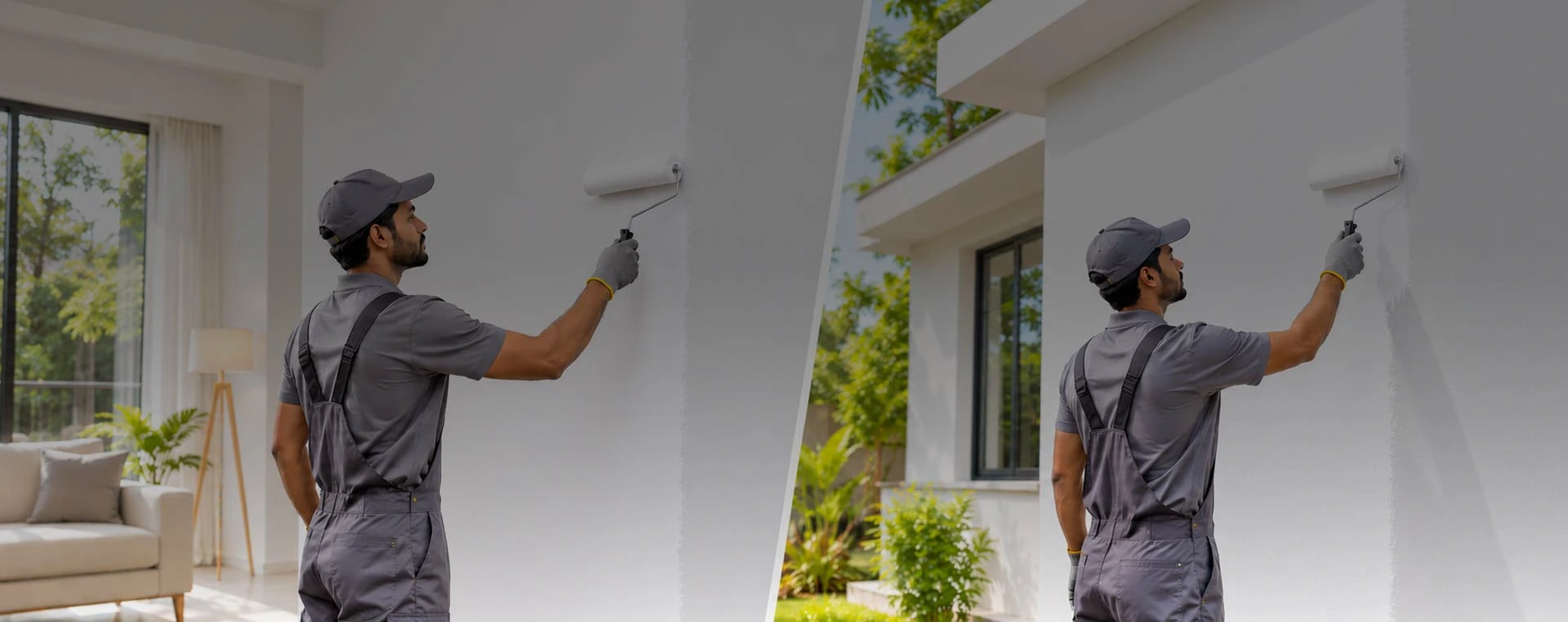
Match the primer to the wall’s location, exposure and condition for paint that sticks, looks even and lasts.
17/11/2026
4 minutes read
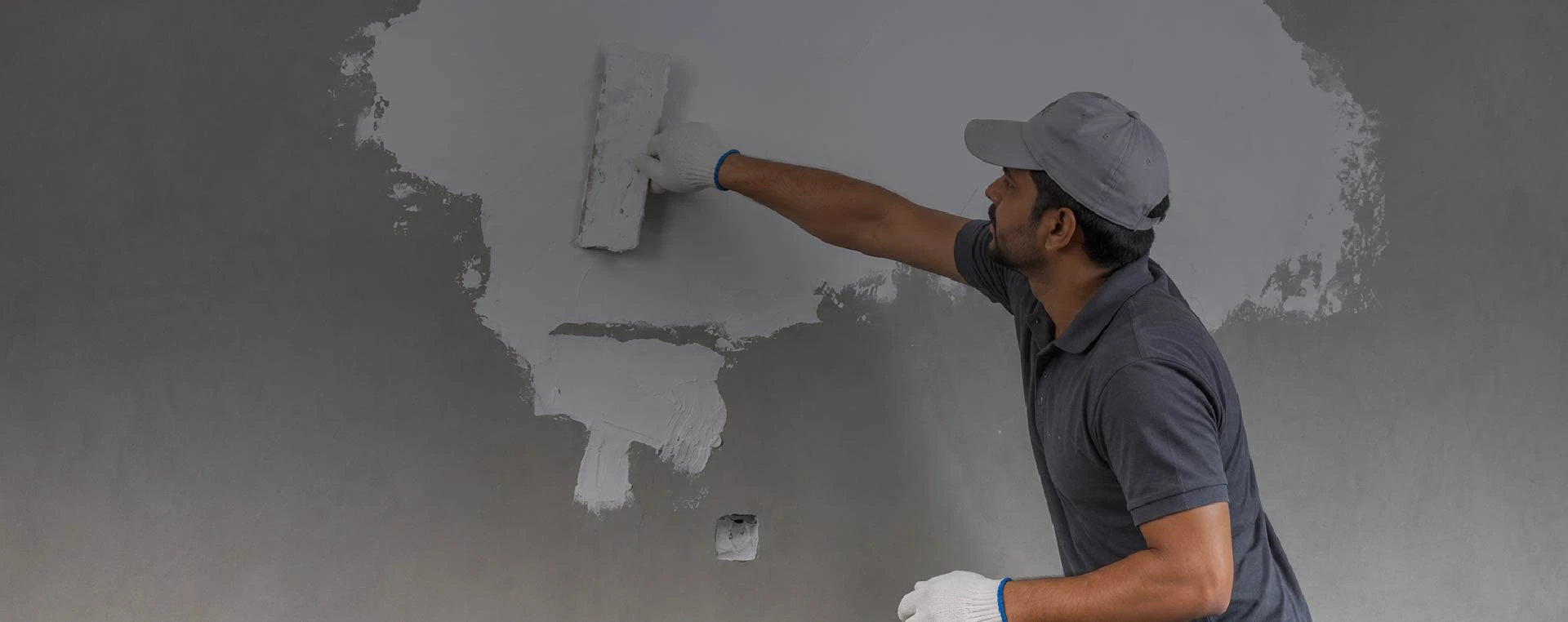
Choose the right putty for every wall and apply it the right way for a smooth, lasting paint finish.
16/11/2026
5 minutes read
Understand the causes of drainage failures and choose pipes and fittings built to prevent them.
13/11/2026
5 minutes read
Match the primer to the wall’s location, exposure and condition for paint that sticks, looks even and lasts.
- - 17/11/2026
Choose the right putty for every wall and apply it the right way for a smooth, lasting paint finish.
- - 16/11/2026
Understand the causes of drainage failures and choose pipes and fittings built to prevent them.
- - 13/11/2026
Compare flexibility, jointing, cost and installation to choose the right pipe from borewell to field
- - 10/11/2026
