
5 minutes read
Key takeaways
Water often fails on its journey from the source to the crop, not at the source itself. Leaking joints, pressure loss and damaged lines waste water and energy. Two materials dominate irrigation networks: agriculture PVC pipe and HDPE pipe. Both resist corrosion, yet they behave very differently in sunlight, shifting soil and uneven land. This guide compares them so you can choose the pipe that keeps your irrigation performing.
|
Factor |
Agriculture PVC pipe |
HDPE pipe |
|
Flexibility |
Rigid, needs fittings for turns |
Flexible, bends around obstacles and comes in coils |
|
Jointing |
Solvent cement or push-fit |
Butt fusion, electrofusion or compression fittings |
|
Sunlight |
Needs UV stabilisation or cover |
Black pipe carries carbon black for UV resistance |
|
Ground movement |
Can crack under stress or impact |
Absorbs movement and recovers from impact |
|
Upfront cost |
Typically 15 to 25 per cent lower |
Higher per metre |
PVC remains a sensible choice for short, fixed, buried lines where the lowest upfront cost matters most. For long runs, uneven terrain or lines that may be moved, HDPE is the stronger performer.
Price per metre is only the starting point. Guidance on pipeline projects estimates materials at around 80 per cent of total cost, so the gap matters.
Compare the installed cost of the whole pipeline and its expected service life rather than the pipe price alone.
Buried mains are shielded from sunlight, heat and farm machinery, and they leave the field clear. Indian guidance recommends minimum cover of 450 mm for 25 to 60 mm pipes, 600 mm for 75 to 100 mm and 760 mm for 125 mm and above. HDPE suits buried runs because it tolerates soil movement and can be installed with trenchless methods.
Surface lines are easy to inspect and move, which suits seasonal sprinkler layouts. HDPE handles this best because it resists UV and impact and can be coiled and reused. Support the pipe properly and avoid sharp edges.
|
Product |
Sizes and specifications |
|
16 mm to 500 mm: PE 63, PE 80 and PE 100, PN 2.5 to PN 20 |
|
|
Butt fusion fittings |
40 mm to 200 mm: PE 100, PN 6 and PN 10 |
|
For leakproof fused joints |
These pipes suit irrigation systems, borewell systems, potable water supply and industrial fluids, and they carry CIPET and WRAS certifications.
BirlaNu HDPE pipes combine fusion-bonded joints, flexibility and resistance to cracking, corrosion and chemicals. Grades from PE 63 to PE 100 and pressure ratings up to PN 20 let you match the pipe to your pump pressure and field layout. Explore the range at birlanu.com/hdpe-pipes-fittings.
Is HDPE better than PVC for agricultural irrigation?
For most farms, yes. HDPE bends around obstacles, absorbs ground movement and forms continuous fused joints. PVC can still suit short, fixed, buried lines where the lowest upfront cost is the priority.
Why are HDPE pipes more leak-resistant than PVC pipes?
HDPE joints are fused into a single homogeneous line, while PVC relies on solvent cement or push-fit seals. Long HDPE coils also need fewer joints, which reduces the places where leaks can start.
How much more does HDPE pipe cost than PVC for irrigation?
HDPE is typically 15 to 25 per cent more expensive per metre at comparable sizes. Fewer joints, less labour on long runs and lower maintenance can offset some of that gap over time.
Can HDPE pipes be used above ground on a farm?
Yes. Black HDPE resists sunlight and impact, so it suits exposed sprinkler lines and portable layouts. Support the pipe properly and follow the pressure rating for your operating temperature.
What sizes and grades are in the BirlaNu agriculture pipes list?
BirlaNu HDPE pipes range from 16 mm to 500 mm in PE 63, PE 80 and PE 100 grades, with pressure ratings from PN 2.5 to PN 20. Butt fusion fittings cover 40 mm to 200 mm.
The latest
Leakproof CPVC pipe fittings for reliable industrial piping, built on TruFiT Technology
06/11/2026
5 minutes read
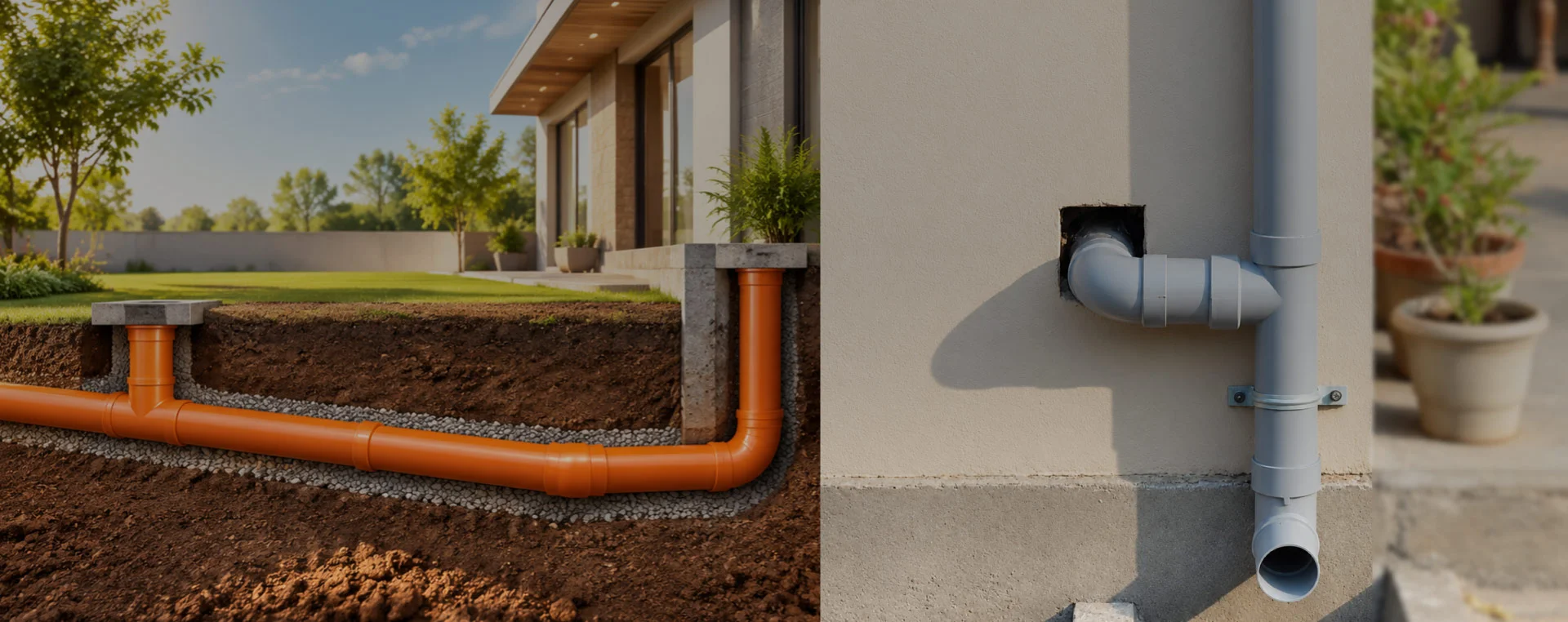
Understanding SWR and UGD pipes, their differences, applications and the right use for each
24/10/2026
7 minutes read

What to consider before you choose, from moisture and footfall to pattern and light
23/10/2026
6 minutes read
Leakproof CPVC pipe fittings for reliable industrial piping, built on TruFiT Technology
- - 06/11/2026
Understanding SWR and UGD pipes, their differences, applications and the right use for each
- - 24/10/2026
What to consider before you choose, from moisture and footfall to pattern and light
- - 23/10/2026
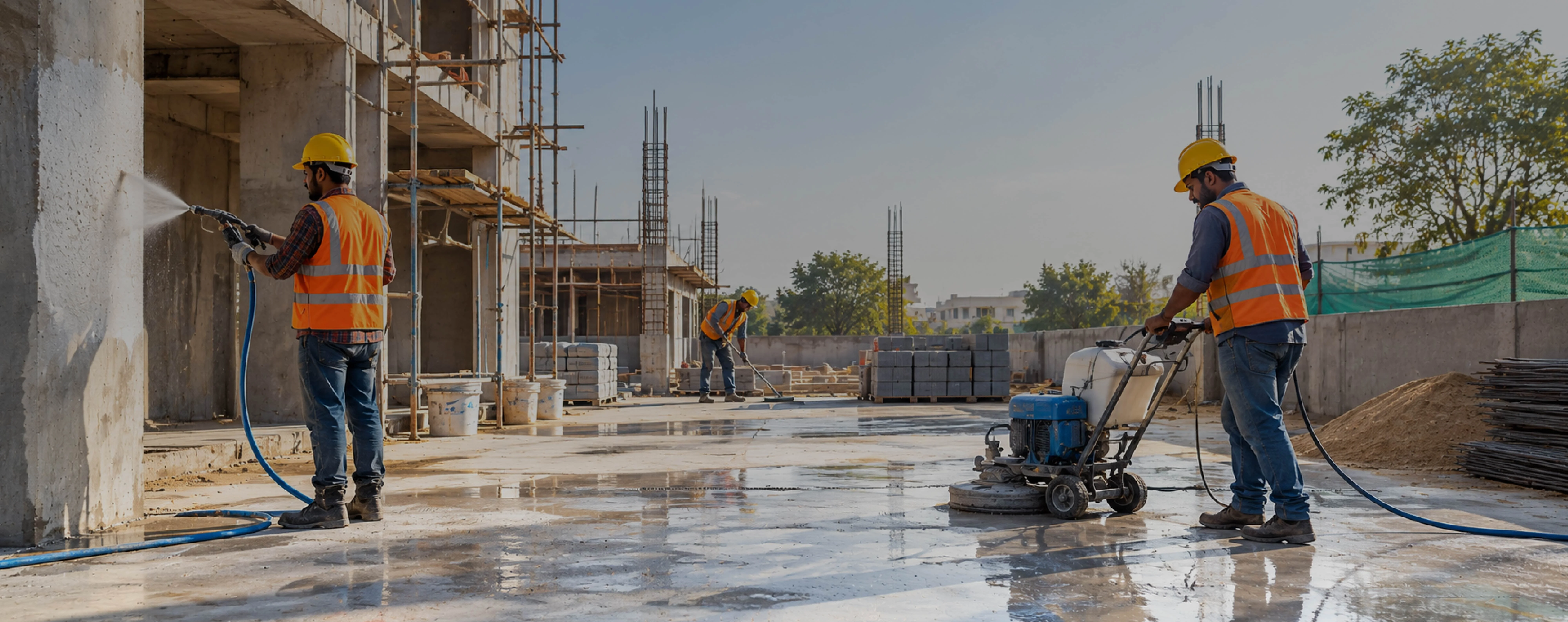
How the right construction chemicals can prevent common building maintenance problems
- - 22/10/2026
