
5 minutes read
Key takeaways
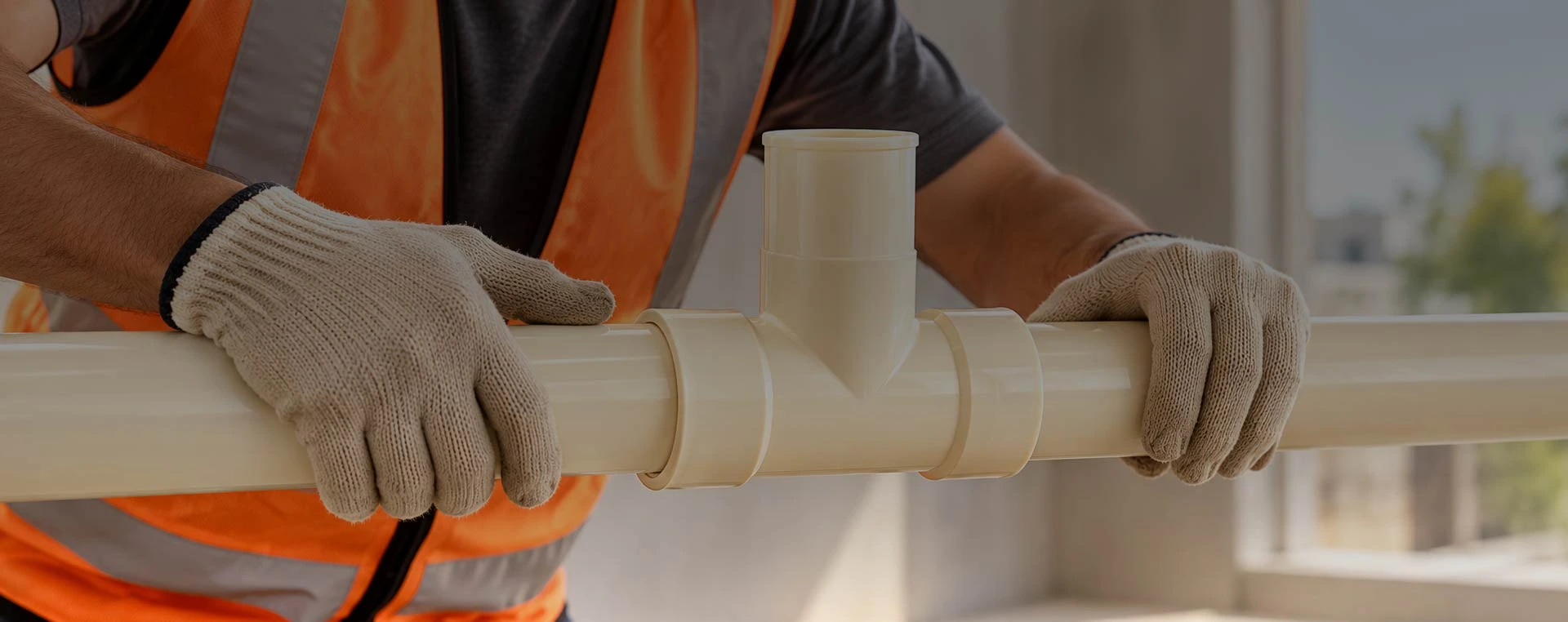
In an industrial facility, a small leak rarely stays small. It can mean downtime, product loss, safety risks and costly repairs. That is why choosing the right industrial piping CPVC pipe system is as much about long-term reliability as it is about upfront cost. This guide explains how BirlaNu leakproof CPVC pipes and fittings, powered by TruFiT Technology, help you build a system that stays tight for years.
A pipe is only as strong as its weakest connection. Even a well-made pipe can leak if the fitting does not match it precisely, and gaps at the socket are where pressure, heat and vibration do the most damage. Traditional systems rely heavily on the installer’s skill to compensate for these gaps.
Metal pipes add further problems. Rust, pitting and scale build-up gradually weaken the line from the inside. CPVC avoids these issues, but only a precisely matched jointing system turns that material advantage into a genuinely leakproof network.
TruFiT Technology is BirlaNu’s proprietary manufacturing approach. It combines advanced mould design for fittings with precision pipe extrusion, so the two parts are made to matching tolerances. The result is perfect alignment and a reduced gap between pipe and fitting.
The system also includes a 45° rotation lock for a secure joint. In practice, this means:
BirlaNu is the first and only brand in India to offer this innovation.
CPVC, or chlorinated polyvinyl chloride, gains its heat and chemical resistance from the post-chlorination process. It has been used in demanding process industries for decades, and it works well wherever metal would corrode.
Key advantages of CPVC pipes and fittings for industrial use include:
BirlaNu’s CPVC compound is made in-house, which gives complete control over formulation, stability and fusion behaviour.
The BirlaNu CPVC pipe list covers a wide range of sizes and pressure classes, paired with matching solvent cement and primer for a complete system.
|
Product |
Sizes and specifications |
|
CPVC pipes |
15 mm (½") to 50 mm (2"): Class 1 (SDR 11) and Class 2 (SDR 13.5) |
|
CPVC fittings |
15 mm to 50 mm: SDR 11 |
|
Solvent cement |
Medium-duty and heavy-duty, 15 ml to 946 ml |
|
Purple primer |
473 ml and 946 ml |
All CPVC pipes and fittings follow IS 15778:2007 and suit hot and cold potable water, industrial water management and solar water heaters.
Before finalising pipes for industrial use, keep the following in mind:
BirlaNu offers more than 20 product categories, from CPVC and uPVC to underground drainage, pressure and column pipes. Choosing one manufacturer for pipes, fittings and solvents means fewer compatibility issues and a system designed to work together. With TruFiT Technology at the core, leakproof assurance is built into every joint. Explore the full range at birlanu.com/cpvc-pipes-fittings
FAQs
What is the best CPVC pipe for industrial use in India?
The best CPVC pipe depends on temperature, pressure and the fluid carried. Look for IS 15778:2007 compliance, a suitable pressure class and fittings from the same manufacturer. BirlaNu CPVC pipes offer SDR 11 and SCH 80 options with TruFiT Technology for leakproof joints.
How does TruFiT Technology prevent leaks in CPVC pipes and fittings?
TruFiT Technology matches the tolerances of the pipe extrusion and fitting mould. This reduces the gap between the two parts and creates precise alignment. A 45° rotation lock then secures the joint for leakproof performance.
Can CPVC pipes replace metal pipes in industrial plants?
In many applications, yes. CPVC resists corrosion, scaling and pitting, and it is lighter than metal. However, it has temperature limits and needs proper support, so confirm suitability for your process before replacing metal lines.
What sizes are in the BirlaNu CPVC pipe list?
BirlaNu CPVC pipes range from 15 mm (½") to 150 mm (6"). Sizes up to 50 mm come in Class 1 (SDR 11) and Class 2 (SDR 13.5), while 65 mm to 150 mm come in SCH 40 and SCH 80.
What temperature can CPVC pipes handle?
BirlaNu CPVC pipes handle temperatures up to 95°C, which suits hot water distribution, solar heating and many industrial water applications.
The latest
Compare flexibility, jointing, cost and installation to choose the right pipe from borewell to field
10/11/2026
5 minutes read
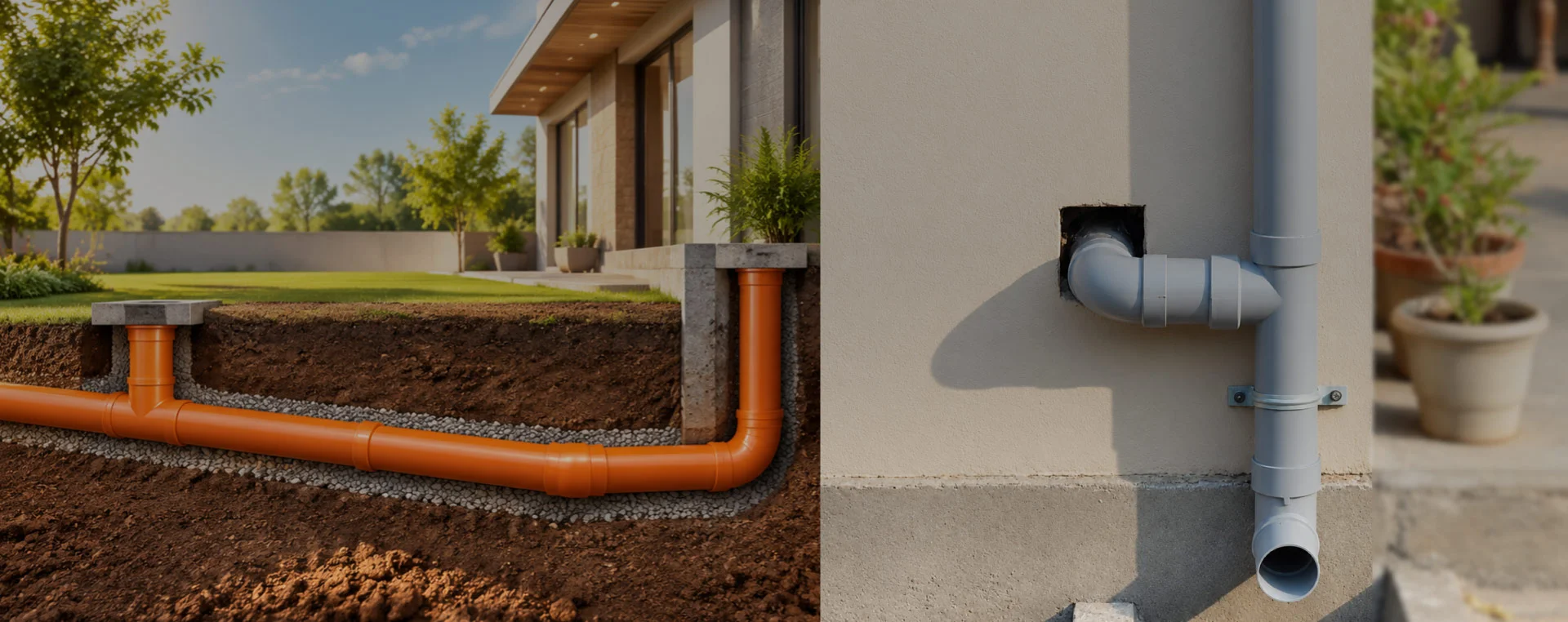
Understanding SWR and UGD pipes, their differences, applications and the right use for each
24/10/2026
7 minutes read

What to consider before you choose, from moisture and footfall to pattern and light
23/10/2026
6 minutes read
Compare flexibility, jointing, cost and installation to choose the right pipe from borewell to field
- - 10/11/2026
Understanding SWR and UGD pipes, their differences, applications and the right use for each
- - 24/10/2026
What to consider before you choose, from moisture and footfall to pattern and light
- - 23/10/2026
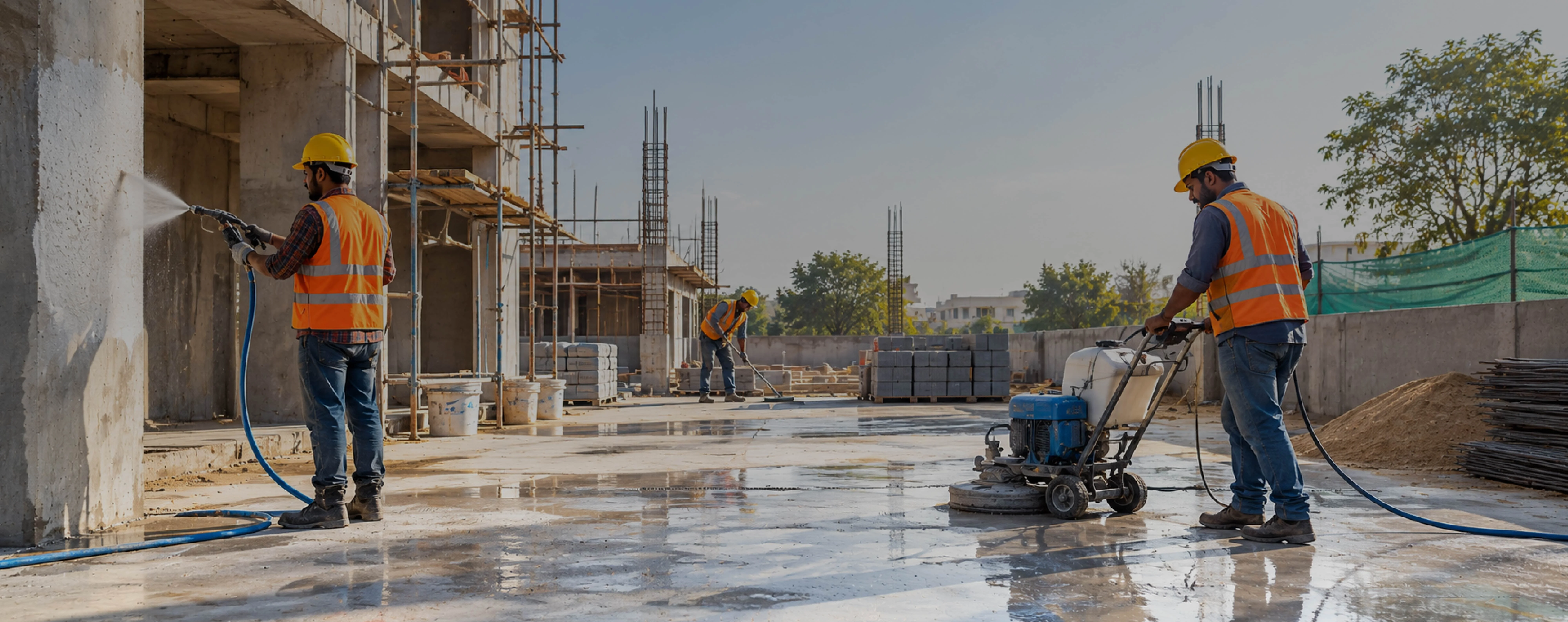
How the right construction chemicals can prevent common building maintenance problems
- - 22/10/2026
