

4 minutes read
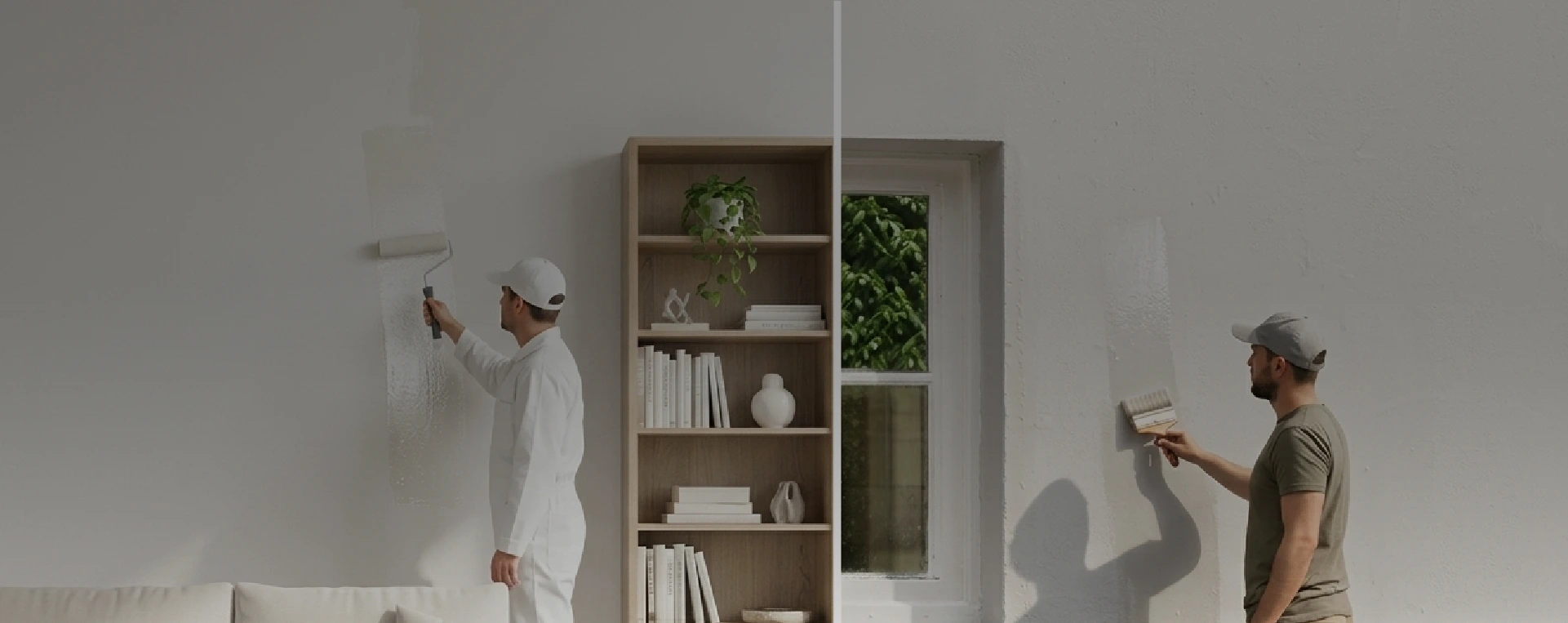
A good paint job is not just about the final coat. The foundation beneath it plays an equally important role, and that foundation is the primer. Whether you are painting interiors or exteriors, selecting the right primer directly impacts how well the paint adheres, looks, and lasts over time.
Using the wrong primer is a common mistake that often leads to peeling paint, uneven finish, and reduced durability. Understanding the difference between interior primer and exterior primer is essential for achieving a high-quality and long-lasting finish.
Primers are designed to prepare surfaces for painting by improving adhesion and creating a uniform base. However, not all primers are the same.
Different environments demand different performance characteristics:
Choosing the right primer ensures that the paint system performs as expected in its specific environment.
An interior primer is formulated for use inside buildings, where surfaces are protected from harsh weather conditions.
Key features:
Interior primers are ideal for living spaces, offices, and areas where aesthetics and smoothness are a priority.
An exterior primer is designed to withstand environmental exposure and protect surfaces from external elements.
Key features:
Exterior primers are essential for maintaining durability and performance in outdoor applications.
|
Factor |
Interior Primer |
Exterior Primer |
|
Environment |
Controlled indoor conditions |
Exposed to weather and environmental stress |
|
Primary Function |
Smooth finish and adhesion |
Protection against moisture and UV exposure |
|
Durability Needs |
Moderate |
High |
|
Resistance |
Limited moisture resistance |
High resistance to water, heat, and sunlight |
Using an incorrect primer can lead to several issues that affect both appearance and durability.
Common problems include:
For example, using an interior primer on exterior walls can result in quick deterioration due to exposure, while using an exterior primer indoors may not deliver the desired smooth finish.
Selecting the right primer depends on a few key factors:
Matching the primer to these conditions ensures better performance and longer-lasting results.
A high-performance paint finish depends on the strength of the base layer. BirlaNu TruColour Putty is designed to create a smooth, uniform surface that enhances primer adhesion and improves overall paint performance.
Formulated for better coverage and finish, it helps reduce surface imperfections while supporting both interior and exterior applications. By strengthening the foundation before priming, BirlaNu solutions ensure improved durability, consistent finish quality, and longer-lasting results across different environmental conditions.
Common Mistakes to Avoid
Avoiding these mistakes helps maintain both appearance and durability.
Choosing between interior primer and exterior primer is not just a technical detail. It is a critical decision that directly impacts the performance and lifespan of your paint.
Using the correct primer ensures better adhesion, improved finish, and long-term durability. By selecting the right product based on surface and environmental conditions, you can achieve a result that looks better and lasts longer.
Can I use interior primer on exterior walls?
No, interior primer is not designed to handle moisture, sunlight, and weather exposure, which can lead to peeling and reduced durability.
Do I really need a different primer for outside walls?
Yes, exterior primer is specifically designed to protect against weather conditions and ensure long-lasting paint performance.
What is the main difference between interior and exterior primer?
Interior primer focuses on smooth finish and adhesion, while exterior primer is designed for durability and resistance to environmental conditions.
Is exterior primer stronger than interior primer?
Exterior primer is more durable and resistant to weather, but it is not always suitable for achieving a smooth indoor finish.
When should primer be applied?
Primer should be applied before painting to prepare the surface and improve paint adhesion.
The latest
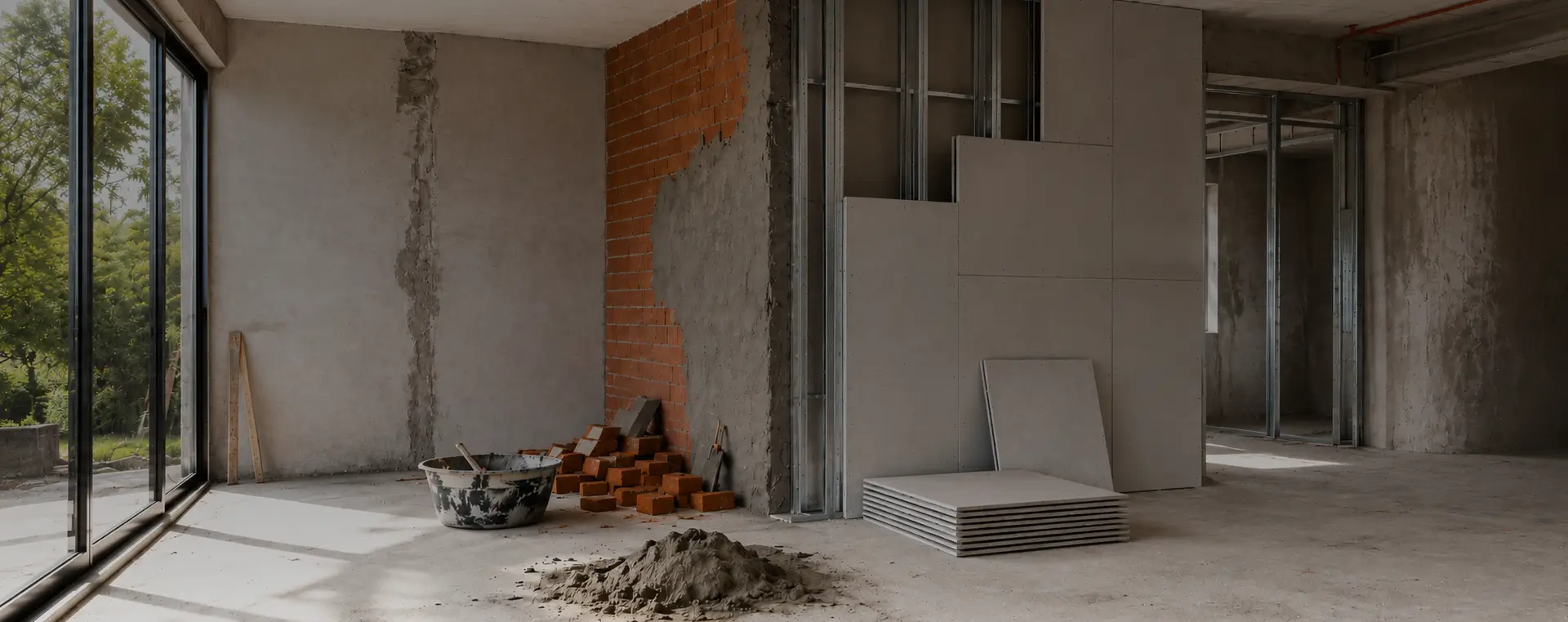
Avoid common wall construction mistakes with smarter building solutions. Learn when to use fibre cement boards and ensure durable, high-quality finishes.
23/07/2026
9 minutes read
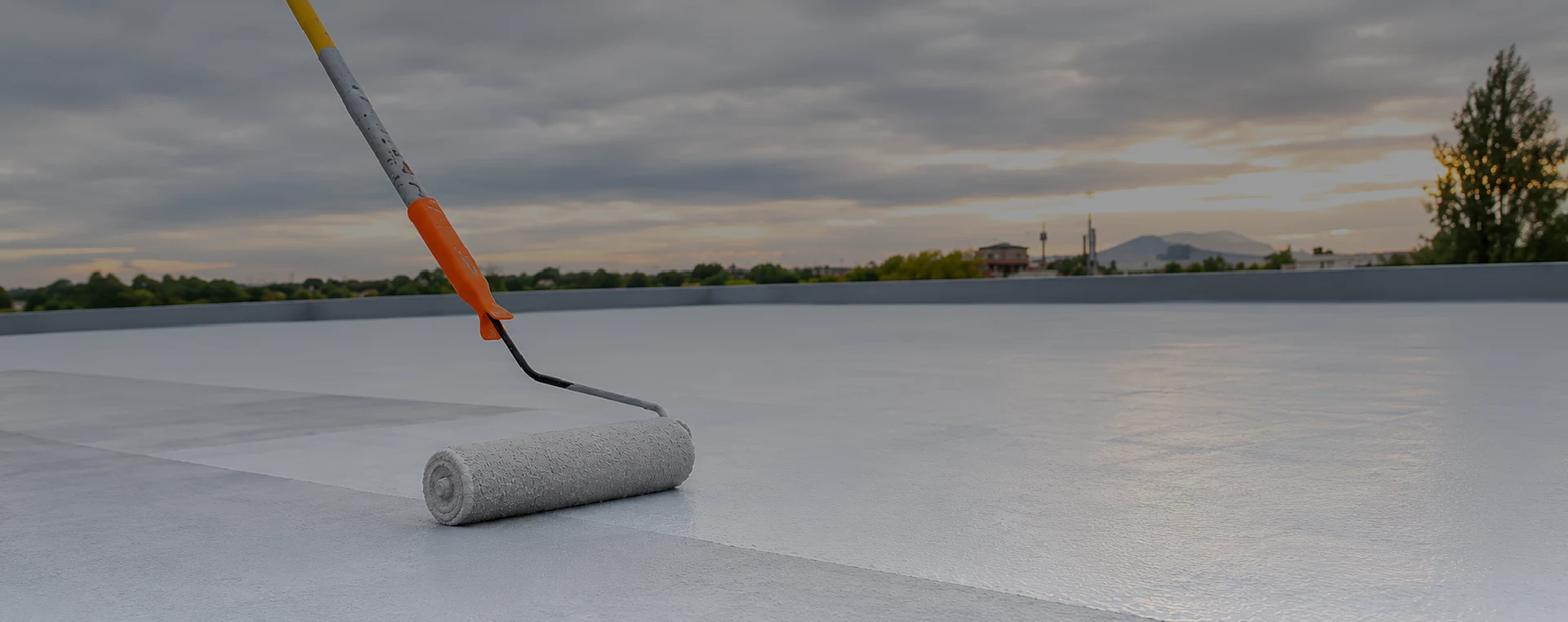
The essential waterproofing solutions for lasting protection.
23/07/2026
7 minutes read
A fast solution for active leaks and seepage under pressure.
14/07/2026
7 minutes read
Avoid common wall construction mistakes with smarter building solutions. Learn when to use fibre cement boards and ensure durable, high-quality finishes.
- - 23/07/2026
The essential waterproofing solutions for lasting protection.
- - 23/07/2026
A fast solution for active leaks and seepage under pressure.
- - 14/07/2026
Ensuring borewell stability, durability, and reliable water extraction.
- - 14/07/2026
