

4 minutes read
A plumbing system is only as strong as its weakest connection. While pipes often get the most attention, it is the pipe fittings that determine how well the system performs over time.
From connecting pipelines to controlling flow and direction, fittings play a critical role in ensuring efficiency and preventing leaks. Choosing the right fittings is essential for building a reliable and long-lasting plumbing system.
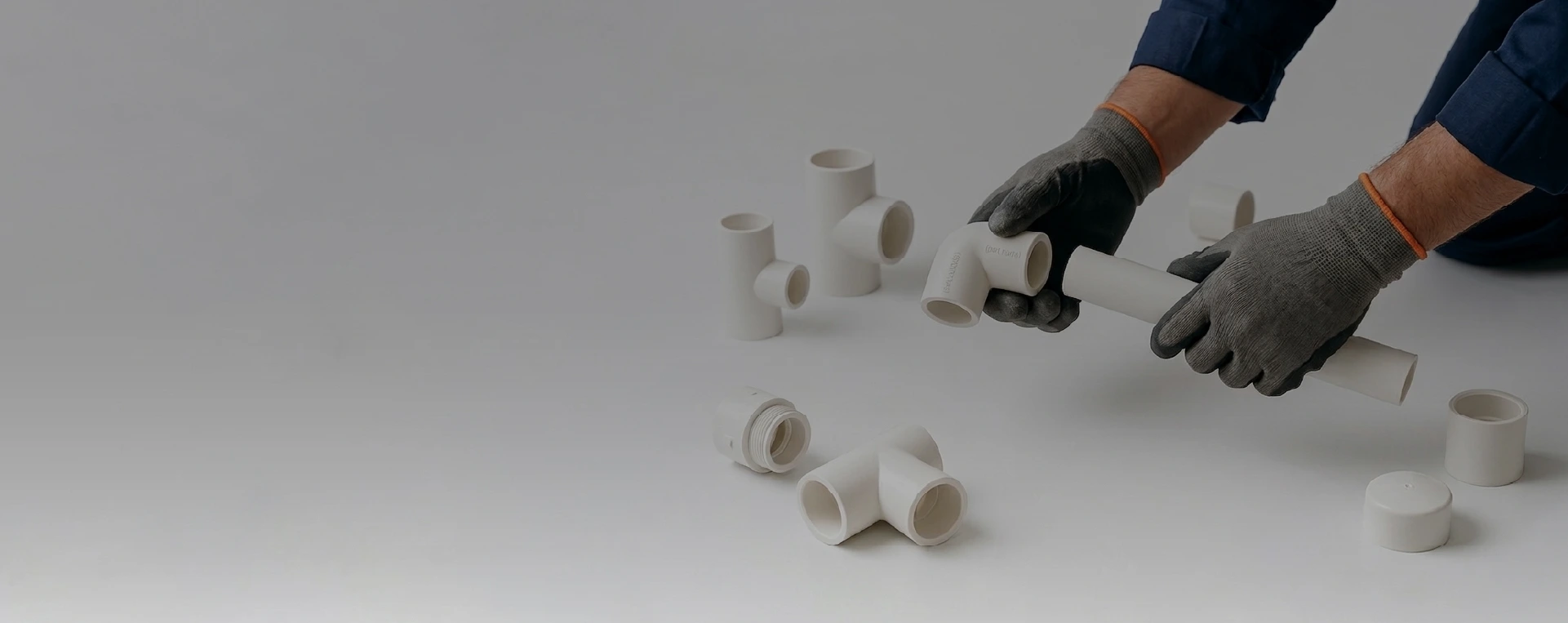
Pipe fittings are components used to connect, extend, terminate, or change the direction of pipes within a plumbing system.
Key functions of pipe fittings:
Incorrect selection or poor-quality fittings can compromise the entire system, leading to leakage and costly repairs.
Understanding different types of pipe fittings helps in selecting the right solution for specific applications.
|
Type of Fitting |
Function |
|
Elbows |
Used to change the direction of flow, typically at 45 or 90 degrees |
|
Tees |
Allow branching of pipelines in multiple directions |
|
Couplings |
Connect two pipes of the same diameter |
|
Reducers |
Connect pipes of different sizes |
|
Valves |
Control the flow and pressure within the system |
Fittings must be compatible with the pipe material, such as PVC or HDPE.
Key consideration: Always choose fittings designed for the same material as the pipe.
Different plumbing systems operate under different pressure levels.
Key consideration: Select pipe fittings based on system pressure to avoid failure.
The type of plumbing system determines the fittings required.
Key consideration: Choose fittings based on application-specific needs.
Poor-quality fittings are one of the leading causes of leakage.
Key consideration: High-quality pipe fittings ensure long-term reliability.
Even the best fittings can fail if not installed correctly.
Key consideration: Use proper installation methods and tools for secure connections.
The performance of a plumbing system depends on the quality and compatibility of its components. BirlaNu offers a complete range of piping solutions, including pipe fittings designed for seamless compatibility across its product portfolio.
By providing fittings across all pipe categories, BirlaNu enables a more integrated approach to plumbing, helping ensure durability, efficiency, and long-term reliability.
Avoiding these mistakes helps maintain a leak-free system.
A reliable plumbing system depends on more than just pipes. The right pipe fittings ensure secure connections, proper flow, and long-term durability.
By selecting compatible materials, focusing on quality, and following correct installation practices, it is possible to create a system that performs efficiently and remains leak-free over time.
Choosing the right fittings is not just a technical decision, but a key step in ensuring dependable plumbing performance.
How do I choose the right pipe fittings for my home plumbing?
Choose pipe fittings that match your pipe material, pressure requirements, and application. Ensuring compatibility and proper installation helps prevent leaks.
Why do pipe fittings leak even when pipes are good?
Leaks often occur due to poor-quality fittings, incorrect installation, or incompatible materials, even if the pipes themselves are in good condition.
What are the most common types of pipe fittings?
Common types include elbows, tees, couplings, reducers, and valves, each serving a specific function in the system.
Are pipe fittings different for PVC and HDPE pipes?
Yes, fittings are designed to match specific pipe materials to ensure proper sealing and durability.
Does installation affect the performance of pipe fittings?
Yes, proper alignment, sealing, and technique are essential to ensure leak-free performance.
The latest
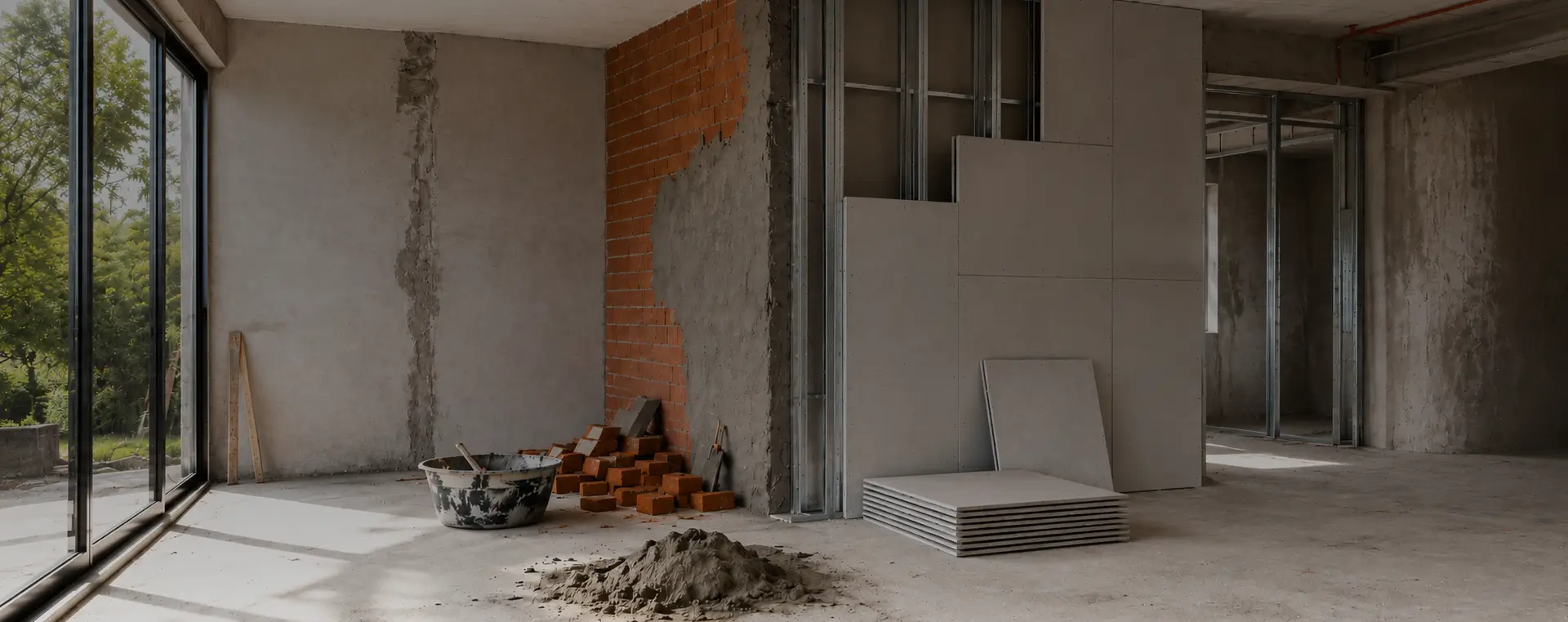
Avoid common wall construction mistakes with smarter building solutions. Learn when to use fibre cement boards and ensure durable, high-quality finishes.
23/07/2026
9 minutes read
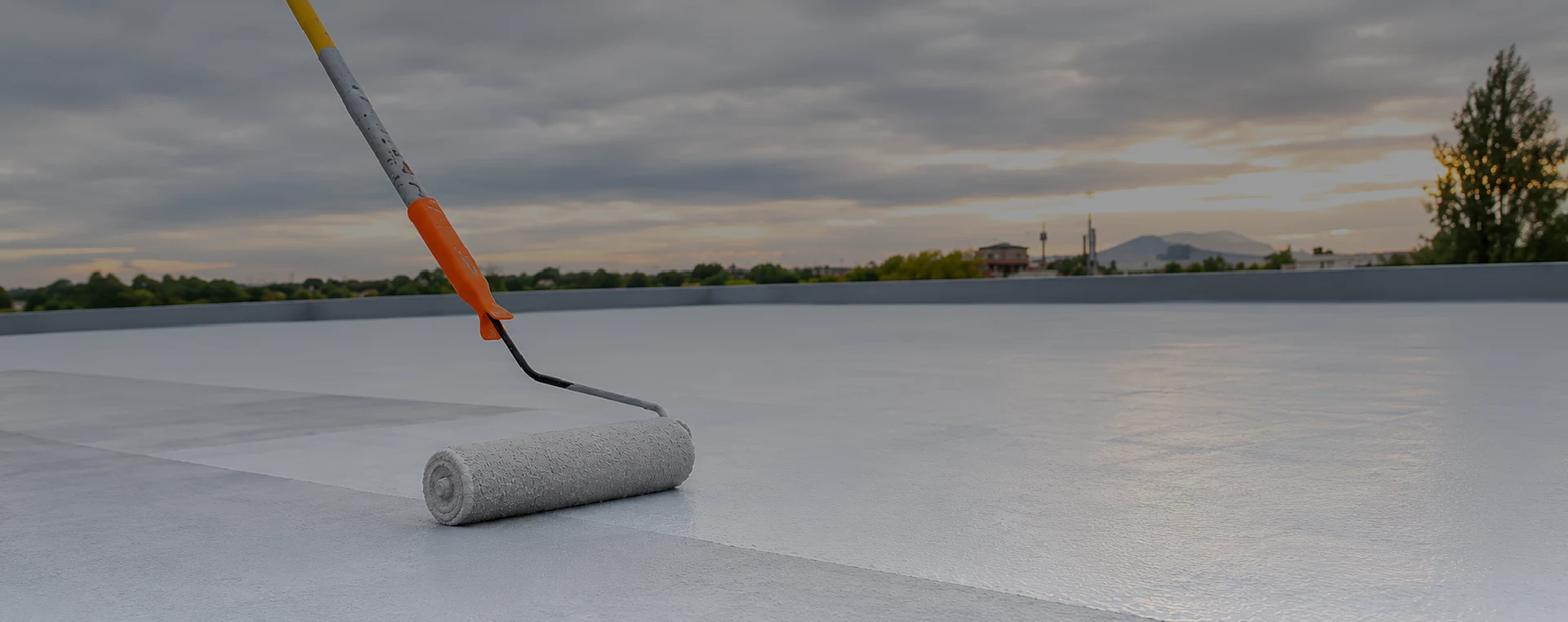
The essential waterproofing solutions for lasting protection.
23/07/2026
7 minutes read
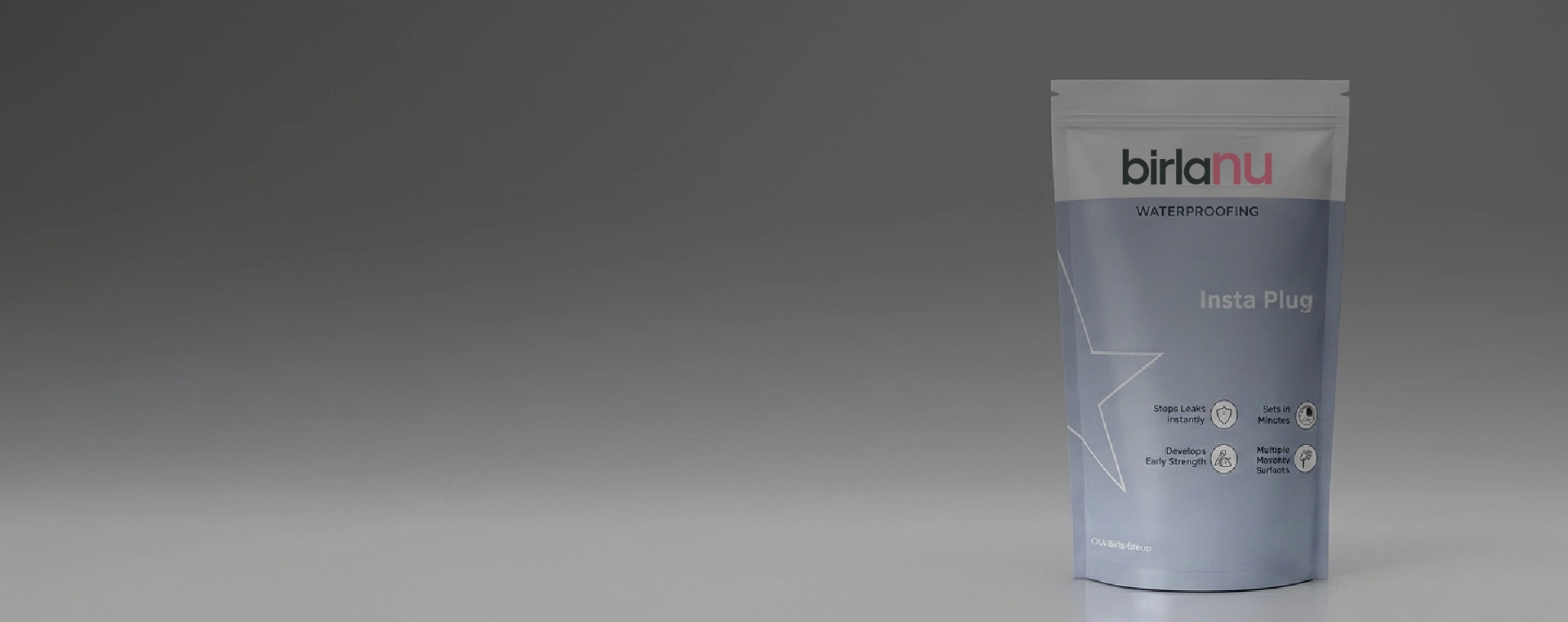
A fast solution for active leaks and seepage under pressure.
14/07/2026
7 minutes read
Avoid common wall construction mistakes with smarter building solutions. Learn when to use fibre cement boards and ensure durable, high-quality finishes.
- - 23/07/2026
The essential waterproofing solutions for lasting protection.
- - 23/07/2026
A fast solution for active leaks and seepage under pressure.
- - 14/07/2026
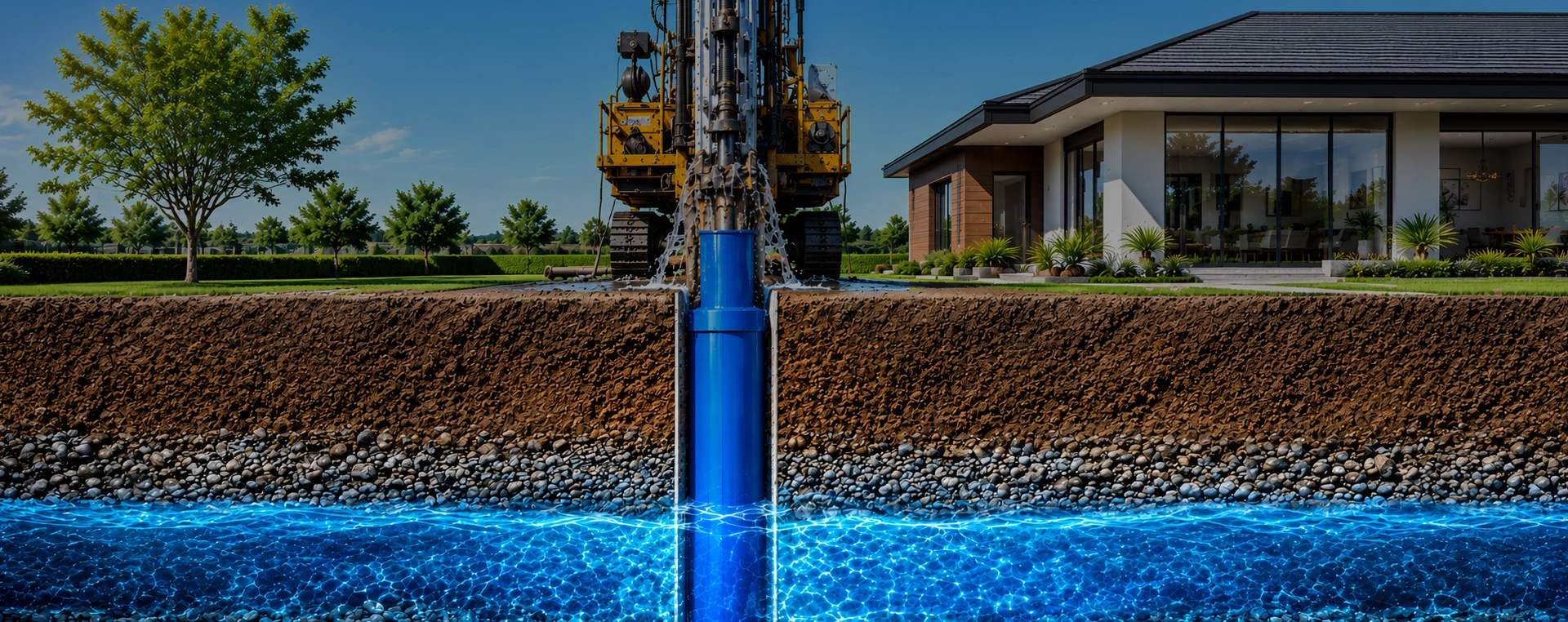
Ensuring borewell stability, durability, and reliable water extraction.
- - 14/07/2026
