

5 minutes read
A home’s plumbing system is often hidden behind walls and beneath floors - but its performance determines everything from water pressure to long-term maintenance costs. Choosing between a PVC pipe and an HDPE pipe isn’t just a technical decision; it’s a strategic one that impacts durability, installation ease, and lifecycle value.
With increasing demand for efficient and low-maintenance infrastructure, homeowners and builders are now comparing materials more carefully than ever. So, which pipe truly delivers on pressure handling, cost-effectiveness, and longevity?
Let’s break it down.
What is a PVC Pipe?
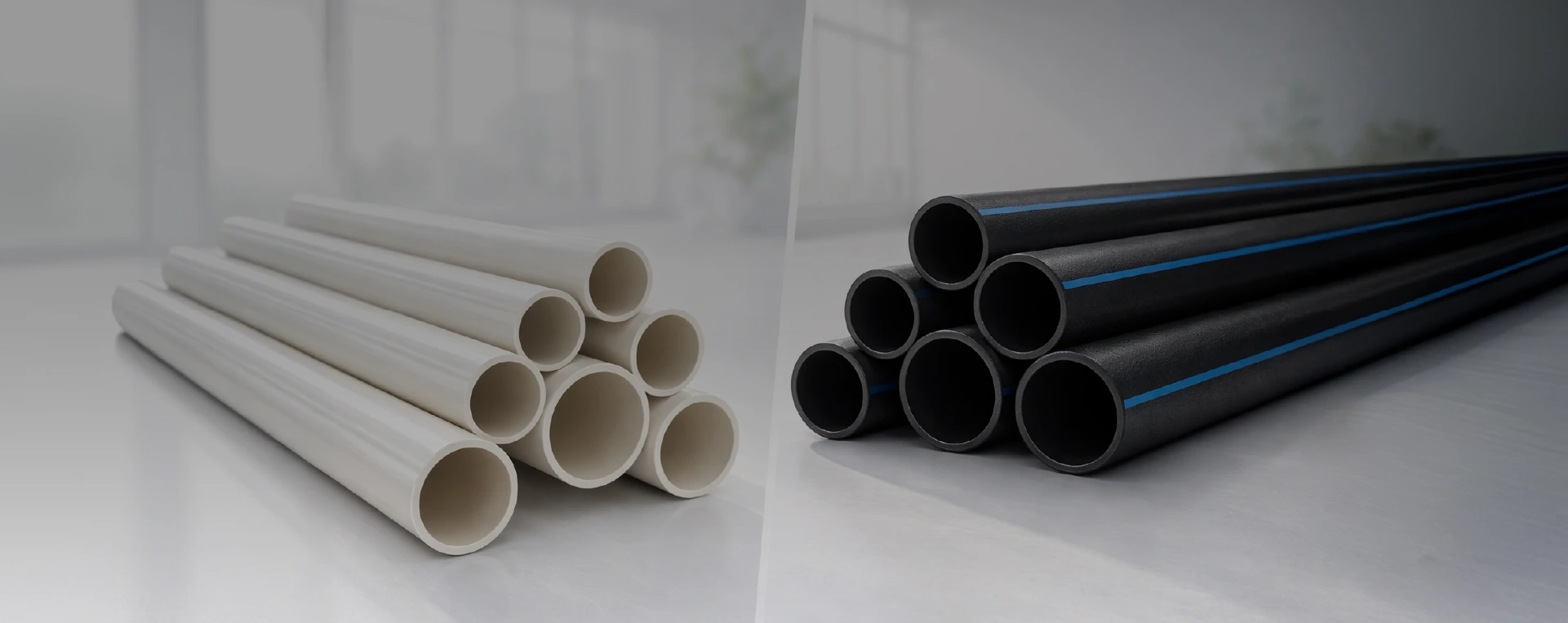
PVC (Polyvinyl Chloride) pipes are rigid plastic pipes commonly used in residential plumbing, especially for drainage and water supply lines.
Key characteristics:
PVC pipes are widely used in internal plumbing systems where pressure demands are moderate, and installation conditions are controlled.
What is an HDPE Pipe?
HDPE (High-Density Polyethylene) pipes are flexible, durable pipes known for their strength under stress and adaptability in challenging environments.
Key characteristics:
HDPE pipes are often preferred for underground installations and areas prone to soil movement or temperature fluctuations.
1. Pressure Handling Capacity
When it comes to pressure resistance, the difference is significant.
Verdict: For high-pressure or underground systems, HDPE pipe is the better choice. For standard household plumbing, PVC pipe performs reliably.
2. Installation and Flexibility
Installation conditions can greatly influence your choice.
Verdict: If your project involves complex layouts or underground work, HDPE offers a clear advantage.
3. Cost Considerations
Budget plays a crucial role in material selection.
Verdict: For short-term savings, PVC pipe is more economical. For long-term value, HDPE pipe can be more cost-effective.
4. Durability and Longevity
Budget plays a crucial role in material selection.
Verdict: For short-term savings, PVC pipe is more economical. For long-term value, HDPE pipe can be more cost-effective.
5. Leakage and Joint Integrity
Leaks are one of the most common plumbing concerns.
Verdict: HDPE offers superior leak prevention due to its jointing technology.
When choosing between materials, quality engineering and manufacturing standards are just as important as the material itself. BirlaNu focuses on delivering advanced HDPE piping solutions designed for long-term reliability and performance.
This focused expertise allows homeowners and builders to rely on solutions that prioritise durability, adaptability, and lifecycle value - especially in demanding infrastructure conditions.
Choose PVC Pipe If:
• You’re working on indoor plumbing
• Budget is a primary concern
• The system involves low to moderate pressure
• Straightforward installation is required
Choose HDPE Pipe If:
• The installation is underground
• High pressure or fluctuating loads are expected
• You need flexibility in routing
• Long-term durability is a priority
Common Mistakes to Avoid
• Ignoring pressure requirements: Using PVC in high-pressure systems can lead to premature failure
• Overlooking soil conditions: Rigid pipes may crack in shifting soil
• Focusing only on upfront costs: Long-term maintenance can outweigh initial savings
• Poor installation practices: Even the best material fails with improper fitting
Which is better for my home plumbing - PVC pipe or HDPE pipe?
For most indoor residential plumbing, PVC pipe is a cost-effective and reliable choice. However, for underground or high-pressure applications, HDPE pipe performs better due to its flexibility and strength.
If I want pipes that last longer with fewer leaks, should I choose HDPE?
Yes, HDPE pipe is known for its long lifespan and leak-resistant joints. Its flexibility helps prevent cracks, making it a strong choice for long-term, low-maintenance plumbing systems.
What is the main difference between PVC pipe and HDPE pipe?
The primary difference lies in their structure and application. PVC pipe is rigid and commonly used for low to moderate pressure systems, while HDPE pipe is flexible and better suited for high-pressure and underground environments.
Are PVC pipes suitable for high-pressure applications?
PVC pipes can handle standard residential water pressure but are not typically recommended for high-pressure systems. In such cases, HDPE pipes are generally a more suitable option.
Which pipe is more cost-effective: PVC or HDPE?
PVC pipes are usually more affordable upfront, making them ideal for budget-conscious projects. HDPE pipes, while slightly higher in initial cost, can offer better long-term value due to their durability and reduced maintenance needs.
The latest
Avoid common wall construction mistakes with smarter building solutions. Learn when to use fibre cement boards and ensure durable, high-quality finishes.
23/07/2026
9 minutes read
The essential waterproofing solutions for lasting protection.
23/07/2026
7 minutes read
A fast solution for active leaks and seepage under pressure.
14/07/2026
7 minutes read
Avoid common wall construction mistakes with smarter building solutions. Learn when to use fibre cement boards and ensure durable, high-quality finishes.
- - 23/07/2026
The essential waterproofing solutions for lasting protection.
- - 23/07/2026
A fast solution for active leaks and seepage under pressure.
- - 14/07/2026
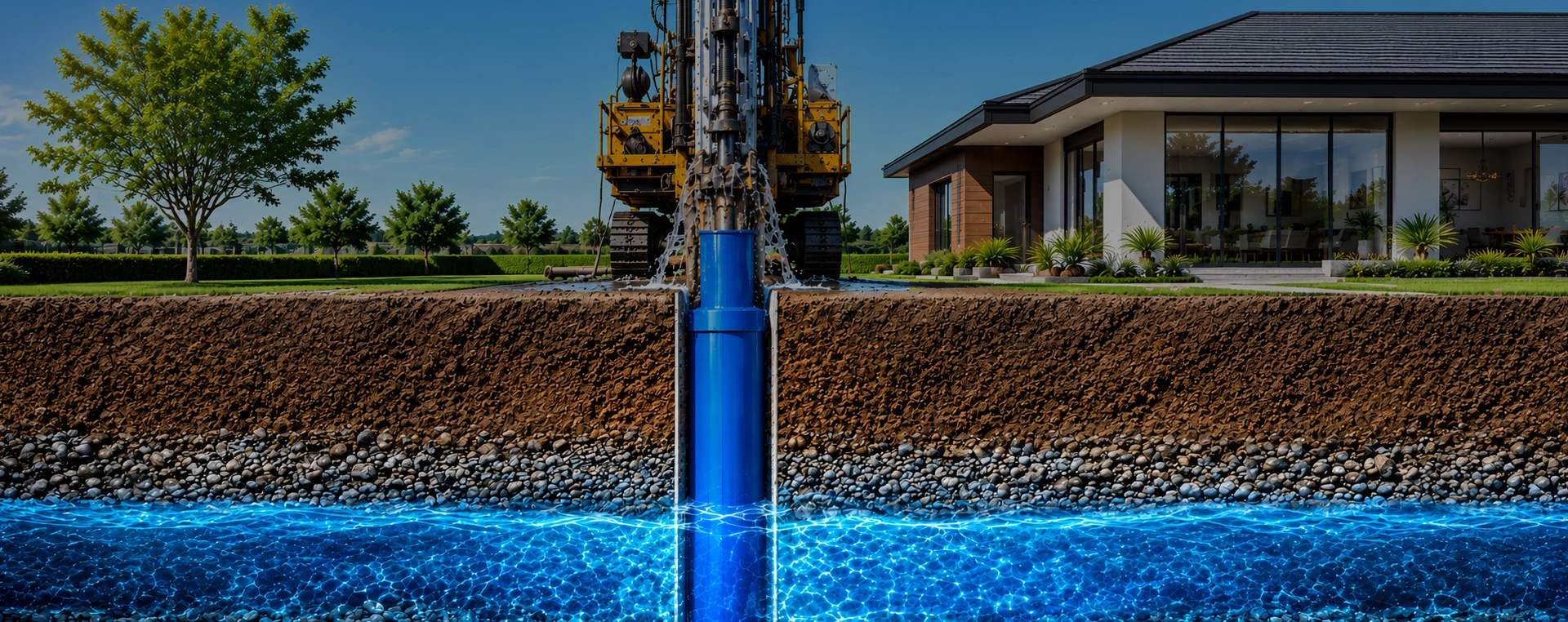
Ensuring borewell stability, durability, and reliable water extraction.
- - 14/07/2026
