

6 minutes read
Infrastructure systems are designed to support communities, industries, and economies for decades. Whether it is a city’s water supply network, an agricultural irrigation system, or an industrial drainage setup, the quality of the piping system directly impacts long-term performance and reliability.
For years, traditional piping materials such as metal and concrete were widely used across infrastructure projects. However, challenges such as corrosion, leakage, heavy maintenance requirements, and shorter operational life have pushed industries to look for better alternatives.
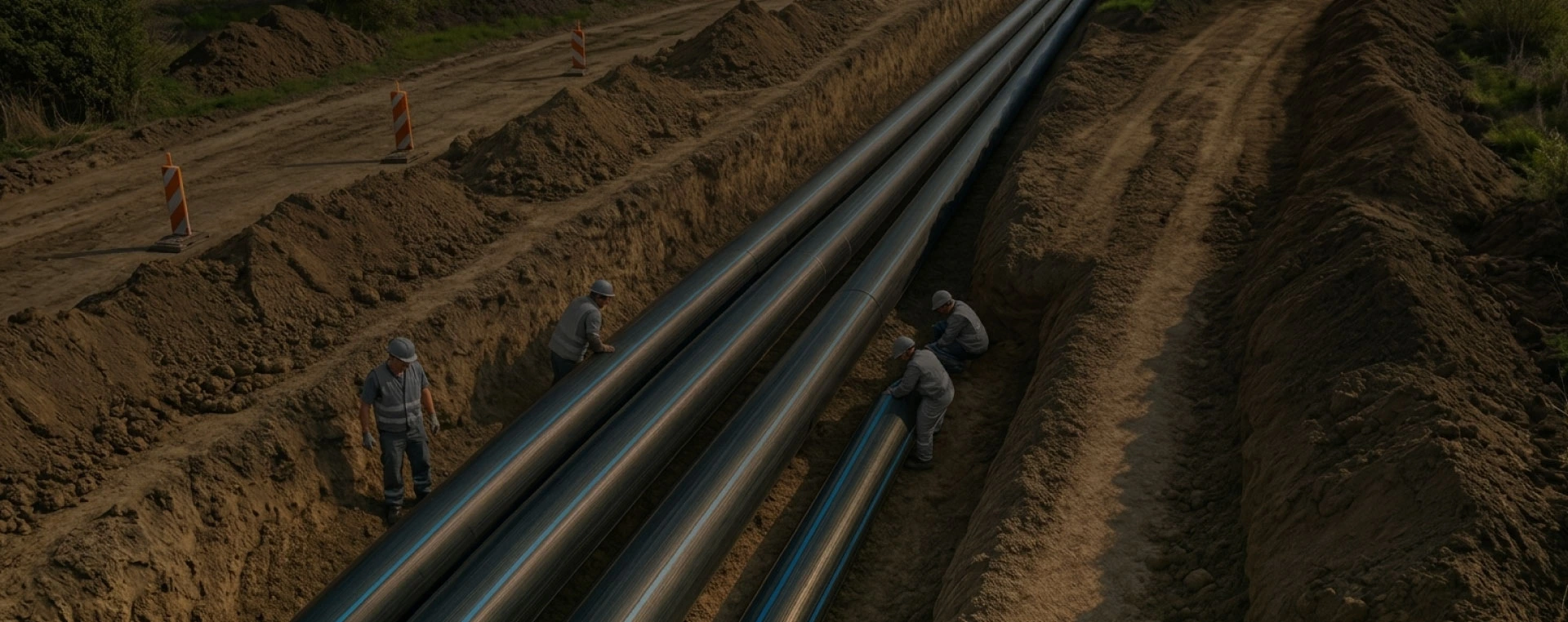
This is where HDPE pipe systems are gaining significant attention. Known for their strength, flexibility, and resistance to environmental stress, HDPE pipes are becoming the preferred solution for modern infrastructure applications. Their ability to deliver long-term reliability while reducing maintenance and installation costs makes them an ideal choice for a wide range of projects.
HDPE (High-Density Polyethylene) pipes are thermoplastic pipes manufactured using high-strength polyethylene material. These pipes are widely used for transporting water, chemicals, sewage, slurry, and industrial fluids because of their excellent durability and flexibility.
Unlike conventional piping materials, HDPE pipes combine lightweight construction with high impact resistance, making them suitable for both above ground and underground applications.
Their versatility has made them increasingly popular across industries such as construction, agriculture, mining, telecommunications, and municipal infrastructure.
One of the major reasons behind the growing demand for HDPE pipes is their durability. Infrastructure systems are often exposed to harsh environmental conditions, moisture, chemicals, and varying temperatures.
Traditional metal pipes can corrode over time, leading to leaks, reduced efficiency, and costly repairs. HDPE pipes, however, are highly resistant to:
This corrosion resistance significantly extends the operational life of the pipeline, making HDPE pipes a dependable long-term investment.
Underground infrastructure projects often face issues caused by soil movement, pressure fluctuations, and ground settlement. Rigid piping systems may crack or fail under these conditions.
HDPE pipes are highly flexible, allowing them to absorb movement and external stress more effectively. This flexibility helps reduce the risk of structural damage while improving overall system reliability.
Their adaptable nature also simplifies installation in challenging terrains and congested urban environments where traditional rigid pipes may be difficult to install.
Water leakage is one of the biggest concerns in infrastructure systems, particularly in water distribution networks. Even small leaks can result in major water loss and increased operational costs over time.
HDPE pipes use fusion welding technology to create seamless and leak-proof joints. Unlike conventional mechanical joints, these welded connections are extremely strong and minimise the chances of leakage.
This makes HDPE pipes highly effective for:
Improved leak resistance also supports water conservation efforts and enhances the efficiency of infrastructure networks.
Modern infrastructure systems often require piping solutions capable of handling high-pressure operations. HDPE pipes are designed with strong tensile properties that allow them to withstand demanding conditions without compromising performance.
They are commonly used in:
Their ability to perform under pressure while maintaining structural integrity makes them a reliable choice for critical infrastructure applications.
Maintenance costs are a major factor in infrastructure planning. Frequent repairs and replacements can increase operational expenses significantly over time.
HDPE pipes require minimal maintenance because they are resistant to corrosion, scaling, and chemical degradation. In many cases, properly installed HDPE piping systems can last for more than 50 years.
This long lifespan reduces replacement frequency and lowers overall lifecycle costs, making HDPE pipes both economically and operationally efficient.
Construction timelines are crucial for infrastructure development projects. HDPE pipes are lightweight compared to metal or concrete alternatives, making them easier to transport and handle during installation.
Their lightweight nature offers several practical advantages:
Additionally, HDPE pipes are available in long coil lengths, reducing the number of joints required and speeding up project completion.
The versatility of HDPE pipes makes them suitable for a wide range of infrastructure projects.
Selecting the right HDPE pipe is essential for ensuring long-term performance. Some important factors include:
Choosing high-quality HDPE pipes from trusted manufacturers helps ensure durability, safety, and efficient performance throughout the lifecycle of the project.
The performance of an HDPE piping system depends not only on the material itself but also on manufacturing quality, joint reliability, and compliance with industry standards. This is why infrastructure developers increasingly prefer solutions that offer long-term durability along with certified performance.
BirlaNu HDPE Pipes & Fittings are designed for modern water distribution, irrigation, sewage, and industrial applications. Manufactured using advanced production techniques, these pipes are available in PE 63, PE 80, and PE 100 grades with pressure ratings ranging from PN 2.5 to PN 20. Their fusion-bonded joints, corrosion resistance, and high flexibility make them suitable for demanding infrastructure environments.
For broader infrastructure and plumbing requirements, BirlaNu Pipes & Fittings Solutions offer a wide range of leak-proof piping systems designed for residential, commercial, agricultural, and industrial applications.
Which is better for underground water supply: HDPE or PVC pipe?
HDPE pipes are generally preferred for underground water systems because they offer better flexibility, leak resistance, and durability under soil movement and pressure variations.
Why are HDPE pipes used in infrastructure projects?
HDPE pipes are widely used because they are corrosion-resistant, lightweight, leak-proof, and capable of handling high-pressure applications with minimal maintenance.
How long do HDPE pipes typically last?
Properly installed HDPE piping systems can last more than 50 years, making them a cost-effective long-term solution for infrastructure networks.
Are HDPE pipes suitable for high-pressure applications?
Yes, HDPE pipes are designed to withstand high-pressure conditions, making them suitable for water distribution, industrial transport, and fire protection systems.
Protect metal surfaces from rust, corrosion, and long-term environmental damage.
-i - 26/05/2026
Build a stronger and smoother wall surface with the right base preparation.
- - 26/05/2026
Durable construction solutions for modern building needs.
- - 26/05/2026
How exterior primer improves paint durability and protection.
- - 26/05/2026
