

5 minutes read
Modern construction increasingly demands materials that combine durability, efficiency, and long-term performance. As building technologies continue to evolve, developers and architects are shifting towards advanced solutions that improve construction speed while maintaining structural reliability.
One such material gaining widespread popularity is the cement board. Known for its strength, moisture resistance, and versatility, cement boards are now commonly used across residential, commercial, and industrial projects.
Unlike many traditional construction materials, cement boards offer better resistance to moisture, fire, and environmental wear. Their lightweight structure and durable composition make them ideal for modern wall systems, partitions, and ceiling applications.
As the demand for sustainable and efficient building materials grows, cement boards continue to emerge as a practical solution for contemporary construction needs.
Cement boards are durable building panels manufactured using cement reinforced with fibres and strengthening materials to improve structural performance.
These boards are designed to offer:
Because of these properties, cement boards are widely used as an alternative to conventional wood-based and gypsum construction materials.
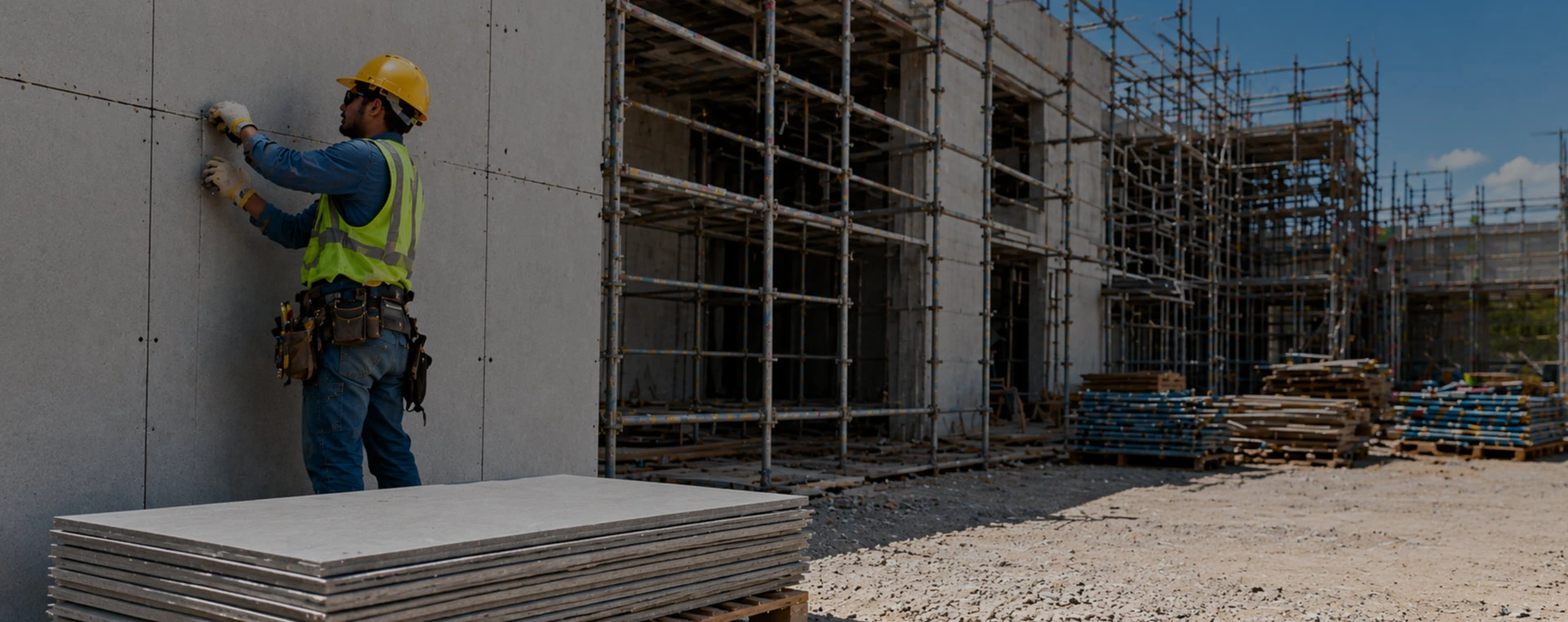
Wall Cladding Systems: Cement boards are extensively used for both interior and exterior wall cladding applications. Their durable and weather-resistant surface makes them suitable for modern building facades and decorative wall systems.
They help improve:
Their smooth surface also supports paint, laminates, and textured finishes effectively.
Partition Walls: Lightweight partition systems are one of the most common applications of cement boards in modern construction.
Compared to traditional brick walls, cement board partitions:
They are widely used in offices, hospitals, educational institutions, retail spaces, and prefabricated structures.
False Ceiling Applications: Modern false ceiling systems increasingly use cement boards because of their strength and fire-resistant properties.
These boards are suitable for:
Their dimensional stability helps maintain ceiling durability without sagging or warping over time.
Excellent Moisture Resistance: Moisture exposure can significantly damage conventional construction materials over time. Cement boards resist water absorption effectively, making them suitable for humid and moisture-prone environments.
This helps:
Their moisture-resistant properties make them ideal for kitchens, bathrooms, and exterior wall systems.
Fire-Resistant Properties :Fire safety has become increasingly important in modern infrastructure projects. Cement boards are non-combustible and capable of withstanding high temperatures effectively.
This makes them suitable for:
Their fire resistance improves overall building safety and structural reliability.
Resistance to Termites and Environmental Damage:Unlike wood-based materials, cement boards are highly resistant to termites, pests, and environmental wear.
This helps:
Their ability to withstand varying environmental conditions makes them suitable for demanding construction environments.
Modern building projects require materials that combine strength, efficiency, and long-term reliability. This is where BirlaNu Aerocon Boards offer an advanced solution for lightweight and durable construction applications.
BirlaNu Aerocon Boards are manufactured using cement, fly ash, and cellulose fibres through advanced autoclaving technology, helping deliver high structural stability and dimensional accuracy. These boards are widely used in:
Their moisture resistance, fire-resistant properties, thermal insulation, and sound insulation capabilities make them suitable for modern residential and commercial spaces.
For broader lightweight construction requirements, BirlaNu Wall Solutions also include advanced wall panels and building systems designed to improve construction efficiency and long-term performance.
Where are cement boards commonly used in construction?
Cement boards are widely used for partitions, wall cladding, false ceilings, and lightweight construction systems in residential and commercial projects.
Why are cement boards preferred over traditional wall materials?
Cement boards offer better moisture resistance, fire protection, durability, and faster installation compared to many conventional construction materials.
Are cement boards suitable for humid environments?
Yes, cement boards resist moisture effectively, making them suitable for bathrooms, kitchens, and other high-humidity areas.
Can cement boards be used for exterior applications?
Yes, cement boards are commonly used for exterior wall cladding because they withstand weather exposure and environmental stress effectively.
Do cement boards help improve fire safety in buildings?
Yes, cement boards are non-combustible and widely used in fire-rated systems to improve building safety and durability.
Are lightweight cement boards durable for long-term use?
Modern cement boards are designed for high strength and long-term structural stability, making them suitable for demanding construction environments.
The latest
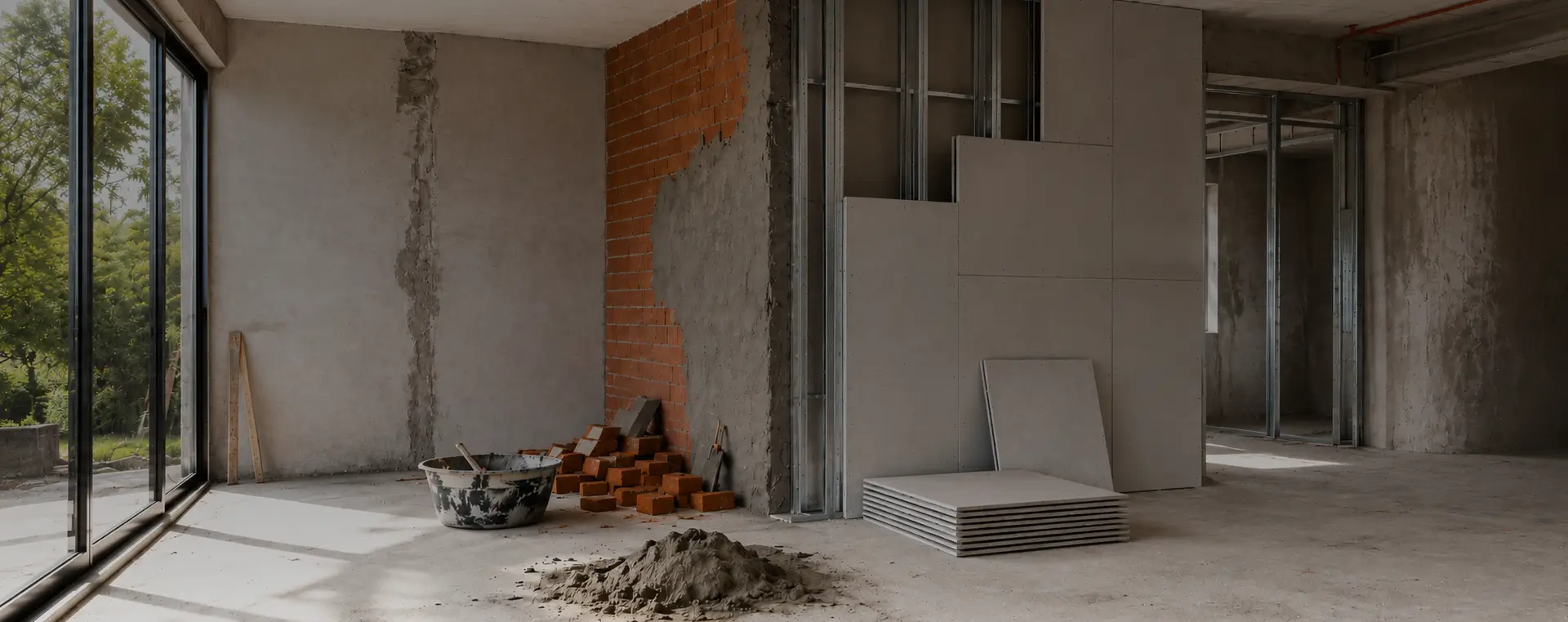
Avoid common wall construction mistakes with smarter building solutions. Learn when to use fibre cement boards and ensure durable, high-quality finishes.
23/07/2026
9 minutes read
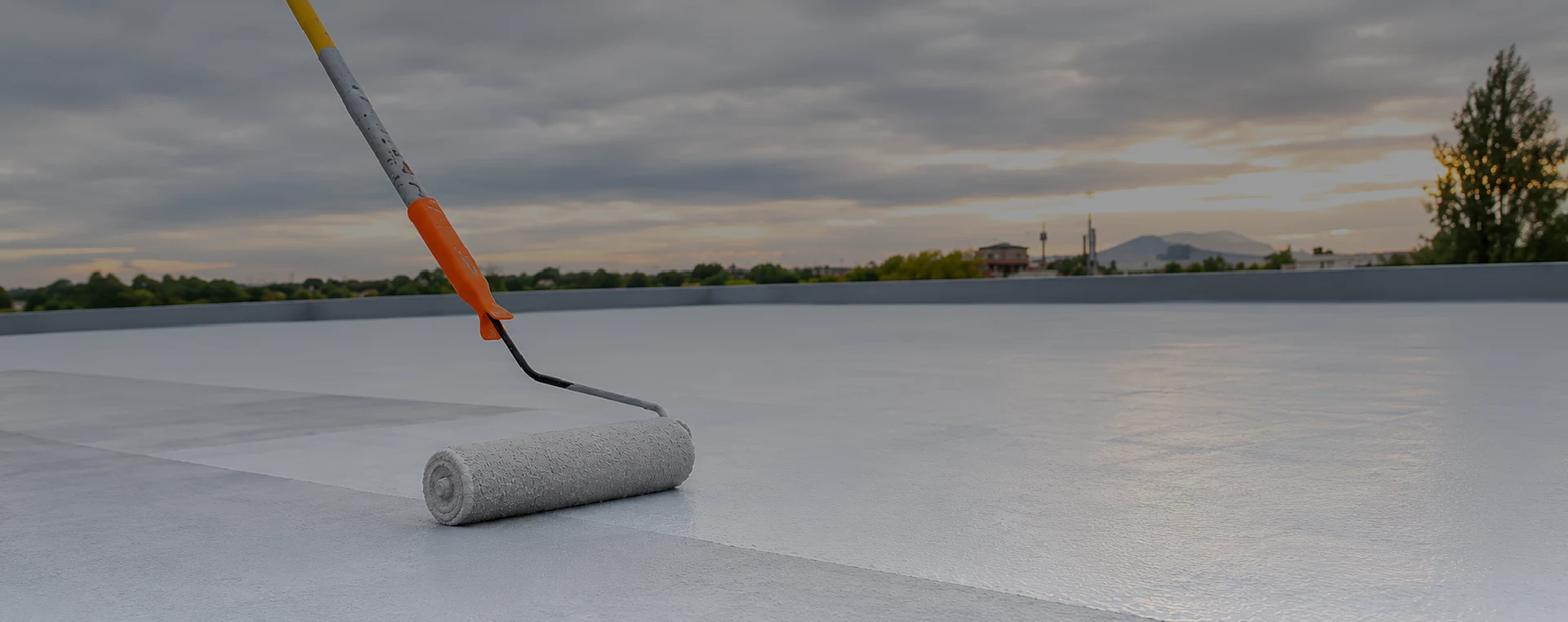
The essential waterproofing solutions for lasting protection.
23/07/2026
7 minutes read
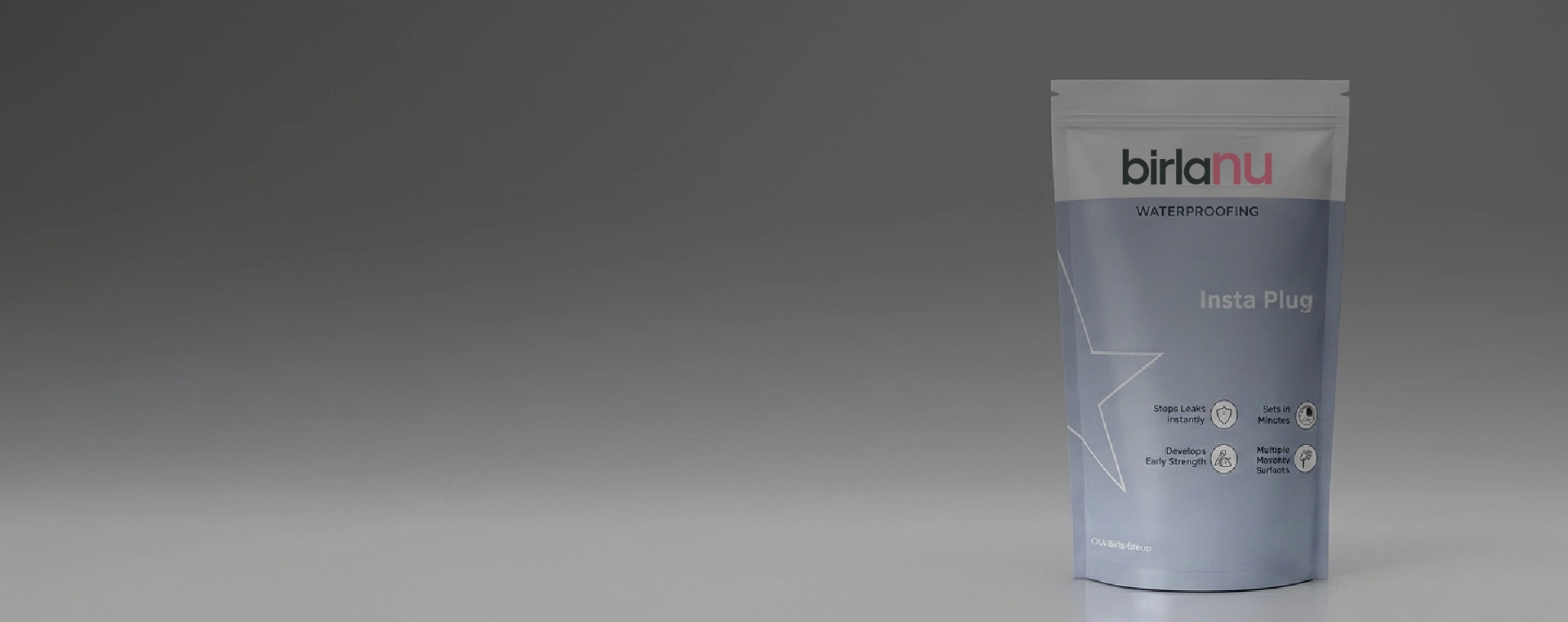
A fast solution for active leaks and seepage under pressure.
14/07/2026
7 minutes read
Avoid common wall construction mistakes with smarter building solutions. Learn when to use fibre cement boards and ensure durable, high-quality finishes.
- - 23/07/2026
The essential waterproofing solutions for lasting protection.
- - 23/07/2026
A fast solution for active leaks and seepage under pressure.
- - 14/07/2026
Ensuring borewell stability, durability, and reliable water extraction.
- - 14/07/2026
