

5 minutes read
A durable and visually appealing paint finish starts long before the final coat of paint is applied. One of the most important steps in achieving smooth and long-lasting walls is proper surface preparation. Without a stable and even base, even high-quality paints may fail to deliver the desired finish and durability.
This is where coarse putty plays an important role in wall preparation. Designed to correct uneven surfaces and fill deeper imperfections, coarse putty acts as the foundational layer that strengthens the wall before the application of fine putty and paint.
Whether in new construction projects or renovation work, coarse putty helps improve surface uniformity, enhances paint adhesion, and reduces the chances of cracks or peeling over time. Its ability to create a strong base makes it an essential component in achieving durable and professional wall finishes.
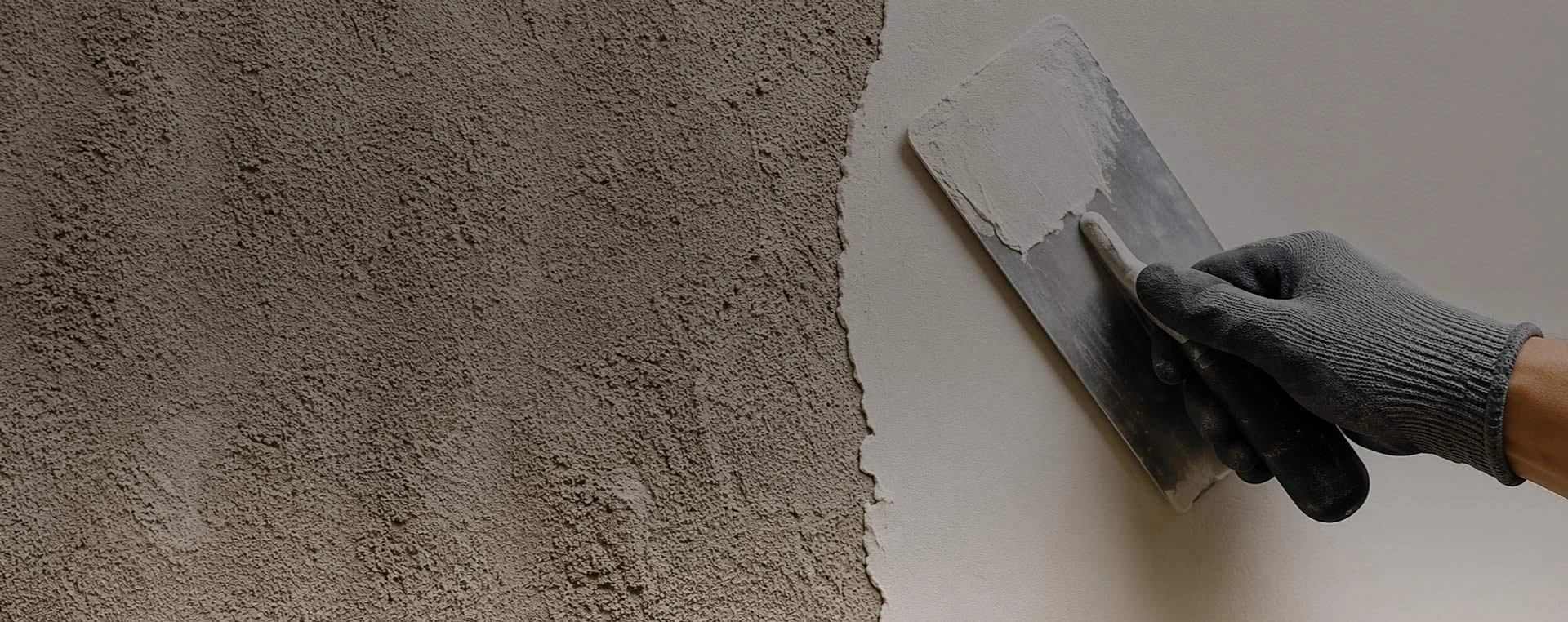
Coarse putty is a base-level wall preparation material used to level rough and uneven wall surfaces before painting.
Unlike fine putty, which is mainly used for achieving a smooth finishing layer, coarse putty is formulated to:
It is commonly applied during the early stages of wall finishing in both residential and commercial construction projects.
Helps Level Uneven Wall Surfaces: Walls often contain dents, rough patches, plaster irregularities, or surface undulations that can affect the final paint finish.
Coarse putty helps fill and level these imperfections effectively, creating a more uniform surface before applying fine putty or paint.
This helps:
Proper surface levelling is especially important in new construction projects.
Improves Paint Adhesion: One of the major benefits of coarse putty is its ability to improve adhesion between the wall surface and subsequent coating layers.
By creating a stronger and more stable base, coarse putty helps:
Better adhesion contributes to a more durable and longer-lasting wall finish.
Ideal for New Construction and Wall Repairs: Newly plastered walls often contain surface unevenness and require correction before painting. Similarly, damaged or cracked walls may need additional levelling and reinforcement.
Coarse putty is widely used in:
Its ability to correct surface irregularities makes it highly useful for walls requiring structural surface improvement.
Reduces the Risk of Cracks and Surface Defects:Poor wall preparation can lead to surface cracks, uneven paint absorption, and premature coating failure over time.
Coarse putty helps strengthen the wall surface and minimise stress points by filling larger imperfections effectively.
This reduces the chances of:
A properly prepared wall surface helps improve both appearance and long-term durability.
Enhances Overall Wall Durability:Wall preparation materials directly influence the lifespan and performance of paint systems. Coarse putty helps improve structural surface stability by creating a durable foundation layer.
This contributes to:
Using coarse putty helps ensure long-lasting wall performance under varying environmental conditions.
Although both materials are used for wall preparation, they serve different purposes.
Coarse Putty
Fine Putty
Using both layers properly helps create a stronger and smoother wall finish.
The quality of wall preparation directly affects the final appearance and durability of paint finishes. Using reliable surface preparation products helps improve adhesion, smoothness, and long-term wall performance.
BirlaNu Coarse Putty is designed to create a strong and level base for interior and exterior wall surfaces before the application of fine putty and paint. Its formulation helps fill larger surface imperfections, improve substrate bonding, and enhance overall surface strength, making it suitable for both new construction and renovation projects.
By improving surface levelling and coating adhesion, BirlaNu Coarse Putty helps reduce the chances of cracks, uneven finishes, and premature paint failure. Choosing the right wall preparation system plays an important role in achieving smoother, more durable, and long-lasting wall finishes.
What is coarse putty used for in wall preparation?
Coarse putty is used to level uneven wall surfaces, fill larger imperfections, and create a strong base before applying fine putty or paint.
When should coarse putty be applied on walls?
Coarse putty is typically applied during new construction, wall repairs, or before repainting surfaces that require levelling and correction.
What is the difference between coarse putty and fine putty?
Coarse putty is used for surface levelling and filling defects, while fine putty is applied later to achieve a smoother finishing layer.
Does coarse putty help prevent wall cracks?
Yes, coarse putty helps reduce surface stress and improves wall stability, which can minimise the chances of cracks and uneven finishes.
Can coarse putty improve paint adhesion?
Yes, coarse putty creates a stronger base layer that helps improve the bonding and durability of paint coatings.
Is coarse putty suitable for damaged walls?
Yes, coarse putty is commonly used for repairing damaged or uneven wall surfaces before applying finishing layers and paint.
The latest
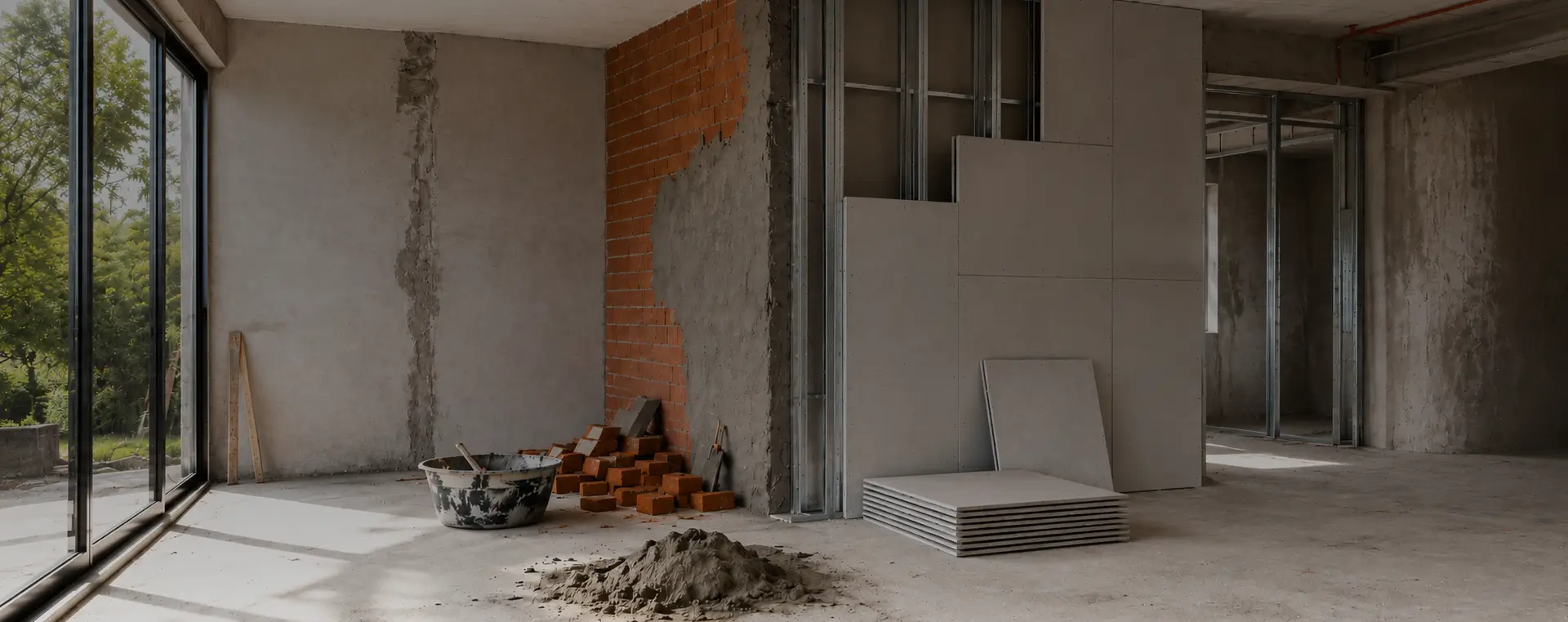
Avoid common wall construction mistakes with smarter building solutions. Learn when to use fibre cement boards and ensure durable, high-quality finishes.
23/07/2026
9 minutes read
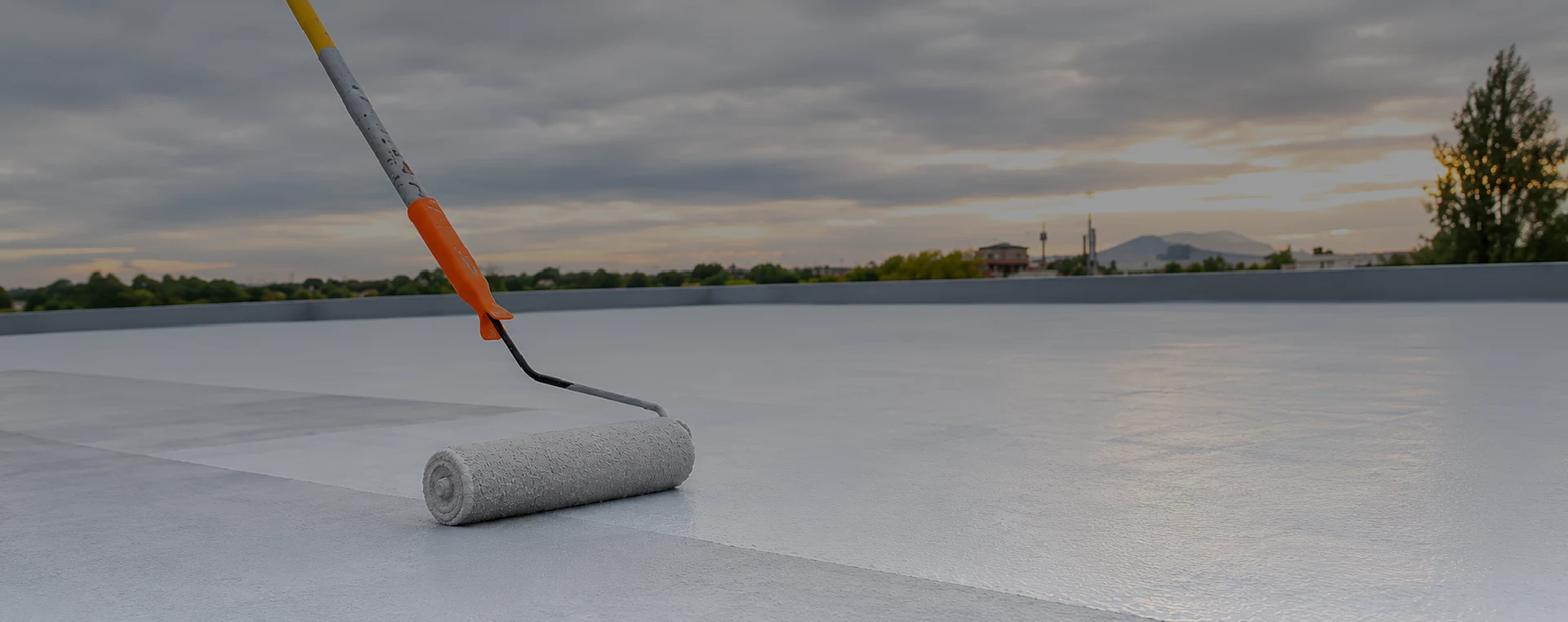
The essential waterproofing solutions for lasting protection.
23/07/2026
7 minutes read
A fast solution for active leaks and seepage under pressure.
14/07/2026
7 minutes read
Avoid common wall construction mistakes with smarter building solutions. Learn when to use fibre cement boards and ensure durable, high-quality finishes.
- - 23/07/2026
The essential waterproofing solutions for lasting protection.
- - 23/07/2026
A fast solution for active leaks and seepage under pressure.
- - 14/07/2026
Ensuring borewell stability, durability, and reliable water extraction.
- - 14/07/2026
