

6 minutes read
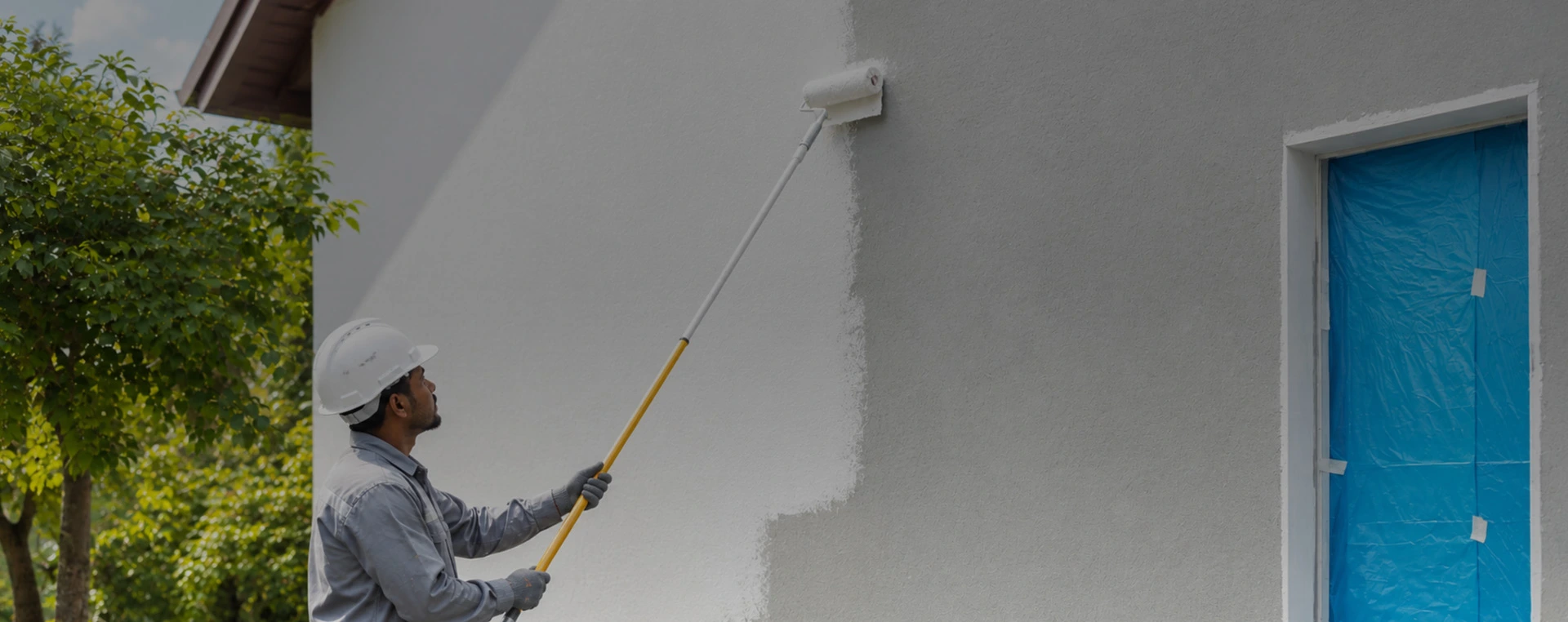
Exterior walls constantly face environmental stress throughout the year. From heavy rainfall and humidity to intense sunlight and fluctuating temperatures, outdoor surfaces are exposed to conditions that can gradually damage paint and weaken wall durability.
While exterior paint provides the visible finish, the foundation beneath it plays an equally important role in long-term performance. This is where exterior primer becomes essential. A quality primer prepares the wall surface, improves paint adhesion, and creates an added layer of protection against moisture and weather-related damage.
Without proper priming, exterior paint may peel, fade, crack, or lose its finish much sooner than expected. Whether for residential homes, commercial buildings, or renovation projects, using the right exterior primer helps ensure better paint durability, improved appearance, and long-lasting surface protection.
Exterior primer is a preparatory coating applied before exterior paint. It acts as a bonding layer between the wall surface and the paint while improving adhesion and surface durability.
Primers are specially designed to:
Different primers are available for surfaces such as concrete, plaster, brick, wood, and previously painted walls.
Improves Paint Adhesion: One of the primary functions of an exterior primer is to help paint adhere more effectively to the wall surface. Exterior walls often have uneven textures or porous areas that can cause paint to absorb inconsistently. Primer creates a uniform base, allowing the paint to spread evenly and bond securely.
Better adhesion helps:
A properly primed surface ensures that exterior paint remains intact even under harsh weather conditions.
Protects Against Moisture Penetration: Moisture is one of the biggest causes of exterior wall damage. Rainwater, humidity, and damp conditions can seep into untreated walls, leading to paint blistering, mould growth, and surface deterioration.
Exterior primers help create a protective barrier that limits moisture absorption and improves water resistance.
This added protection helps:
Moisture-resistant primers are particularly important in regions with high rainfall or humidity levels.
Enhances Resistance to UV Rays and Heat: Constant exposure to sunlight and high temperatures can gradually weaken exterior paint coatings. UV radiation may cause fading, chalking, and discolouration over time.
Exterior primers improve the durability of paint films by strengthening surface bonding and helping coatings withstand prolonged sun exposure.
This helps maintain:
Proper priming is especially important for buildings exposed to direct sunlight for extended periods.
Prevents Cracking and Peeling: Temperature changes cause exterior surfaces to expand and contract repeatedly. Without proper surface preparation, this movement can lead to paint cracking and peeling.
Exterior primer improves coating flexibility and helps paint layers bond more effectively with the wall surface.
As a result, primers help:
This makes primers essential for maintaining exterior wall durability across varying climate conditions.
Improves Overall Paint Finish: Apart from protection, primers also contribute to a smoother and more uniform paint finish.
Walls without primer may absorb paint unevenly, resulting in patchy appearance, visible stains, or inconsistent colour tones.
Primer creates a balanced surface that enhances:
This improves both the aesthetic appearance and performance of exterior coatings.
Reduces Long-Term Maintenance Costs
Frequent repainting and wall repairs can significantly increase maintenance expenses over time.
By improving paint durability and reducing weather-related damage, exterior primers help extend the lifespan of exterior coatings. This lowers the need for repeated touch-ups and repainting.
Over time, using a quality primer can help:
For homeowners and commercial property owners alike, proper priming is a cost-effective long-term investment.
Choosing the Right Exterior Primer Matters
Different surfaces require different types of primers for optimal performance. Selecting the correct primer depends on factors such as:
Using high-quality primer products ensures better bonding, durability, and weather protection for exterior surfaces.
Reliable Surface Protection for Long-Lasting Exterior Finishes
Achieving durable exterior walls requires more than just quality paint. Proper surface preparation and the right primer system are equally important for long-term protection and finish performance.
BirlaNu Building Materials Solutions focuses on delivering high-performance construction and surface solutions designed to improve durability, efficiency, and long-term structural reliability. Using quality preparation materials and compatible coating systems helps create exterior surfaces that can withstand harsh environmental conditions more effectively.
For residential and commercial projects alike, investing in proper priming systems helps improve paint life, reduce maintenance requirements, and maintain better exterior appearance over time.
Why is exterior primer important before painting exterior walls?
Exterior primer improves paint adhesion and creates a protective layer that helps walls resist moisture, sunlight, and weather-related damage more effectively.
Can exterior primer help prevent paint peeling and cracking?
Yes, exterior primer strengthens paint bonding and reduces surface stress, helping minimise peeling, blistering, and cracking over time.
What is the difference between exterior primer and exterior paint?
Primer prepares and seals the surface for better paint adhesion, while exterior paint provides colour, finish, and additional weather protection.
How many coats of exterior primer are usually required?
Most exterior walls typically require one coat of primer, but porous or damaged surfaces may need additional coating for better coverage.
Does exterior primer improve paint durability?
Yes, using primer helps extend paint life by improving adhesion, reducing moisture penetration, and protecting surfaces from environmental exposure.
Can primer be used on old exterior walls before repainting?
Yes, primer is often recommended before repainting older walls because it helps seal repaired areas and improves the performance of the new paint layer.
The latest
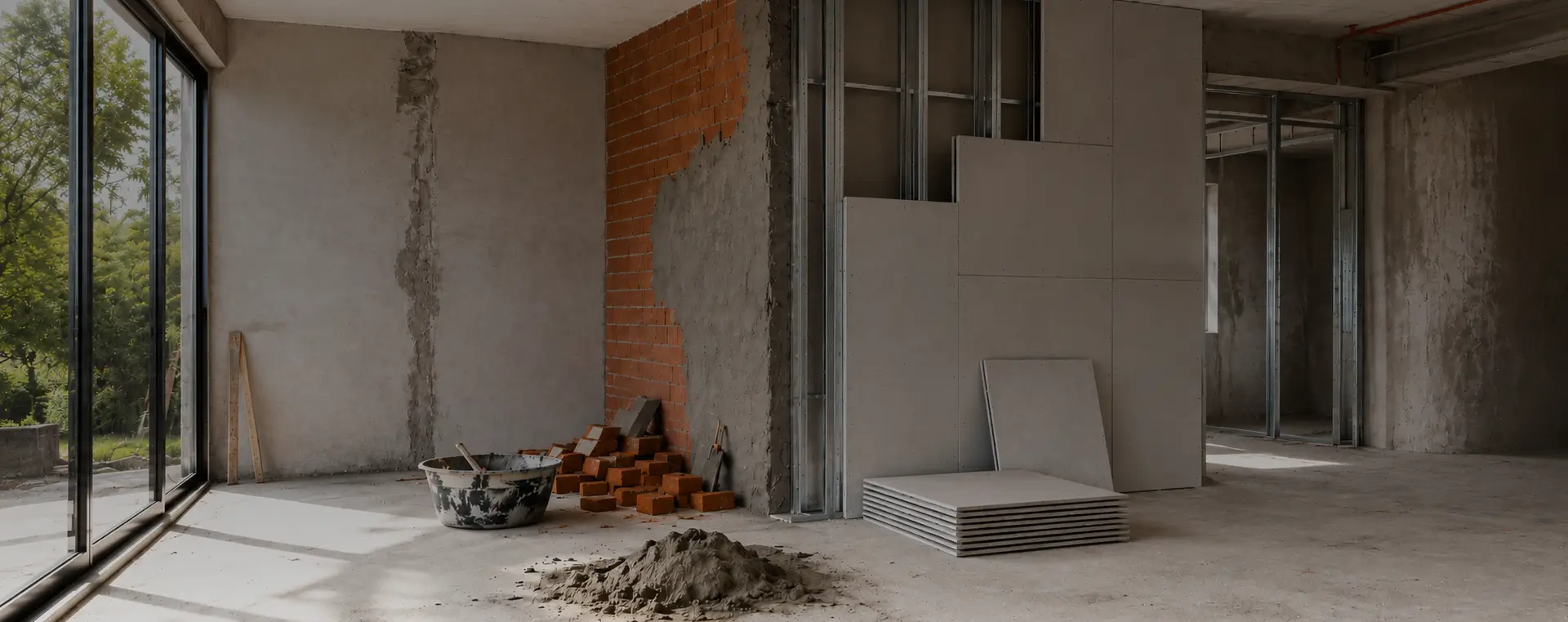
Avoid common wall construction mistakes with smarter building solutions. Learn when to use fibre cement boards and ensure durable, high-quality finishes.
23/07/2026
9 minutes read
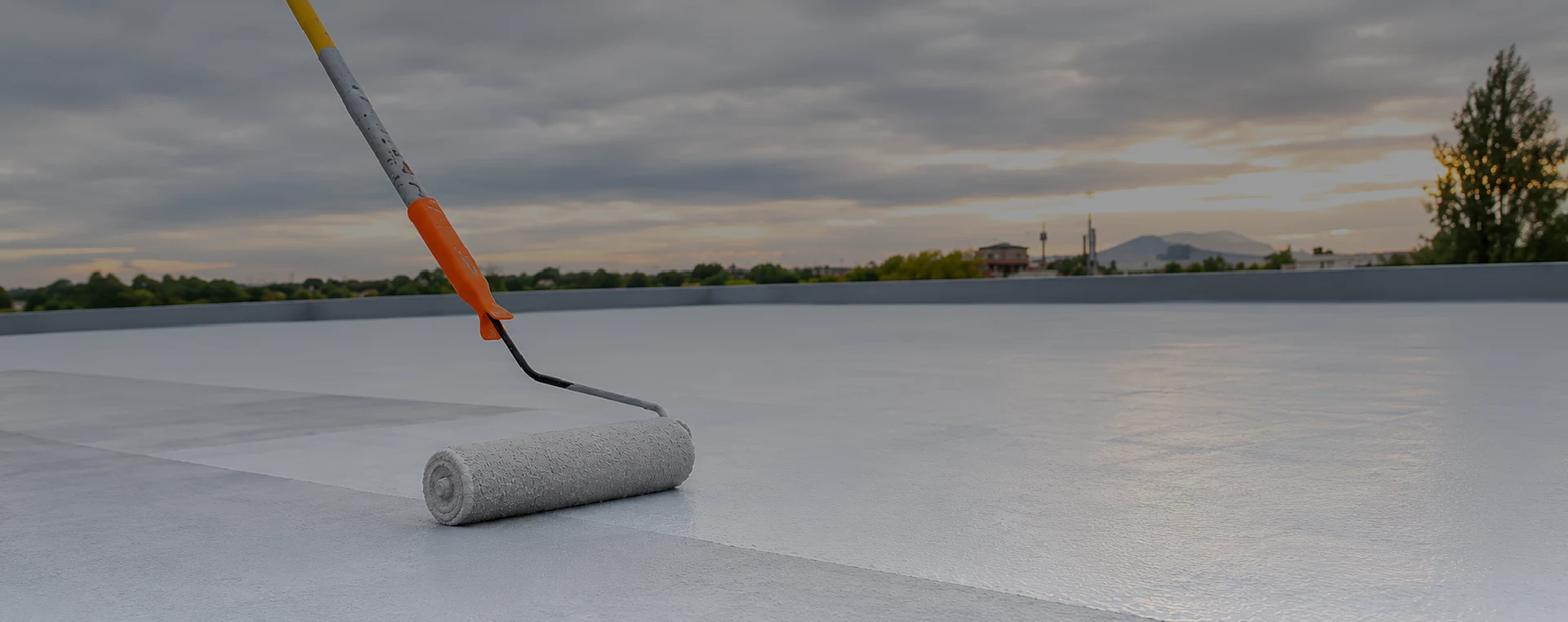
The essential waterproofing solutions for lasting protection.
23/07/2026
7 minutes read
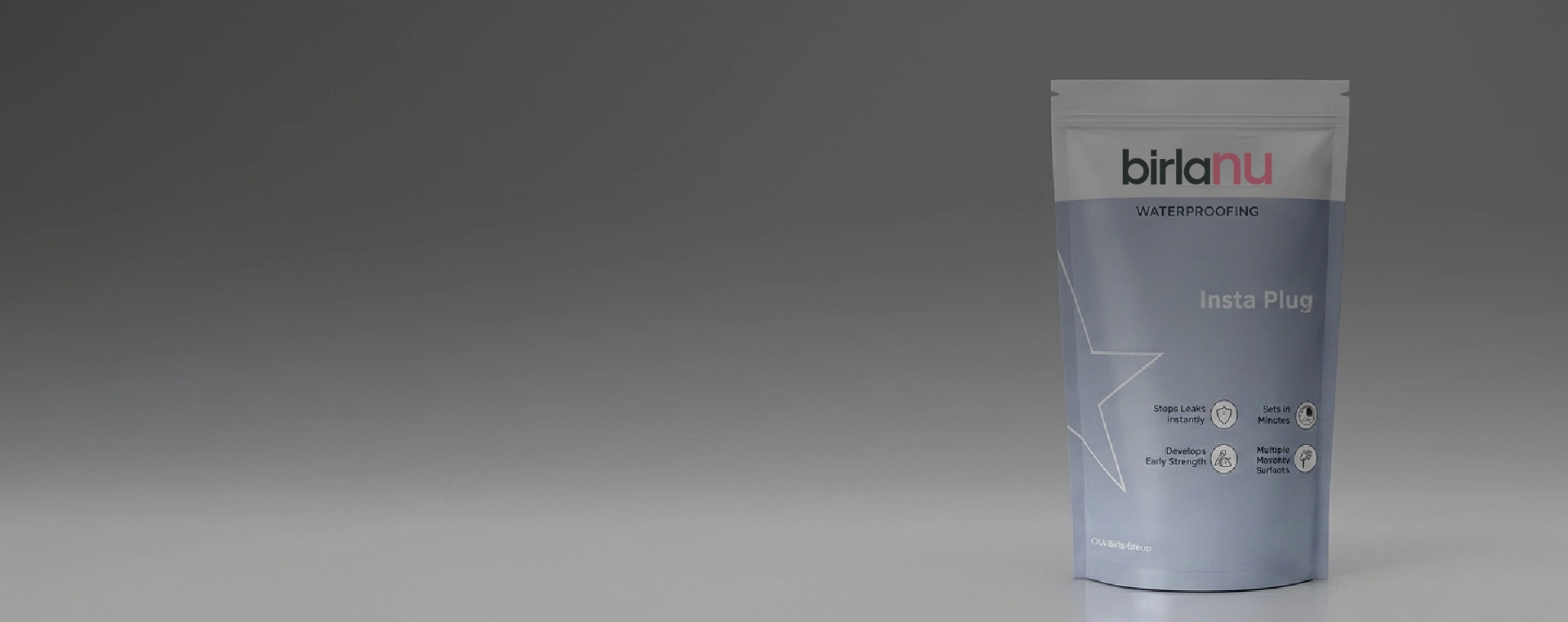
A fast solution for active leaks and seepage under pressure.
14/07/2026
7 minutes read
Avoid common wall construction mistakes with smarter building solutions. Learn when to use fibre cement boards and ensure durable, high-quality finishes.
- - 23/07/2026
The essential waterproofing solutions for lasting protection.
- - 23/07/2026
A fast solution for active leaks and seepage under pressure.
- - 14/07/2026
Ensuring borewell stability, durability, and reliable water extraction.
- - 14/07/2026
