

4 minutes read
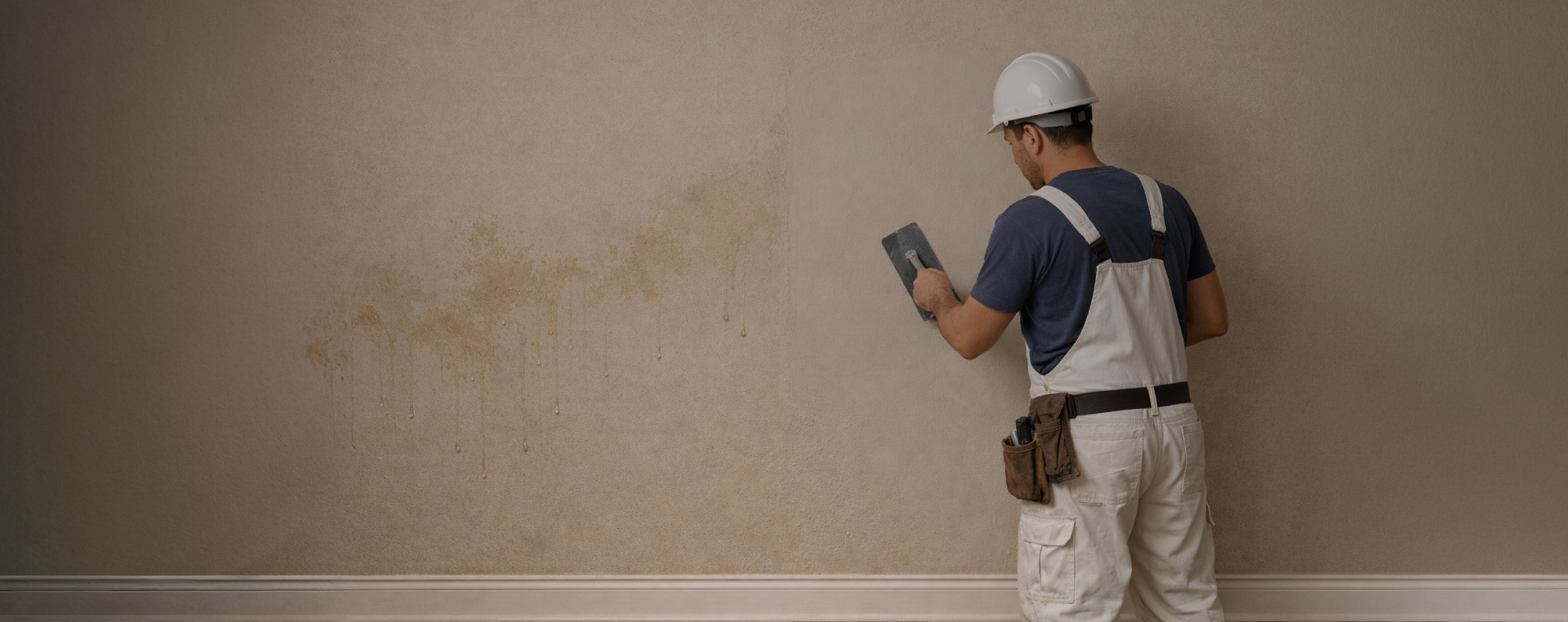
Wall seepage is a common issue in both residential and commercial buildings. It often begins as small damp patches but can gradually lead to peeling paint, stains and deterioration of wall surfaces. If left untreated, continuous moisture penetration can weaken the structure of the wall and create unhealthy indoor conditions.
Seepage usually occurs when water finds pathways through cracks, joints or porous surfaces in a building. Over time, moisture trapped within walls encourages mould growth, damages finishes and reduces the durability of construction materials. Understanding the causes of seepage is the first step towards preventing long-term damage and maintaining the quality of building interiors.
Did you know? Even minor seepage, if ignored for long periods, can spread through masonry and plaster layers, affecting larger sections of a wall and making repairs more extensive and costly.
Below are seven common causes of wall-seepage and the solutions that can help address them effectively.
External walls are constantly exposed to weather conditions such as rain, temperature changes and humidity. Over time, small cracks may develop in the surface, allowing rainwater to seep into the wall structure.
Solution:
Cracks should be sealed using suitable crack-filling compounds followed by a waterproof coating on the exterior surface. This helps prevent water from entering the wall during heavy rainfall.
In many buildings, inadequate waterproofing during construction allows moisture to penetrate walls and roofs. Without proper protective layers, walls remain vulnerable to water infiltration.
Solution:
Applying high-quality waterproofing materials during construction creates a protective barrier against moisture. For existing buildings, waterproof coatings can be applied to exterior walls and terrace surfaces.
Hidden leaks in plumbing pipes within walls are a frequent cause of seepage. Even small leaks can gradually allow water to accumulate inside the wall, leading to damp patches and paint damage.
Solution:
Regular inspection of plumbing systems is essential. Faulty pipes or joints should be repaired or replaced promptly to prevent water leakage inside the wall structure.
Poor drainage around buildings can cause water to collect near foundations and exterior walls. Over time, standing water may seep through the wall surface.
Solution:
Proper drainage design ensures that rainwater flows away from the building. Installing effective drainage pipes and maintaining them regularly reduces the risk of water accumulation near walls.
Certain building materials are naturally porous and can absorb moisture from the surrounding environment. When exposed to prolonged damp conditions, these materials allow water to move through the wall.
Solution:
Applying protective surface treatments and waterproof coatings reduces the porosity of walls and prevents moisture penetration.
Exterior plaster acts as the first protective layer against rainwater. When plaster becomes cracked or damaged, it creates pathways for moisture to enter the wall.
Solution:
Repairing damaged plaster and applying weather-resistant finishes helps restore the protective layer and prevents further seepage.
Water seepage from roofs or terraces can travel through ceilings and walls, eventually appearing as damp patches on interior surfaces.
Solution:
Regular maintenance of roof surfaces and the application of waterproof membranes help prevent water infiltration from above.
Wall seepage can affect both the appearance and durability of buildings if not addressed in time. Damp patches, peeling paint and mould growth are often early indicators that moisture is entering the wall structure.
Identifying the source of seepage and applying the right waterproofing solutions can help prevent further damage. With proper surface treatment, crack repair and regular inspection of plumbing and exterior walls, it is possible to protect buildings from moisture intrusion and extend the life of wall finishes.
How can I stop wall seepage permanently?
Wall seepage can be controlled by sealing cracks, repairing plumbing leaks and applying proper waterproofing solutions.
Can leaking pipes inside walls cause seepage?
Yes, hidden plumbing leaks can allow water to accumulate inside walls and cause dampness and paint damage.
How do I identify the source of wall seepage?
The source can be identified by checking for cracks, plumbing leaks, roof leakage or drainage issues around the building.
The latest
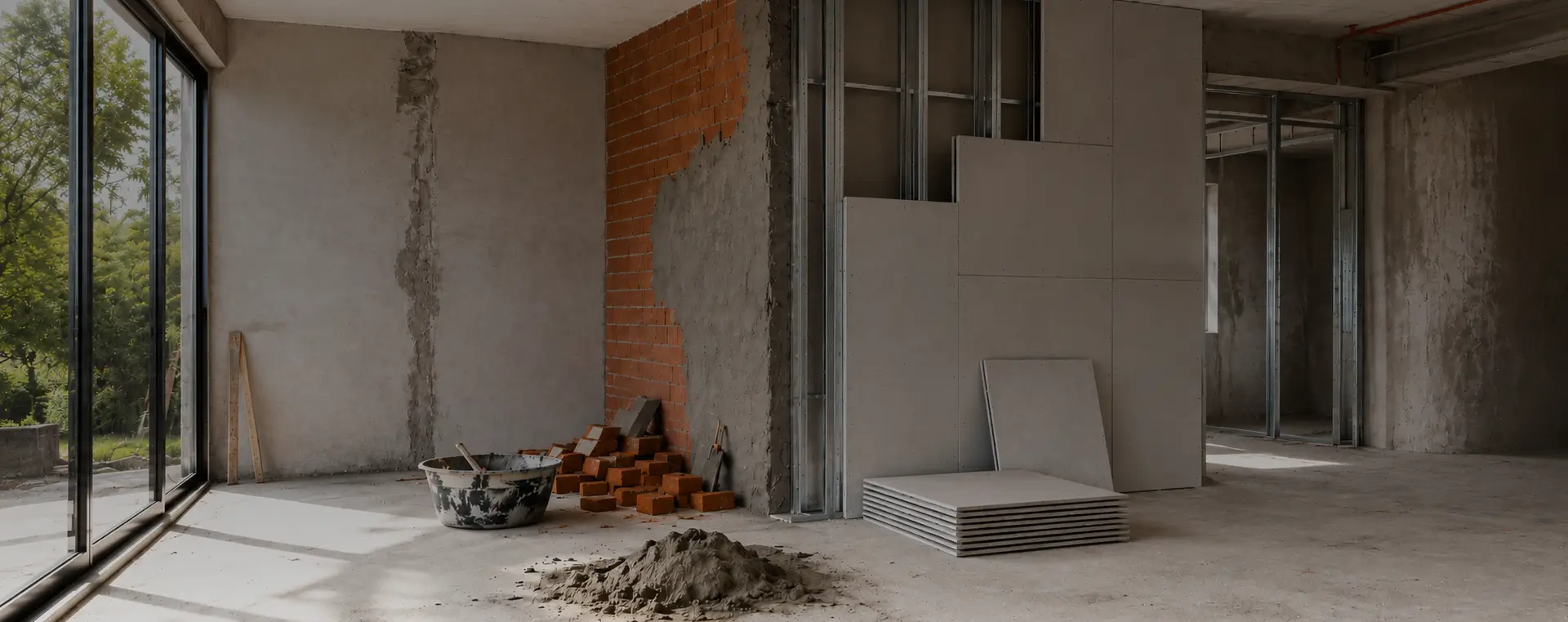
Avoid common wall construction mistakes with smarter building solutions. Learn when to use fibre cement boards and ensure durable, high-quality finishes.
23/07/2026
9 minutes read
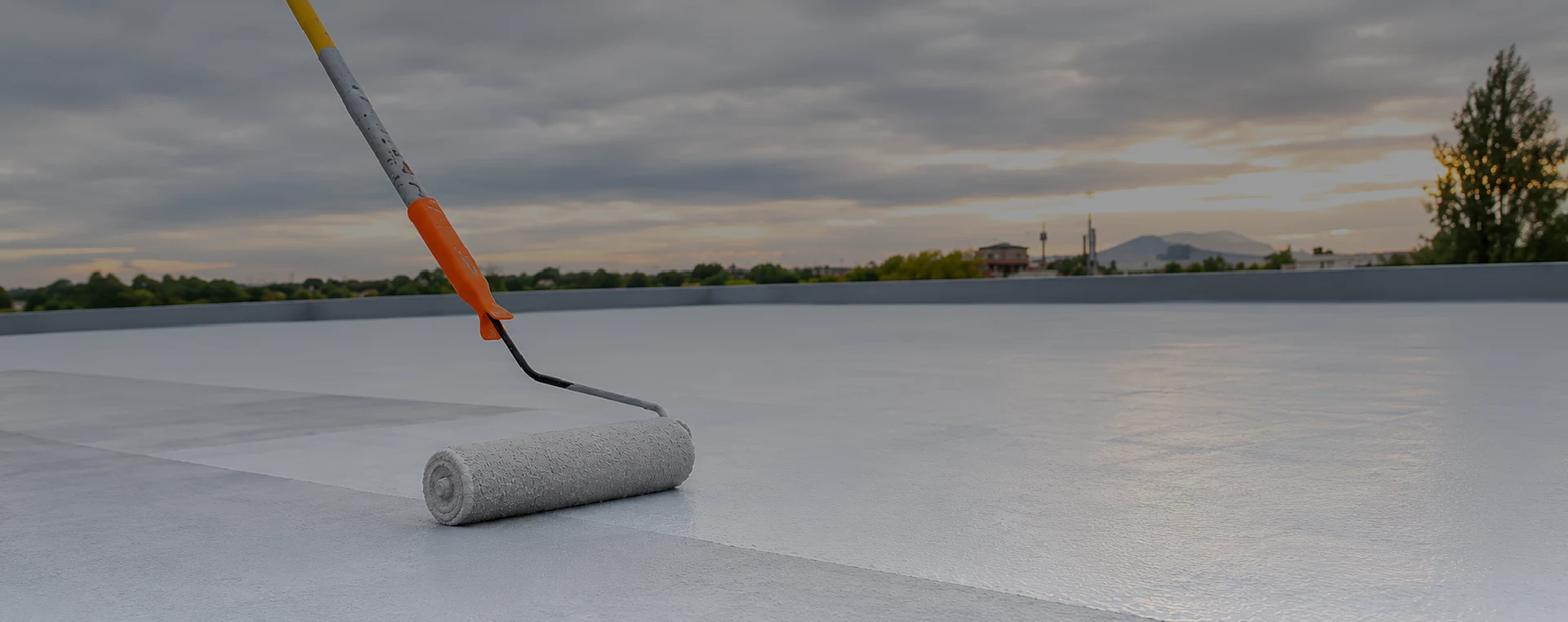
The essential waterproofing solutions for lasting protection.
23/07/2026
7 minutes read
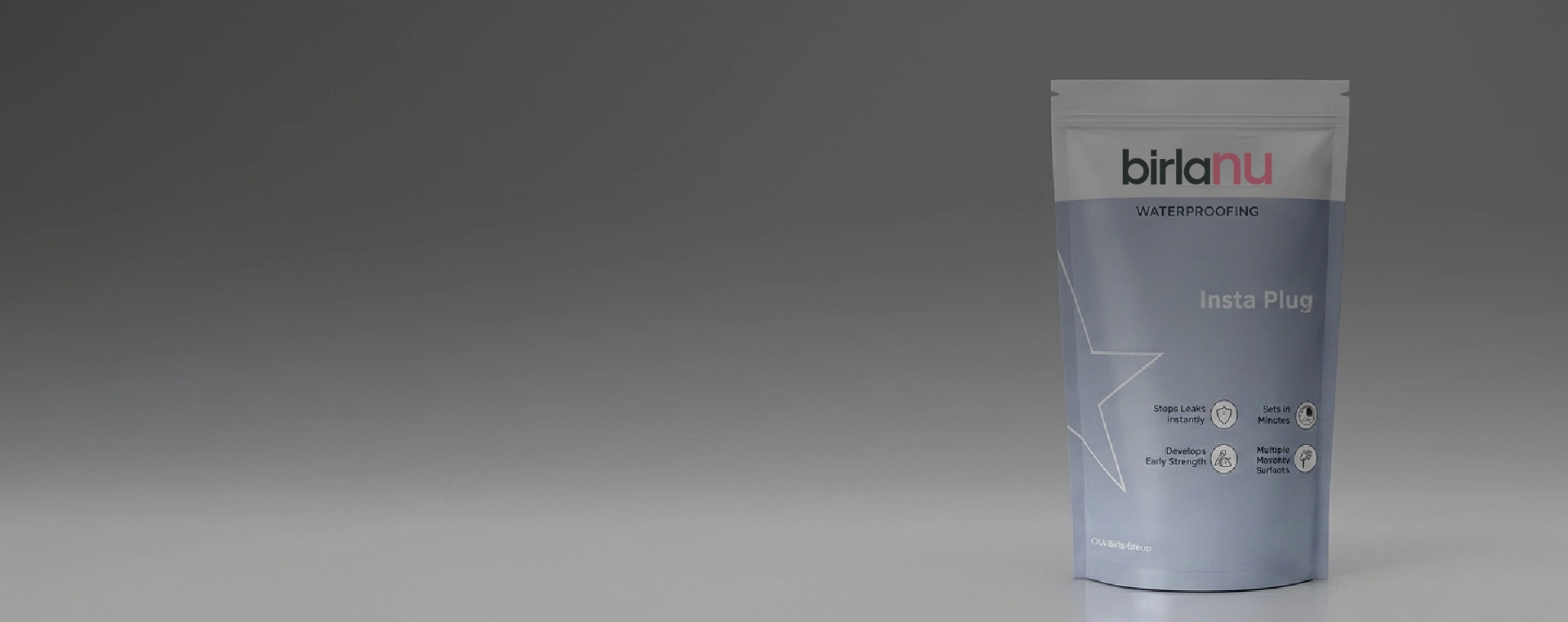
A fast solution for active leaks and seepage under pressure.
14/07/2026
7 minutes read
Avoid common wall construction mistakes with smarter building solutions. Learn when to use fibre cement boards and ensure durable, high-quality finishes.
- - 23/07/2026
The essential waterproofing solutions for lasting protection.
- - 23/07/2026
A fast solution for active leaks and seepage under pressure.
- - 14/07/2026
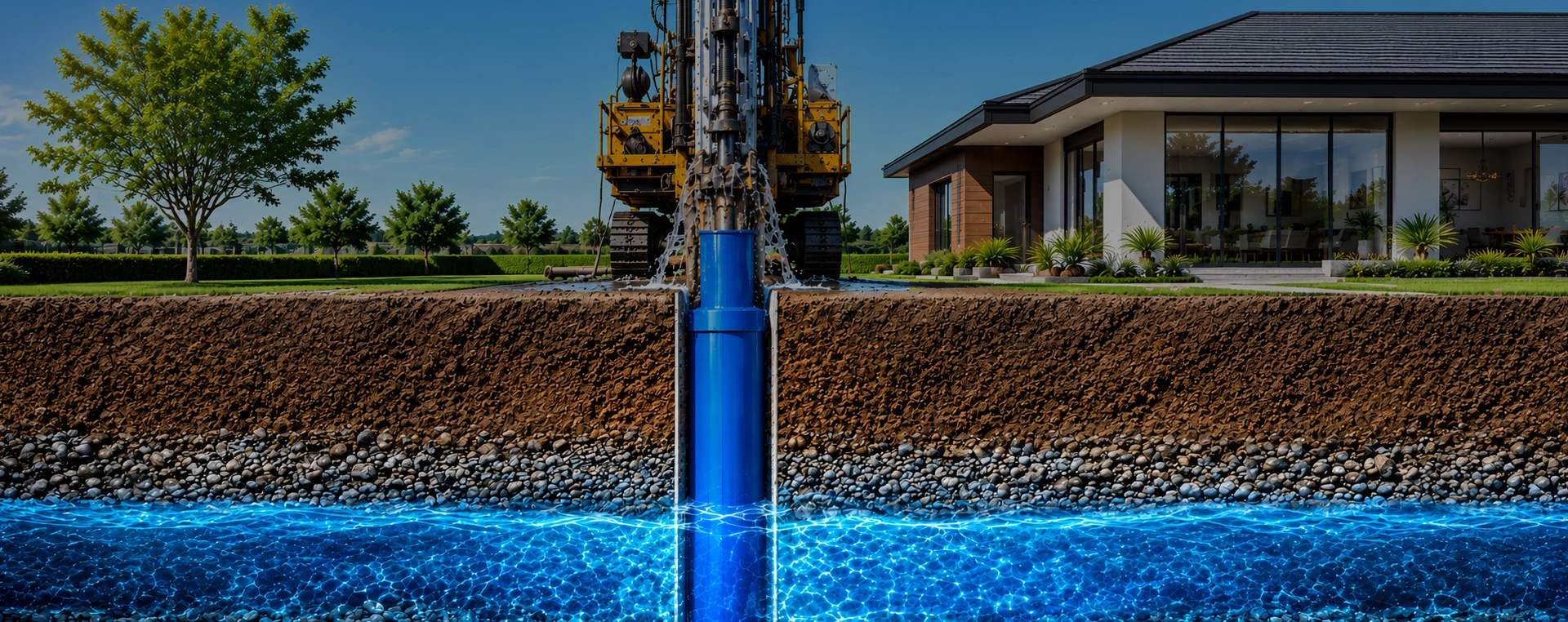
Ensuring borewell stability, durability, and reliable water extraction.
- - 14/07/2026
