Key takeaways
- Waterproofing helps protect your home from seepage, dampness and structural damage.
- Different areas of a home require different waterproofing solutions based on their exposure to water.
- Early signs of water ingress should be addressed before they develop into costly repairs.
- Promptly sealing active leaks can minimise water damage and reduce repair time.
- Choosing quality waterproofing products and following the correct application methods ensures long-lasting protection.
Water damage is one of the most common yet overlooked causes of structural deterioration in homes. Whether it is damp walls during the monsoon, seepage in the basement or leaks from bathrooms and terraces, moisture can gradually weaken the building, affect indoor air quality and increase maintenance costs. The right waterproofing solutions help protect your home from these issues while improving its durability and long-term performance.
Why waterproofing is essential for every home
A home is constantly exposed to moisture, whether from rainfall, groundwater, plumbing systems or everyday water usage.
Without proper waterproofing, water can penetrate concrete, masonry and joints, leading to visible and hidden damage over time.
Common problems caused by inadequate waterproofing include:
- Damp walls and ceilings
- Peeling paint and plaster
- Cracks in walls
- Efflorescence or white salt deposits
- Mould and mildew growth
- Corrosion of steel reinforcement
- Reduced structural strength
Investing in effective waterproofing solutions during construction or renovation can significantly extend the life of the building while reducing future maintenance expenses.
Areas that require waterproofing
Every part of a home experiences different levels of moisture exposure. Applying the right waterproofing system in the right location is essential for complete protection.
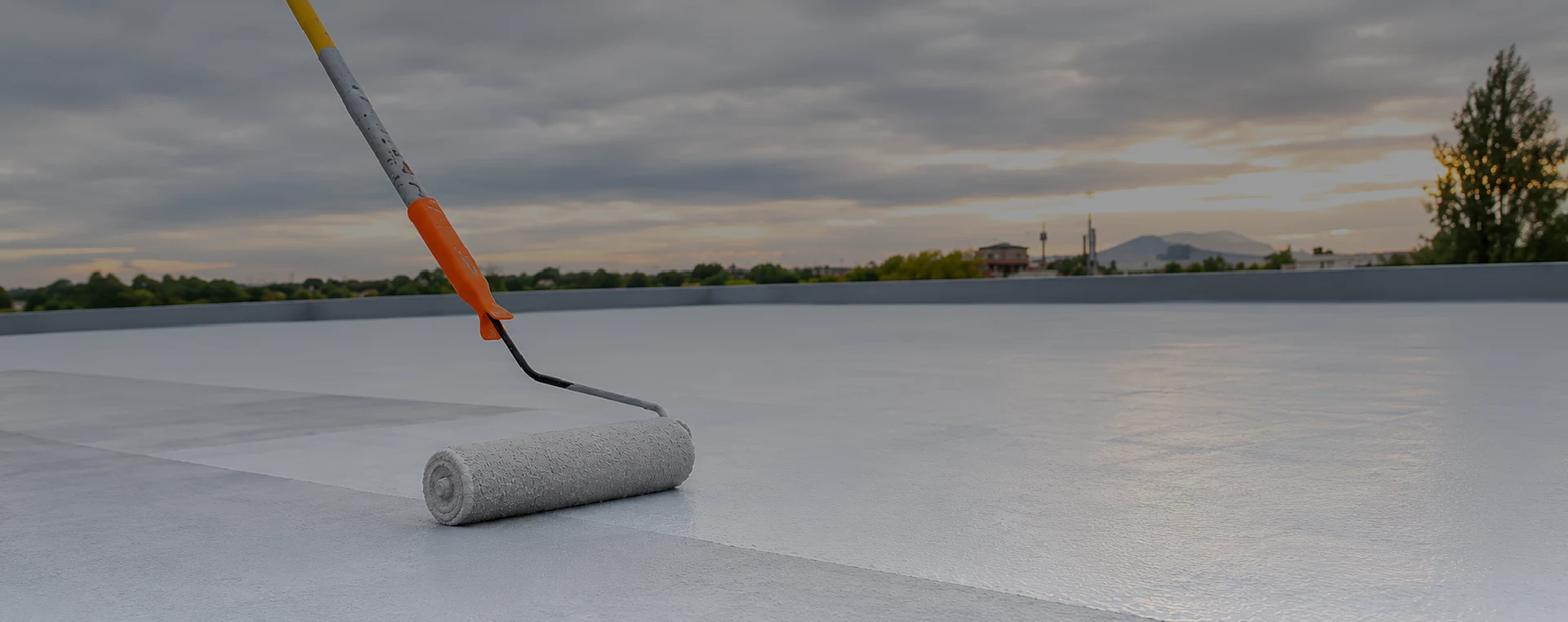
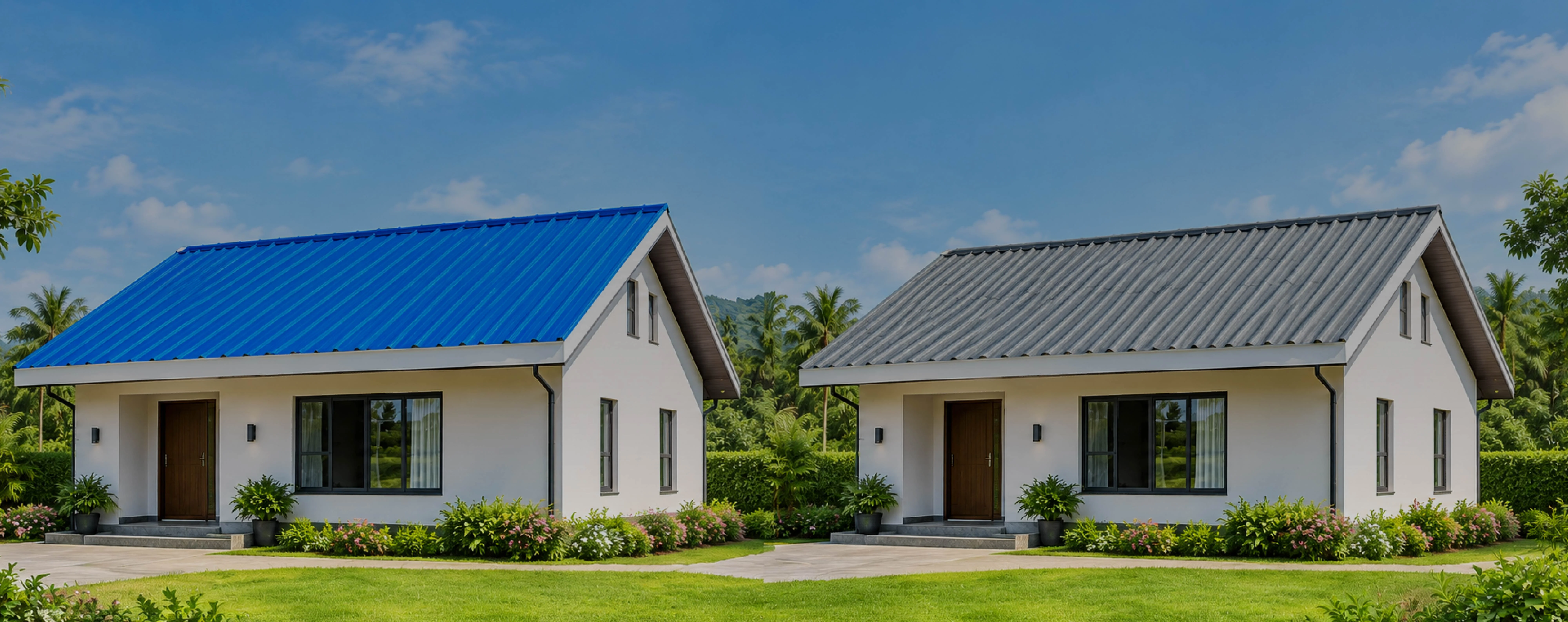
- Roofs and terraces: Roofs and terraces receive direct exposure to rain, sunlight and temperature fluctuations throughout the year. Small cracks or damaged joints can allow water to seep into the structure, eventually causing ceiling dampness inside the house. A suitable waterproofing membrane or coating helps prevent rainwater penetration while improving the durability of the surface.
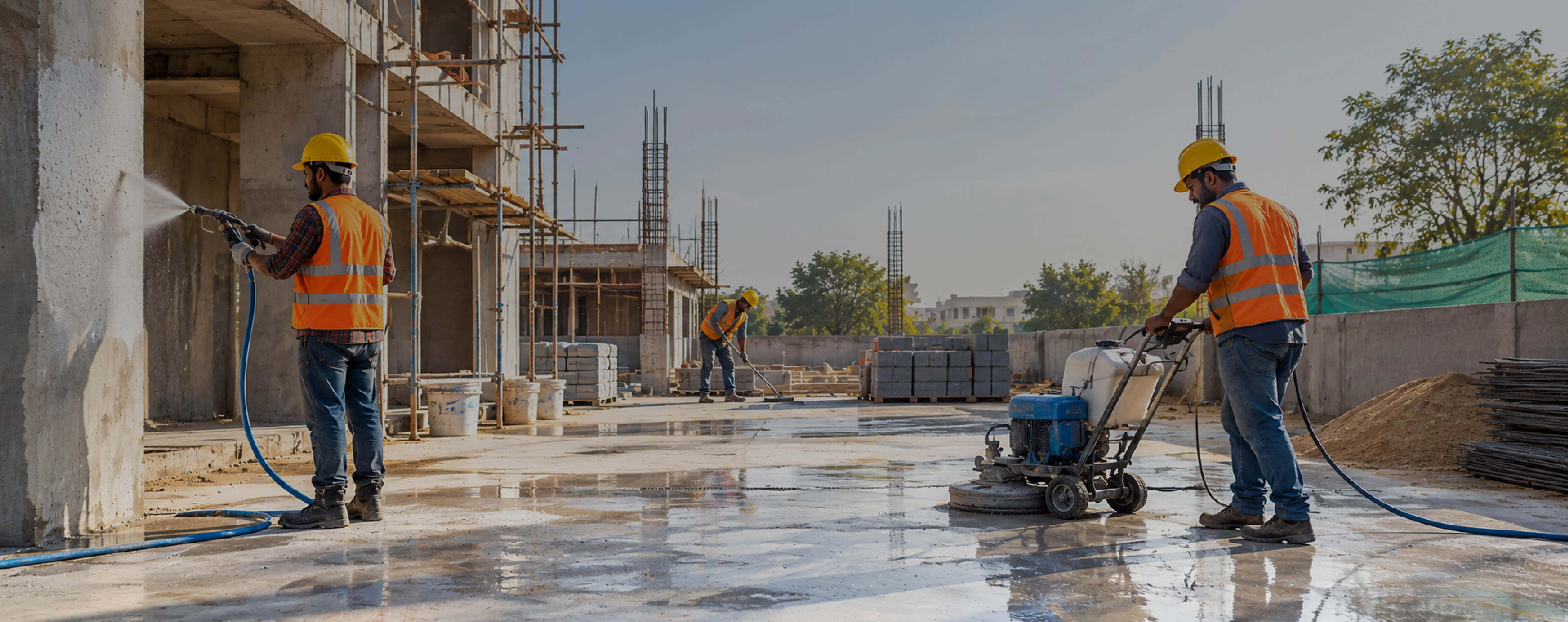
- Bathrooms: Bathrooms are among the wettest areas in any home. Water can easily seep through joints, floor corners and plumbing penetrations if waterproofing is not applied correctly. Proper waterproofing beneath floor tiles and behind wall tiles helps prevent leakage into adjacent rooms and lower floors.
- Balconies: Balconies are regularly exposed to rainfall and changing weather conditions. Waterproofing protects the slab and prevents water from reaching internal walls and ceilings. Good drainage and proper surface slopes also play an important role in preventing water accumulation.
- Basements and foundations: Groundwater and hydrostatic pressure can force moisture through basement walls and foundations. Waterproofing these areas helps keep interiors dry while protecting the structural integrity of the building.
- Water tanks: Water storage tanks require waterproofing to prevent leakage and maintain water-tight performance. Proper waterproofing also helps improve the service life of the structure.
Signs your home may need waterproofing
Many homeowners ignore early warning signs until the damage becomes extensive. Identifying these symptoms early allows timely repairs and helps avoid expensive restoration work.
Look out for:
- Damp patches on walls
- Bubbling or peeling paint
- Cracks with visible moisture
- Water stains on ceilings
- Musty odours
- Persistent mould growth
- Water dripping through cracks during heavy rainfall
If active leakage is visible, immediate action is necessary to prevent further deterioration.
Choosing the right waterproofing solutions
There is no single waterproofing solution suitable for every application. The correct system depends on the location, level of water exposure and condition of the structure.
Some commonly used waterproofing methods include:
- Cementitious waterproofing: This is widely used in bathrooms, kitchens, water tanks and internal wet areas. It is easy to apply and provides reliable protection against moisture.
- Liquid waterproofing membranes: Liquid-applied membranes create a seamless waterproof barrier over roofs, terraces and balconies. They accommodate minor surface movements and offer excellent weather resistance.
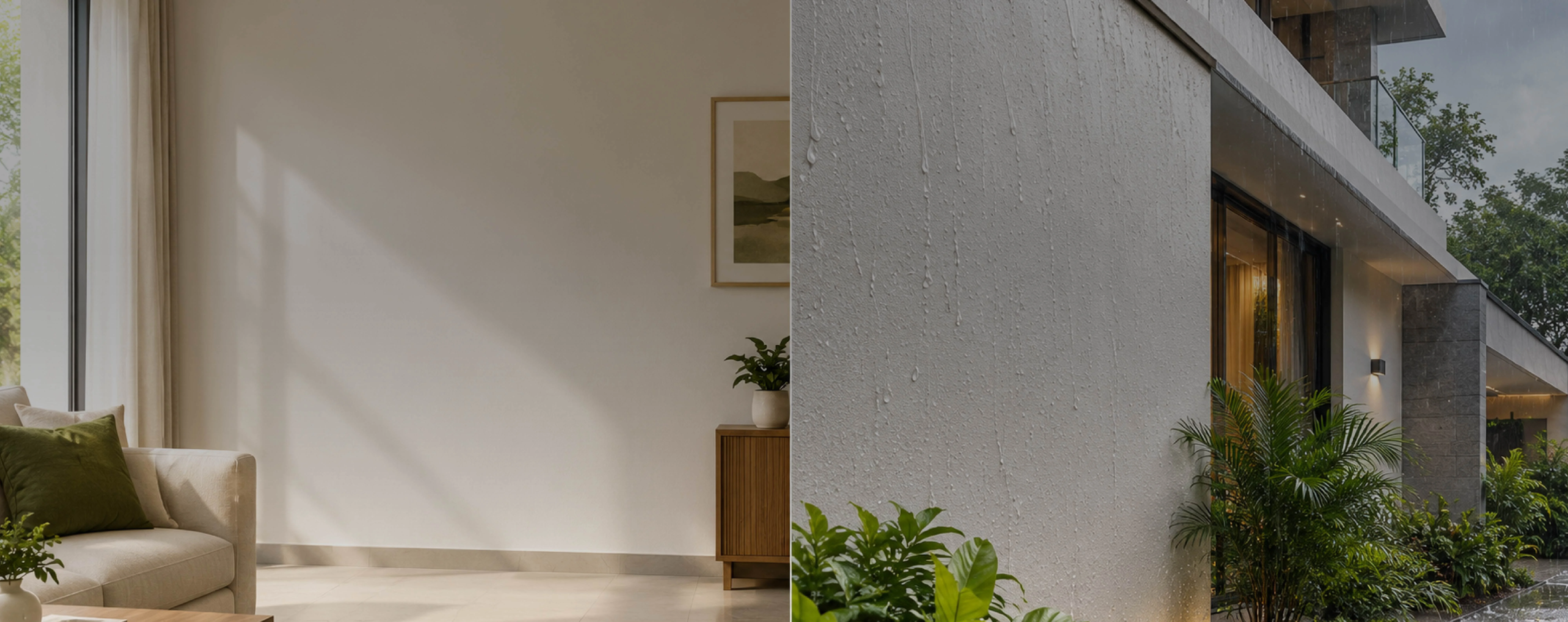
- Waterproof coatings: Protective coatings help shield exposed surfaces from rainwater while reducing moisture absorption.
- Crack repair products: Visible cracks should be repaired before applying waterproofing systems. Filling cracks helps restore surface integrity and prevents water ingress.
Stopping active leaks quickly
One of the biggest challenges during repairs is dealing with active water leakage. Water flowing through cracks or joints can make conventional repair materials ineffective.
In such situations, rapid-setting waterproof plugging compounds offer an effective solution by stopping water immediately before permanent waterproofing work begins.
For emergency leak repairs,
BirlaNu Insta Plug is designed to quickly arrest active water seepage through cracks, joints and openings in concrete and masonry surfaces. Its fast-setting formulation helps create an immediate seal, making it suitable for repairing leaks in basements, lift pits, retaining walls, water tanks and other water-retaining structures before carrying out complete waterproofing treatments.
Using a rapid leak-stopping product as the first step helps create a dry surface for subsequent waterproofing applications.
Good waterproofing practices for long-term protection
Even the best waterproofing products perform better when combined with proper construction practices.
Some important recommendations include:
- Repair cracks before waterproofing.
- Ensure surfaces are clean and free from dust or loose particles.
- Follow the manufacturer's application guidelines.
- Maintain proper drainage around roofs and balconies.
- Inspect waterproofed areas regularly for signs of wear.
- Address minor leaks before they become major structural problems.
Routine maintenance helps maximise the life of the waterproofing system and reduces repair costs over time.
Selecting reliable waterproofing products
The performance of a waterproofing system depends not only on correct application but also on the quality of the products being used. Reliable products undergo rigorous quality checks and are formulated to perform under varying environmental conditions.
The BirlaNu Waterproofing Solutions range offers products designed to address common waterproofing challenges across residential and commercial construction. From preventing seepage to repairing active leaks, these solutions support durable and dependable protection for different areas of a building.
Choosing the appropriate waterproofing solution for each application helps improve overall building performance while reducing maintenance over its service life.
Conclusion
Waterproofing is an investment in the long-term health of your home. It protects structural elements, preserves interior finishes and creates a healthier living environment by preventing moisture-related issues.
Whether you are constructing a new home, renovating an existing one or repairing water damage, selecting the right waterproofing solutions for each part of the building is essential. Addressing active leaks promptly with products such as BirlaNu Insta Plug and using dependable waterproofing systems can help safeguard your home against water damage for years to come.
By taking a proactive approach today, homeowners can reduce future repair costs and enjoy greater peace of mind regardless of the season.
FAQs
What are the common signs that my home needs waterproofing?
Some of the most common signs include damp patches on walls, peeling paint, ceiling stains, mould growth, musty odours, wall cracks and water seepage during rainfall. Addressing these signs early
can help prevent more extensive structural damage.
What should I do if I notice active water leakage?
Active leaks should be sealed as quickly as possible before carrying out permanent waterproofing work. Rapid-setting solutions such as BirlaNu Insta Plug can help stop water seepage through cracks and joints, allowing further repairs and waterproofing to be completed effectively.
Which areas of a home should be waterproofed?
The most important areas include roofs, terraces, bathrooms, balconies, basements, foundations and water tanks. These locations are regularly exposed to water and are more susceptible to seepage if not properly waterproofed.
When is the best time to waterproof a home?
The ideal time to waterproof a home is during construction, as it provides comprehensive protection from the outset. However, existing homes can also be waterproofed during renovation or as soon as signs of seepage, dampness or leaks appear to prevent further damage.
How long does waterproofing last?
The lifespan of waterproofing depends on the product used, the quality of application and the exposure conditions. A properly applied waterproofing system using quality materials can provide reliable protection for several years, provided it is inspected and maintained periodically.