


7 minutes read
Key takeaways
Most of us think of wall putty as a single product, but it comes in more than one kind, and the difference matters more than it seems. Choose the wrong one for a damp wall and the paint may start bubbling within a year or two. Choose a specialist product for a dry bedroom wall and you may spend more than you need to.
India's walls face a lot of moisture. The southwest monsoon alone brings roughly three-fourths of the country's annual rainfall, and humidity lingers long after the rain stops. This guide explains how waterproof putty differs from regular putty, and how to tell when your wall genuinely needs the upgrade.
Quick answer: Regular putty works well for dry, well-ventilated interior walls. Waterproof wall putty is the better choice for bathrooms, kitchens, coastal homes and any wall that shows damp patches, peeling or fungal growth.
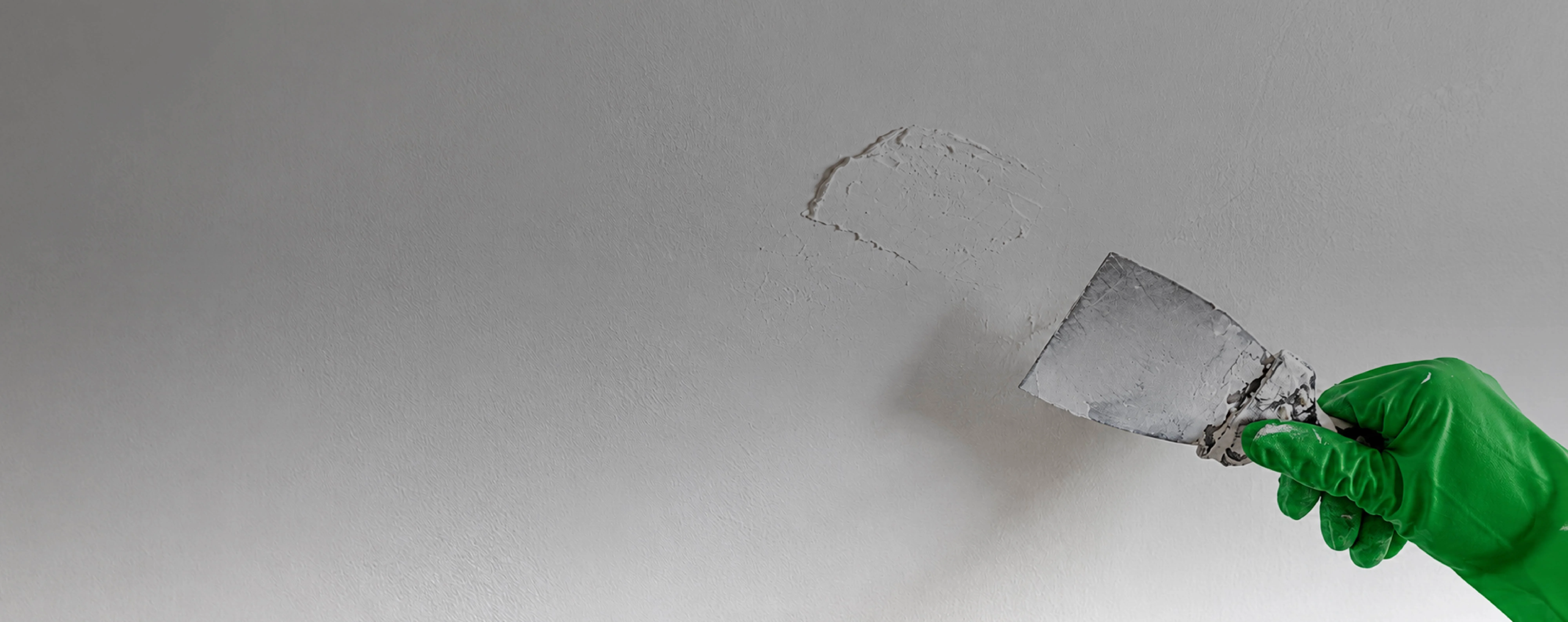
Wall putty fills small pits and hairline cracks, levels the plaster and creates the smooth base that paint needs. A good regular putty also keeps the paint colour bright and true, and it helps the topcoat bond firmly to the wall.
BirlaNu TruColour Putty is made with white cement, polymers and minerals, and it gives a pure white, dry finish that lets your chosen shade show up exactly as intended. It suits both interior and exterior walls, and is a certified green product with zero VOCs.
For most living rooms, bedrooms and dry corridors, this is all the wall needs. The surface stays dry, so there is little moisture trying to push the paint off from behind.
Waterproof wall putty starts with the same white cement base but adds a layer of protection against moisture. BirlaNu TruColour Waterproof Putty is fortified with hybrid silane-silicone chemistry, which creates a water-repellent surface that resists damp patches, peeling and fungal growth.
In simple terms, regular putty gives the paint a smooth surface to sit on, while waterproof putty also works to keep moisture from moving through that surface. This matters most in areas where water is a regular visitor, as dampness is one of the main reasons paint fails.
|
Parameter |
Regular putty |
Waterproof putty |
|
Best for |
Dry interior walls and general finishing |
Damp, humid or splash-prone walls |
|
Composition |
White cement with polymers and minerals |
White cement with hybrid silane-silicone chemistry |
|
Moisture behaviour |
Suits normal, dry conditions |
Water-repellent surface that reduces wall dampness |
|
Typical areas |
Bedrooms, living rooms, dry corridors |
Bathrooms, kitchens, coastal zones, damp-prone walls |
|
Effect on paint |
Smooth, bright base for the topcoat |
Helps prevent paint failure in wet zones |
|
Cost |
Generally lower |
Usually higher, so best used where moisture is a real risk |
The clearest way to decide is to look at what your wall is already telling you. Consider waterproof putty if you notice any of these:
Repeated repainting is a strong hint too. If you have repainted the same wall more than once and the problem keeps returning, the paint is probably not the issue. The base underneath is not keeping moisture out.
You do not need to upgrade every wall. If a room is dry, well-ventilated and has no history of dampness, regular putty will do its job well and keep costs sensible. The same goes for inland homes where walls stay dry through most of the year. A useful rule is to match the putty to the wall's exposure rather than to apply the most protective product everywhere.
It is worth being clear about the limits. Waterproof putty protects the surface, but it cannot cure an active leak, a burst pipe or rising damp from the ground. If water is entering the wall from a structural source, fix that first, let the wall dry properly, and only then apply putty. Think of waterproof wall putty as a strong second line of defence, not a substitute for repair.
BirlaNu makes the choice simple by offering both options in one range. TruColour Putty gives you a bright, true-to-shade base for regular walls, while TruColour Waterproof Putty is made for bathrooms, kitchens, coastal zones and other wet areas. It has a crack-resistant formulation, is smooth to apply and helps reduce wall dampness while preventing paint failure in wet zones.
Once the putty is done, BirlaNu Primers complete the system with a sealed, even surface for the topcoat. You can explore the full range at Birlanu Putty and compare each variant at birlanu.com/putty/trucolour-putty.
The right putty is the one that matches your wall's exposure. Dry rooms are well served by regular putty, while walls that face moisture week after week deserve the extra protection of waterproof putty. Read what your walls are telling you, fix any leaks first and choose accordingly, and your paint will stay smooth and bright for far longer.
What is the difference between waterproof putty and regular putty?
Waterproof putty adds moisture protection that regular putty does not. Regular putty creates a smooth, bright base for paint on dry walls. BirlaNu TruColour Waterproof Putty is fortified with hybrid silane-silicone chemistry, which creates a water-repellent surface that resists damp patches, peeling and fungal growth.
Where should I use waterproof wall putty in my home?
Use waterproof wall putty on walls exposed to moisture, such as bathrooms, kitchens, coastal-area homes and damp-prone walls. It is also worth using on any wall that keeps peeling after repainting.
Can waterproof putty prevent mould and fungal growth on walls?
It helps by keeping moisture out, which reduces the damp conditions that fungus needs to grow. BirlaNu TruColour Waterproof Putty is designed to resist fungal growth on wet and humid walls.
Do I need to apply primer over waterproof putty before painting?
Yes, primer is recommended. It seals the surface so paint bonds evenly and does not soak in patchily. After the waterproof putty has dried and been sanded smooth, apply a suitable primer before the topcoat.
Get damp-prone walls ready for a fresh festive-season makeover
- - 15/10/2026

Get a smoother, longer-lasting paint finish with the right wall preparation
- - 15/10/2026

Standards, materials, range and supply: what to check before you buy
- - 12/10/2026
Why the smallest roofing components decide whether a roof stays dry, secure and durable for years.
- - 12/10/2026
