

5 minutes read
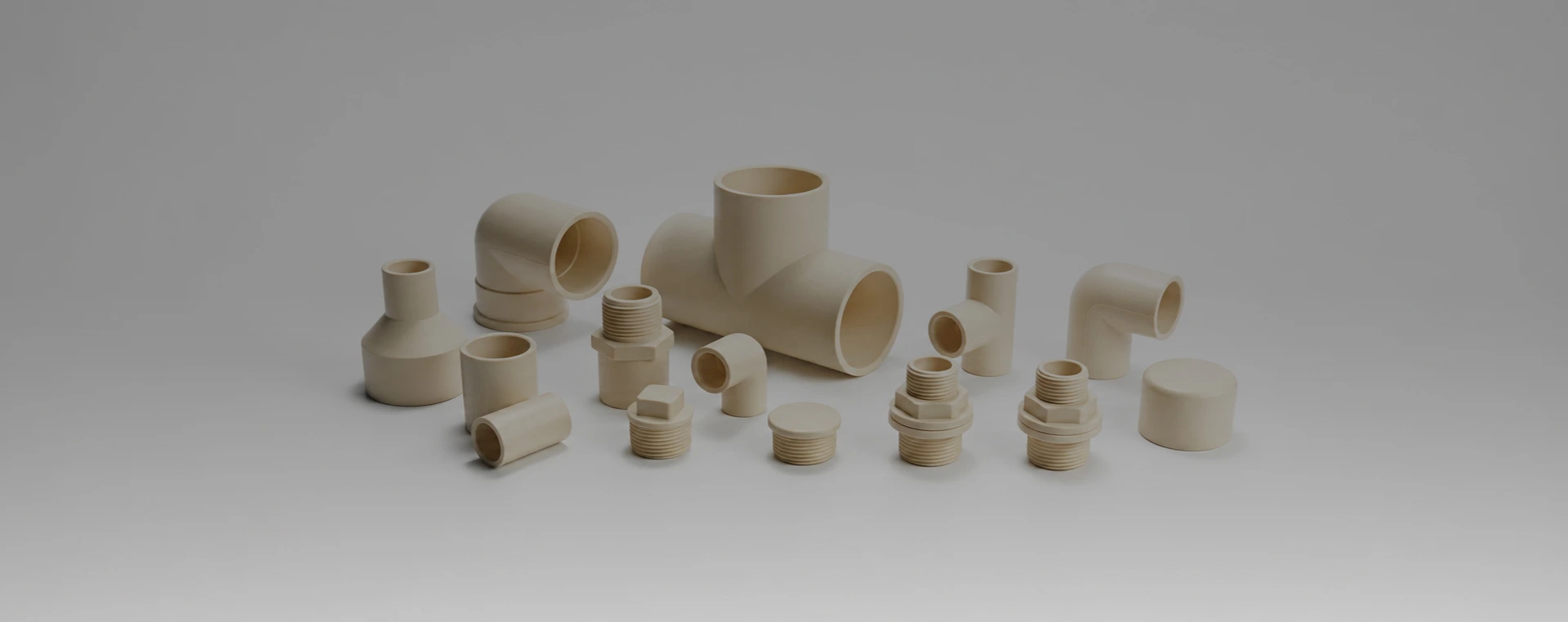
Pipe couplings are among the most important components in any plumbing system. While pipes are responsible for transporting water and fluids, couplings ensure that these pipes remain securely connected for smooth and uninterrupted flow.
In modern plumbing and sanitation systems, selecting the right coupling is essential for preventing leakage, improving durability, and maintaining long-term system efficiency. Different plumbing applications require different types of couplings depending on pipe material, pressure requirements, pipe size, and installation conditions.
Today, advanced CPVC and UPVC plumbing systems use a wide range of specialised couplings designed for residential, commercial, and industrial applications. Understanding the different pipe coupling types can help in choosing the most suitable solution for reliable plumbing performance.
Pipe couplings are fittings used to connect two pipes together within a plumbing or piping system. They help maintain continuous water flow while ensuring secure and leak-resistant connections.
Couplings can also assist in:
Depending on the application, plumbing systems may use different coupling designs and materials.
Standard couplings are the most commonly used fittings in plumbing systems. They are designed to connect two pipes of the same diameter securely.
These couplings are widely used in:
Their simple design and easy installation make them ideal for routine plumbing applications.
Reducing couplings are used when two pipes of different diameters need to be connected within the same plumbing network.
These couplings help maintain efficient water flow while adapting to varying pipe sizes in:
Reducing couplings are particularly useful in systems where pressure and flow requirements vary across sections.
Flexible couplings are designed to absorb slight movement, vibration, and pipe misalignment. Unlike rigid fittings, these couplings allow limited flexibility while maintaining a secure connection.
They are commonly used in:
Flexible couplings help reduce stress on the piping system and minimise the risk of cracks or joint failures.
Repair couplings are specially designed to fix damaged sections of pipes without replacing the entire pipeline.
These couplings provide a practical solution for:
Repair couplings help reduce downtime and simplify maintenance work in both residential and commercial plumbing systems.
Compression couplings use compression fittings to create secure and leak-resistant pipe connections. These couplings are easy to install and do not always require specialised tools.
They are commonly used in:
Compression couplings are valued for their convenience and efficient sealing capability.
Using the correct coupling type is essential for maintaining plumbing system efficiency and durability. Poor-quality or unsuitable couplings can lead to:
The right coupling improves overall plumbing reliability while helping maintain smooth water flow and structural stability.
Before choosing a pipe coupling, it is important to evaluate several factors:
The performance of a plumbing system depends not only on the quality of pipes but also on the reliability of fittings used throughout the network.
BirlaNu Plumbing & Sanitation Solutions offer advanced CPVC, UPVC, and various other piping systems designed for modern residential and commercial plumbing applications. These systems are engineered for durability, leak-proof performance, corrosion resistance, and efficient water flow management.
With high-quality fittings and precision-manufactured plumbing components, BirlaNu solutions help ensure long-lasting and efficient plumbing infrastructure across a wide range of applications.
What are plumbing fittings used for in piping systems?
Plumbing fittings help connect, redirect, control, and secure pipes within a plumbing network to ensure smooth and leak-proof water flow.
Which type of pipe fittings are commonly used in modern homes?
CPVC and UPVC fittings are widely used in modern residential plumbing systems because they are durable, corrosion-resistant, and easy to install.
How do I choose the right plumbing fittings for my house?
The right fittings depend on factors such as pipe material, water pressure, temperature requirements, and the type of plumbing application.
What is the difference between CPVC and UPVC fittings?
CPVC fittings are suitable for both hot and cold water systems, while UPVC fittings are generally used for cold water supply and drainage applications.
Why are leak-proof fittings important in plumbing systems?
Leak-proof fittings help maintain water pressure, reduce water wastage, and improve the long-term efficiency and reliability of the plumbing network.
How long do high-quality plumbing fittings typically last?
Good-quality plumbing fittings can last for decades when installed correctly and used with compatible piping systems under proper operating conditions.
The latest
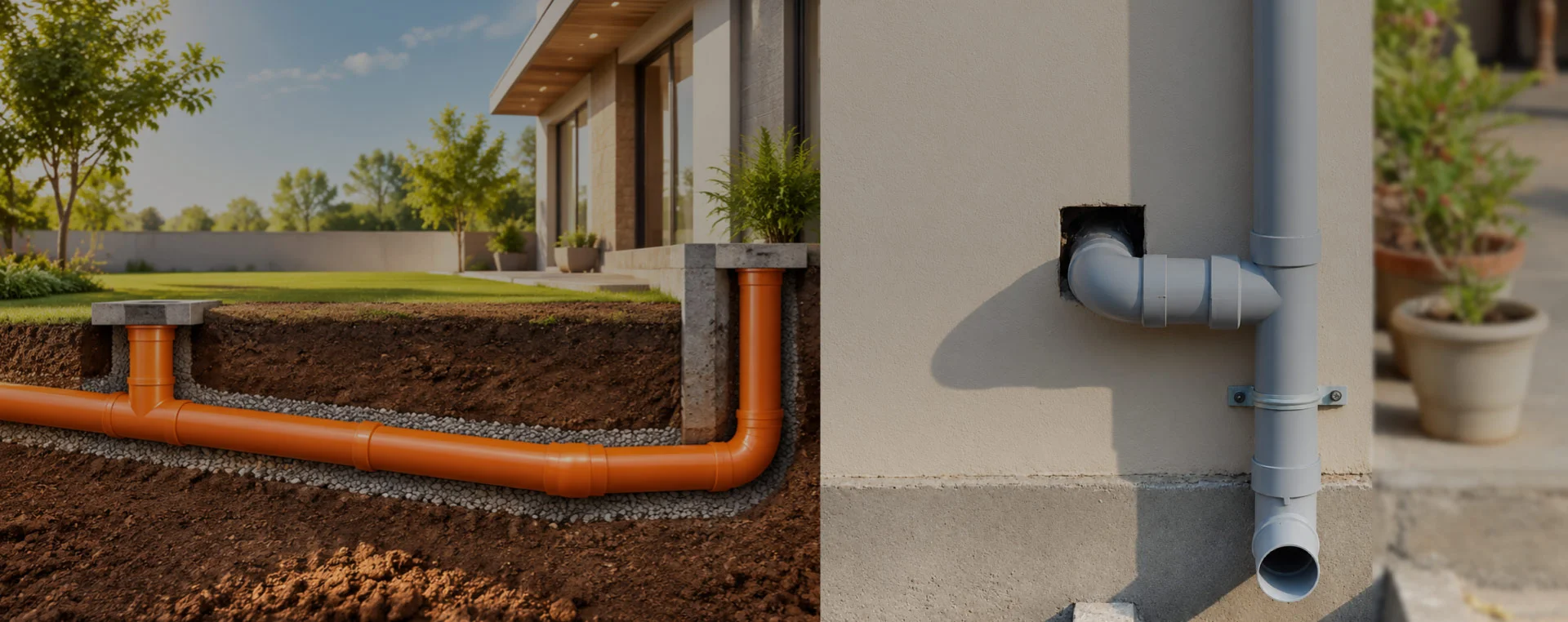
Understanding SWR and UGD pipes, their differences, applications and the right use for each
24/10/2026
7 minutes read

What to consider before you choose, from moisture and footfall to pattern and light
23/10/2026
6 minutes read
How the right construction chemicals can prevent common building maintenance problems
22/10/2026
8 minutes read
Understanding SWR and UGD pipes, their differences, applications and the right use for each
- - 24/10/2026
What to consider before you choose, from moisture and footfall to pattern and light
- - 23/10/2026
How the right construction chemicals can prevent common building maintenance problems
- - 22/10/2026

Understand the key differences between fibre cement and coloured steel roofing sheets.
- - 22/10/2026
