The quality of plumbing pipes has a direct impact on how smoothly water flows through a building and how long the entire system lasts. In homes, offices and industrial facilities, pipes quietly carry water every single day, often without drawing attention. Yet they play a critical role in daily comfort and operations.
Imagine a newly constructed building where everything appears perfect on the surface. Over time, however, residents begin to notice reduced water pressure in taps and showers. Maintenance teams are called in repeatedly to fix leaks or replace damaged sections. In many such cases, the root cause is not usage but the quality of the pipes installed behind the walls.
When pipe material, manufacturing standards or installation quality are compromised, performance gradually declines. Water flow becomes inconsistent, repairs become frequent and long-term reliability is affected.
Choosing the right pipes is therefore not just a construction decision made during installation, it is a long-term investment in dependable performance and peace of mind.
Did you know?
Even a small internal diameter reduction of just 1 mm due to scaling or corrosion can significantly decrease water flow rate, especially in high-rise buildings where pressure distribution is already carefully balanced.
Why pipe quality matters for water pressure
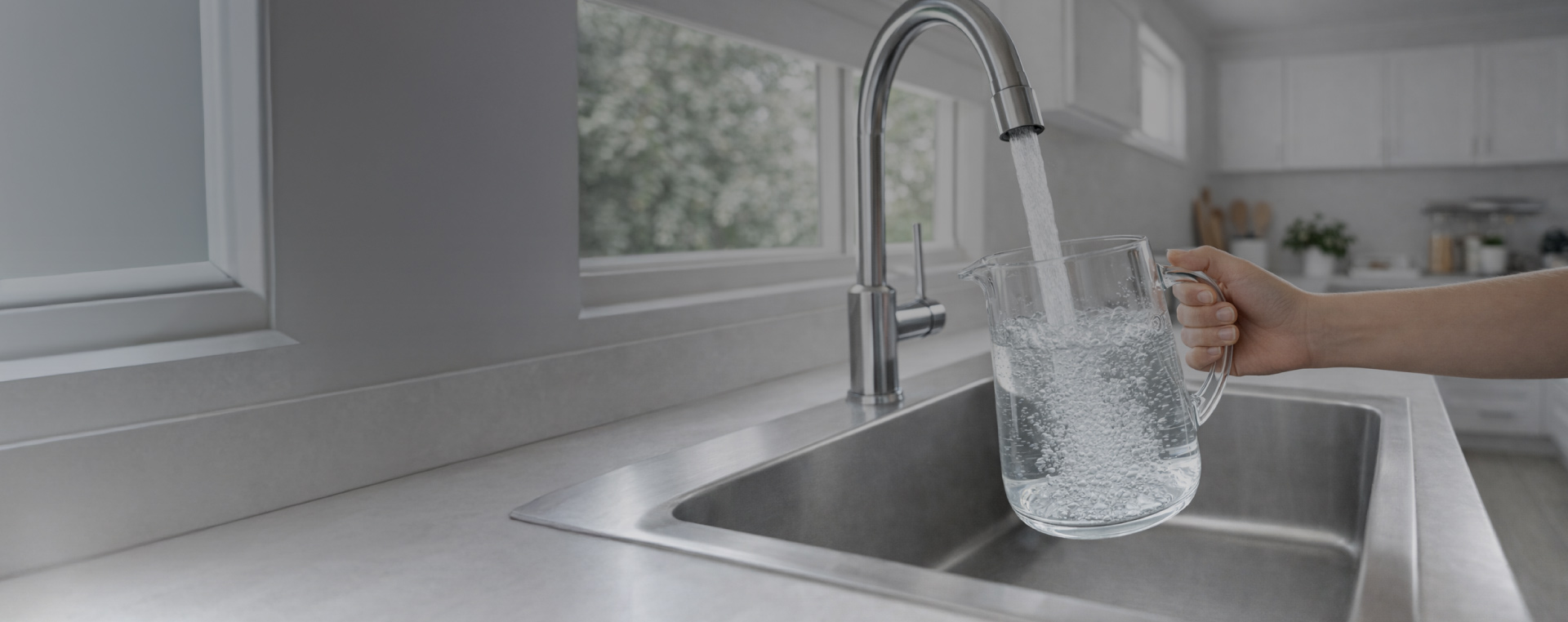
Water pressure depends on smooth, uninterrupted flow within the pipeline. The internal finish and structural strength of a pipe determine how easily water travels from source to outlet. When these factors are compromised, resistance increases and overall performance declines.
1. Internal scaling and flow restriction
Low-quality pipes are more susceptible to mineral build-up and internal scaling. Rough inner surfaces allow deposits to accumulate over time, gradually reducing the effective diameter of the pipe. As the passage narrows, water faces greater resistance, leading to lower pressure at fixtures.
In multi-storey buildings, even minor reductions can become noticeable due to the added demand on vertical distribution.
2. Material degradation and corrosion
Inferior materials may not withstand prolonged exposure to moisture, dissolved salts or temperature variations.
Corrosion weakens pipe walls and creates uneven internal surfaces, disrupting consistent flow. This not only reduces pressure but can also compromise water quality and system durability.
3. Joint failures and leakages
Pipe joints play a critical role in maintaining pressure. Substandard materials or poor manufacturing precision can result in sealing failures over time. Even small leaks reduce system efficiency and may lead to dampness or structural concerns.
Together, these factors demonstrate how pipe quality directly influences water pressure and overall plumbing reliability.
How high-quality pipes improve system longevity
Choosing high-quality plumbing materials is essential for long-term reliability. Well-engineered pipes are designed to deliver consistent performance under daily use and varying operating conditions. Solutions such as
BirlaNu Leakproof Pipes are developed with this focus on durability and dependable flow.
1. Smooth internal surfaces for steady flow
Premium pipes feature uniform internal diameters and smooth finishes, which reduce friction and help maintain stable water pressure over time. Systems built with quality solutions like BirlaNu Leakproof Pipes are less prone to gradual flow reduction.
2. Resistance to corrosion and scaling
High-grade materials resist corrosion, mineral build-up and chemical exposure. This protects water quality and maintains structural integrity, ensuring the system performs reliably for years.
3. Strength under pressure and temperature changes
Quality pipes are built to withstand pressure fluctuations and temperature variations without cracking or weakening.
Durable solutions, including BirlaNu Leakproof Pipes, help reduce the risk of leaks and unexpected failures.
4. Long-term value
Although the initial investment may be higher, superior pipes minimise repairs and replacements. Over time, this results in lower maintenance costs and a longer-lasting plumbing system.
Key factors to consider when selecting pipes
When evaluating plumbing solutions, consider:
- Material composition & manufacturing standards that ensure strength & long-term durability.
- Suitable pressure rating based on the building type and water load requirements.
- Resistance to corrosion, scaling and chemical exposure to maintain internal flow efficiency.
- Precision in joint design and fitment to minimise the risk of leaks.
- Compatibility between pipes and fittings for consistent installation quality.
- Compliance with recognised industry standards and quality certifications.
Solutions such as BirlaNu Leakproof Pipes are designed around these essential parameters, combining comprehensive quality controls with proprietary TruFiT technology to support secure joints and help minimise leakage risks over time.
Conclusion
Choosing the right pipe quality and material is fundamental to maintaining consistent water pressure, protecting water safety and ensuring long-term plumbing performance. Inferior choices may lead to reduced flow, contamination risks and frequent maintenance. In contrast, well-engineered and certified solutions such as BirlaNu Leakproof Pipes, with TruFiT technology, are designed to promote secure joints and reliable operation. Investing in the right system today helps safeguard both performance and peace of mind for years to come.
FAQs
Why is my water pressure decreasing even though there are no visible leaks?
Reduced pressure can often be traced to internal pipe scaling, corrosion or minor joint seepage caused by low-quality materials restricting flow from within.
What type of pipes are best for maintaining strong and consistent water pressure?
Pipes with smooth internal surfaces, certified material composition and reliable joint technology such as BirlaNu Leakproof Pipes with TruFiT technology are designed to support consistent flow and minimise leakage risks.
Can the quality of plumbing pipes really affect how long the system lasts?
Yes. Pipes made from inferior materials are more prone to cracks and corrosion, while high-quality pipes maintain structural integrity and performance for decades.
What features should I look for in leakproof plumbing pipes?
Look for certified material composition, smooth internal surfaces, precise dimensional accuracy and advanced jointing systems such as TruFiT technology used in BirlaNu Leakproof Pipes.