

4 minutes read
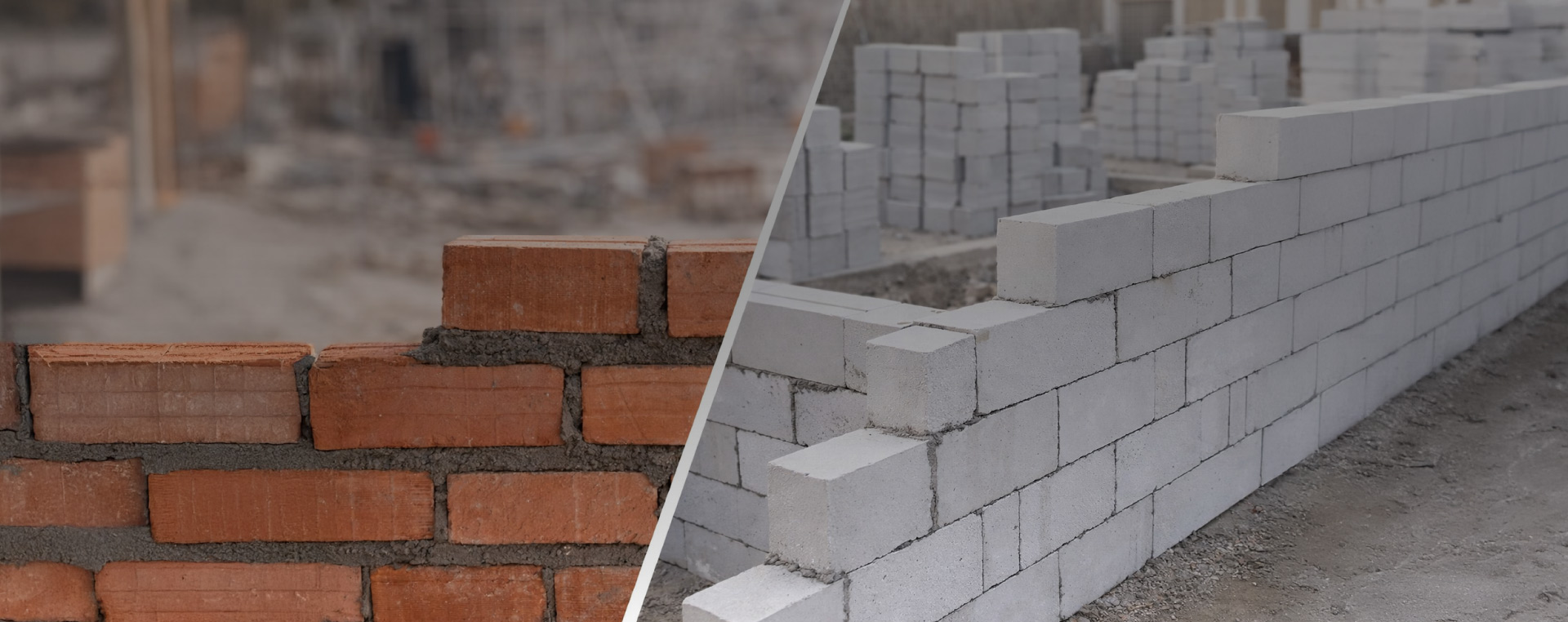
The choice of wall material plays a critical role in shaping the cost, speed and long-term performance of any construction project. Traditional bricks have long been the preferred option due to familiarity and widespread use, but evolving construction requirements are changing how materials are evaluated. Faster timelines, rising labour costs and the need for better energy efficiency have made performance and efficiency as important as initial cost.
AAC blocks are increasingly being adopted as a modern alternative that addresses these demands, with solutions such as BirlaNu Aerocon AAC Blocks designed to support faster, more efficient wall construction. Comparing AAC blocks and traditional bricks is not just about material price, but about understanding how each option affects construction efficiency, structural load and lifecycle performance. This comparison helps builders, developers and homeowners make informed decisions that balance upfront investment with long-term value.
Beyond cost and construction speed, the real impact of a wall material is reflected in its performance over time. Structural strength, thermal efficiency, acoustic comfort and fire safety play a critical role in determining the durability, safety and overall quality of a building. Comparing AAC blocks and traditional bricks across these parameters highlights how each material meets the demands of modern construction, particularly when engineered AAC solutions are used in contemporary projects.
The impact of a wall system goes beyond how it looks or what it costs initially. The choice between AAC blocks and traditional bricks affects how quickly walls can be built, how much weight the structure carries and how often repairs may be needed in the future. Looking at these factors together helps clarify which material is better suited for efficient, durable and low-maintenance construction.
When evaluated on both cost and performance, AAC blocks present clear advantages over traditional bricks in modern construction. While bricks continue to be widely used, AAC blocks offer faster construction, improved insulation, lower structural load and efficient lifecycle costs. For projects focused on speed, performance and long-term value, AAC blocks represent a smarter and more future-ready choice, with solutions like BirlaNu Aerocon AAC Blocks aligning well with the needs of modern construction.
What are AAC blocks and how are they different from bricks?
AAC blocks are lightweight, air-cured concrete blocks that offer thermal insulation and reduced structural load, unlike traditional clay bricks which are heavier and solid.
Do AAC blocks provide better insulation than bricks?
Yes, the porous structure of AAC blocks improves thermal and acoustic insulation compared to conventional brick walls.
Do AAC blocks reduce construction time?
Yes, larger and uniform AAC blocks are quicker to lay, reducing mortar usage and enabling faster wall construction.
Are AAC blocks stronger than bricks?
Traditional bricks have higher compressive strength, but AAC blocks provide sufficient strength for most walls while being much lighter and easier to handle.
The latest
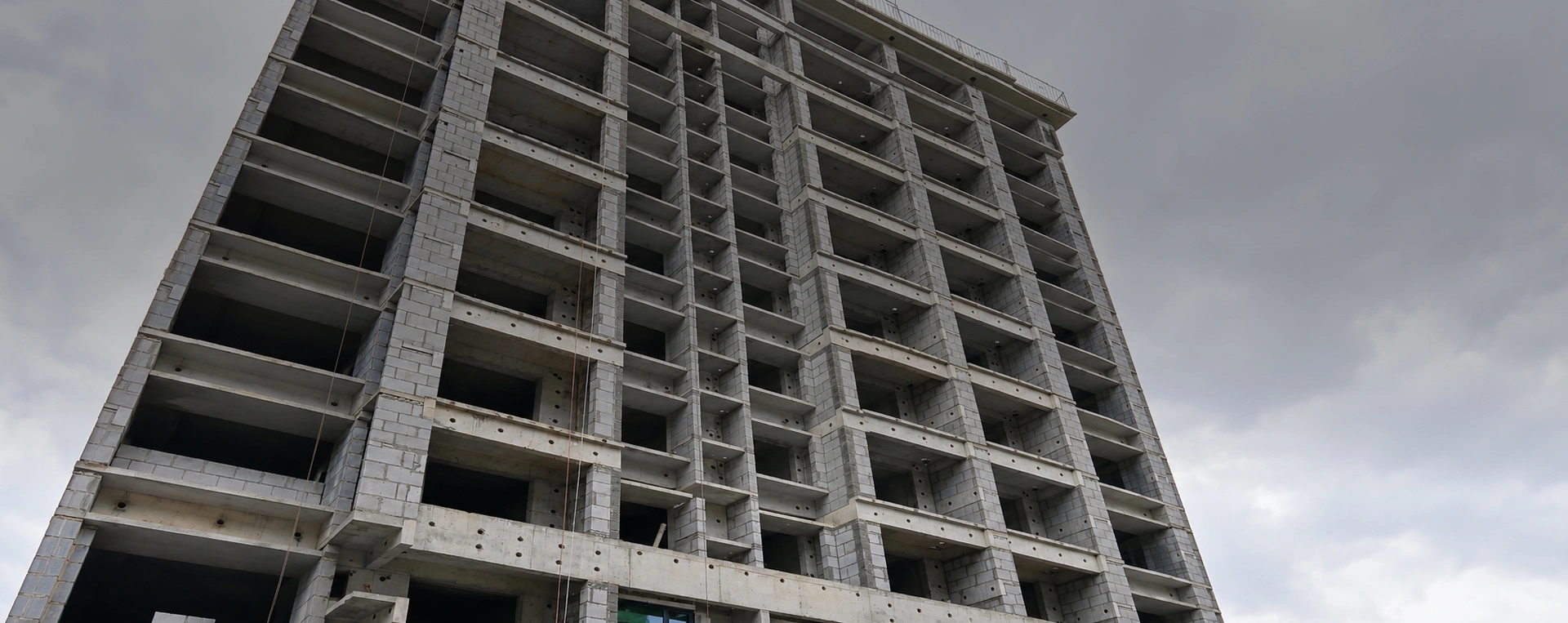
Understanding why AAC blocks are a strong and efficient choice for multi-storey buildings
10/09/2026
8 minutes read
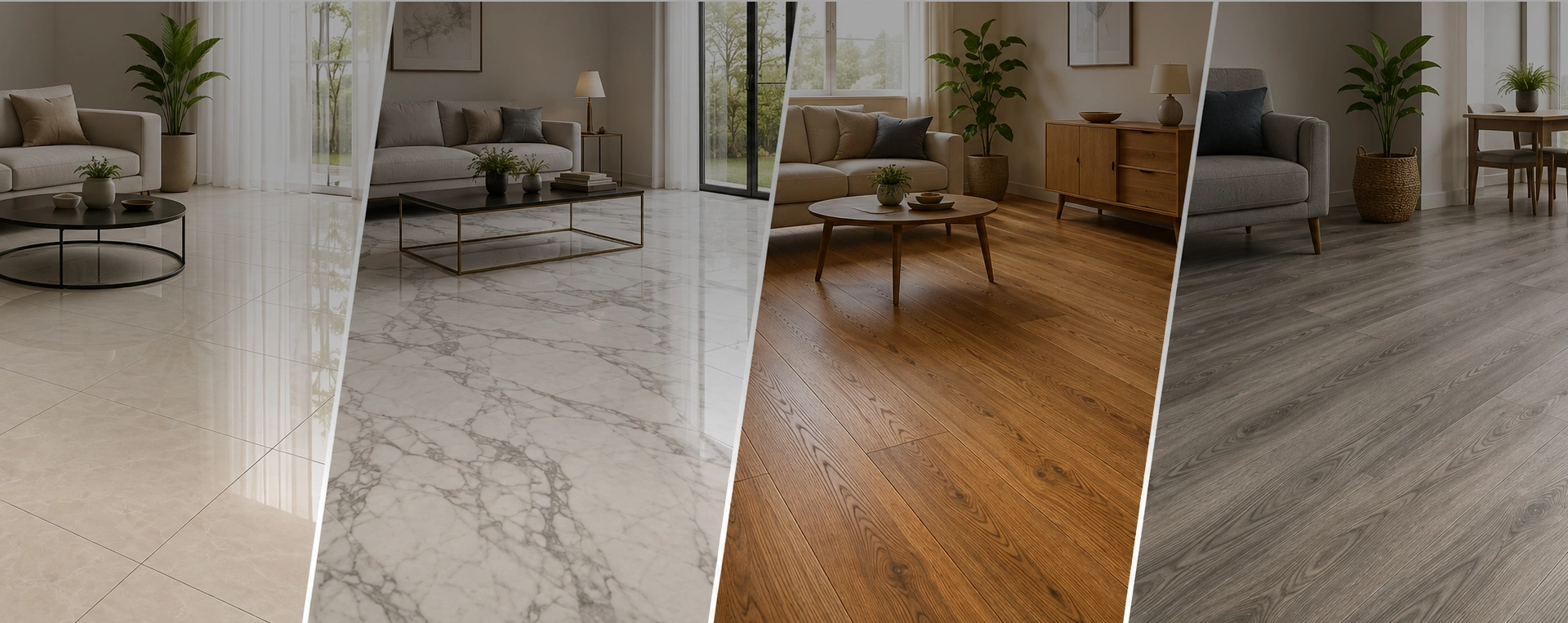
Explore the key differences between popular flooring materials and choose what suits your home.
10/09/2026
9 minutes read

How the right flooring can enhance light, flow and the sense of space in your home
10/09/2026
9 minutes read
Understanding why AAC blocks are a strong and efficient choice for multi-storey buildings
- - 10/09/2026
Explore the key differences between popular flooring materials and choose what suits your home.
- - 10/09/2026
How the right flooring can enhance light, flow and the sense of space in your home
- - 10/09/2026

How weather conditions affect fibre cement board and plywood
- - 09/09/2026
