

4 minutes read
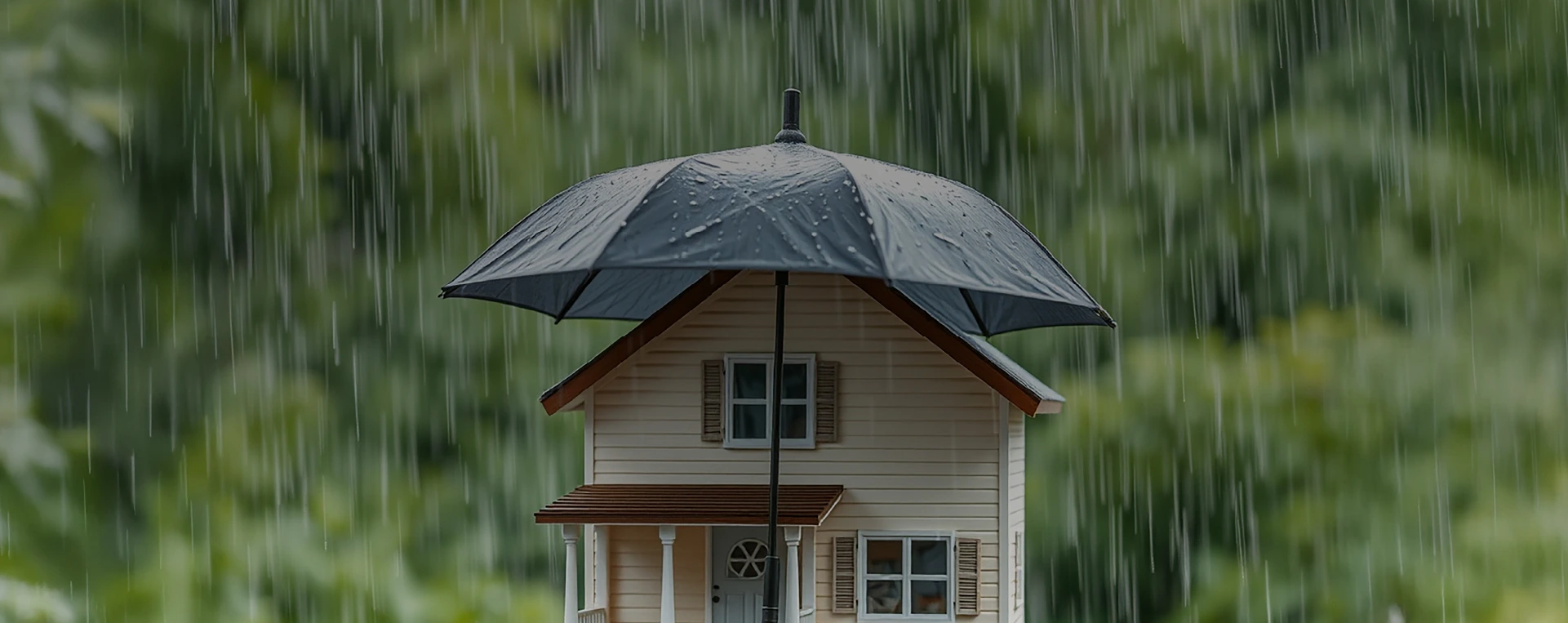
Moisture is one of the most common yet overlooked threats to any building. What often begins as minor dampness can quickly develop into cracks, seepage, mould growth, and even structural damage if left untreated.
This is why investing in the right waterproofing solutions is not just a preventive measure, but a necessity. Identifying high-risk areas early and applying the right treatment can significantly improve a building’s durability and reduce long-term repair costs.
Water intrusion affects both the structure and the living environment. Over time, it can weaken concrete, corrode reinforcements, and damage finishes.
Effective waterproofing solutions help:
A targeted approach to waterproofing ensures that vulnerable areas are properly protected.
Roofs are constantly exposed to rain, heat, and temperature variations, making them one of the most critical areas for waterproofing.
Common issues:
Best approach:
Use high-quality waterproofing solutions designed for weather resistance and ensure proper slope for drainage.
External walls are directly exposed to rain and humidity, especially during monsoon seasons.
Common issues:
Best approach:
Apply protective coatings and waterproofing solutions that prevent water penetration while allowing the wall to breathe.
Bathrooms are high-moisture zones where improper waterproofing can lead to hidden damage.
Common issues:
Best approach:
Ensure waterproofing is applied before tiling, especially on floors and lower wall sections, using compatible materials.
Basements are particularly vulnerable due to their contact with soil and groundwater.
Common issues:
Best approach:
Use robust waterproofing solutions that create a strong barrier against external moisture pressure.
Choosing the right waterproofing solutions is critical for preventing seepage, leaks, and long-term structural damage. BirlaNu Waterproofing offers a comprehensive range of easy-to-use solutions designed to address common issues such as dampness, cracks, and water ingress across key areas like roofs, walls, and bathrooms.
For urgent repairs, solutions like BirlaNu Insta Plug are designed to quickly seal active water leaks and seepage points, helping control damage at the source. Combined with broader waterproofing systems, this approach ensures both immediate protection and long-term durability.
By focusing on practical application and consistent performance, BirlaNu waterproofing solutions help create a reliable moisture barrier, improving building life and reducing maintenance over time.
Water damage can compromise both the structure and comfort of a home if not addressed in time. Using the right waterproofing solutions in key areas such as roofs, walls, bathrooms, and basements ensures better protection against moisture-related issues.
A proactive approach to waterproofing not only enhances durability but also reduces long-term maintenance, making it an essential step in building and maintaining a reliable, long-lasting home.
Which areas in my home need waterproofing the most?
Roofs, external walls, bathrooms, and basements are the most critical areas as they are highly exposed to water and moisture.
What happens if I don’t use proper waterproofing solutions?
Without proper waterproofing, moisture can cause seepage, cracks, mould growth, and long-term structural damage.
How often should waterproofing be done?
Waterproofing is typically done during construction, but periodic inspection and maintenance are important to ensure continued effectiveness.
Can waterproofing prevent wall cracks?
Waterproofing helps reduce moisture-related damage, which can contribute to cracks, but structural issues may require additional solutions.
Is waterproofing necessary for new homes?
Yes, applying waterproofing during construction is more effective and helps prevent future repair costs.
The latest

What to consider before you choose, from moisture and footfall to pattern and light
23/10/2026
6 minutes read
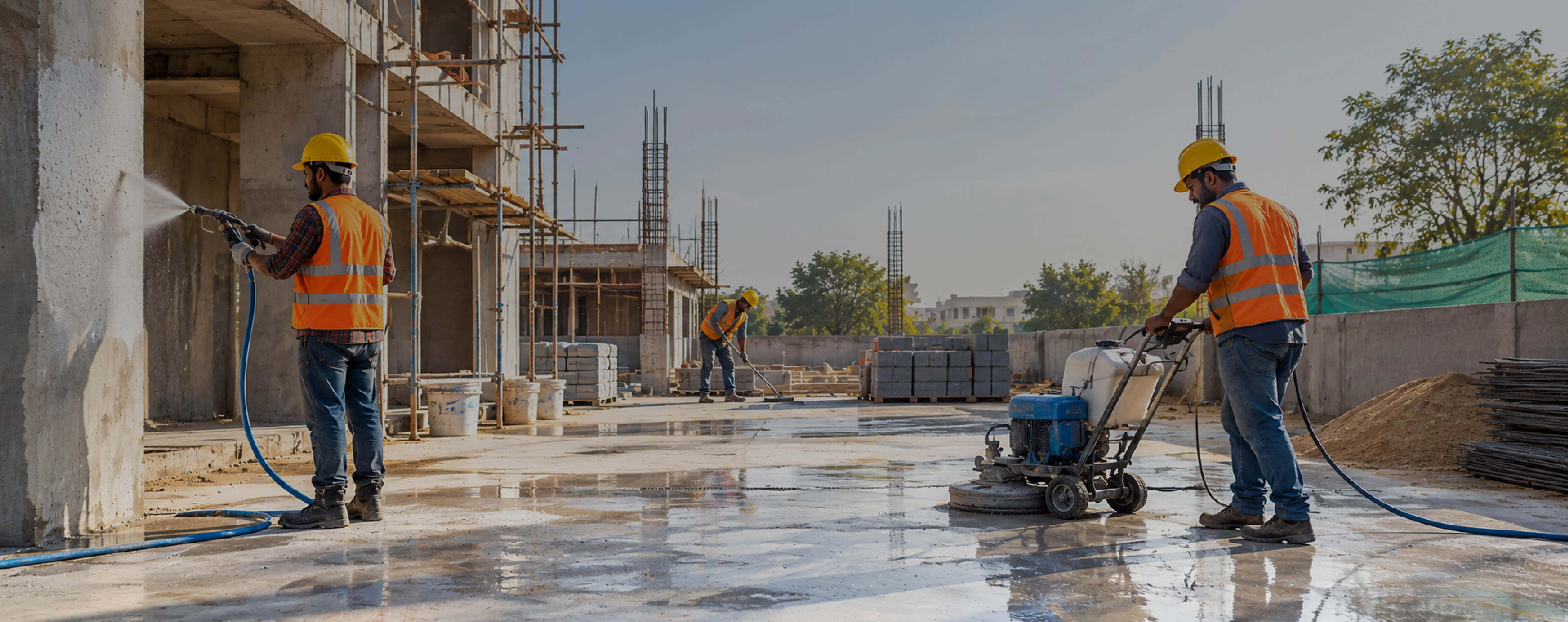
How the right construction chemicals can prevent common building maintenance problems
22/10/2026
8 minutes read
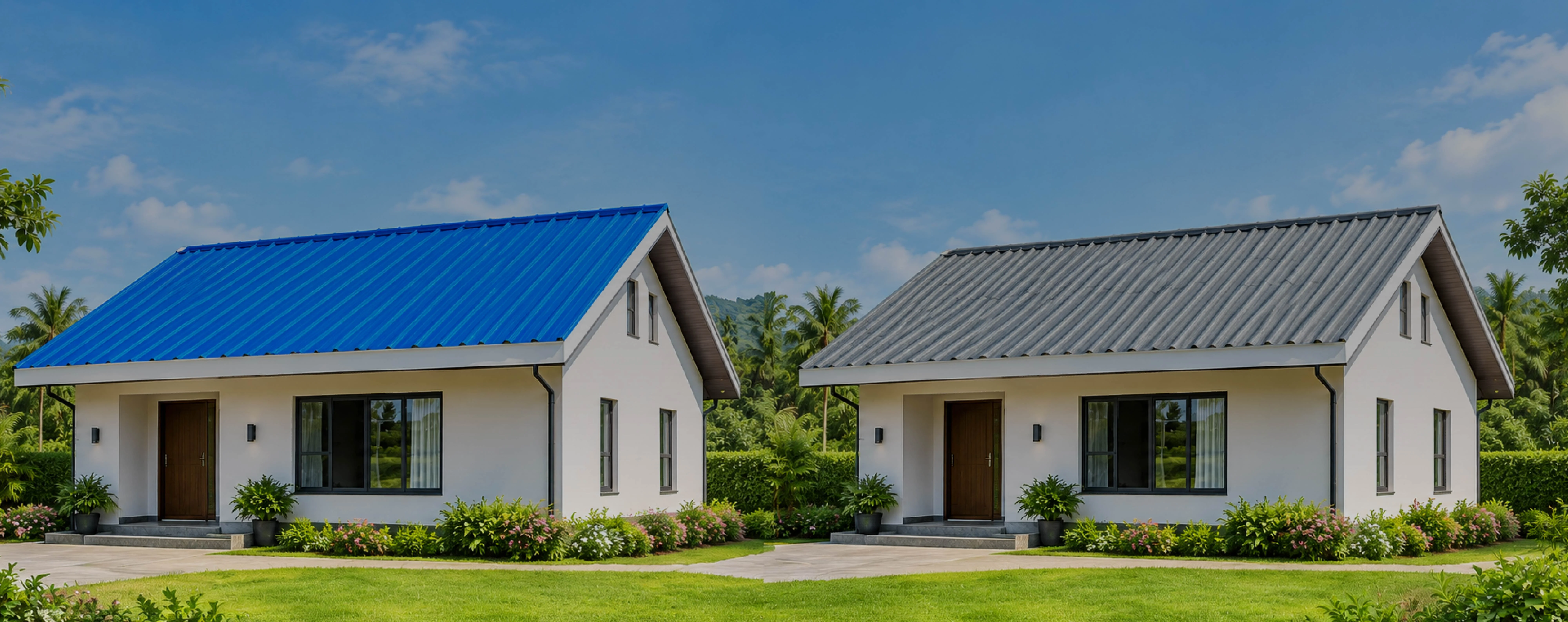
Understand the key differences between fibre cement and coloured steel roofing sheets.
22/10/2026
7 minutes read
What to consider before you choose, from moisture and footfall to pattern and light
- - 23/10/2026
How the right construction chemicals can prevent common building maintenance problems
- - 22/10/2026
Understand the key differences between fibre cement and coloured steel roofing sheets.
- - 22/10/2026

Learn when waterproof putty is worth the upgrade for your walls
- - 19/10/2026
