When it comes to tiling, the strength and beauty of the finish depend not just on the quality of the tiles but on how well the adhesive beneath them is applied. Tile adhesive acts as the bond between your tiles and the surface, ensuring they stay firmly in place for years. Incorrect application - whether it’s uneven spreading, wrong mixing ratios, or skipping surface preparation - can lead to hollow sounds underfoot, cracks, or even detachment over time. A perfectly tiled surface, whether on walls, floors, or countertops, starts with mastering this crucial step. That’s why knowing how to apply tile adhesive correctly can make all the difference between a flawless finish and a costly rework later.
Surface Preparation
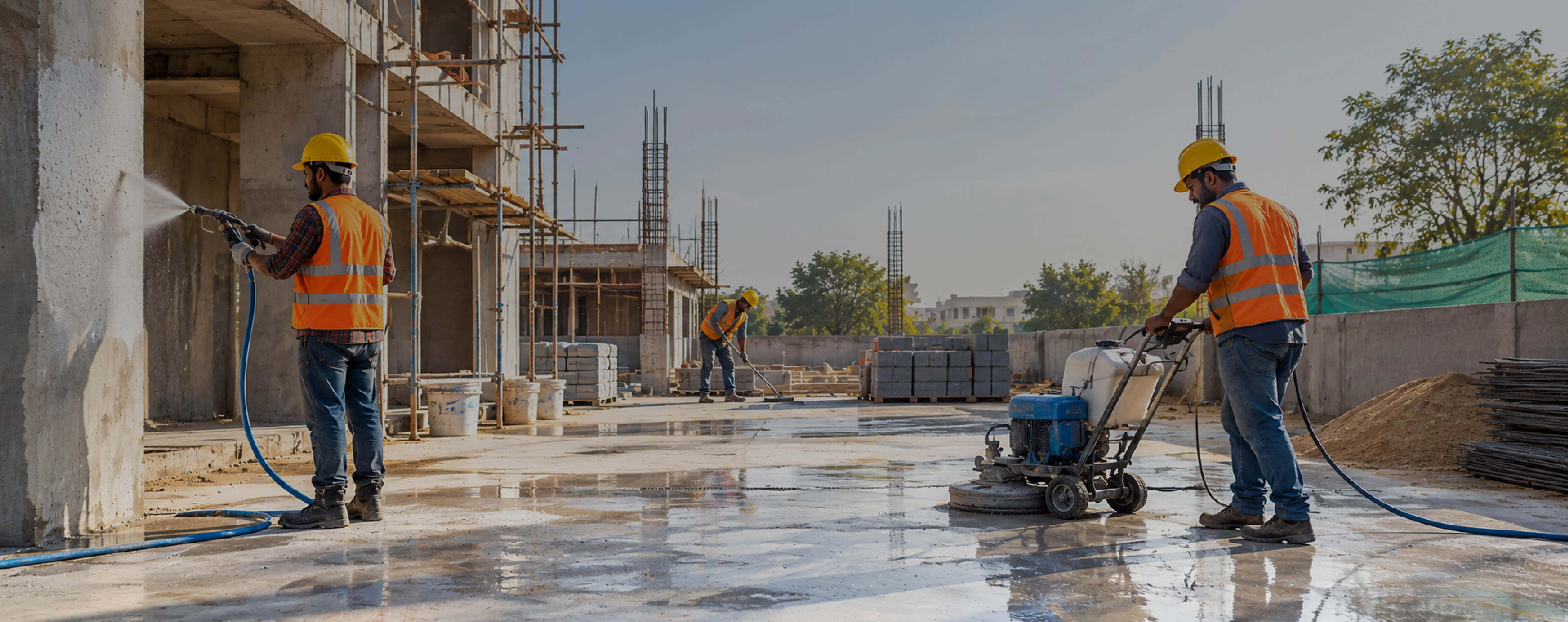
Before applying any adhesive, start by preparing the surface thoroughly. It should be clean, dry, smooth, and free from dust, grease, or loose particles. A properly prepared base ensures a stronger bond and prevents issues like unevenness or tile lift in the future. For walls and floors alike, fill any visible cracks or hollows using a levelling compound, and check that the substrate is firm and moisture-free. This step may seem basic, but it’s vital - adhesives can only perform effectively when they’re applied to a stable and well-prepared surface.
Mixing the Adhesive
Follow the manufacturer’s instructions precisely when mixing.
BirlaNu Tough Tile Adhesive, for example, is formulated for strong bonding, flexibility, and ease of use - but achieving these results depends on correct preparation. Gradually add the adhesive powder to clean water while stirring continuously to form a smooth, lump-free paste. Avoid adding too much water, as an overly thin mix can weaken adhesion and prolong drying time. For best results, use a mechanical stirrer to maintain uniformity, let the mixture rest for a few minutes, and then stir again before application.
Application Technique
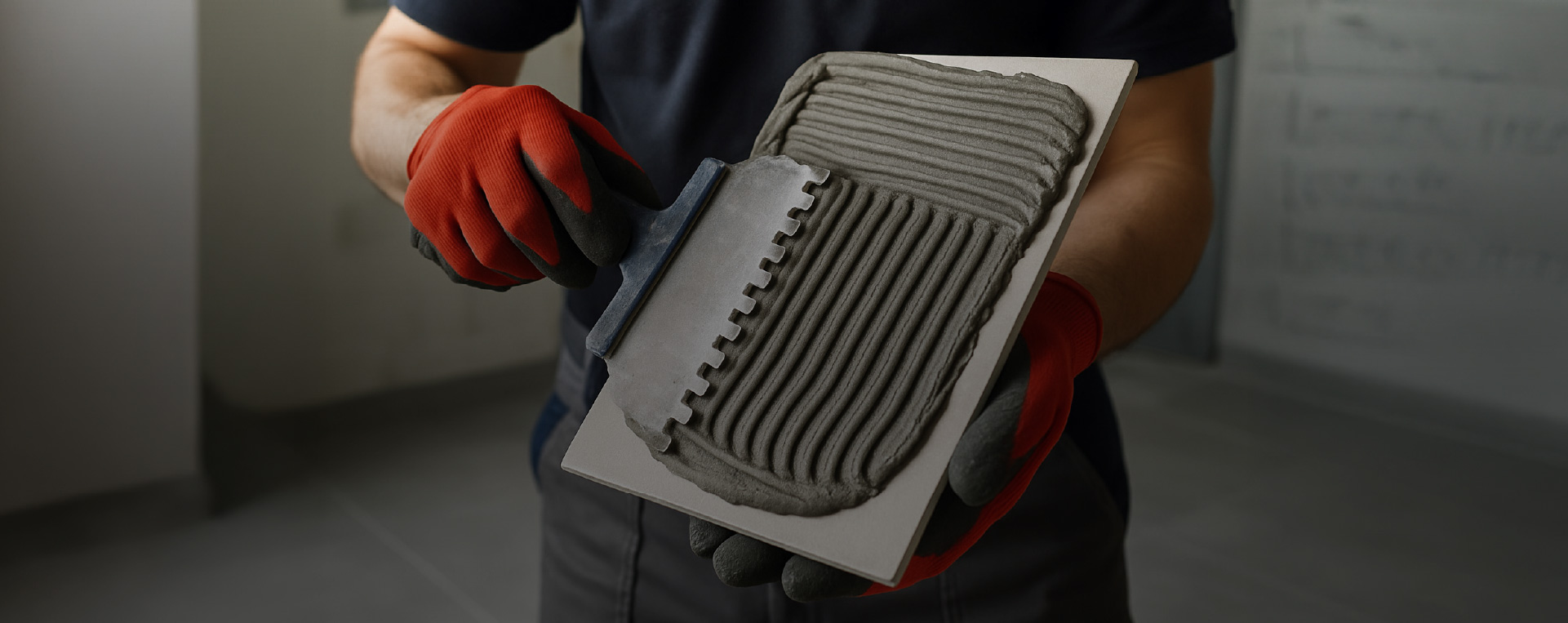
Use a notched trowel to spread the adhesive evenly on the surface. The notch size should suit the tile dimensions - larger tiles require deeper notches to ensure full coverage and grip.
For wall tiling, apply adhesive in small sections to avoid it drying out before tiles are placed. On floors, maintain an even layer thickness to provide consistent support. For larger tiles or natural stone, apply adhesive to both the substrate and the back of each tile (a method called “back buttering”) to enhance contact and stability.
Tile Placement and Alignment
Firmly press each tile into the adhesive using a gentle twisting motion to eliminate air pockets and ensure complete bonding. Use spacers to maintain consistent gaps for grouting and regularly check alignment with a spirit level to achieve perfectly straight lines. Make adjustments while the adhesive is still workable - once it starts setting, avoid repositioning tiles to preserve the bond strength.
Curing and Finishing
Allow the adhesive to cure for the recommended time before walking on the surface or applying grout. Disturbing the tiles too soon can compromise adhesion and cause movement. BirlaNu advises following the curing duration specified on the
Tough Tile Adhesive packaging for optimal results. Once cured, proceed with grouting to seal joints and enhance the visual appeal of your tiled area.
Conclusion
Installing tiles may seem straightforward, but the true craftsmanship lies in the details beneath the surface. Correct tile adhesive application is what gives your tiled spaces their long-term strength, durability, and refined finish. From cleaning and levelling the substrate to ensuring the right adhesive consistency and precise placement, every step contributes to the final result.
Mastering tile adhesive application is key to achieving a strong, durable, and visually flawless tiled surface. For consistent results and long-lasting performance, trust
BirlaNu Tough Tile Adhesive, engineered for every tile type, surface, and environment.
FAQs
Why is tile adhesive better than cement for fixing tiles?
Tile adhesive provides a stronger bond, uses less material, and helps achieve a smoother, more even finish compared to traditional cement mixtures.
How can I make sure my tiles don’t come loose over time?
Prepare the surface properly, spread the adhesive evenly, and use a trusted product like BirlaNu Tough Tile Adhesive for strong, long-lasting results.
Can tile adhesives be used in bathrooms and kitchens?
Yes, adhesives like BirlaNu Tough Tile Adhesive are perfect for wet areas such as bathrooms and kitchens.