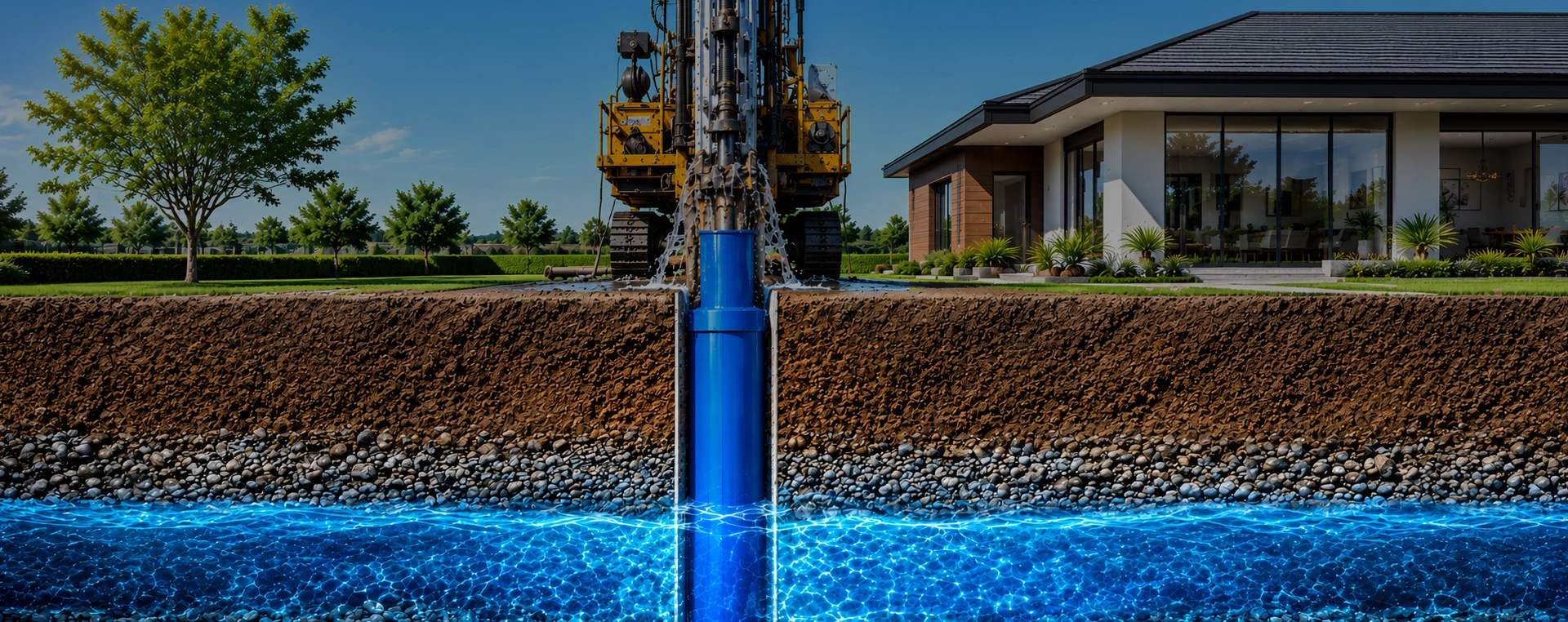
Pipe material selection plays a vital role in maintaining water quality and safety. Although pipes are hidden within a building’s structure, they directly influence the condition of the water delivered every day. From drinking and cooking to cleaning and sanitation, water passes through these materials before reaching the end user. The stability and composition of the pipe therefore affect hygiene, taste and overall reliability.
Water remains in continuous contact with the inner surface of pipes, often for extended periods during low usage. If the material is stable and certified, it helps preserve water quality. However, materials prone to corrosion or internal degradation may gradually affect clarity, safety and system performance over time.
Did you know? In many buildings, water can remain stagnant inside plumbing lines overnight or during low-usage periods, increasing the likelihood of chemical interaction with the pipe’s inner surface. This is why using certified, non-reactive pipe materials is critical to maintaining water purity, taste and safety over time.
How pipe material can impact water safety
The durability and chemical stability of pipe material determine how well it withstands prolonged exposure to flowing water.
1. Susceptibility to corrosion
Some lower-grade materials react with minerals or dissolved salts present in water. This reaction can lead to internal deterioration, surface roughness and gradual weakening. As the internal surface degrades, water clarity and taste may be affected, and the likelihood of leaks increases.
2. Risk of material leaching
Uncertified or poorly manufactured pipes may release trace elements into the water over time, particularly under high temperatures or pressure changes. Selecting certified materials significantly reduces the possibility of such contamination and supports safer water distribution.
3. Hygiene and microbial concerns
Pipes with uneven or damaged internal surfaces can encourage deposits and stagnation. This environment may contribute to microbial growth in certain conditions. Materials engineered with smooth finishes and stable composition help maintain cleaner internal pathways and support better hygiene standards.
4. Impact of temperature fluctuations
Frequent changes between hot and cold water can stress certain pipe materials, accelerating internal wear or chemical instability. Materials designed to remain stable under varying temperatures help preserve water safety and reduce degradation risks.
5. Joint integrity and contamination risk
Weak or poorly fitted joints can allow external contaminants to enter the system, particularly in concealed or underground installations. Pipes engineered with precise jointing systems help maintain sealed connections and protect the water supply from external exposure.
The importance of certified and engineered solutions
- Certified material standards ensure that pipes are tested for safety, durability and chemical stability, helping maintain water taste, clarity and hygiene over extended periods.
- Chemically non-reactive compositions reduce the risk of corrosion, internal degradation or substance leaching, especially under varying temperature and pressure conditions.
- Engineered internal surfaces promote smoother water passage, limiting deposit build-up and supporting better sanitary conditions within the pipeline.
- Precision joint technology strengthens connection points, helping prevent seepage or external contamination that may compromise water safety.
- Informed material selection not only protects water quality but also reduces recurring maintenance, unexpected repairs and long-term operational costs.
Solutions such as
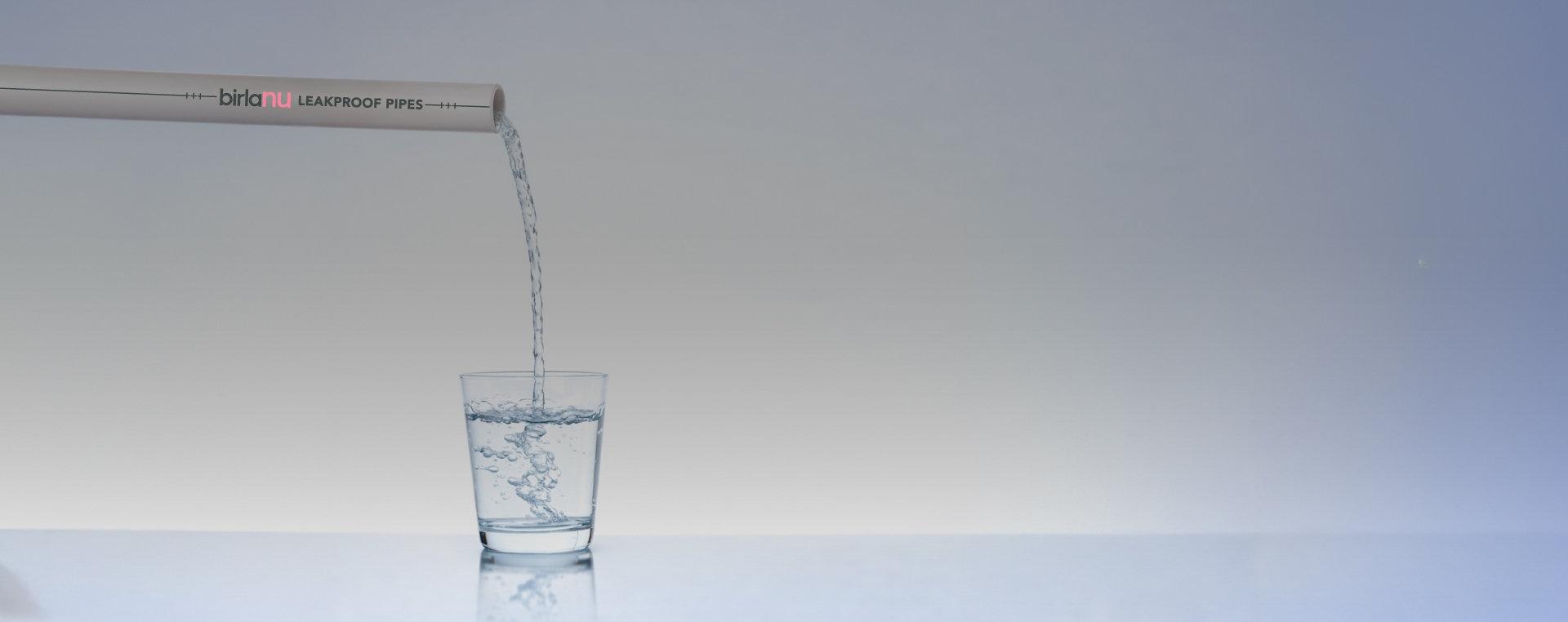
BirlaNu Leakproof Pipes are developed around these principles, combining certified formulations with proprietary TruFiT technology to support secure joints and dependable plumbing performance without compromising water integrity.
Conclusion
The choice of pipe material plays a decisive role in protecting water quality and ensuring system safety. Materials that lack stability may corrode, react or deteriorate over time, increasing contamination and maintenance risks. In contrast, certified and carefully engineered solutions help preserve water purity while supporting structural durability. Selecting the right pipe material is therefore essential for maintaining hygiene, reliability and long-term plumbing performance.
FAQs
Can the type of pipe material affect the taste or clarity of water?
Yes. Certain materials may corrode or react with minerals over time, which can influence water taste, clarity and overall quality if not properly certified.
How do I know if my plumbing pipes are affecting water quality?
Signs may include discolouration, unusual taste or recurring internal build-up. A professional inspection can help determine whether material degradation is occurring.
Why is certification important when selecting plumbing pipes?
Certification confirms that the material has been tested for safety, chemical stability and durability under defined standards, reducing risks related to contamination and degradation.
Does pipe material affect bacterial growth inside plumbing systems?
Materials with rough or damaged internal surfaces may encourage deposits and stagnation, whereas smooth and stable compositions support cleaner internal conditions.