

5 minutes read
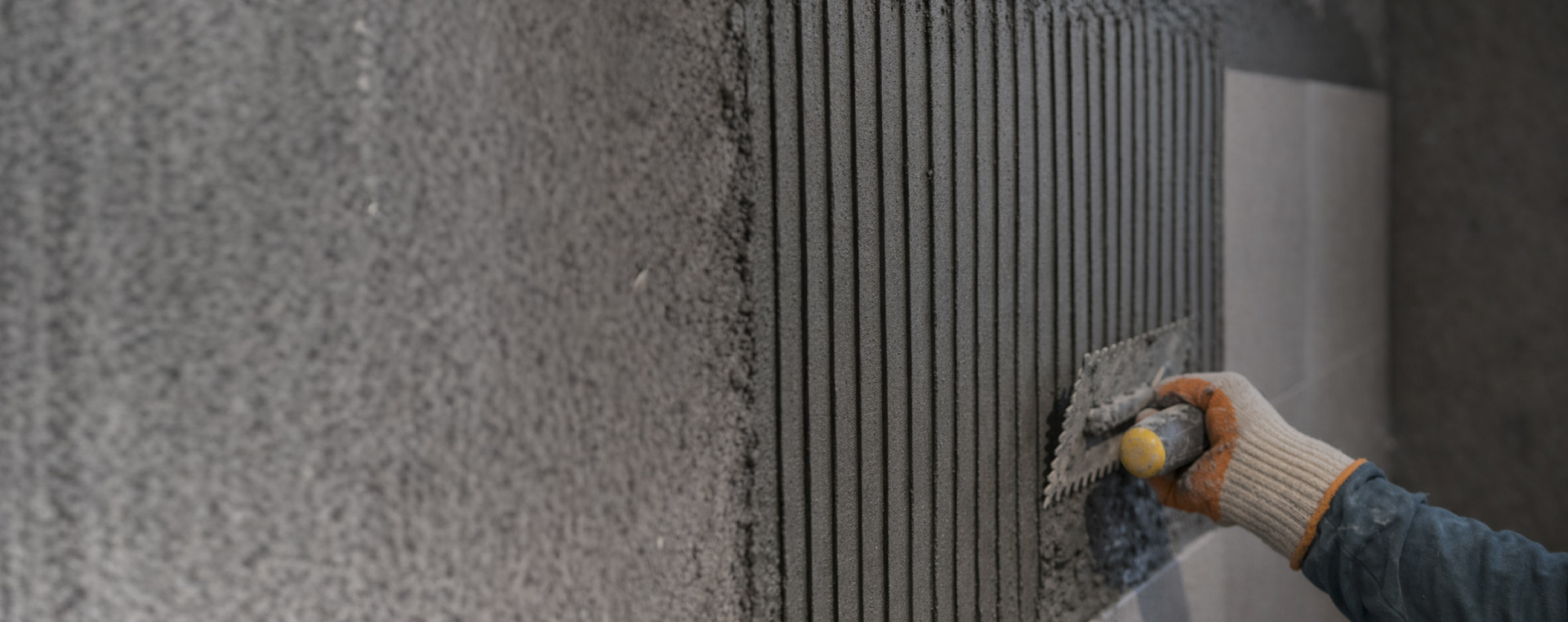
Tiles may look strong once installed, but what keeps them in place is the adhesive beneath. If the adhesive is not suited to the tile type, surface or usage, problems such as cracking, loosening or uneven finishes can appear much sooner than expected. This makes choosing the right tile adhesive a practical decision, not just a technical one.
BirlaNu tough tile adhesives are developed to support a wide range of tile types, from standard ceramic tiles to dense vitrified, natural stone and large-format tiles. The range is designed to address different installation needs by offering varying levels of bond strength, flexibility and moisture resistance, ensuring compatibility across walls and floors in both interior and exterior applications. This guide outlines the key considerations buyers should understand before selecting the most suitable BirlaNu tough tile adhesive for durable and reliable tile installations.
Did you know? The same tile adhesive may perform well on interior walls but fail prematurely on exterior floors due to thermal movement and moisture exposure.
When choosing a tile adhesive, these are the main factors to consider:
When choosing the right tile adhesive, several environmental and site conditions must be considered:
By considering these factors, buyers can select a BirlaNu tough tile adhesive that matches both the environmental conditions and the specific application, ensuring a long-lasting, reliable installation.
|
Application |
Recommended BirlaNu Adhesive |
Why it works best |
|
Wet areas (bathrooms, kitchens, balconies) |
TA 105, TA 205 |
High water resistance prevents tiles from loosening and protects against moisture damage |
|
Large-format tiles |
STA 505, STA 510, STA 1000, STA 1010 |
Stronger bond strength and better coverage support heavier tiles and prevent sagging or hollow spots |
|
High-traffic floors (living rooms, corridors, commercial areas) |
TA 210, STA 510 |
Designed for durability and continuous use, ensuring tiles remain firmly in place without cracking |
|
Flexible substrates (gypsum board, plywood) |
DSTA 605, DSTA 610, DSTA 615, DSTA 620 |
Flexible adhesives absorb movement, preventing cracks and debonding on sensitive surfaces |
|
All-round premium performance |
PUA 5000 |
Two-component high-performance adhesive suitable for all tile types and challenging surfaces, ideal for exterior and high-demand applications |
Choosing the right tile adhesive is just as important as selecting the tiles themselves. BirlaNu tough tile adhesives offer a range of solutions designed to match different tile types, installation conditions and environmental factors. By understanding key factors such as bond strength, flexibility, tile compatibility and site conditions, buyers can select the adhesive that ensures tiles stay firmly in place, resist cracks and maintain a smooth, durable finish over time. The right BirlaNu adhesive makes every tile installation stronger, longer-lasting and hassle-free.
How do I choose the right tile adhesive?
Consider tile type, surface, environment, moisture exposure, and traffic to select an adhesive that suits the application.
Can I use the same adhesive for walls and floors?
Not always. Wall adhesives may differ from floor adhesives due to weight support and movement requirements.
What type of adhesive works for high-traffic areas?
Durable adhesives maintain tile adhesion under constant foot traffic and prevent cracking over time.
Which adhesive is suitable for wet areas?
Adhesives for wet zones are water-resistant, ensuring tiles stay secure in bathrooms, kitchens, balconies, or other moisture-prone areas.
Can tiles crack if the adhesive is wrong?
Yes, an incompatible adhesive can lead to cracks, loose tiles, or uneven surfaces.
The latest
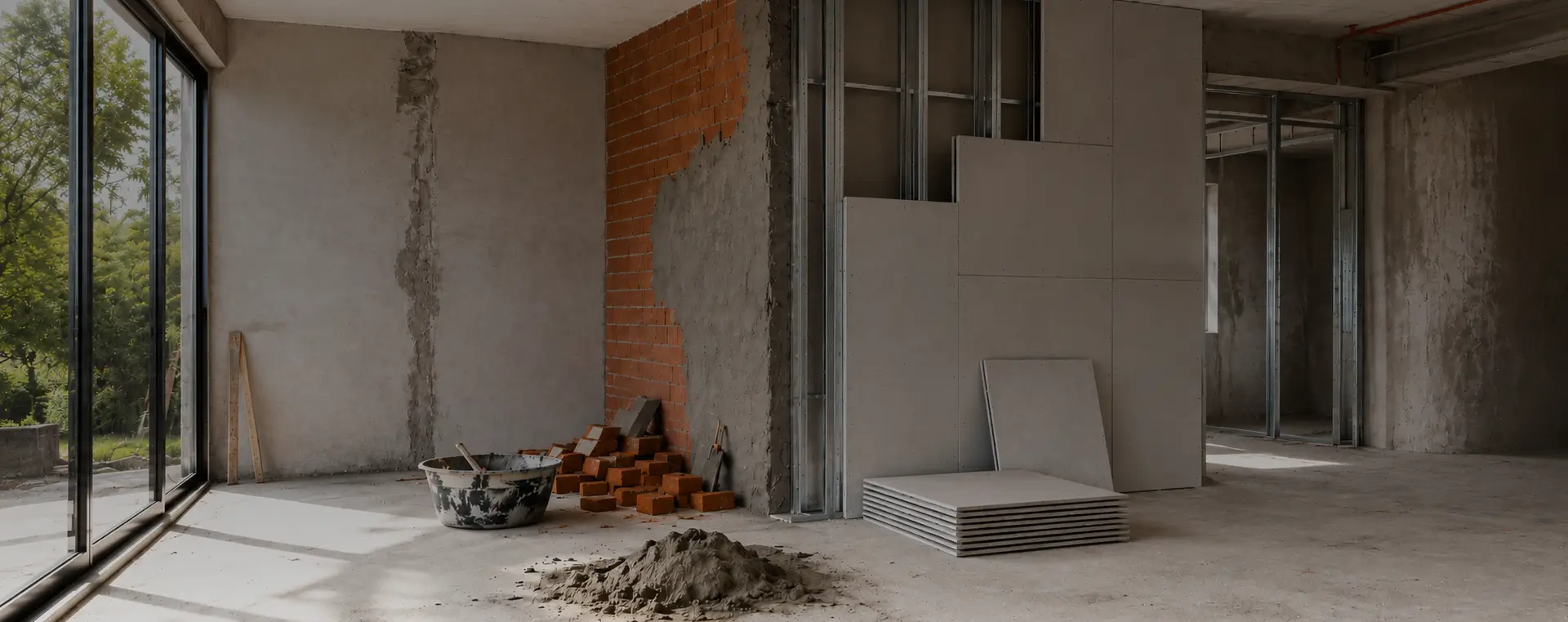
Avoid common wall construction mistakes with smarter building solutions. Learn when to use fibre cement boards and ensure durable, high-quality finishes.
23/07/2026
9 minutes read
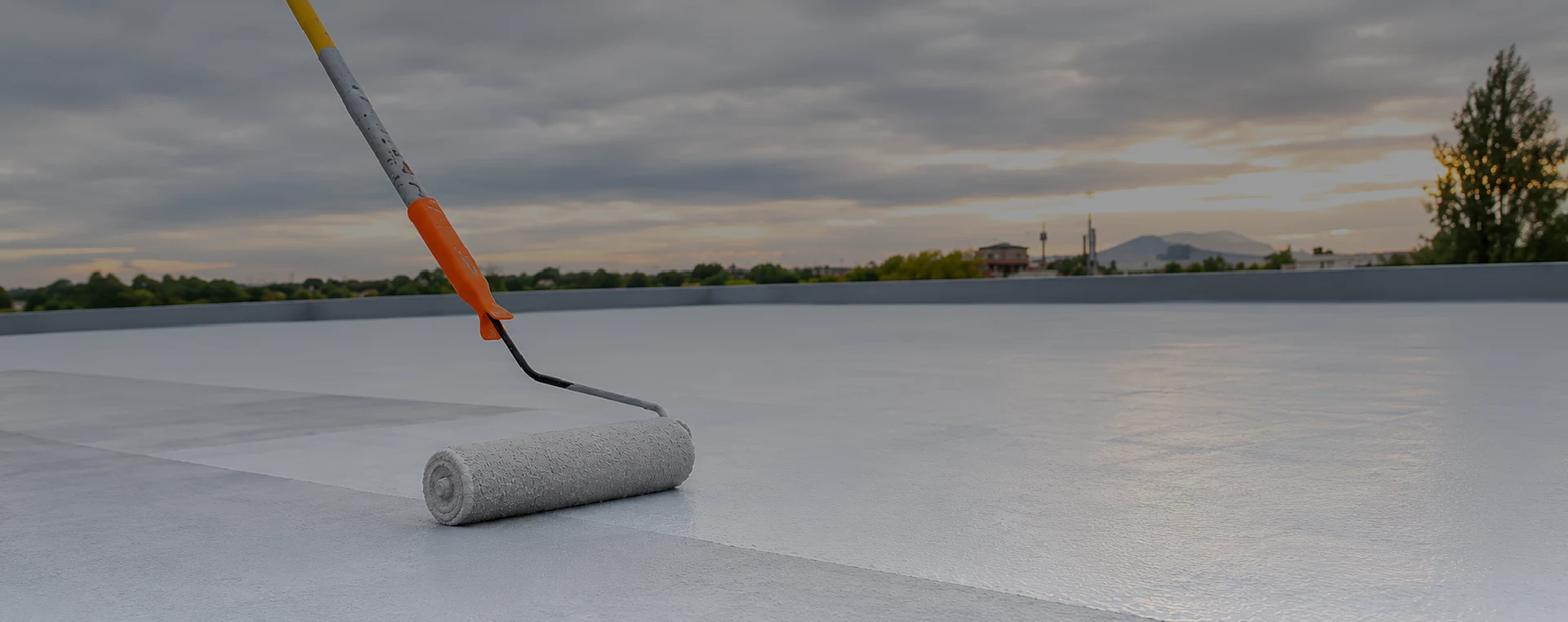
The essential waterproofing solutions for lasting protection.
23/07/2026
7 minutes read
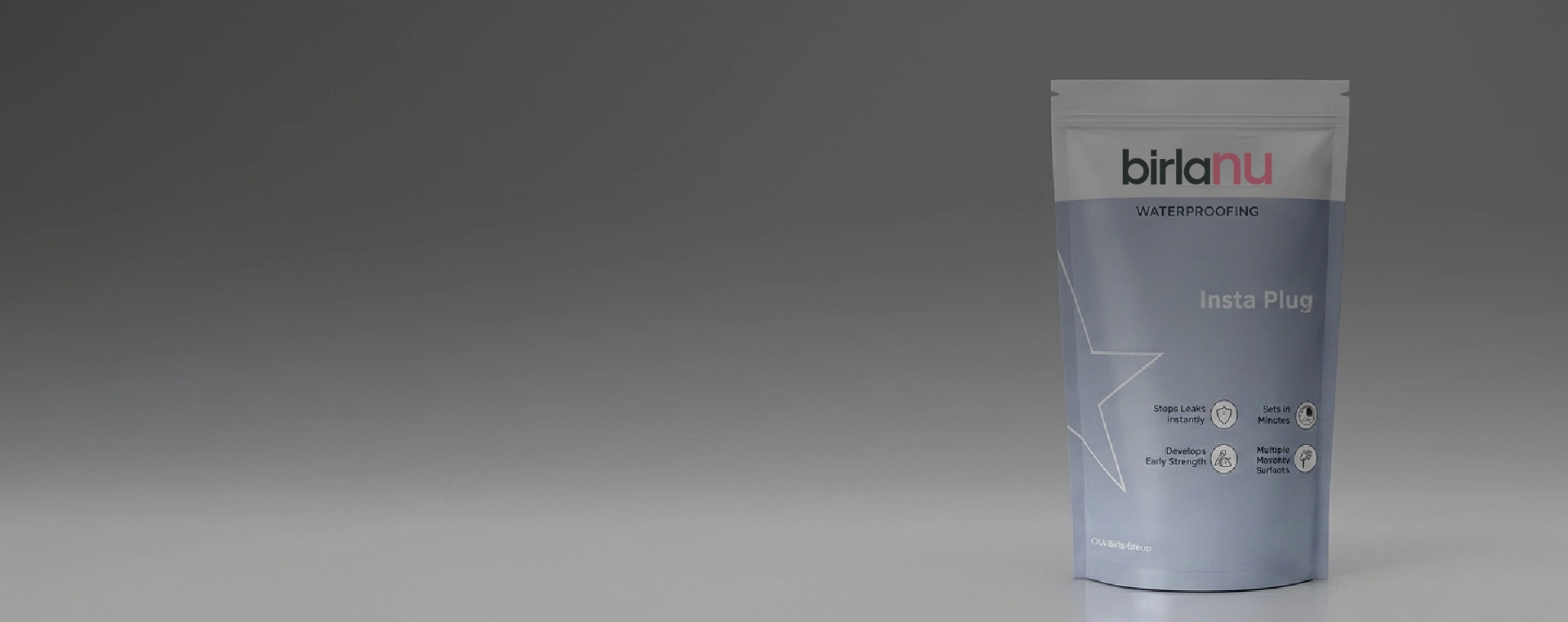
A fast solution for active leaks and seepage under pressure.
14/07/2026
7 minutes read
Avoid common wall construction mistakes with smarter building solutions. Learn when to use fibre cement boards and ensure durable, high-quality finishes.
- - 23/07/2026
The essential waterproofing solutions for lasting protection.
- - 23/07/2026
A fast solution for active leaks and seepage under pressure.
- - 14/07/2026
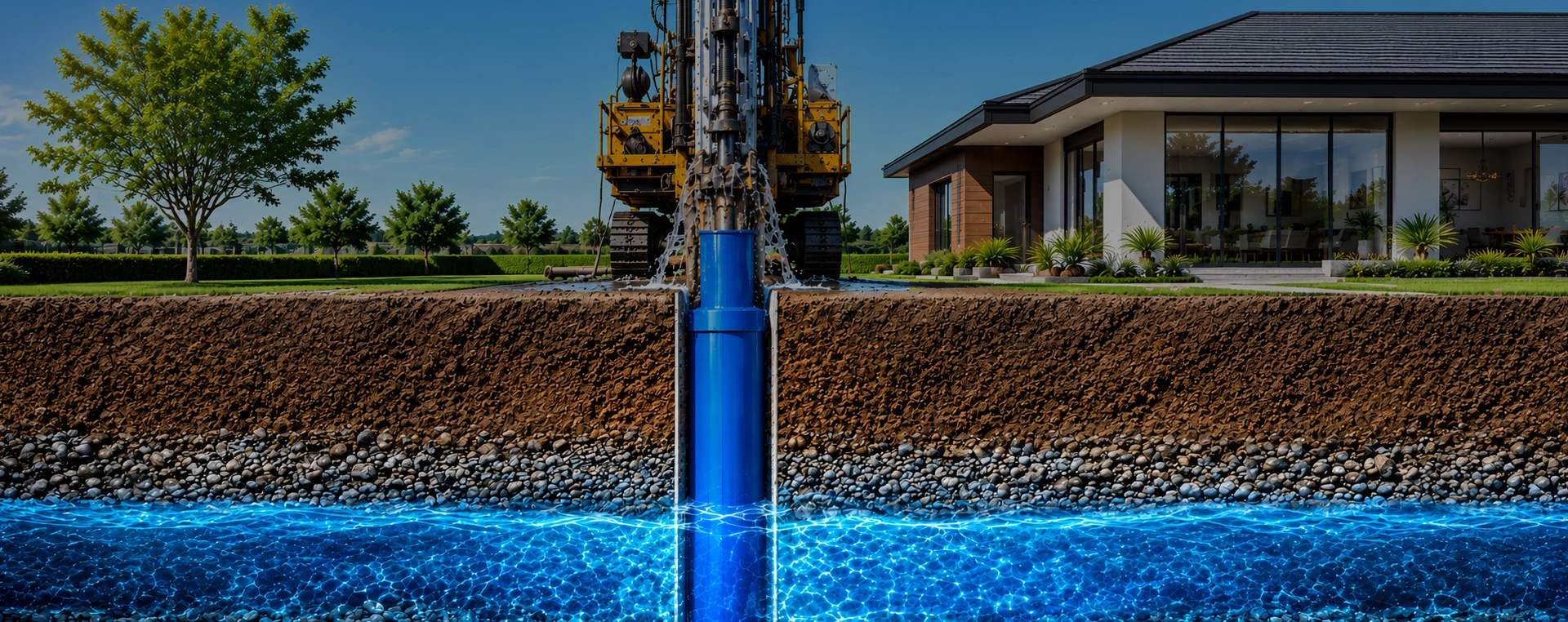
Ensuring borewell stability, durability, and reliable water extraction.
- - 14/07/2026
