What if the strength and lifespan of a structure could be significantly improved without changing its core ingredients? The answer often lies not in the cement or aggregates, but in what is added in small, carefully measured quantities.
Concrete remains one of the most widely used construction materials, yet its performance today goes far beyond traditional mixes of cement, sand and aggregates. Modern projects demand faster construction cycles, improved durability and adaptability to varying site conditions. To meet these expectations, concrete must be engineered for performance - and this is where admixtures play a critical role.
Concrete admixtures are specialised materials added in controlled doses to modify specific properties of the mix. Whether the objective is to enhance workability, regulate setting time or improve long-term durability, the right admixture can directly influence structural performance and execution efficiency.
Did you know? Even a slight variation in admixture dosage can alter how concrete flows, sets and gains strength - impacting construction timelines, finishing quality and long-term structural stability.
Why admixtures are essential in modern construction
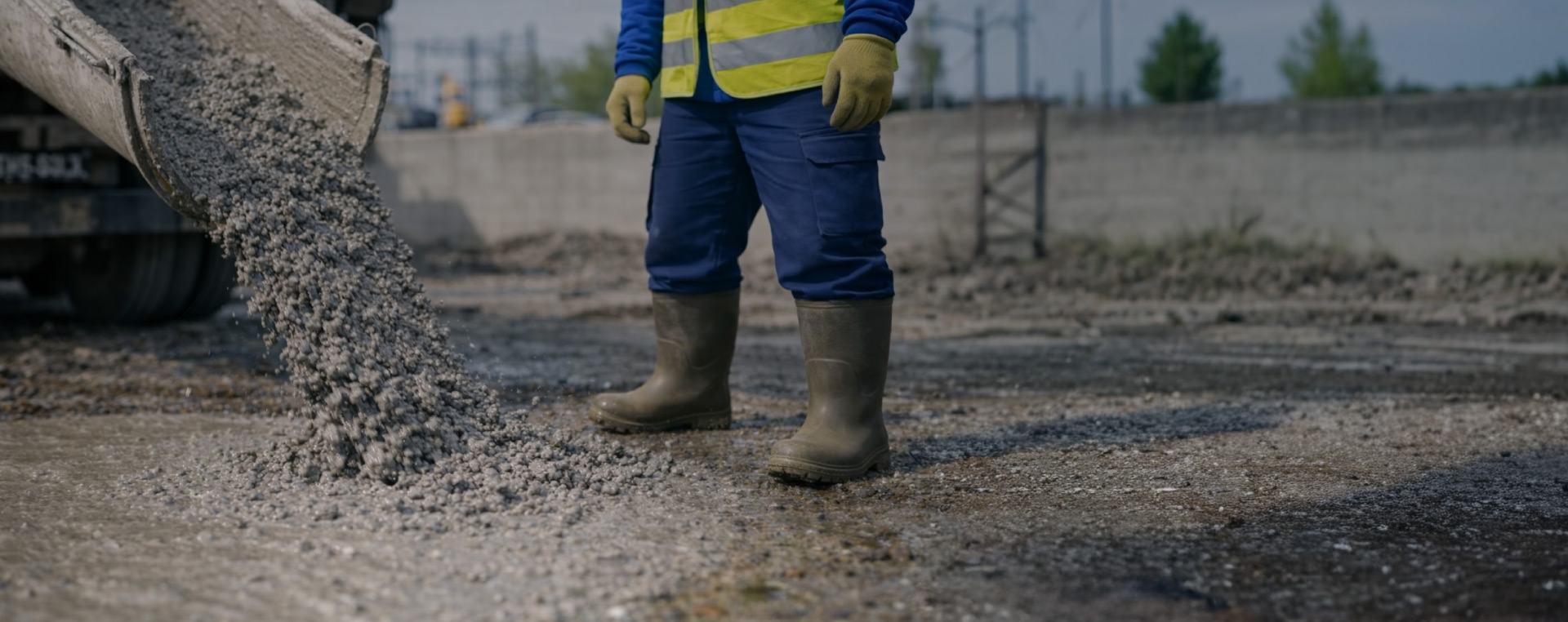
Concrete behaviour is influenced by temperature, humidity, transportation time and structural requirements. Without admixtures, maintaining consistency across different site conditions becomes challenging.
Admixtures help contractors and engineers achieve predictable performance, especially in large-scale or technically demanding projects. They improve ease of placement, reduce water content and support better strength development.
Common types of concrete admixtures
1. Plasticisers and superplasticisers
These admixtures improve the workability of concrete without increasing water content. By reducing water-cement ratio while maintaining flow, they enhance compressive strength and produce a denser mix. They are widely used in high-rise buildings and heavily reinforced structures where proper compaction is critical.
Performance benefit: Better flow, improved strength and reduced segregation.
2. Retarders
Retarders slow down the setting time of concrete. They are especially useful in hot weather conditions where concrete may set too quickly, leading to cracking or poor finishing.
Performance benefit: Extended working time and improved finishing quality in high-temperature environments.
3. Accelerators
Accelerators speed up the setting and early strength development of concrete. They are commonly used in cold weather or in projects requiring rapid construction cycles.
Performance benefit: Faster strength gain and reduced waiting time before formwork removal.
4. Waterproofing admixtures
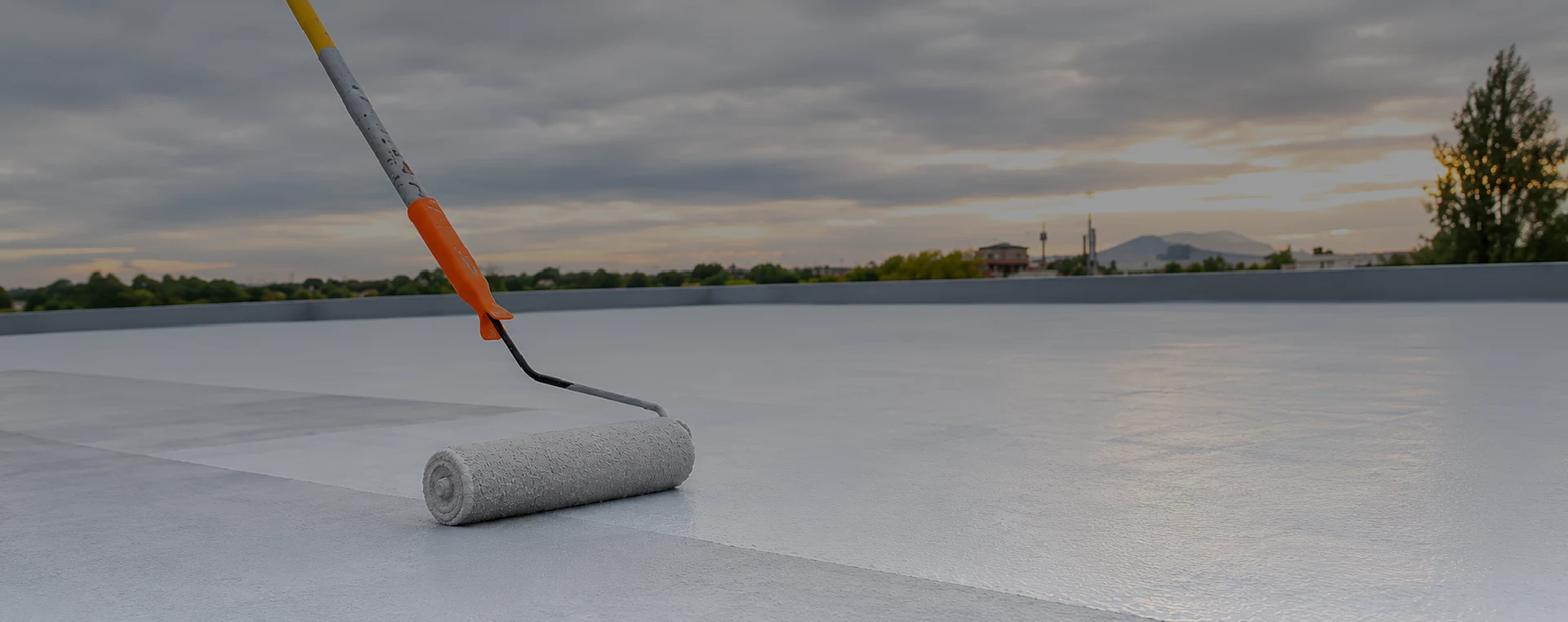
Waterproofing agents reduce permeability within concrete, limiting water ingress and protecting reinforcement from corrosion. These are critical in basements, water tanks and external structures exposed to moisture.
Performance benefit: Enhanced durability and reduced risk of seepage or structural damage.
Choosing the right admixture for site conditions
- Begin by understanding the project requirements, including strength targets, durability expectations and construction timelines.
- Evaluate environmental conditions such as temperature, humidity and exposure to water or chemicals.
- Determine the required level of workability based on placement method, pumping needs and reinforcement congestion.
- Select admixtures that help control setting time in response to weather and scheduling demands.
- Consider long-term performance factors, especially for structures exposed to aggressive or high-load environments.
- Check compatibility with the chosen cement type and other mix components to ensure stable performance.
- Adhere strictly to recommended dosage guidelines to maintain consistency and structural reliability.
The performance advantages of proper selection
• Improves concrete workability, making placement and compaction easier and more uniform.
• Enhances early and long-term strength development for stronger structural performance.
• Provides better control over setting time, helping projects stay on schedule in varying weather conditions.
•
Reduces the risk of cracks, shrinkage and surface defects.
• Increases resistance to water ingress, chemicals and environmental stress.
• Minimises material wastage by optimising mix efficiency.
• Extends the overall service life of the structure with improved durability.
Conclusion
Concrete performance today is shaped not only by core materials but by how intelligently the mix is engineered. Admixtures allow concrete to adapt to site demands, environmental conditions and structural requirements without compromising strength or durability.
When selected and dosed correctly, they improve workability, control setting time and enhance long-term performance. In modern construction, the right admixture is not an optional addition - it is a strategic component that ensures stronger, more efficient and more durable structures.
FAQs
What are concrete admixtures and why are they used?
Concrete admixtures are specialised materials added in small quantities to modify the properties of concrete. They are used to improve workability, control setting time, increase strength and enhance durability based on project requirements.
Do admixtures make concrete waterproof?
Certain waterproofing admixtures reduce permeability by blocking capillary pores. While they improve resistance to water penetration, proper mix design and curing are also essential for effective waterproofing.
Why is my concrete cracking even after using good quality cement?
Cracking can result from improper water content, rapid drying, temperature changes or lack of suitable admixtures. Using the right admixture helps control shrinkage, setting time and strength development.
How do I choose the right admixture for my construction site?
The selection depends on weather conditions, project timeline, required strength and exposure conditions. For example, hot weather may require retarders, while fast-track projects may benefit from accelerators.