

4 minutes read
Pipe leakage is one of the most common issues faced in plumbing systems across residential and commercial buildings. Even a small leak can gradually lead to water wastage, damage to walls and floors and increased maintenance costs if it is not addressed early.
Leakage usually occurs when certain components within the plumbing system weaken over time. Factors such as installation quality, pipe durability and water pressure levels can influence how well a plumbing network performs in the long term.
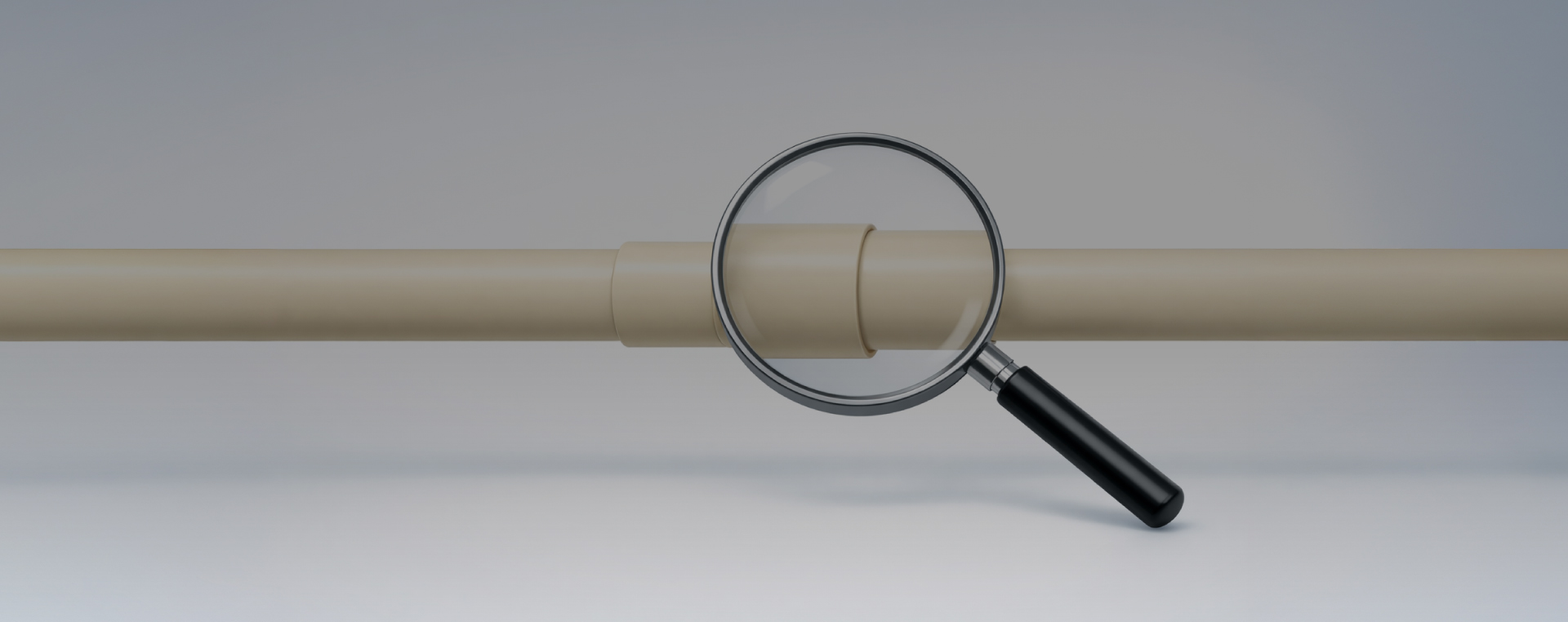
Did you know? Many plumbing leaks begin at pipe joints and fittings, where continuous water pressure gradually weakens the connection over time.
Understanding the common causes of pipe leakage can help homeowners and builders take preventive steps to maintain reliable plumbing systems.
Improper installation is one of the leading causes of plumbing leaks. If pipes are not aligned correctly or fittings are not secured properly, weak joints may develop within the system.
Over time, water pressure and daily usage can place additional stress on these joints, eventually causing leakage. Ensuring that pipes are installed with correct alignment and proper jointing techniques can significantly reduce the risk of leaks.
Pipe joints are critical points in any plumbing system because they connect different pipe sections together. If joints are not sealed properly or become damaged during installation, they can gradually begin to leak.
Using reliable fittings and correct jointing methods helps strengthen these connection points. In many plumbing systems, durable solutions such as BirlaNu Leakproof Pipes are incorporated to support stronger pipe connections and improved leak resistance.
While adequate water pressure is necessary for smooth water supply, excessively high pressure can place strain on pipes and fittings. Over time, this pressure can weaken joints and cause cracks or leakage in the pipeline.
Installing pressure control mechanisms and ensuring balanced water pressure across the system can help protect pipes from unnecessary stress.
Like most building materials, plumbing pipes can deteriorate with age. Long-term exposure to water flow, environmental conditions and mineral deposits may gradually weaken pipe surfaces.
Older pipes are therefore more likely to develop cracks or leaks over time. Replacing ageing pipelines with durable and well-designed piping solutions helps improve the reliability of the plumbing system.
In some plumbing systems, pipes may experience corrosion due to chemical reactions with water or environmental factors. Corrosion gradually weakens pipe walls and increases the chances of leakage.
Using high-quality and corrosion-resistant piping materials can help minimise this risk. In many installations, durable piping solutions such as BirlaNu Leakproof Pipes are used as part of plumbing networks designed for long-term performance.
Plumbing systems are often hidden within walls, floors or underground pipelines, which makes it difficult to notice early signs of damage. Without routine inspection, minor issues can remain unnoticed until they become larger leaks.
Regular plumbing checks help identify small cracks, loose fittings or early-stage leaks before they develop into major problems.
Pipe leakage can affect both the efficiency and reliability of a plumbing system if it is not addressed in time. Issues such as poor installation, weak joints, excessive water pressure and ageing pipes are among the most common causes of leakage.
Preventive measures such as proper installation, routine inspection and the use of durable piping materials can significantly reduce the risk of leaks. In many plumbing systems, high-quality solutions such as BirlaNu Leakproof Pipes are incorporated as part of networks designed to support reliable and leak-resistant water distribution.
How do I find a hidden pipe leak inside my wall?
Signs such as damp patches, mould growth or unexplained water stains often indicate a hidden pipe leak.
How can I prevent pipe leakage in my home plumbing system?
Regular inspection, proper installation and using durable plumbing materials help reduce the risk of leaks.
Why do pipes start leaking suddenly even if they were working fine before?
Sudden leaks often occur when pressure fluctuations or small internal cracks reach a breaking point.
The latest
Understanding why AAC blocks are a strong and efficient choice for multi-storey buildings
10/09/2026
8 minutes read
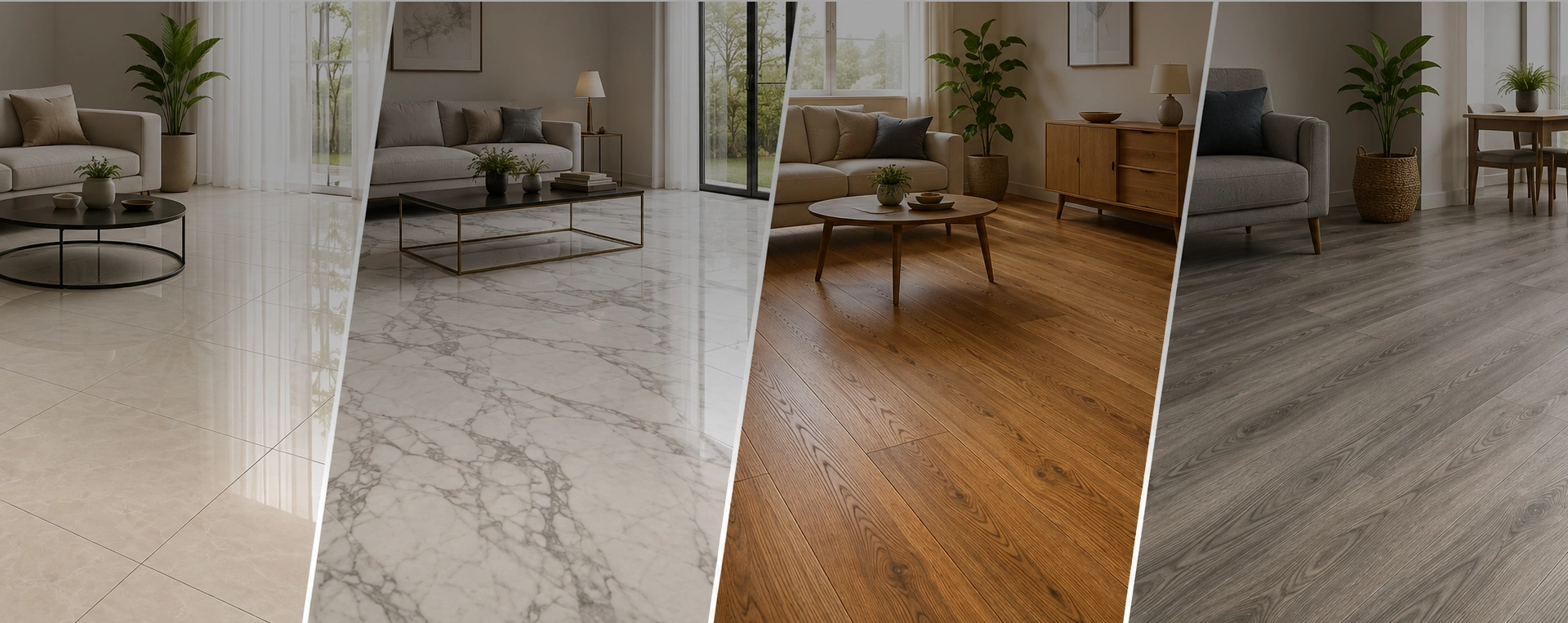
Explore the key differences between popular flooring materials and choose what suits your home.
10/09/2026
9 minutes read

How the right flooring can enhance light, flow and the sense of space in your home
10/09/2026
9 minutes read
Understanding why AAC blocks are a strong and efficient choice for multi-storey buildings
- - 10/09/2026
Explore the key differences between popular flooring materials and choose what suits your home.
- - 10/09/2026
How the right flooring can enhance light, flow and the sense of space in your home
- - 10/09/2026

How weather conditions affect fibre cement board and plywood
- - 09/09/2026
