Key takeaways
- Wall putty fills minor imperfections and creates a smooth surface.
- A wall primer seals the surface and improves paint adhesion.
- Putty and primer perform different functions.
- Waterproof wall putty is useful on moisture-prone surfaces but does not repair active leakage.
- Interior and exterior walls require primers suited to their exposure conditions.
A freshly painted wall may look complete, but its finish depends greatly on the layers underneath. Uneven patches, peeling paint and visible pores often begin with poor surface preparation rather than the paint itself.
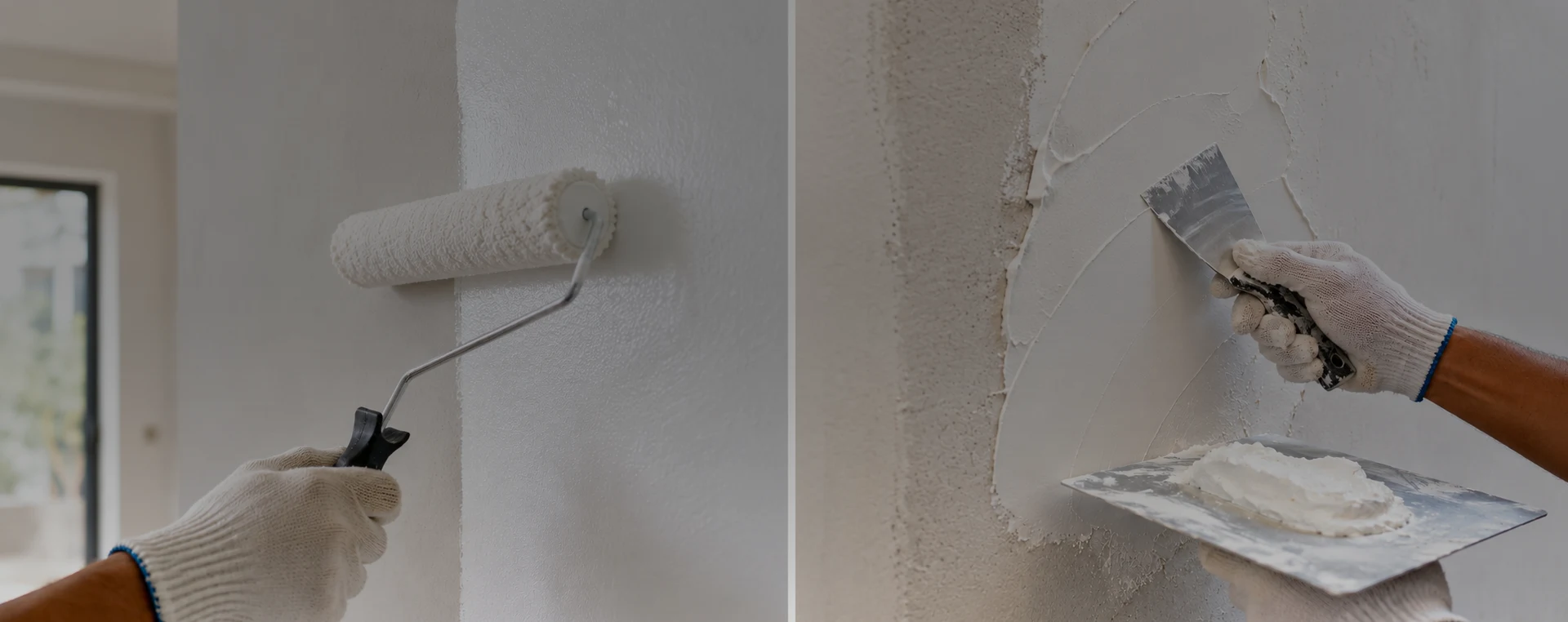
Wall putty and wall primer are both used before painting, so they are often confused or treated as substitutes. In reality, wall putty prepares the surface, while primer prepares it to receive paint.
What is wall putty?
Wall putty is a fine finishing material applied over cement plaster, concrete or other compatible masonry surfaces before painting. It fills minor pores, shallow undulations and surface imperfections.
Once applied and sanded, putty creates a more even base and helps the final paint appear smoother. However, it cannot repair structural cracks, active seepage or major plaster damage. These problems must be treated before application.
Standard putty may suit dry interior spaces, while waterproof wall putty may be more appropriate for walls exposed to humidity or occasional moisture.
BirlaNu Waterproof wall Putty is a white cement-based formulation enhanced with silane-silicone chemistry. It is designed for moisture-prone areas such as kitchens, bathrooms and coastal environments, subject to correct surface preparation and application.
What is wall primer?
A wall primer is a preparatory coating applied before the final paint. Unlike putty, it does not level the wall or fill visible undulations.
Primer seals porous surfaces so the topcoat is not absorbed unevenly. It also creates a bonding layer between the prepared wall and paint, supporting better adhesion, coverage and colour consistency.
Applying paint directly over a porous or freshly sanded surface can lead to patchiness. Choosing the right primer for walls helps create a consistent base for the final finish.
Wall putty vs primer: The key difference
Wall putty works on the physical condition of the surface. It fills small imperfections, reduces unevenness and creates a smoother base.
Wall primer works on coating performance. It seals the prepared surface, improves paint grip and supports a more uniform final coat.
In simple terms, putty prepares the wall, while primer prepares it for paint. A smooth wall without primer may absorb paint unevenly, while a primed but uneven wall may still show dents and pores.
What should be applied first?
For many new walls, the common sequence is surface preparation, putty, sanding, wall primer and paint. The surface must be stable, clean and free from loose plaster, dust, oil and active moisture.
Some coating systems may recommend an initial primer or sealer before putty on highly porous surfaces. The correct sequence should therefore follow the product instructions and wall condition.
After putty dries, it should be sanded before primer is applied. Painting over damp putty or primer that has not dried properly can affect adhesion and finish quality.
When should waterproof wall putty be used?
Waterproof wall putty is useful where a wall may face higher humidity or moisture absorption. Common applications include kitchens, bathrooms, utility areas and homes in humid or coastal regions.
BirlaNu TruColour Waterproof Putty is designed for wet and humid zones and helps create a water-repellent surface that resists damp patches, peeling and fungal growth.
However, waterproof putty should not be used to cover unresolved leakage. Water entering through plumbing lines, cracks, roofs or external walls must first be stopped using the appropriate repair and waterproofing system.
Why exterior walls need the right primer
Exterior walls face sunlight, rain, humidity, dust and temperature changes. The surface beneath the paint must therefore support strong adhesion under more demanding conditions than an interior wall.
An exterior primer is formulated for outdoor cement, concrete and plastered surfaces. It creates a stable undercoat, reduces uneven absorption and supports the exterior topcoat.
BirlaNu Primers for wall include solutions developed for interior and exterior surfaces. BirlaNu Exterior Primer is water-thinnable and designed to improve topcoat adhesion on exterior cement walls, concrete and plastered areas. It also provides a smooth, alkali-resistant base for exterior paint.
The primer should always match the surface and environment.
Choosing the right combination
The correct products depend on the wall’s condition and location.
A relatively even interior wall may need limited putty correction followed by an interior primer. A rough or newly plastered wall may require more levelling before priming.
Moisture-prone walls may benefit from waterproof wall putty once the moisture source has been addressed. External walls should be prepared with a suitable putty and exterior primer based on the recommended coating system.
The BirlaNu TruColour Putty range includes products for different surface needs, while BirlaNu Primers include interior, exterior and universal options. Selecting compatible products allows each layer to perform its intended role.
Common application errors to avoid
Do not apply putty over loose plaster, dust or an actively damp wall. Avoid using thick layers to hide major cracks or structural defects.
Allow each coat to dry according to the pack instructions and sand putty evenly before priming. Primer should be mixed or thinned only as recommended.
Conclusion
Wall putty and wall primer are both important to surface preparation, but they are not interchangeable.
Putty corrects minor imperfections and creates a smoother wall. Primer seals that surface, improves paint adhesion and supports uniform coverage. Waterproof wall putty can add protection in moisture-prone areas, while an exterior primer prepares outdoor walls for demanding conditions.
By selecting the right BirlaNu putty and primer for the wall condition, location and paint system, homeowners and professionals can create a smooth, durable and consistent finish.
FAQs
Should wall putty or primer be applied first?
In most new wall-painting systems, wall putty is applied first, followed by sanding, primer and the final paint. However, the exact sequence may vary depending on the condition and porosity of the wall, so the application instructions for the selected products should always be followed.
Can paint be applied directly over wall putty without primer?
Applying paint directly over wall putty is generally not recommended. Putty can absorb paint unevenly, which may result in patchy colour and reduced adhesion. Using a suitable primer for walls helps seal the putty surface and creates a more uniform base for paint.
Does waterproof wall putty prevent dampness and seepage?
Waterproof wall putty can help reduce surface water absorption and provide added protection in humid or moisture-prone areas. However, it cannot stop active seepage caused by plumbing leaks, structural cracks or failed waterproofing. The source of water ingress must be repaired before applying putty. BirlaNu TruColour Waterproof Putty uses a cement-based formulation enhanced with silane-silicone waterproofing.
Why should I use an exterior primer?
An exterior primer improves paint adhesion, reduces surface porosity and helps create a durable finish on exterior walls.
Is waterproof wall putty enough to stop seepage?
No. Waterproof wall putty helps resist moisture but cannot stop active leaks or seepage caused by structural issues.