Understanding the causes of wall cracks & the right solutions to prevent them
Cracks in walls are a common concern across residential, commercial and institutional buildings, whether newly constructed or ageing. While some cracks may seem superficial at first, they often point to underlying issues such as material incompatibility, poor installation practices or construction-related stress. If left unaddressed, these cracks can gradually expand, affecting surface finishes, structural performance and long-term durability. Selecting the right wall cracking solution at an early stage plays a crucial role in preserving the strength and reliability of any structure.
Modern construction environments demand materials that can adapt to movement, control shrinkage and deliver consistent performance across different applications. From blockwork and jointing to plastering and finishing, every construction stage influences how effectively walls resist cracking over time.
Did you know? Most wall cracks originate at the joint level, where material shrinkage and uneven bonding create stress points long before cracks appear on the surface.
Common types of wall cracks
Not all wall cracks indicate the same underlying issue. Understanding their nature helps in identifying the right wall cracking solution.
- Shrinkage cracks occur as mortars and plasters lose moisture during curing.
- Structural cracks result from movement, settlement or weak joints within the wall system.
- Surface cracks are often linked to poor surface preparation or finishing practices.
How to identify wall cracks that require action
While minor cracks are common, certain signs indicate the need for closer attention.
- Cracks that widen or grow longer over time.
- Repeated cracking in the same location after repairs.
- Cracks forming near joints, corners or load-bearing areas.
Role of block jointing mortar in controlling shrinkage cracks
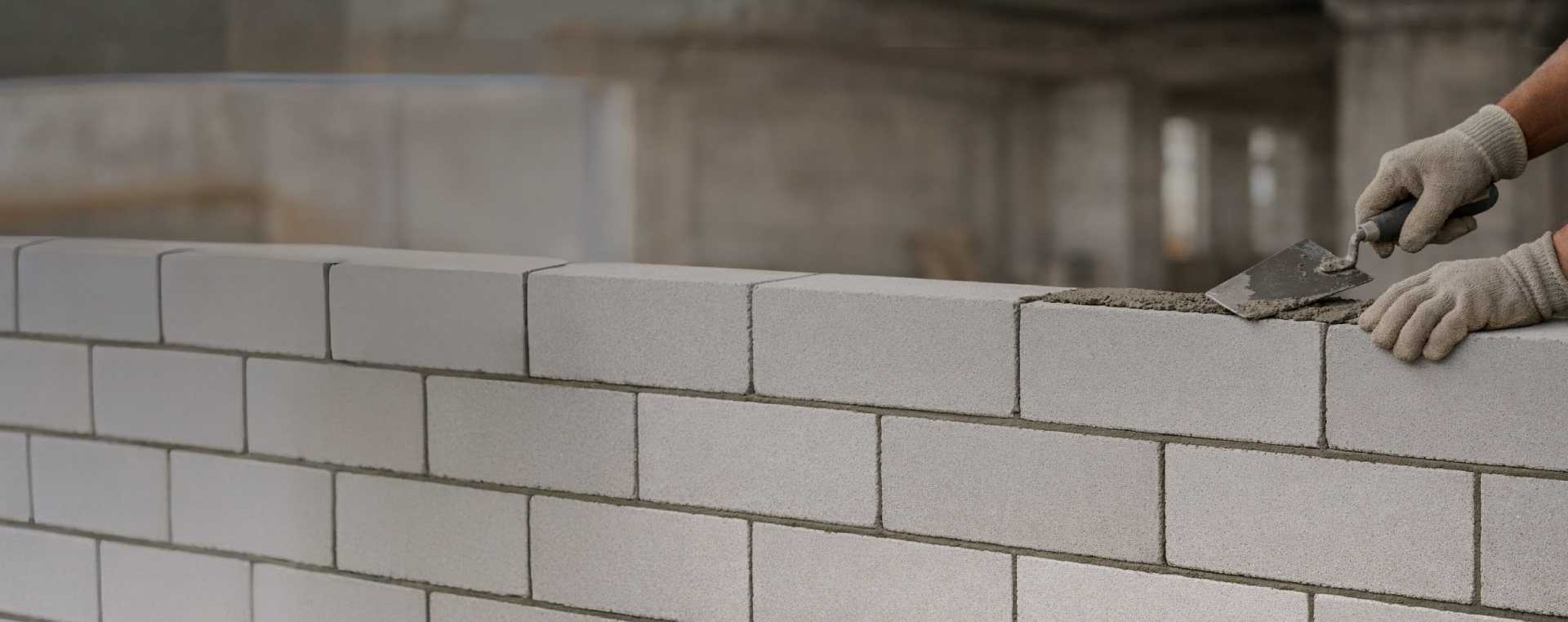
One of the most common causes of wall cracks originates at the blockwork stage. AAC and concrete blocks require precise jointing to maintain alignment and stability. When traditional cement mortar is used in thick joints, it tends to shrink as it cures, creating stress points that later develop into visible cracks.
Block jointing mortars are designed for thin-bed application, allowing joints to be filled evenly while reducing overall shrinkage. This improves load distribution and enhances wall stability. Solutions such as block jointing mortar formulations from BirlaNu are developed to support modern masonry systems, helping strengthen walls at the blockwork stage and reduce crack formation over time.
Why polymer-enhanced mortars are effective against hairline cracks
Hairline cracks often form due to minor structural movement, temperature variation or uneven bonding between construction layers. Polymer-enhanced mortars help address these challenges by improving flexibility and adhesion within joints.
The inclusion of polymers enhances bonding strength and allows joints to accommodate limited movement without cracking. This makes polymer-modified mortars suitable for areas exposed to vibration or thermal changes. Polymer-enhanced mortar solutions from BirlaNu are formulated to deliver uniform bonding and long-term joint stability, helping reduce the formation of fine cracks over time.
How proper surface preparation prevents surface-level cracking
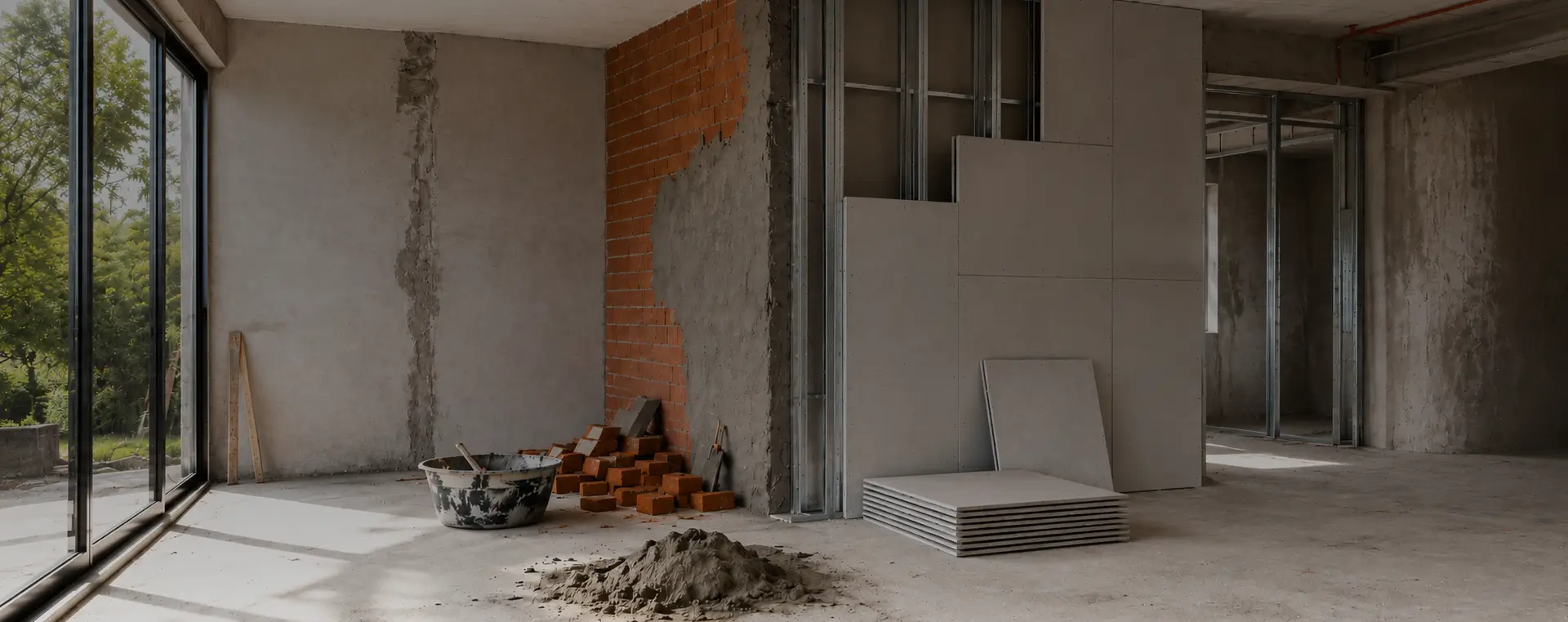
Even high-performance materials can fail if surface preparation is overlooked. Dust, uneven substrates or insufficient curing before plastering can weaken adhesion and increase the risk of surface cracks.
Correct surface preparation strengthens the bond between the wall and finishing layers, improves overall wall performance and reduces long-term maintenance requirements.
Key surface preparation steps for crack resistance
- Ensure block surfaces are clean, dust-free and free from loose particles.
- Correct uneven blockwork to create a uniform substrate.
- Allow adequate curing time for masonry before plastering.
- Lightly dampen surfaces to prevent rapid moisture absorption from fresh mortar.
- Use mortars and bonding materials compatible with the substrate.
Conclusion
Wall cracks are not just surface-level issues but indicators of how well a structure has been designed and built. By addressing cracking at every stage, from block jointing and mortar selection to surface preparation, long-term damage can be effectively prevented. Adopting modern construction materials and following the right practices helps walls accommodate movement, reduce shrinkage and maintain their integrity over time. Investing in the right wall cracking solutions today ensures stronger, more durable walls that continue to perform reliably for years to come.
FAQs
When should wall cracks be a concern?
Cracks that widen, repeat in the same location, or appear near load-bearing areas require attention.
Can modern mortars prevent cracking?
Polymer-enhanced and block jointing mortars help reduce shrinkage and strengthen joints, lowering the risk of cracks.
Does surface preparation really affect wall durability?
Proper cleaning, leveling, and curing of substrates improves adhesion and prevents surface-level cracks.
Can using BirlaNu mortars reduce future maintenance?
Yes, BirlaNu’s block jointing mortars offer consistent performance and strong adhesion, helping to minimise recurring cracks and maintenance needs.