Loose bathroom tiles or a hollow sound underfoot are early signs that something has gone wrong during installation. In most cases, the issue is not the tile quality but the materials used beneath and between the tiles. Tile adhesive and tile grout are designed for very different roles, yet they are often confused or incorrectly interchanged, especially in wet areas like bathrooms. Knowing when to use tile adhesive vs grout is essential for ensuring tiles remain secure, moisture-resistant and durable over time.
Did you know? Tiles depend entirely on the layer beneath them for structural support. When a material meant only for joint filling is used for fixing, tile failure is almost inevitable, even if it looks fine initially.
Indicators of material mismatch during tile installation
Certain early warning signs suggest that tiles were not installed with the correct products:
- A hollow sound when tiles are tapped, indicating air pockets beneath the tile surface
- Tiles that shift, loosen or detach over time, particularly in shower areas or near floor drains
These issues typically worsen in bathrooms due to constant moisture exposure and temperature changes.
Tile adhesive: securing tiles to walls and floors
Tile adhesive is engineered specifically to bond tiles to substrates such as concrete, plastered surfaces or cement boards. It offers controlled setting, strong adhesion and resistance to moisture, making it suitable for wet environments where conventional cement mixes often fail.
Key benefits of tile adhesive
- Provides reliable load-bearing support for wall and floor tiles
- Maintains bonding strength despite moisture and minor surface movement
- Works effectively with ceramic, vitrified and natural stone tiles
Formulations such as BirlaNu Tough Tile Adhesives are designed to deliver consistent bonding performance in bathrooms, where durability and water resistance are critical.
Tile grout: protecting joints and finishes
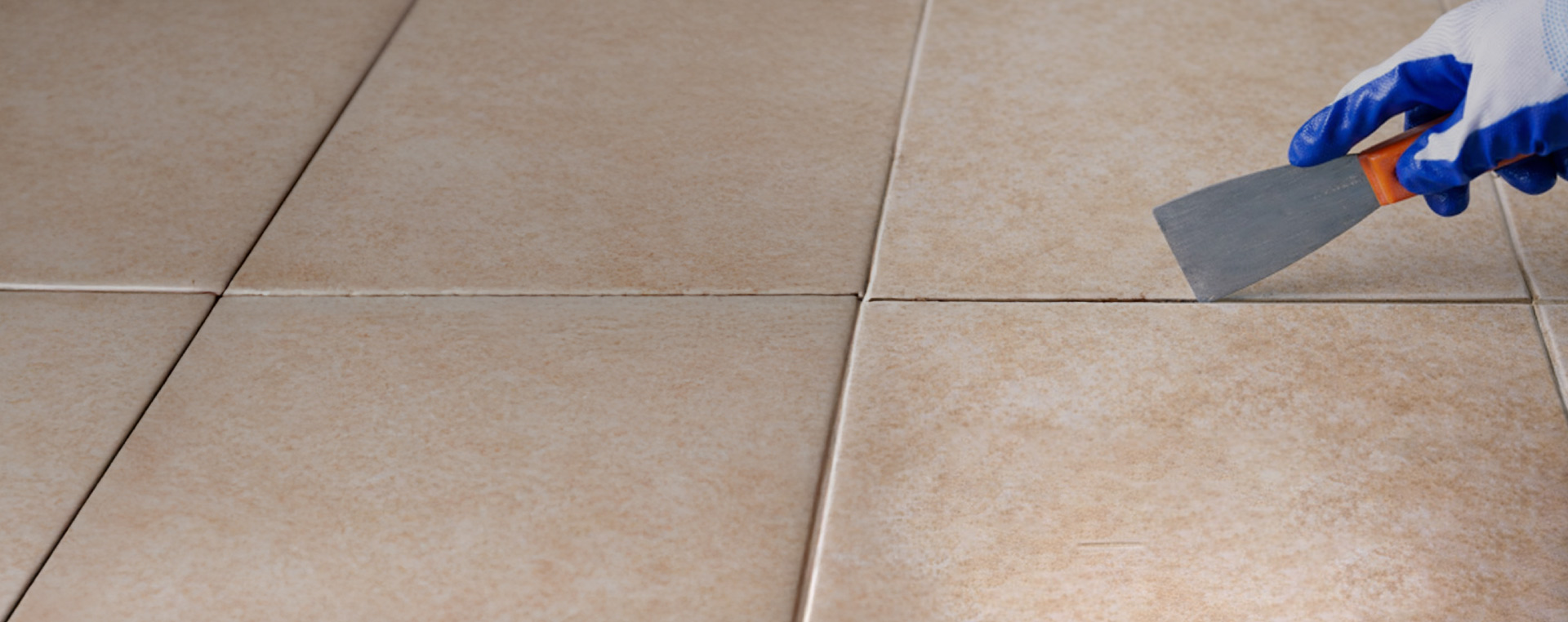
Tile grout is applied only after tiles are firmly fixed in place. Its role is to fill the gaps between tiles, seal open joints and improve the overall finish. By closing these gaps, grout helps limit moisture penetration, supports hygiene and enhances the visual appearance of tiled surfaces.
Key benefits of tile grout
- Seals joints to reduce water seepage and staining
- Creates clean, uniform joint lines for a finished look
- Helps limit mould and dirt accumulation in tile gaps
Grout does not have the structural strength to hold tiles in place. When it is incorrectly used instead of adhesive, tiles are left unsupported, leading to debonding and eventual failure. Using purpose-designed solutions such as BirlaNu Tough Tile Grouts ensures joints remain protected while the adhesive layer beneath performs its structural role.
Tile adhesive vs tile grout: practical differences that impact performance
| Parameter |
Tile adhesive |
Tile grout |
| Function in installation workflow |
Determines load transfer from tile to substrate |
Determines joint protection and finish quality |
| Interaction with substrate |
Designed to accommodate minor surface movement and thermal stress |
Does not interact with the substrate directly |
| Thickness of application |
Applied in a controlled layer beneath the tile |
Applied only within visible joint gaps |
| Effect on long-term durability |
Influences tile lifespan and resistance to debonding |
Influences joint cleanliness and moisture control |
| Impact on repairs |
Poor adhesive choice often requires tile removal |
Grout issues can usually be repaired without tile removal |
| Role in waterproofing systems |
Works in conjunction with waterproofing layers |
Acts as a secondary barrier at joints only |
| Consequence of omission |
Tiles fail structurally |
Joints become vulnerable to moisture and staining |
Conclusion
Bathroom tile problems rarely occur due to surface wear alone. More often, they stem from incorrect material selection or misuse during installation. Using tile adhesive exclusively for fixing tiles and grout only for joint filling ensures each layer performs its intended function. When supported by proper surface preparation and curing, this approach significantly improves tile stability, moisture resistance and lifespan. Applying the right material at the right stage is the key to bathroom tiles that remain secure, functional and visually intact for years.
FAQs
Why are my bathroom tiles coming loose even though they look fine initially?
This usually happens when grout or weak mixes are used instead of tile adhesive, leading to poor bonding beneath the tile.
What is the actual difference between tile adhesive and grout in bathrooms?
Tile adhesive fixes the tile to the surface, while grout only fills the gaps between tiles and does not provide structural support.
Which material matters more for bathroom durability: adhesive or grout?
Tile adhesive is critical for holding tiles securely, while grout helps control moisture at joints. Both must be used correctly.
Are tile adhesives better than cement in wet areas like bathrooms?
Yes. Tile adhesives offer stronger bonding and better water resistance than traditional cement mixes.