

4 minutes read
A flawless paint finish and durable walls are achieved through careful surface preparation, not just the final coat of paint. Wall putty plays a crucial role in creating a smooth, stable base that supports paint adhesion and protects the underlying surface. However, interior and exterior walls are exposed to very different conditions, making it essential to choose the right type of putty for each application to ensure consistent performance and long-term durability.
Did you know? Exterior wall putty is formulated with higher cement content and specialised additives to reduce water absorption and accommodate thermal movement, while interior wall putty prioritises finer particle size for smoother finishes rather than weather resistance.
Interior wall putty is designed to optimise finish quality and paint performance. Its primary functions include:
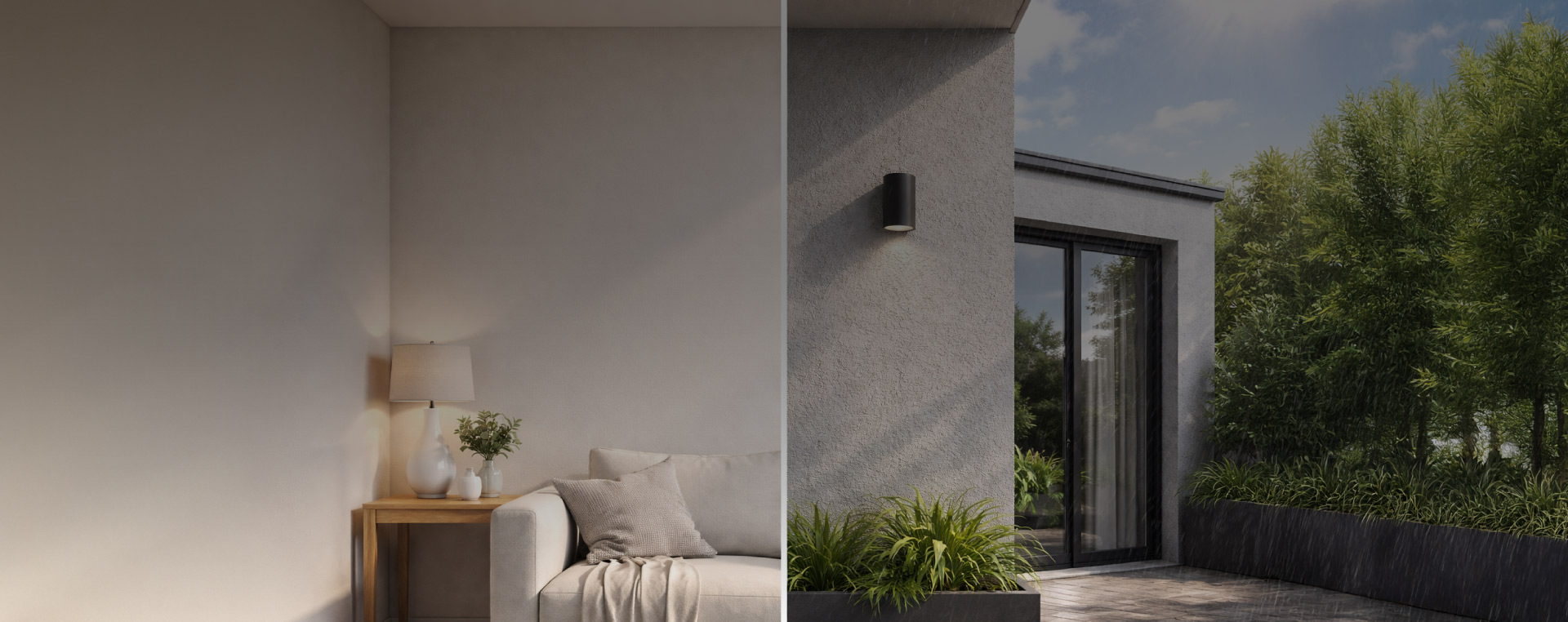
Interior wall putty is best suited for controlled indoor environments where exposure to moisture, temperature variation and direct sunlight is minimal.
Exterior wall putty is formulated to provide surface protection along with finish support. Its key performance characteristics include:
Unlike interior putty, exterior wall putty acts as a protective barrier that helps shield the wall substrate from environmental stress, making it essential for long-term durability on external surfaces.
|
Feature |
Interior Wall Putty |
Exterior Wall Putty |
|
Primary focus |
Smooth finish and paint adhesion |
Weather resistance and structural protection |
|
Best suited for |
Controlled indoor environments |
Outdoor surfaces exposed to sun, rain and humidity |
|
Surface performance |
Minimises unevenness and pores |
Prevents cracking, peeling and water damage |
|
Maintenance needs |
Low, mostly cosmetic |
Low to moderate, reduces repair frequency |
|
Lifespan |
Optimised for indoor use |
Designed for long-term durability under environmental stress |
Wall putty is more than a finishing layer - sit directly influences surface stability, paint performance and long-term wall protection. Interior and exterior walls face very different conditions, and using a putty suited to each environment ensures better adhesion, reduced surface damage and controlled moisture behaviour. When the right wall putty is selected and applied correctly, walls remain smoother, paint systems perform more reliably and ongoing maintenance is significantly reduced, delivering lasting value over the life of the building.
Why do exterior walls crack even after putty and paint?
This often happens when interior-grade putty is used outside and cannot handle thermal movement.
Can wall putty reduce paint absorption on new plastered walls?
Yes, putty seals surface pores, allowing paint to spread evenly and last longer.
Is wall putty responsible for damp patches showing through paint?
In many cases yes, as non-moisture-resistant putty allows water to pass through.
Why does exterior paint fade faster on some walls?
High moisture absorption or surface movement beneath the paint often causes early fading.
Does wall putty affect how long paint lasts?
Yes, the right putty stabilises the surface and reduces paint failure over time.
Does exterior wall putty need curing before painting?
Yes, proper curing improves strength and moisture resistance.
The latest
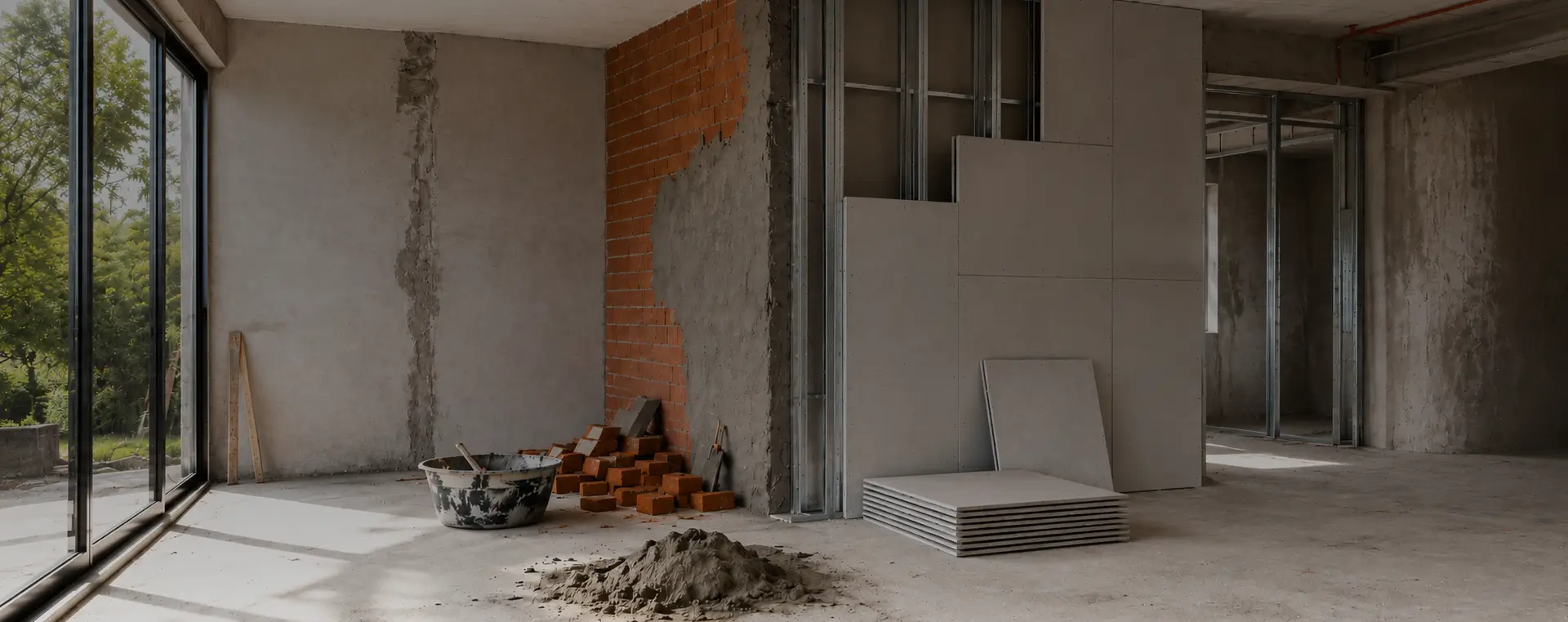
Avoid common wall construction mistakes with smarter building solutions. Learn when to use fibre cement boards and ensure durable, high-quality finishes.
23/07/2026
9 minutes read
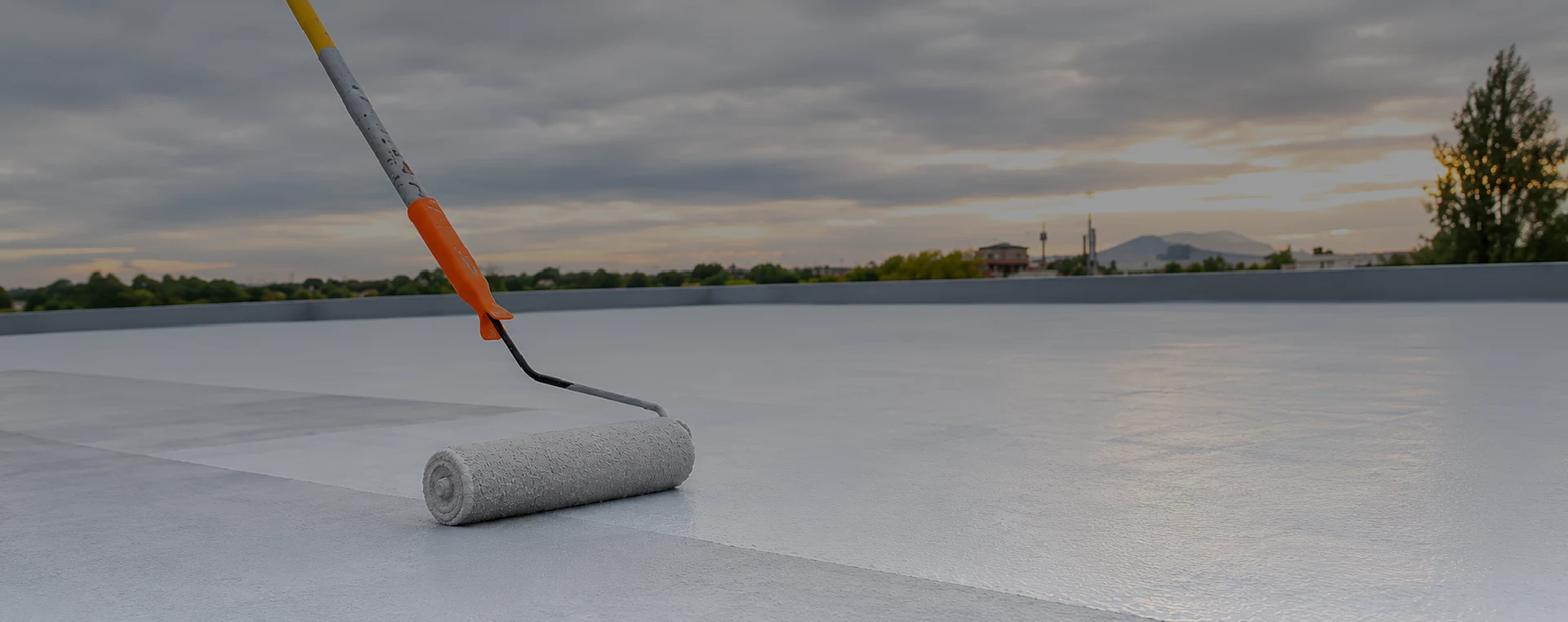
The essential waterproofing solutions for lasting protection.
23/07/2026
7 minutes read
A fast solution for active leaks and seepage under pressure.
14/07/2026
7 minutes read
Avoid common wall construction mistakes with smarter building solutions. Learn when to use fibre cement boards and ensure durable, high-quality finishes.
- - 23/07/2026
The essential waterproofing solutions for lasting protection.
- - 23/07/2026
A fast solution for active leaks and seepage under pressure.
- - 14/07/2026
Ensuring borewell stability, durability, and reliable water extraction.
- - 14/07/2026
