

5 minutes read
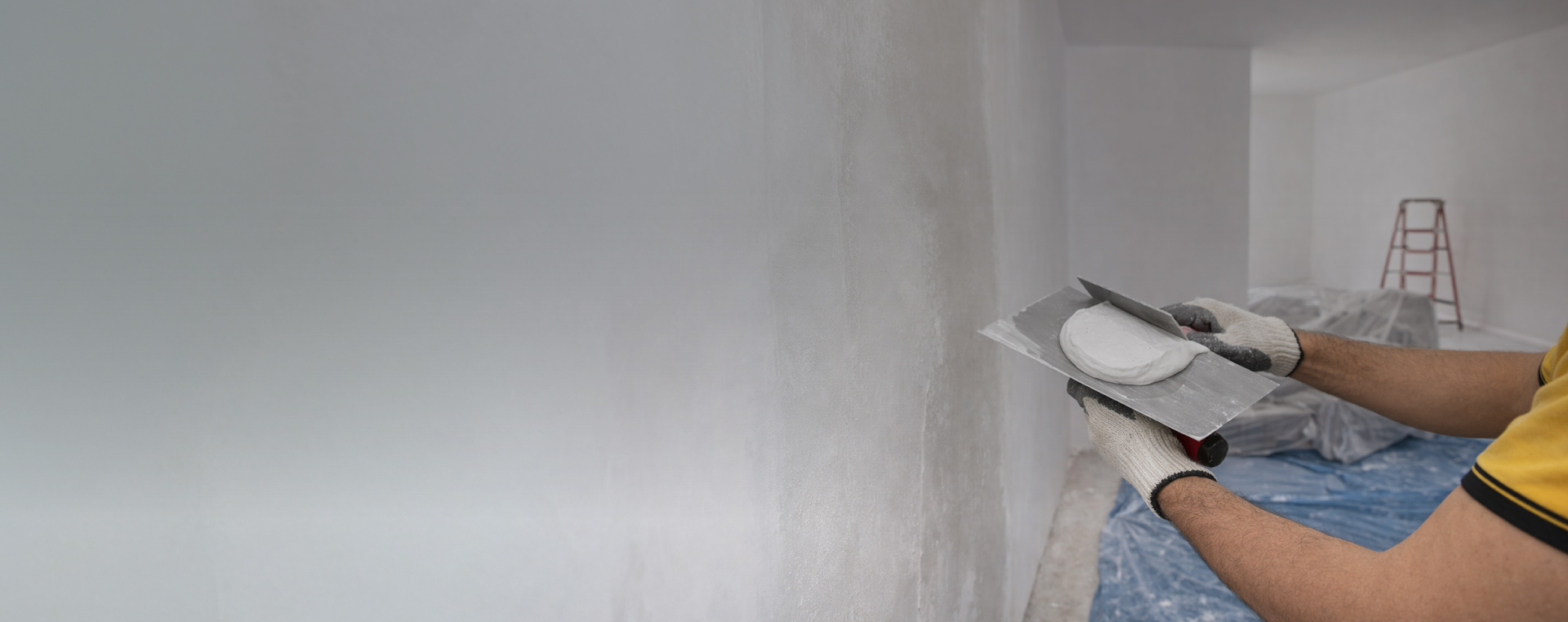
Achieving a smooth and durable wall finish is an important aspect of both residential and commercial construction. While paint often receives the most attention, the quality of the surface beneath it plays a crucial role in determining how well the final finish performs over time. Wall putty serves as a key preparatory layer that helps create an even base for painting, improving both the appearance and longevity of wall surfaces.
Did you know? Plastered walls contain micro-pores that can absorb moisture and paint unevenly. A putty layer helps seal these pores and creates a more uniform base for painting.
Before paint is applied, wall surfaces often contain small cracks, pores and uneven patches that develop during plastering and curing. If these irregularities are not addressed, they can affect how evenly the paint spreads and how smooth the finished wall appears. Wall putty acts as a preparatory layer that fills minor surface imperfections and creates a level base for painting.
When applied correctly, wall putty helps create a uniform substrate that allows paint to adhere better and spread more consistently across the wall. This not only improves the visual appearance of the surface but also supports better paint coverage by reducing uneven absorption.
Products such as BirlaNu TruColor Putty are formulated to create a smooth and consistent base layer. By filling surface pores and minor defects, putty prepares the wall so that the paint coating bonds properly and maintains a stable finish over time.
Beyond improving the appearance of the wall, proper surface preparation with putty offers several practical advantages:
Through proper application and quality materials such as BirlaNu TruColor Putty, wall putty becomes an essential step in preparing surfaces for durable and visually consistent wall finishes.
Proper application practices play an important role in ensuring that wall putty performs effectively and supports a smooth, long-lasting paint finish. Careful surface preparation and correct application techniques help the putty layer bond well with the wall and create a stable base for painting.
Key practices that support better results include:
Following these practices helps ensure that the wall surface is properly prepared, resulting in improved finish quality and more durable paint performance.
Wall putty plays a crucial role in achieving smooth, durable and consistent wall finishes. By filling minor surface imperfections and creating a uniform base, it helps paint adhere more effectively and improves the overall appearance of the wall.
Proper application of wall putty also contributes to better finish consistency and longer paint life. When surfaces are prepared correctly and quality materials such as BirlaNu TruColor Putty are used, the result is a stable base that supports reliable and long-lasting paint performance.
How many coats of wall putty should I apply for a smooth finish?
In most cases, two thin coats of wall putty are applied to achieve a smooth and even surface. The number of coats may vary depending on how uneven the wall surface is.
Will wall putty help my paint last longer?
Yes, applying wall putty helps create a stable base for paint. This improves paint adhesion and can help reduce issues such as peeling, flaking or uneven finish over time.
What happens if wall putty is applied too thickly?
Applying very thick layers of putty can sometimes lead to cracking or uneven surfaces. It is generally better to apply thin and uniform coats to achieve a smoother finish.
The latest
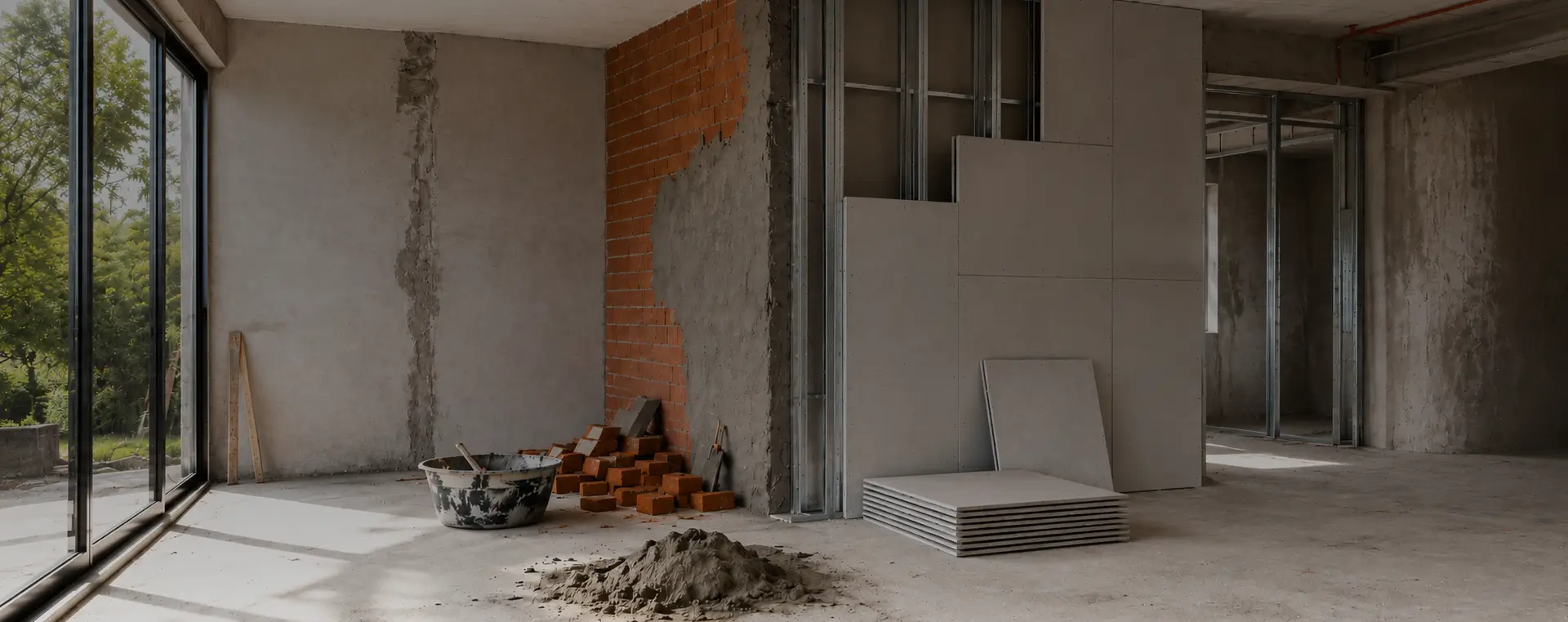
Avoid common wall construction mistakes with smarter building solutions. Learn when to use fibre cement boards and ensure durable, high-quality finishes.
23/07/2026
9 minutes read
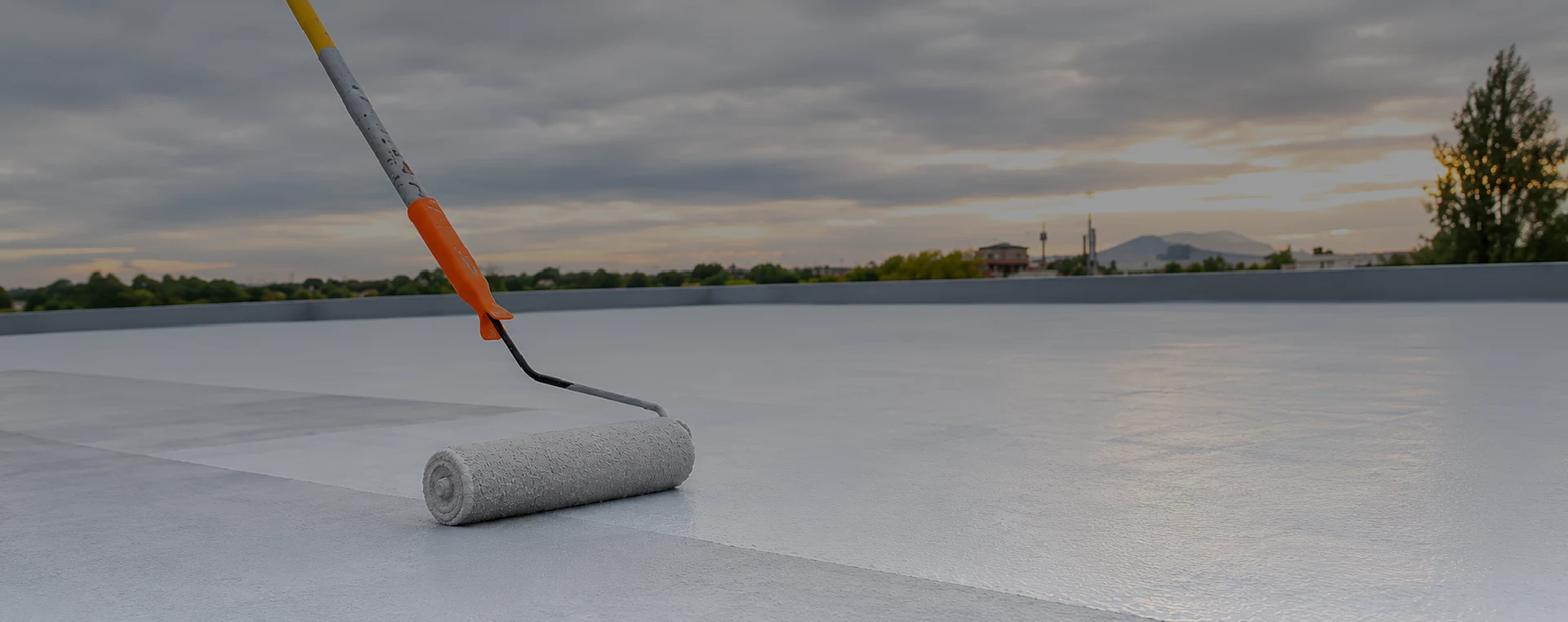
The essential waterproofing solutions for lasting protection.
23/07/2026
7 minutes read
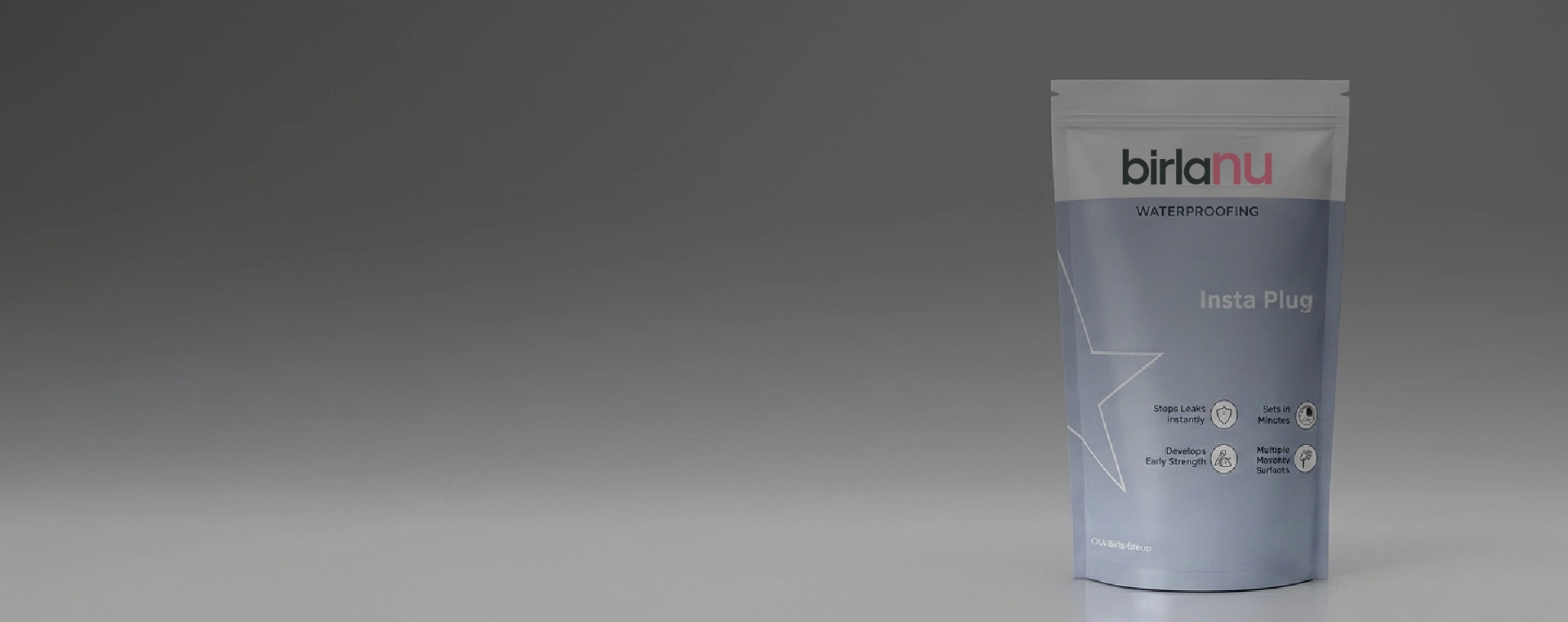
A fast solution for active leaks and seepage under pressure.
14/07/2026
7 minutes read
Avoid common wall construction mistakes with smarter building solutions. Learn when to use fibre cement boards and ensure durable, high-quality finishes.
- - 23/07/2026
The essential waterproofing solutions for lasting protection.
- - 23/07/2026
A fast solution for active leaks and seepage under pressure.
- - 14/07/2026
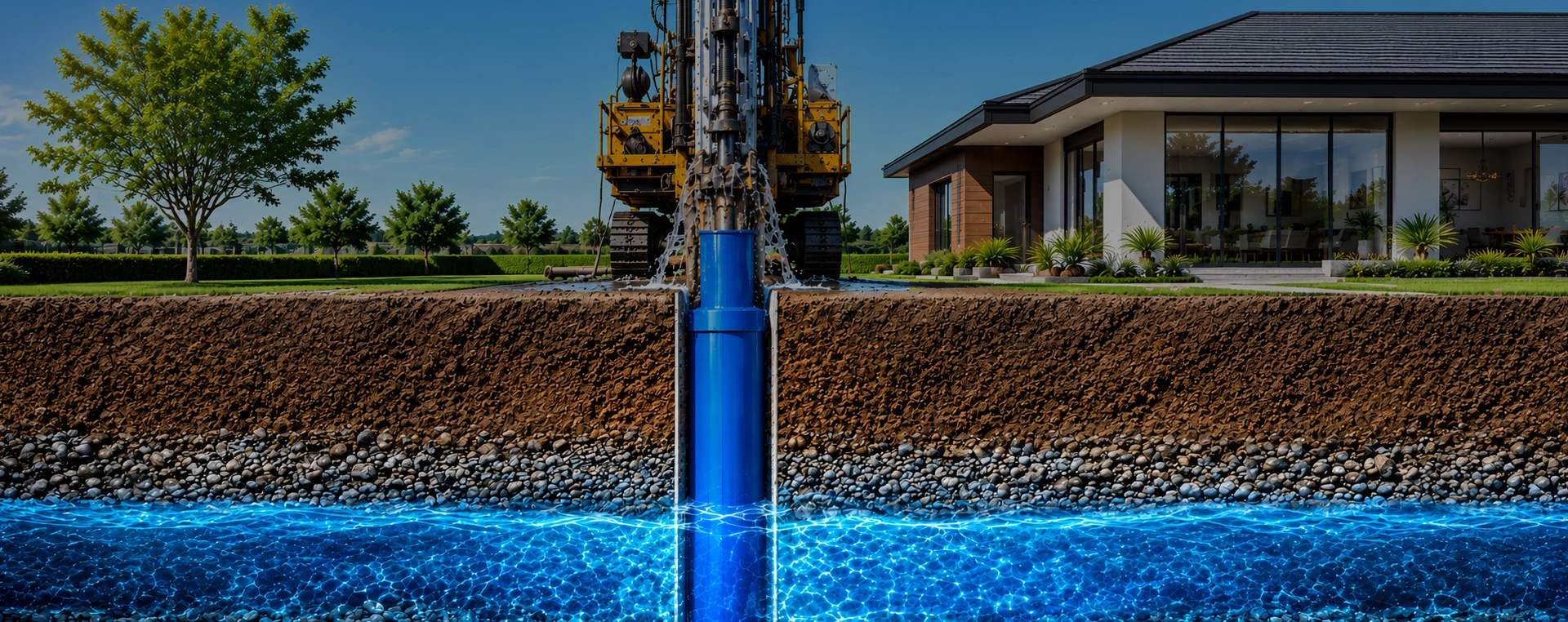
Ensuring borewell stability, durability, and reliable water extraction.
- - 14/07/2026
