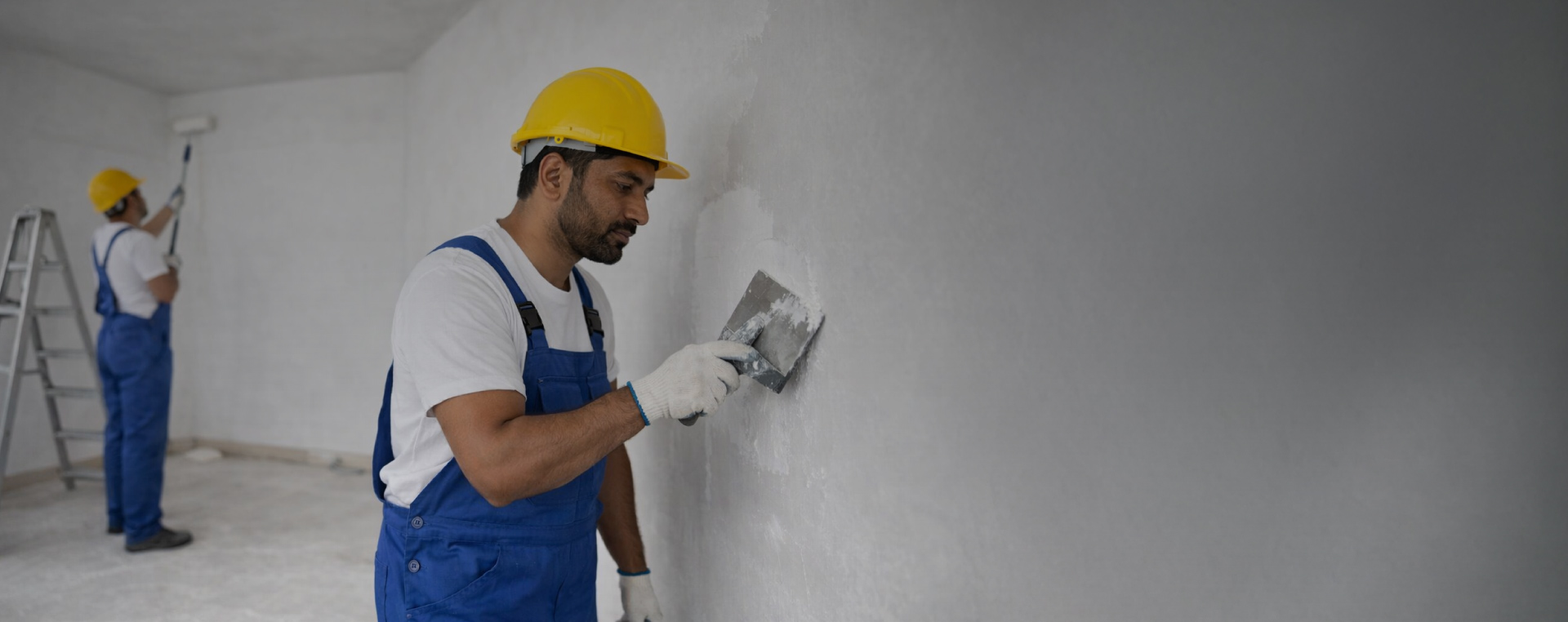
Ever noticed freshly painted walls starting to peel or crack within months? In most cases, the problem is not the paint - it is what lies beneath. Wall putty, though often overlooked, plays a decisive role in how smooth, durable and long-lasting your finish will be.
A flawless paint job begins long before the first coat of colour is applied. The condition of the base surface determines adhesion, strength and overall appearance. When wall putty is applied incorrectly, it can compromise surface smoothness, reduce paint durability and lead to recurring maintenance issues.
Many post-paint defects - such as peeling, flaking or fine cracks - trace back to mistakes made during the putty stage. Recognising and correcting these common errors helps builders and contractors avoid unnecessary rework and deliver consistently refined results.
Did you know? Even a minor mistake in putty application, such as uneven thickness or insufficient drying time, can reduce paint life by several years. What looks like a surface-level issue often begins at the preparation stage.
Why correct putty application matters
- Acts as the foundation for paint: Wall putty forms the base layer of the finishing system, directly influencing how well paint adheres and performs.
- Creates a smooth and even surface: Proper application ensures uniform levelling, allowing paint to spread evenly and enhancing the overall appearance.
- Improves paint coverage and longevity: A well-prepared surface reduces paint absorption variations, resulting in better coverage and longer-lasting colour.
- Fills minor cracks and surface pores: When applied at the right thickness, putty seals small imperfections in plaster or concrete, creating a stable substrate.
- Enhances surface strength: Good adhesion and proper curing improve cohesion, lowering the risk of peeling or flaking over time.
- Prevents premature finish failure: Incorrect mixing, inadequate preparation or rushed drying can weaken durability. Even high-quality materials cannot compensate for poor workmanship.
Common mistakes and how to avoid them
1. Applying putty on damp surfaces
One of the most frequent mistakes is applying putty over damp or moisture-retained walls. Moisture interferes with bonding and can later cause blistering or peeling.
How to avoid it:
Ensure the surface is completely dry before application. Check for signs of seepage, especially on external walls, and address waterproofing issues first.
2. Ignoring surface preparation
Dust, loose particles or oil residues prevent proper adhesion. Applying putty directly over an unclean surface weakens the bond between layers.
How to avoid it:
Clean the surface thoroughly. Remove dust and loose plaster. A stable, dust-free base improves adhesion and ensures a uniform finish.
3. Applying excessive thickness
Thicker application may seem like a quick way to level uneven walls, but it often leads to cracking after drying. Uneven drying rates within thick layers create internal stress.
How to avoid it:
Apply putty in thin, even coats. Multiple controlled layers are better than one heavy coat. Allow adequate drying time between coats.
4. Skipping proper curing and drying time
Rushing the process by painting over partially dried putty reduces surface strength and durability. This can result in patchy finishes or peeling paint.
How to avoid it:
Follow recommended drying times between coats and before painting. Adequate curing ensures better bonding and smoother paint application.
5. Improper mixing ratio
Incorrect water-to-putty ratio affects consistency and workability. Too much water weakens the material, while too little makes application uneven.
How to avoid it:
Follow manufacturer guidelines carefully. Mix thoroughly to achieve a smooth, lump-free paste with uniform consistency.
The role of quality materials
The performance of wall putty depends not only on application technique but also on the quality of the material used. A well-formulated product supports better adhesion, smoother finishes and long-term durability. Solutions such as
BirlaNu Putty are designed to provide consistent surface performance when applied as recommended.
Conclusion
Wall putty is a critical step in achieving a durable and refined finish. Avoiding common application mistakes and following proper preparation techniques can prevent cracks, peeling and premature paint failure. When correct methods are combined with reliable materials, walls remain smoother and paint performs better for longer.
FAQs
Why are my newly painted walls already showing cracks?
In many cases, the issue starts at the putty layer. Cracks can appear if the putty was applied too thick, dried unevenly or the surface was not prepared properly before application.
How important is surface preparation before applying wall putty?
It is critical. Dust, loose particles or moisture can weaken adhesion. A clean, dry and stable surface ensures better bonding and long-term durability.
How many coats of wall putty are usually required?
Typically, two thin coats are recommended for an even and durable finish. Applying one thick coat instead of multiple thin layers can lead to cracking.
Does weather affect wall putty application?
Yes. High humidity, rain or extreme temperatures can affect drying time and bonding. It is best to apply putty in suitable weather conditions for optimal performance.