

5 minutes read
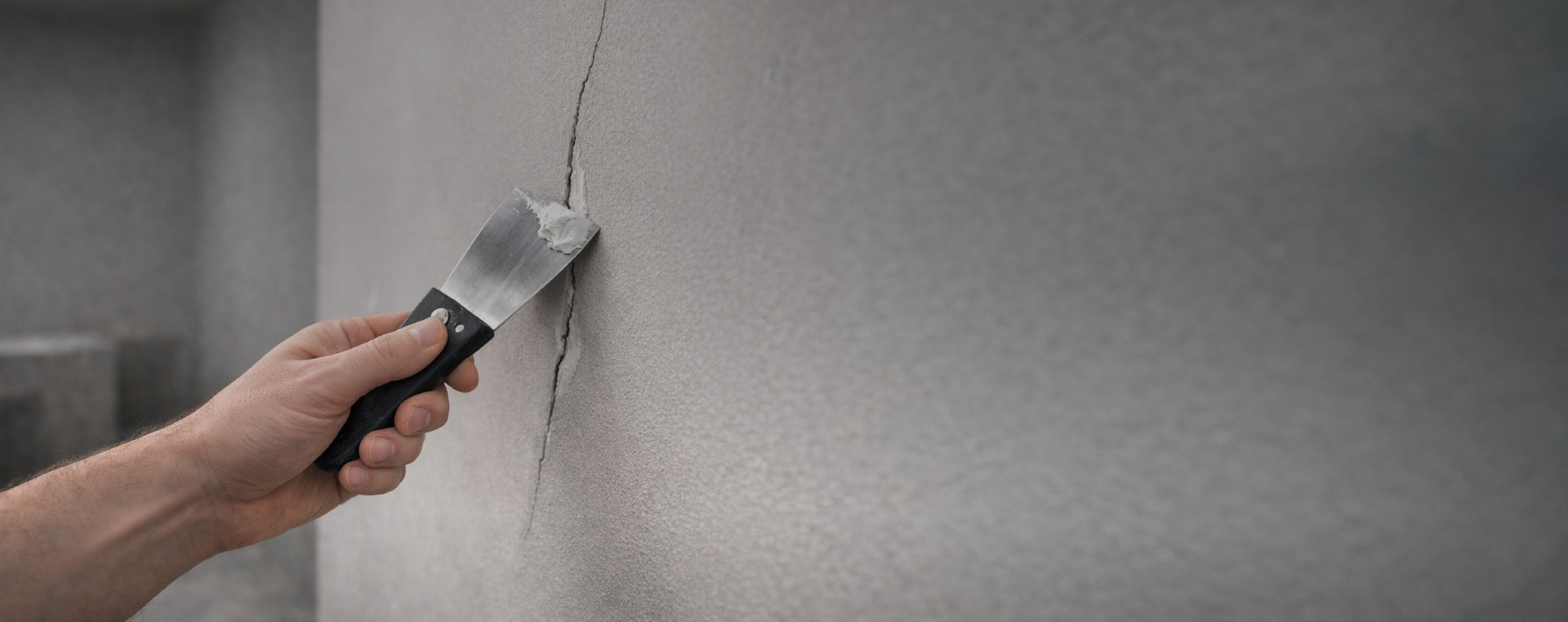
Wall cracks are a common concern in both residential and commercial buildings. While some cracks may appear minor, they can gradually lead to structural issues or affect the overall appearance of a space if left unattended. Identifying the causes early and taking the right preventive measures can help maintain the strength and finish of walls over time. Proper construction practices along with the use of reliable materials play an important role in reducing the likelihood of cracks.
Did you know? Hairline cracks as small as 0.2 mm can allow moisture to seep into walls, gradually weakening plaster layers and causing paint to peel over time.
Wall cracks can develop for several reasons during or after the construction process. Some of the most common causes include:
Preventing wall cracks begins with following the right construction practices and using reliable materials. Some of the most important preventive measures include:
Even with proper construction practices, minor cracks may sometimes appear due to natural structural movement. Addressing these cracks early helps prevent further damage.
Small cracks can often be repaired using suitable crack filling compounds followed by proper surface finishing. After the repair process, applying wall putty ensures that the repaired area blends evenly with the surrounding wall. Construction chemical solutions such as tile adhesives and grouts are also useful when repairing tiled sections where cracks may affect joints or bonding layers.
Regular inspection of walls, especially in areas exposed to moisture, helps identify early signs of cracking and enables timely maintenance.
Wall cracks are often the result of multiple factors including curing practices, structural movement, moisture and temperature changes. By using quality materials, following proper construction techniques and carrying out timely repairs, these issues can be effectively managed. A careful approach to surface preparation and finishing, supported by reliable construction materials, helps improve structural stability and reduces long term maintenance costs.
Why do cracks appear in newly plastered walls?
This usually happens due to improper curing, incorrect plaster mix or rapid moisture loss from the surface.
Are hairline cracks in walls normal or a sign of damage?
Hairline cracks are common but they should be repaired early to prevent moisture from weakening the plaster.
Does wall putty help prevent cracks before painting?
Applying a good quality putty such as BirlaNu putty creates a strong base for paint and helps minimise minor surface cracks.
How can I prevent cracks in walls during construction?
Ensuring proper curing, maintaining the right plaster mix ratio and using quality construction materials help reduce the chances of cracks.
What is the best way to repair small cracks in interior walls?
Small cracks can be filled with suitable crack fillers and finished with wall putty to restore a smooth surface before repainting.
The latest
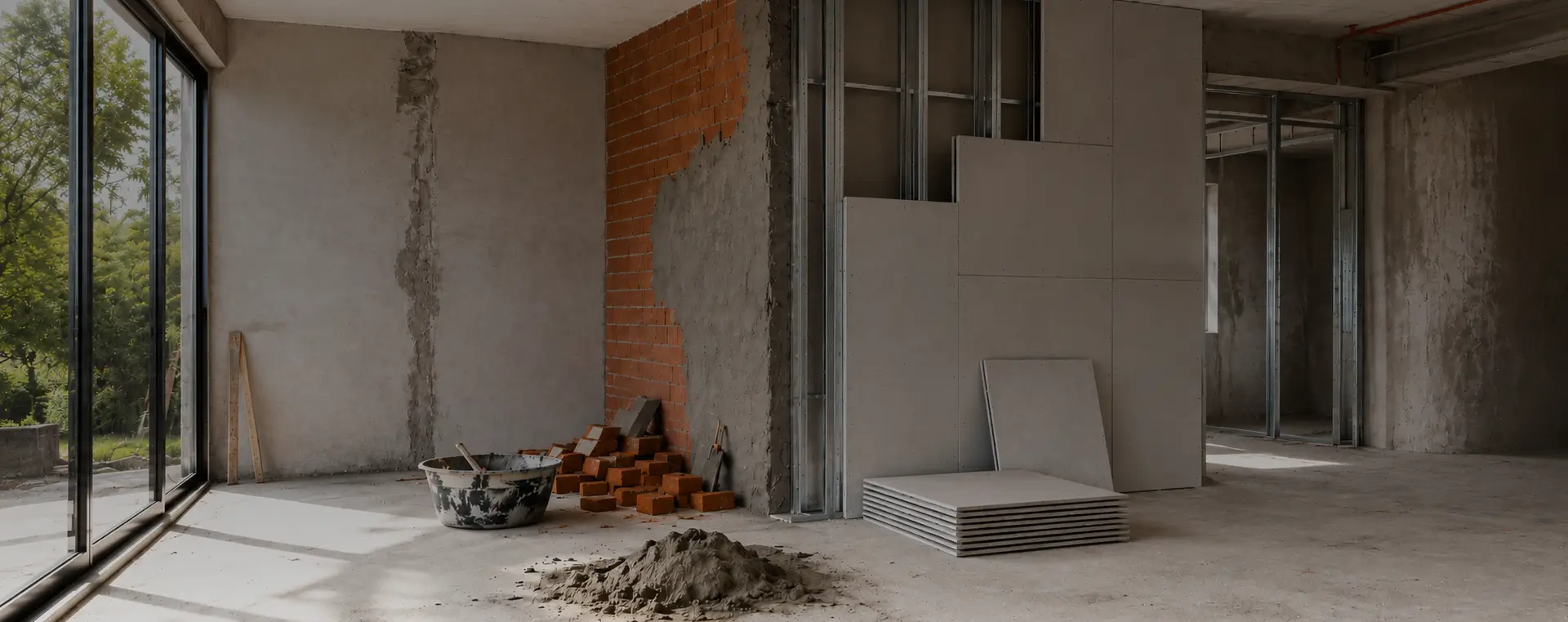
Avoid common wall construction mistakes with smarter building solutions. Learn when to use fibre cement boards and ensure durable, high-quality finishes.
23/07/2026
9 minutes read
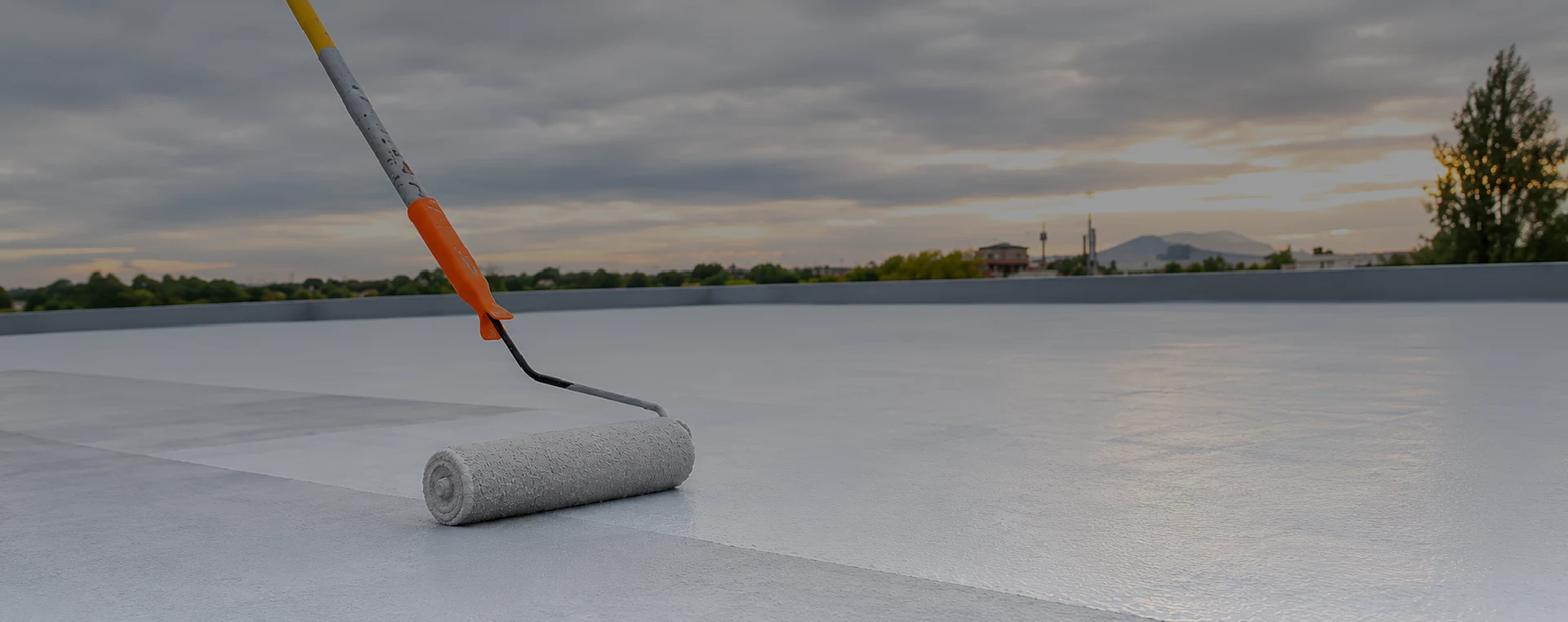
The essential waterproofing solutions for lasting protection.
23/07/2026
7 minutes read

A fast solution for active leaks and seepage under pressure.
14/07/2026
7 minutes read
Avoid common wall construction mistakes with smarter building solutions. Learn when to use fibre cement boards and ensure durable, high-quality finishes.
- - 23/07/2026
The essential waterproofing solutions for lasting protection.
- - 23/07/2026
A fast solution for active leaks and seepage under pressure.
- - 14/07/2026

Ensuring borewell stability, durability, and reliable water extraction.
- - 14/07/2026
