

4 minutes read
Underground drainage pipes play a crucial role in modern infrastructure by managing wastewater and preventing waterlogging in residential, commercial, and industrial developments. A well-designed underground drainage system ensures that wastewater flows smoothly away from buildings, helping maintain sanitation and structural safety. Selecting the right pipes and ensuring proper installation are essential steps in building a reliable drainage network.
The material used for underground drainage pipes directly affects their lifespan and reliability. Pipes designed for underground use must withstand soil pressure, moisture, and chemical exposure over long periods. Modern drainage pipes are typically engineered to resist corrosion and chemical reactions, ensuring they perform consistently even in demanding underground conditions.
Solutions such as BirlaNu Underground Drainage Pipes & Fittings are designed with durability in mind, allowing them to tolerate heavy soil loads while maintaining efficient wastewater flow.
Underground pipes are often subjected to soil pressure, traffic loads, and shifting ground conditions. Pipes with appropriate stiffness classes can handle these loads without deformation or structural failure. Many drainage systems use pipes with graded stiffness levels such as SN2, SN4, and SN8 to match different installation conditions and load requirements.
Choosing the correct load-bearing capacity ensures the drainage network remains stable even under challenging site conditions.
The joints connecting pipes are just as important as the pipes themselves. Weak joints can lead to leakage, soil contamination, or blockages over time. Modern drainage systems often use rubber ring or push-fit joints that provide secure and leak-resistant connections while allowing flexibility during installation.
Well-engineered joints help maintain the integrity of the drainage network and minimise the risk of maintenance issues.
Another important factor is the internal surface of the pipe. A smooth inner bore reduces friction and allows wastewater to move efficiently through the pipeline. This reduces the chances of sediment accumulation and blockages, improving the long-term performance of the drainage system.
Efficient flow also helps maintain sanitation standards in residential and commercial environments.
Even high-quality pipes may underperform if they are not installed correctly. The slope or gradient of underground drainage pipes must be carefully planned to allow gravity-driven flow. Proper bedding, alignment, and jointing also ensure the pipes remain stable and leak-free throughout their service life.
Builders and engineers therefore focus on both product quality and installation practices to achieve reliable drainage systems.
Underground drainage systems are an essential part of modern infrastructure and are used across a wide range of construction projects to manage wastewater efficiently. These systems help ensure proper disposal of water while maintaining hygiene and environmental safety.
By enabling controlled water movement below the surface, underground drainage pipes support reliable sanitation systems and play a vital role in maintaining healthy urban environments.
Underground drainage pipes are fundamental to maintaining efficient wastewater management in modern construction projects. Factors such as pipe material, load-bearing strength, joint integrity, smooth flow characteristics, and proper installation all contribute to long-term system performance.
When these elements are carefully considered, drainage systems can operate reliably for years with minimal maintenance. Solutions like BirlaNu Underground Drainage Pipes & Fittings illustrate how modern pipe designs focus on durability, flow efficiency, and structural resilience to support sustainable drainage infrastructure.
What is the correct slope for underground drainage pipes?
Underground drainage pipes require a slight slope so wastewater flows naturally by gravity and does not accumulate inside the pipe.
Which pipes are best for underground drainage in houses?
PVC and uPVC drainage pipes are commonly used because they are corrosion-resistant, durable and allow smooth wastewater flow.
Why do underground drainage pipes get blocked frequently?
Blockages usually occur due to improper slope, debris accumulation, grease deposits or poorly connected pipe joints.
How deep should underground drainage pipes be installed?
The installation depth depends on soil conditions and building design, but pipes must be placed deep enough to handle surface loads and prevent damage.
Are BirlaNu Underground Drainage Pipes & Fittings suitable for long-term drainage systems?
BirlaNu Underground Drainage Pipes & Fittings are designed to support efficient wastewater flow and durable underground drainage networks when installed correctly.
The latest
Avoid common wall construction mistakes with smarter building solutions. Learn when to use fibre cement boards and ensure durable, high-quality finishes.
23/07/2026
9 minutes read
The essential waterproofing solutions for lasting protection.
23/07/2026
7 minutes read
A fast solution for active leaks and seepage under pressure.
14/07/2026
7 minutes read
Avoid common wall construction mistakes with smarter building solutions. Learn when to use fibre cement boards and ensure durable, high-quality finishes.
- - 23/07/2026
The essential waterproofing solutions for lasting protection.
- - 23/07/2026
A fast solution for active leaks and seepage under pressure.
- - 14/07/2026
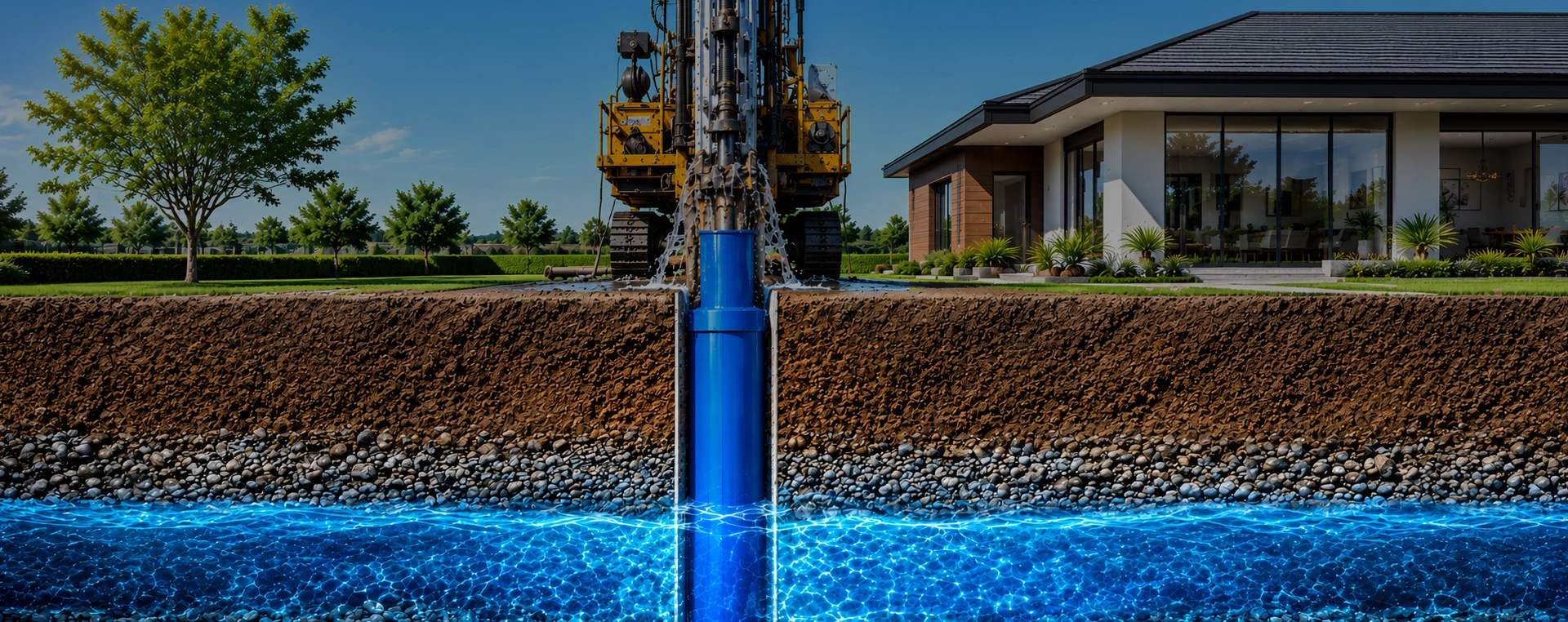
Ensuring borewell stability, durability, and reliable water extraction.
- - 14/07/2026
