

4 minutes read
A well-finished tiled surface is not just about the tiles themselves. The performance, durability, and overall finish depend heavily on the materials used beneath and between them. This is where tile adhesive and tile grout play critical roles.
While they are often confused or used interchangeably in casual discussions, each serves a completely different purpose. Understanding how they work together is essential for achieving a long-lasting and professional tile finish.
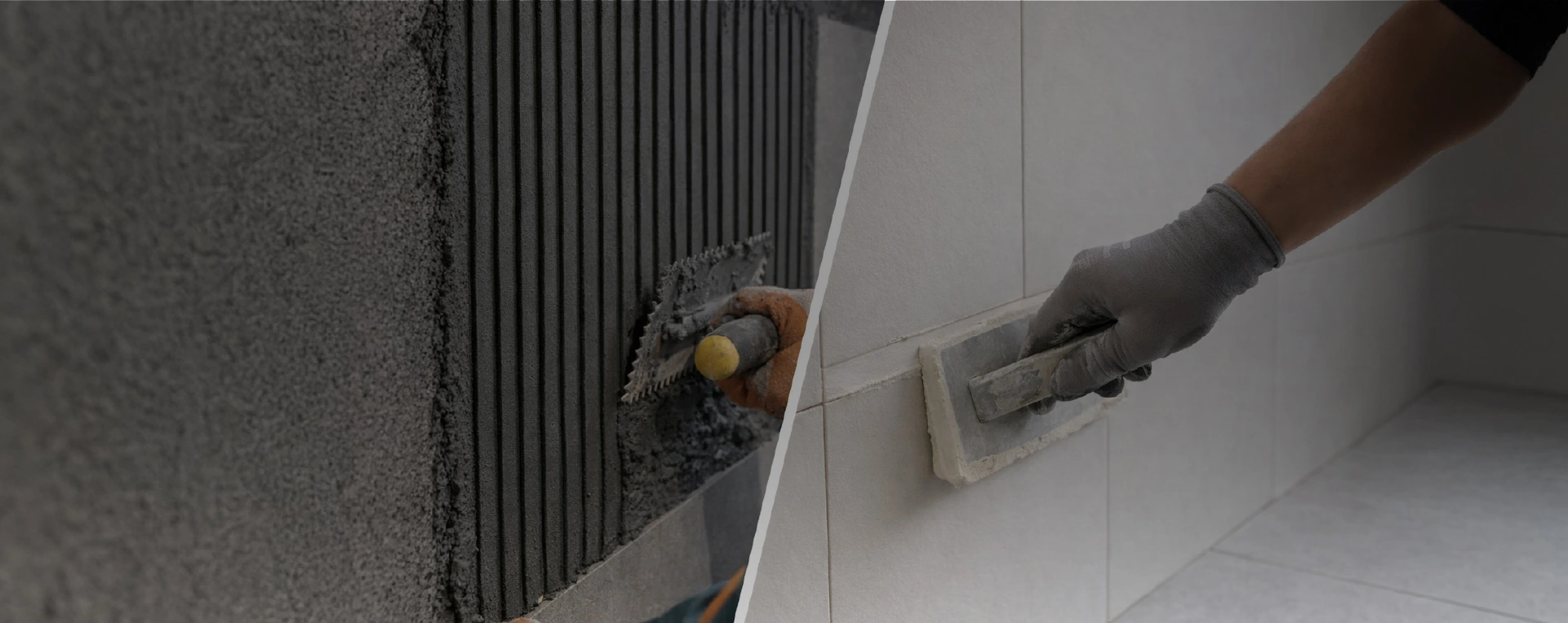
Tile adhesive is the material used to fix tiles securely to a surface such as floors or walls. It acts as the bonding layer that holds the tiles in place.
Key functions of tile adhesive:
Modern tile adhesives are designed to offer better flexibility and strength compared to traditional cement-based methods, making them more reliable for long-term performance.
Tile grout is applied after the tiles are fixed. It fills the gaps between tiles and plays both a functional and aesthetic role.
Key functions of tile grout:
Tile grout is essential for maintaining the integrity of tiled surfaces, especially in moisture-prone areas like bathrooms and kitchens.
Although both materials are used in tile installation, their roles are clearly distinct.
Understanding this difference is crucial for proper installation.
This sequence ensures both structural stability and finishing quality.
Both are necessary for a complete and durable tile system.
Using only adhesive without grout, or vice versa, can lead to several issues:
A properly executed combination of tile adhesive and tile grout ensures:
Common Mistakes to Avoid
Avoiding these mistakes helps improve both performance and finish.
To achieve the best results:
Following these steps ensures a strong and long-lasting tiled surface.
A durable and well-finished tiled surface depends on using the right materials in the right way. While tile adhesive provides the strength needed to hold tiles in place, tile grout plays a crucial role in sealing, protecting, and enhancing the final appearance.
Understanding their distinct roles ensures better performance, improved durability, and a cleaner finish. When both are used correctly, tile installations are more reliable and built to last.
Do I need both tile adhesive and tile grout for tile installation?
Yes, both are essential. Tile adhesive fixes the tiles to the surface, while tile grout fills the gaps and protects against moisture and damage.
What happens if I don’t use tile grout between tiles?
Without tile grout, gaps remain open, allowing water to seep in. This can lead to damage, loosening of tiles, and reduced durability.
What is the main difference between tile adhesive and tile grout?
Tile adhesive is used for bonding tiles to surfaces, while tile grout is used to fill the joints between tiles and improve finish and protection.
Can tile grout be used as an adhesive?
No, tile grout is not designed for bonding tiles. It lacks the strength and flexibility required to hold tiles in place.
When should tile grout be applied?
Tile grout should be applied after the adhesive has set and the tiles are properly aligned.
The latest

Avoid common wall construction mistakes with smarter building solutions. Learn when to use fibre cement boards and ensure durable, high-quality finishes.
23/07/2026
9 minutes read
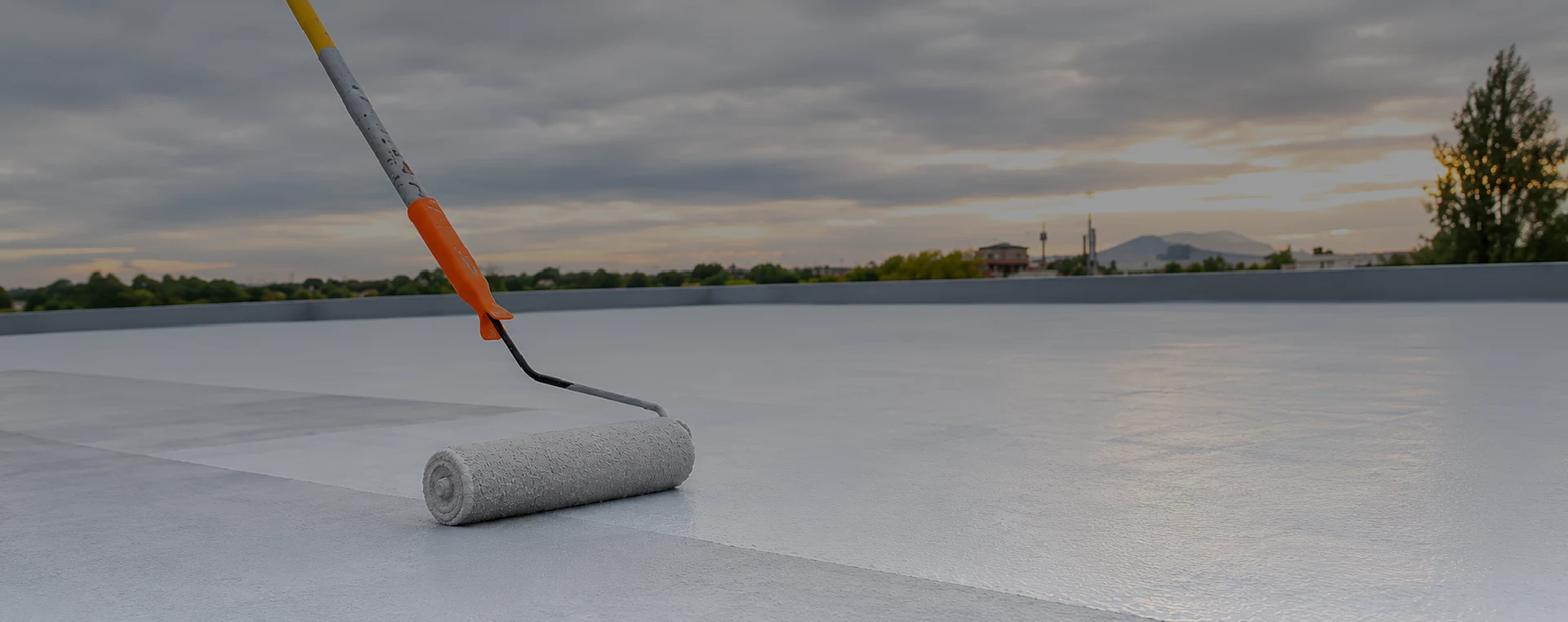
The essential waterproofing solutions for lasting protection.
23/07/2026
7 minutes read
A fast solution for active leaks and seepage under pressure.
14/07/2026
7 minutes read
Avoid common wall construction mistakes with smarter building solutions. Learn when to use fibre cement boards and ensure durable, high-quality finishes.
- - 23/07/2026
The essential waterproofing solutions for lasting protection.
- - 23/07/2026
A fast solution for active leaks and seepage under pressure.
- - 14/07/2026
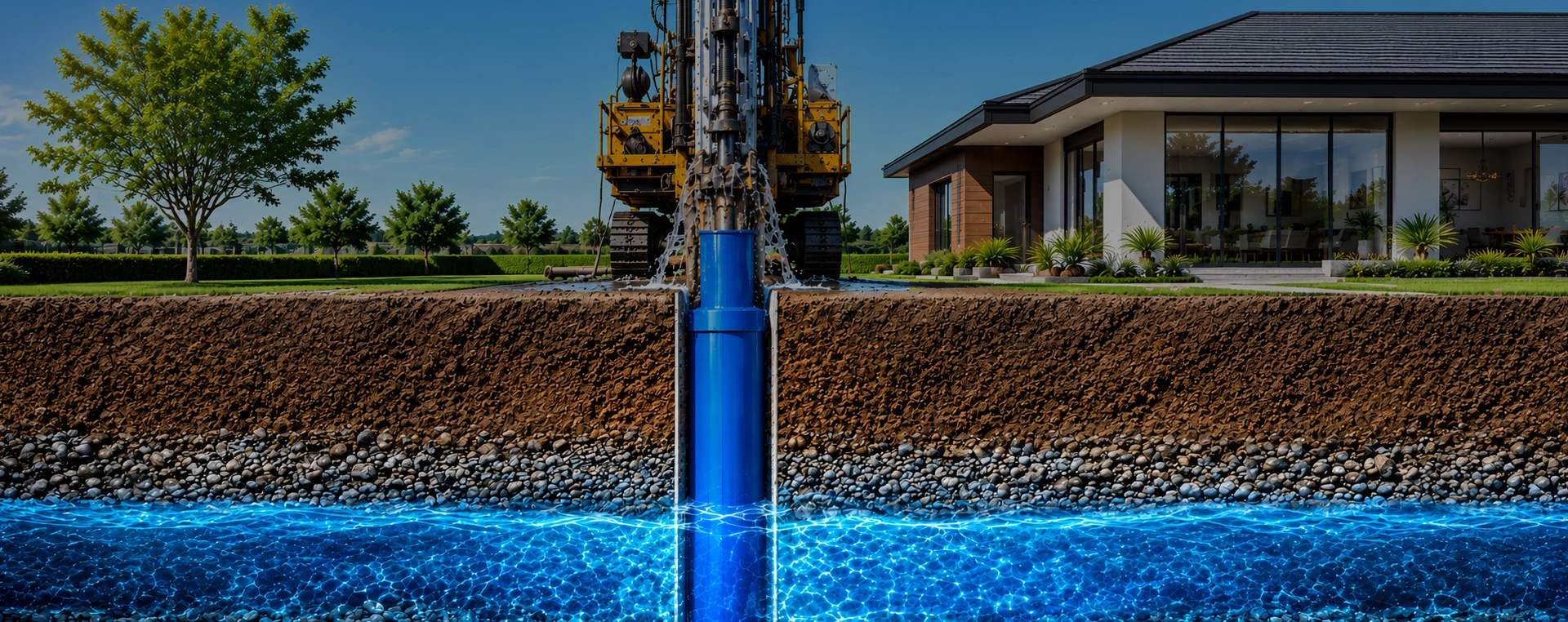
Ensuring borewell stability, durability, and reliable water extraction.
- - 14/07/2026
