

4 minutes read
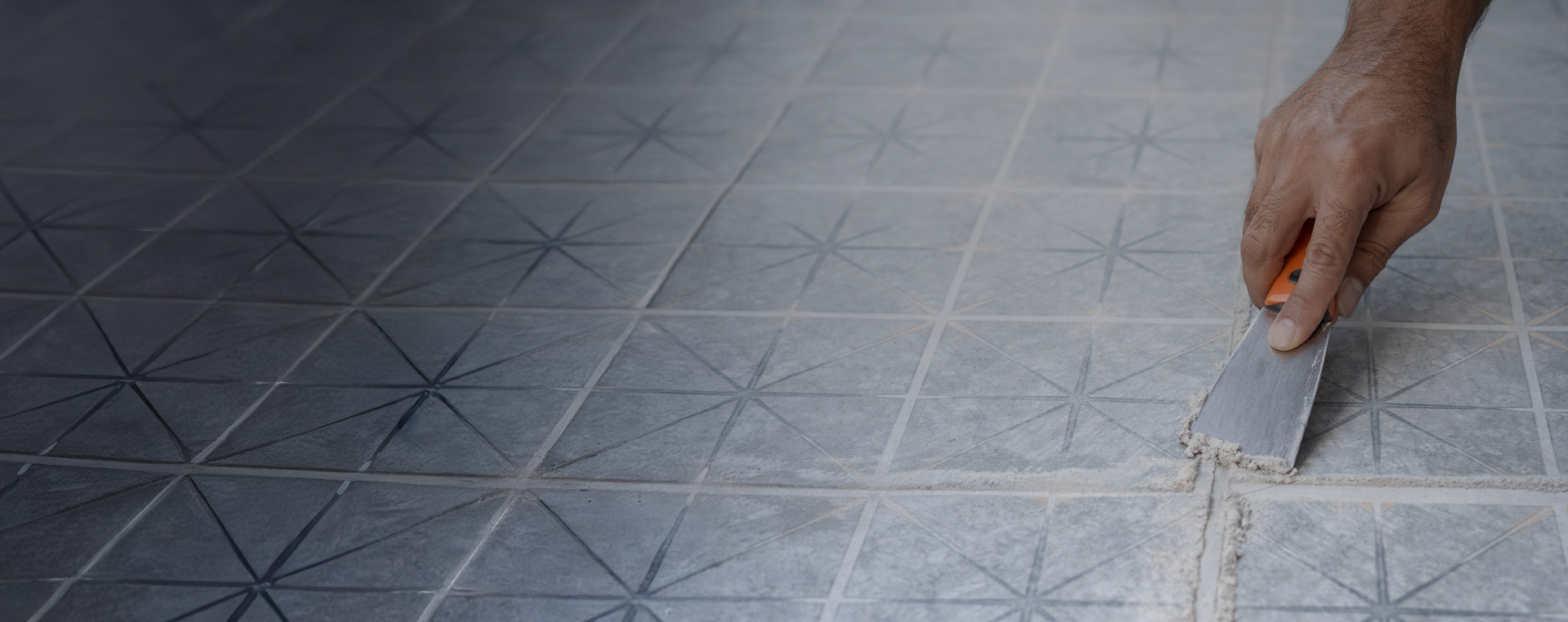
Grout joints are the most exposed part of any tiled surface, absorbing daily wear from foot traffic, moisture, and cleaning. Their ability to hold shape, resist damage, and retain appearance over time depends largely on how the grout is formulated and applied. Understanding what drives grout performance helps ensure tiled spaces remain strong, clean, and visually consistent for years.
Did you know? Grout with inconsistent particle grading can create micro-voids within joints, which later become entry points for moisture and surface staining.
The role of grout goes beyond filling gaps between tiles. Its compressive strength, flexibility, and bonding behaviour directly influence how well tiled surfaces handle movement, load, and environmental changes. Poorly formulated grouts are more likely to crack, powder, or erode under regular use, gradually weakening the tiled surface and affecting its finish.
Performance-oriented grouts are developed to balance strength with controlled flexibility, allowing joints to absorb everyday stress without failure. Solutions such as BirlaNu Tough Tile Grout follow this performance-first approach, supporting stable joints even in demanding applications.
Grout joints are constantly exposed to spills, moisture, and dirt, especially in kitchens, bathrooms, and utility areas. How effectively a grout resists this exposure has a direct impact on hygiene, appearance, and long-term durability.
Higher-performing grouts are designed to limit absorption and reduce the likelihood of staining, helping joints maintain a cleaner and more uniform look during everyday use.
The true test of grout quality often appears during routine cleaning rather than heavy use. Repeated scrubbing and exposure to cleaning agents can gradually wear down weaker grout surfaces, affecting both appearance and hygiene.
Performance-focused grouts are engineered to maintain surface integrity even with regular maintenance, helping tiled areas look consistent for longer.
This results in:
Grout selection plays a critical role in determining long-term maintenance requirements. Joints that crack or erode prematurely often lead to frequent repairs or complete regrouting, increasing both cost and disruption.
Grouts designed for sustained performance help minimise these issues, particularly in high-traffic or moisture-prone environments.
Long-term advantages include:
When grout is evaluated beyond appearance or naming, performance becomes the defining factor in achieving durable, clean, and long-lasting tiled surfaces. Grouts formulated with a focus on strength, resistance, and finish retention offer clear advantages in both daily use and long-term maintenance. Performance-driven solutions such as BirlaNu Tough Tile Grout demonstrate how the right grout choice can significantly enhance the reliability and lifespan of modern tiled spaces.
Does grout quality affect tile strength?
Yes, weak grout joints can lead to tile movement, edge damage, and surface failure over time.
Why does grout discolour even after regular cleaning?
High porosity allows dirt and moisture to settle deep into joints, causing persistent staining.
Which grout is better for bathrooms and kitchens?
Grouts with better moisture resistance and surface density perform more reliably in wet areas.
How can I prevent grout from absorbing water and stains?
Choose a low-porosity, performance-focused grout designed to limit moisture and stain penetration.
Why does grout crack even when tiles look fine?
Grout is more flexible than tiles and fails first if it cannot absorb movement or stress.
Why is my tile grout wearing out so fast?
This usually happens when the grout lacks density or cohesion and cannot handle regular use and cleaning.
The latest
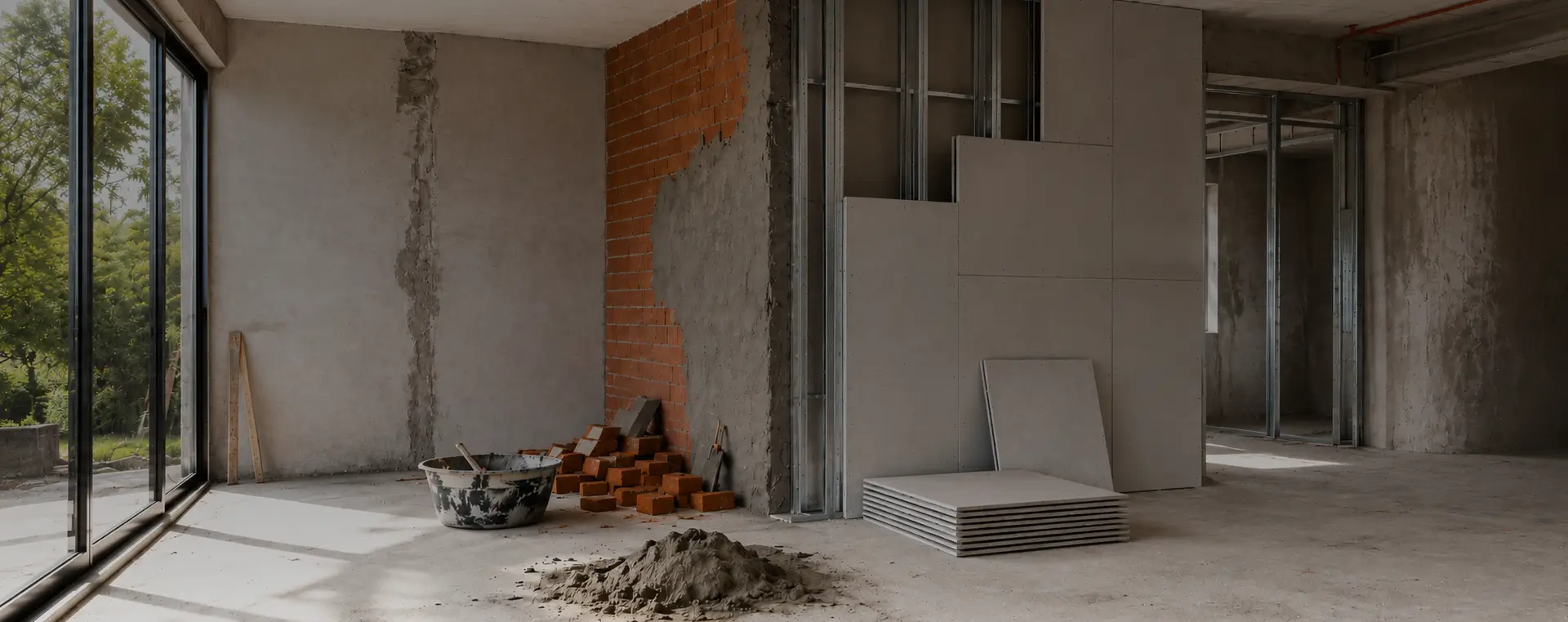
Avoid common wall construction mistakes with smarter building solutions. Learn when to use fibre cement boards and ensure durable, high-quality finishes.
23/07/2026
9 minutes read
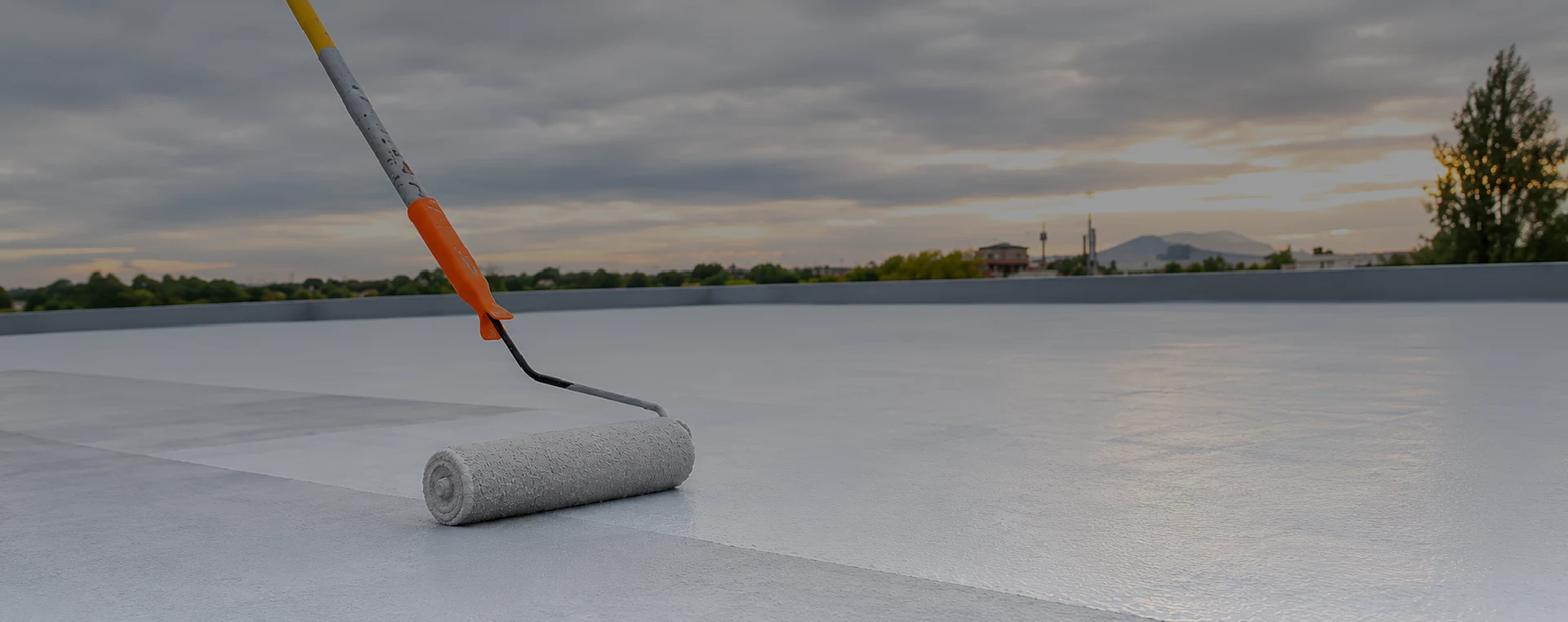
The essential waterproofing solutions for lasting protection.
23/07/2026
7 minutes read
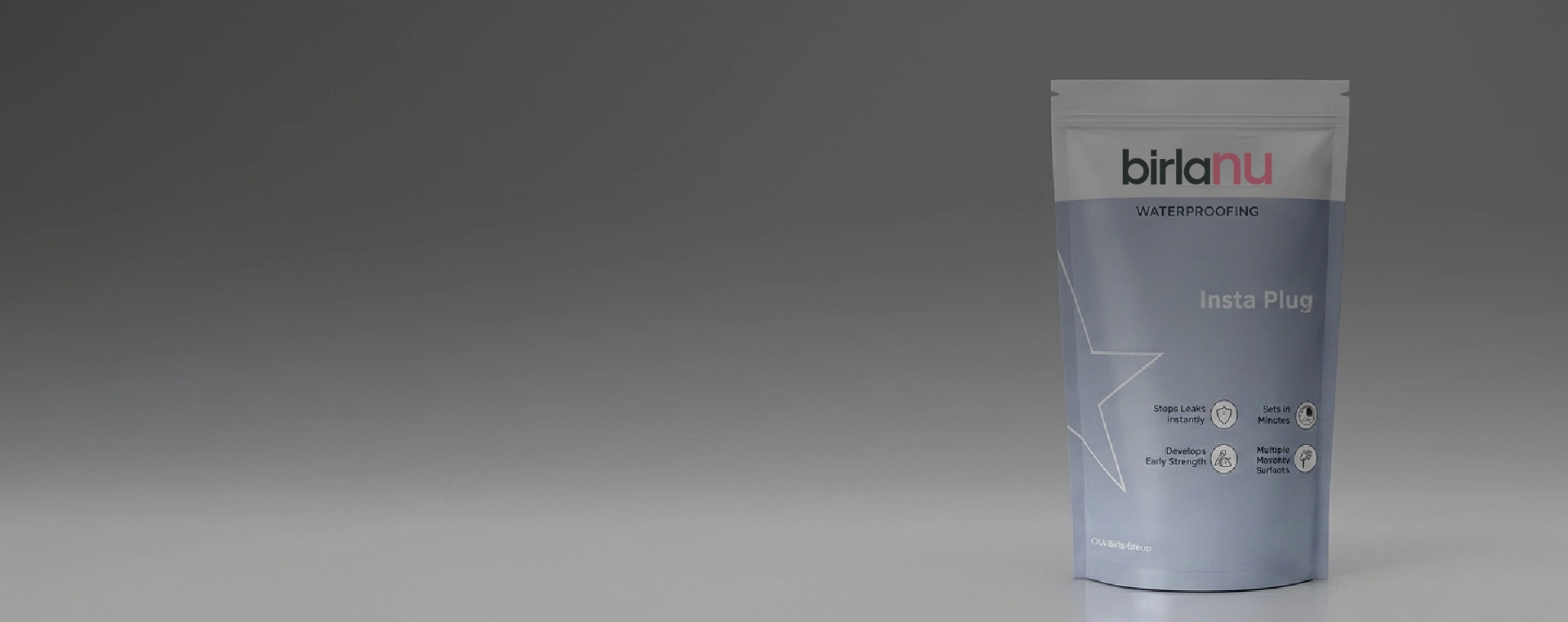
A fast solution for active leaks and seepage under pressure.
14/07/2026
7 minutes read
Avoid common wall construction mistakes with smarter building solutions. Learn when to use fibre cement boards and ensure durable, high-quality finishes.
- - 23/07/2026
The essential waterproofing solutions for lasting protection.
- - 23/07/2026
A fast solution for active leaks and seepage under pressure.
- - 14/07/2026
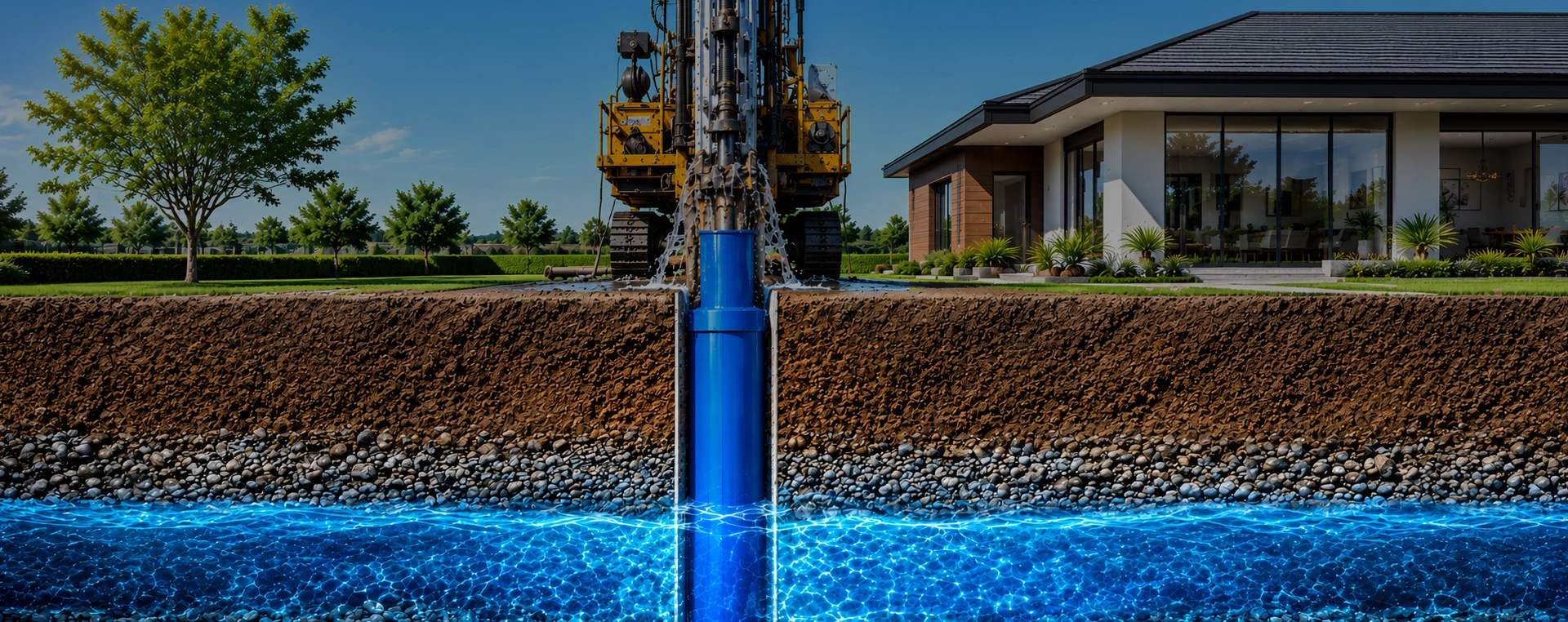
Ensuring borewell stability, durability, and reliable water extraction.
- - 14/07/2026
