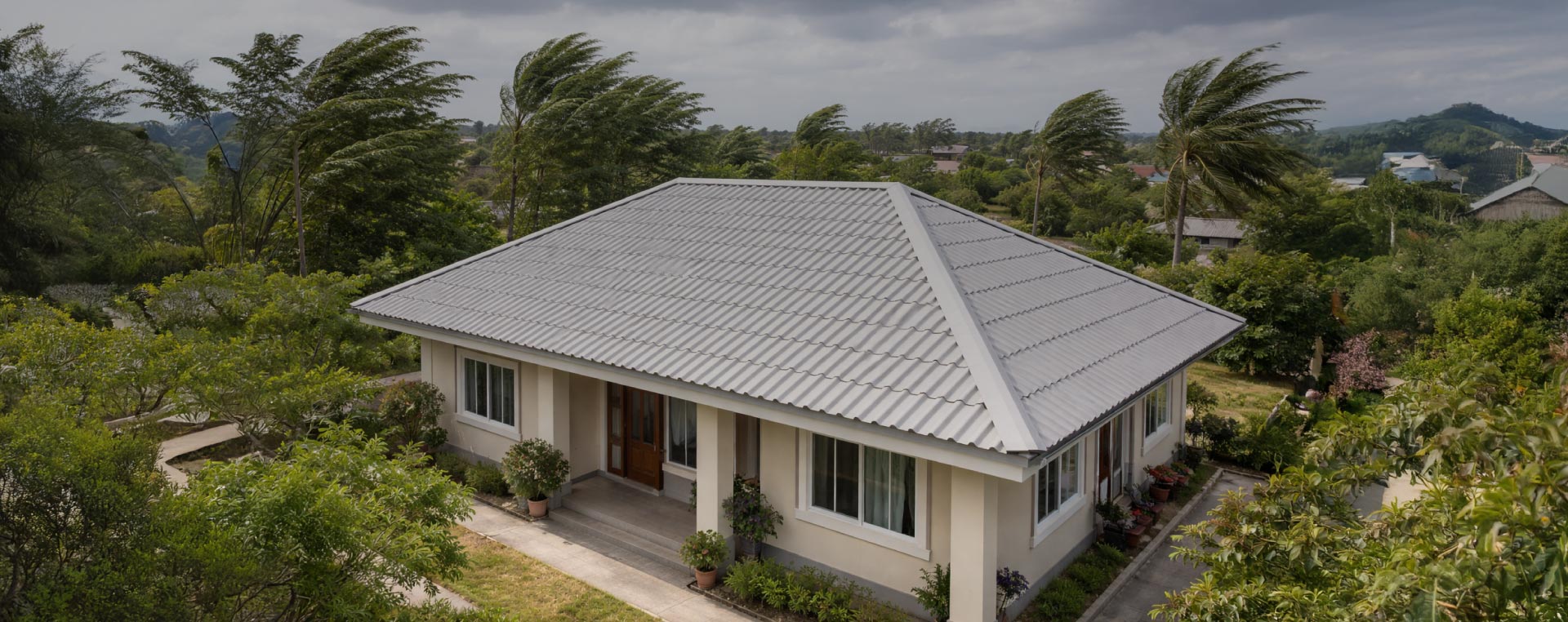
Choosing the right roofing sheets is crucial in heavy-wind regions to ensure your home stays safe and secure. Areas prone to cyclones, coastal storms, or strong seasonal winds place significant stress on rooftops. If the roofing material is not suited for such conditions, it can loosen, lift, or even tear away, leading to structural damage, water ingress, and costly repairs. For homeowners, selecting roofing sheets for heavy-wind areas is not just about appearance or cost, but about long-term safety and resilience.
Understanding how different roofing materials perform under wind pressure can help you make an informed choice and avoid common roofing failures.
Did you know? Even wind-resistant roofing sheets can fail during storms if fastener spacing, overlap length, or edge detailing is not designed for high-wind conditions.
Charminar BirlaNu roofs are designed with high-wind performance in mind, offering robust strength and reliable durability for exposed locations. When paired with the recommended fixing tools and accessories, such as appropriate fasteners and sealing solutions, they help improve roof grip, minimise uplift and enhance overall roof stability. This integrated approach ensures the roof performs as a system, delivering better protection and longer service life in heavy-wind conditions.
Why wind resistance matters in roofing
High winds create uplift forces that pull roofing sheets upward, especially at roof edges and corners. Lightweight or poorly fixed materials are more vulnerable to this pressure, increasing the risk of detachment during storms. Wind-driven rain can further exploit gaps, leading to leaks and internal damage. Roofing sheets designed for heavy-wind areas are engineered to resist these forces, maintain their position, and protect the building envelope even during extreme weather events.
Roofing solutions for heavy-wind areas
Fibre-cement roofing sheets for wind-prone regions
Fibre-cement sheets are a reliable option for homes exposed to strong winds. Their higher density and weight provide natural resistance to uplift, helping the roof remain stable under pressure. Unlike some lightweight materials, fibre-cement sheets are less likely to vibrate or flex during high winds, reducing stress on fasteners and joints.
In addition to wind resistance, fibre-cement sheets offer long-term durability. They are resistant to moisture, corrosion, and temperature fluctuations, making them suitable for coastal and high-humidity environments where wind and rain often occur together. For homeowners looking for a solid, low-maintenance roofing solution, fibre-cement sheets provide dependable performance over time.
Coloured steel roofing sheets and secure fixing
Coloured steel roofs are another popular choice for heavy-wind areas when installed correctly. Their lightweight nature reduces load on the structure, but this also means proper fixing becomes critical. High-quality coloured steel roofing sheets are designed to interlock securely and work with specialised fasteners that anchor the sheets firmly to the roof frame.
When fixed using recommended spacing and wind-rated screws, coloured steel roofs can effectively resist uplift forces. Their strength-to-weight ratio allows them to perform well during storms while offering design flexibility and a clean, modern finish. Homeowners should ensure that the chosen steel roofing system meets wind-load standards suitable for their specific region.
Installation and anchoring are equally important
Even the best roofing sheets for heavy-wind areas can fail if installation practices are inadequate. Correct anchoring, appropriate fasteners, and proper overlap between sheets play a crucial role in wind performance. Roof edges, ridges, and corners require extra attention, as these areas experience the highest wind pressure.
Engaging experienced installers who follow manufacturer guidelines and local building codes is essential. Proper installation not only improves wind resistance but also extends the overall lifespan of the roof.
Conclusion
Selecting the right roofing sheets for heavy-wind areas is a critical decision for homeowners in wind-prone regions. Materials such as fibre-cement sheets and well-fixed coloured steel roofs offer strong resistance against wind uplift when chosen and installed correctly. Equally important are proper anchoring techniques and adherence to installation standards. By combining durable, wind-resistant roofing materials with professional installation, homeowners can ensure their roofs remain secure, stable, and protective even in the strongest winds.
FAQs
Do heavier roofing sheets perform better in strong winds?
Heavier materials generally resist uplift more effectively, especially when combined with correct fastening and edge detailing.
Why do roofs fail in storms even when good materials are used?
Most failures occur due to improper installation, incorrect fastener spacing, or inadequate anchoring at edges and corners.
Should I choose different roofing sheets for coastal or high-wind areas?
Yes. Such regions require sheets designed to resist strong winds, moisture exposure, and corrosion over time.
Are fixing tools and accessories important for wind resistance?
Absolutely. Wind performance depends on the complete system, including screws, washers, and installation techniques.