

4 minutes read
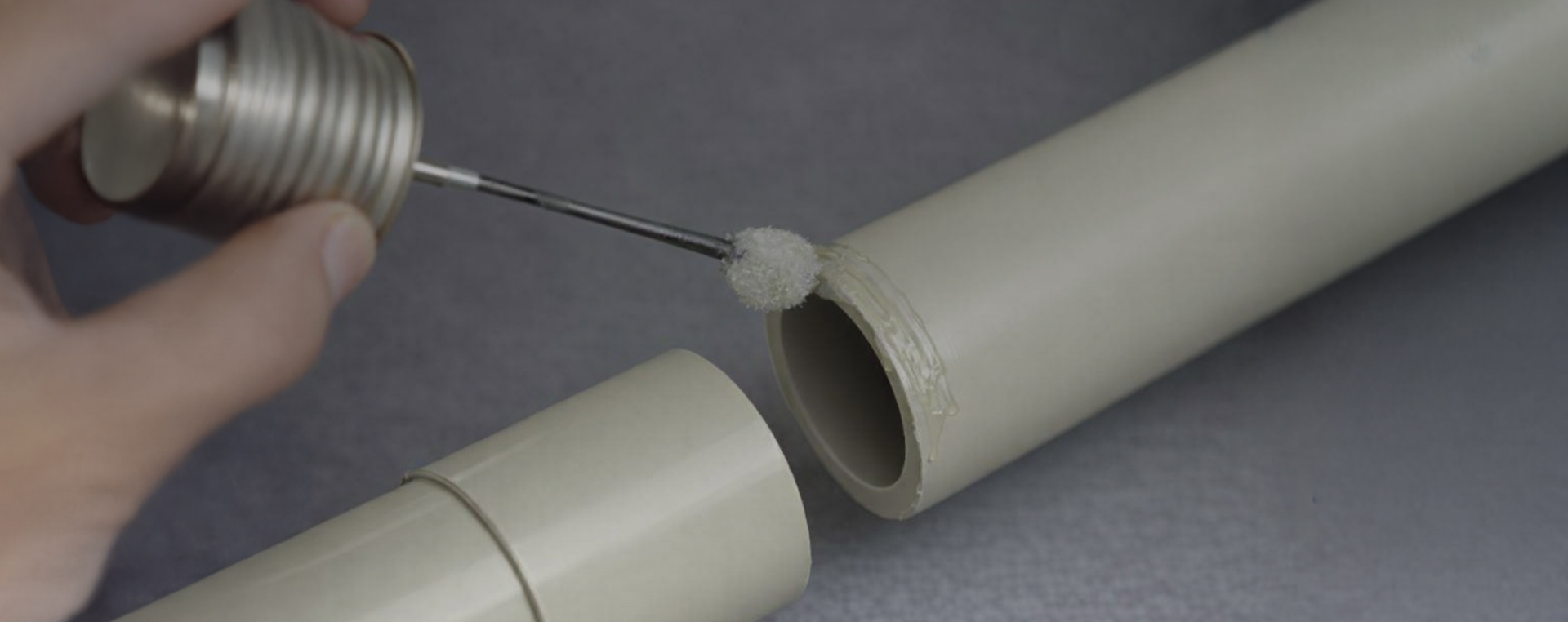
PVC solvent cement is a solvent-based bonding agent designed to create strong, leak-proof connections between PVC pipes and fittings. By chemically bonding the materials, solvent cement ensures a permanent, durable joint that can withstand pressure, temperature changes and everyday wear. Whether used in residential plumbing, irrigation systems or commercial installations, the right PVC solvent cement plays a crucial role in maintaining system integrity and preventing leaks.
Did you know? A properly solvent-welded PVC joint can be as strong as the pipe itself, as the bonding process fuses the pipe and fitting into a single, unified structure rather than relying on surface adhesion alone.
Understanding how PVC solvent cement works and applying it correctly is essential for achieving reliable, long-lasting PVC connections.
PVC solvent cement relies on a process known as solvent welding. The cement softens the surfaces of both the pipe and the fitting, allowing them to fuse together at a molecular level. Once the joint is assembled and the solvent evaporates, the PVC surfaces harden into a single, seamless piece. This chemical bonding ensures that the connection is highly resistant to leaks, pressure fluctuations and mechanical stress.
Solvent welding using PVC solvent cement is widely preferred over mechanical joining methods because it provides a uniform, smooth joint that reduces the risk of failure, even in complex piping networks or moderate-pressure applications.
|
Common mistake |
Why it causes issues |
|
Skipping surface cleaning |
Dirt, grease or moisture prevents proper solvent welding, leading to weak bonds and potential leaks. |
|
Using too little solvent cement |
Inadequate coverage results in incomplete bonding between the pipe and fitting, reducing joint strength. |
|
Using too much solvent cement |
Excess cement can weaken the joint, increase curing time and cause material deformation. |
|
Moving the joint too soon |
Disturbing the joint before curing is complete can break the initial bond and cause leaks. |
|
Applying in cold or wet conditions |
Low temperatures or moisture can slow curing and compromise the chemical bonding process. |
Using the right PVC solvent cement, along with correct surface preparation and application practices, ensures strong, leak-free joints that perform reliably over time. Proper solvent welding reduces the risk of joint failure, minimises maintenance and supports long-term system durability. For residential, commercial and irrigation installations, PVC solvent cement remains a trusted solution for creating secure and dependable piping connections.
Is PVC solvent cement the same as glue?
No, it chemically welds PVC pipes and fittings by softening and fusing the material, rather than simply sticking surfaces together.
How long should PVC solvent cement cure before use?
Initial setting occurs within minutes, but full curing can take several hours depending on pipe size, temperature and cement type.
Do I need to apply solvent cement on both the pipe and fitting?
Yes, applying PVC solvent cement to both surfaces ensures uniform bonding and a stronger, leak-proof joint.
Is solvent welding stronger than threaded PVC joints?
Yes, solvent-welded joints typically offer higher strength and better leak resistance than threaded connections.
The latest

Avoid common wall construction mistakes with smarter building solutions. Learn when to use fibre cement boards and ensure durable, high-quality finishes.
23/07/2026
9 minutes read
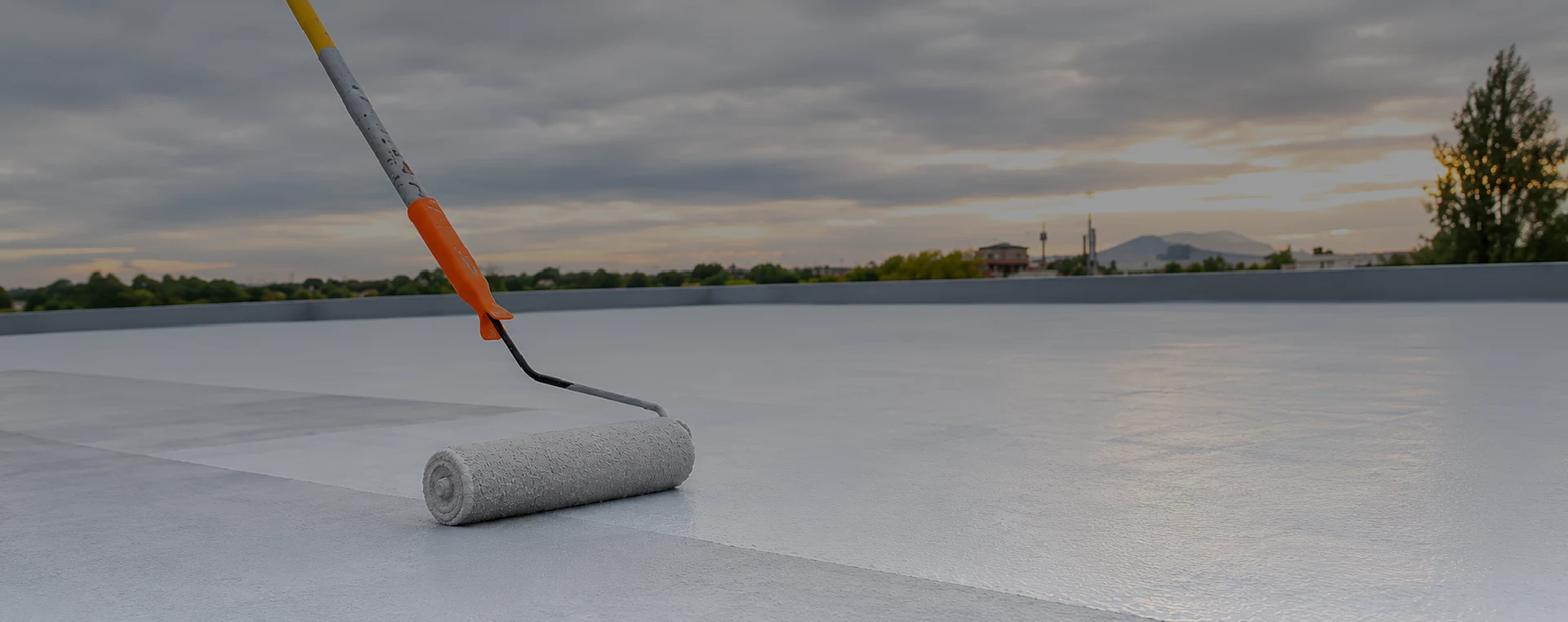
The essential waterproofing solutions for lasting protection.
23/07/2026
7 minutes read
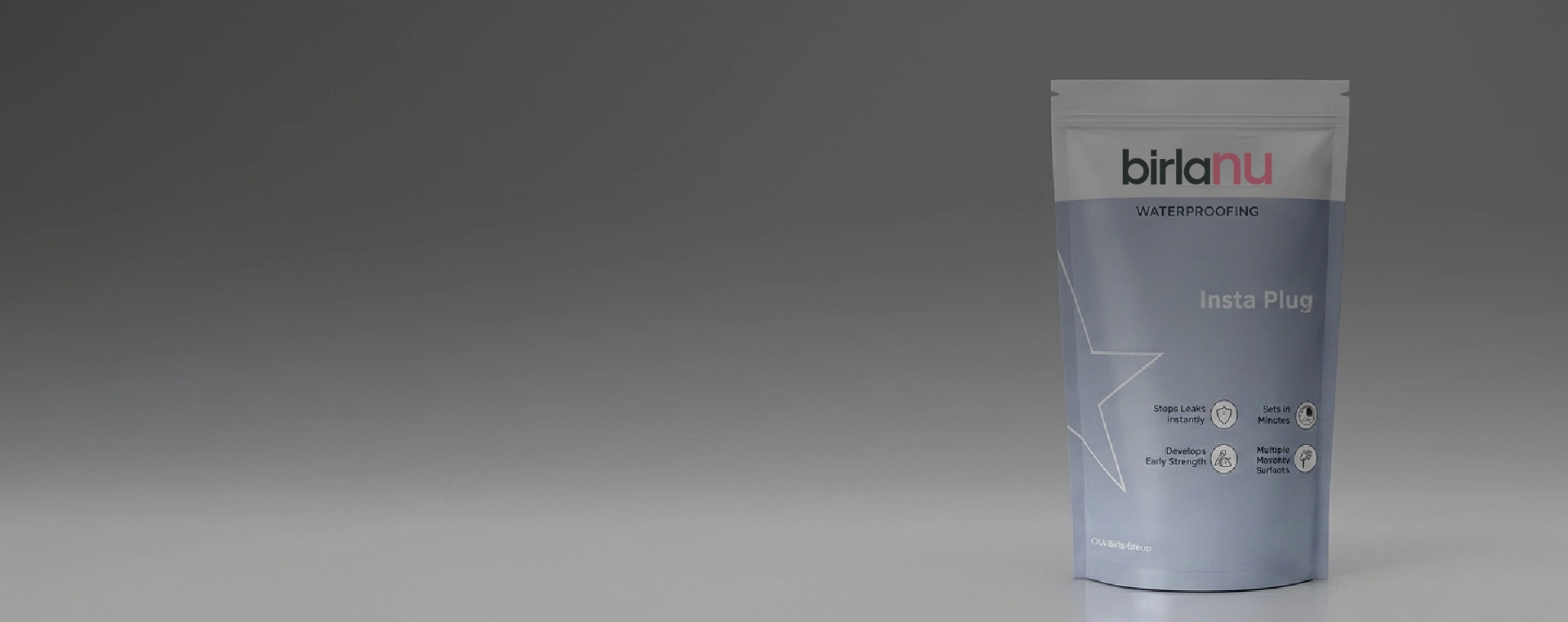
A fast solution for active leaks and seepage under pressure.
14/07/2026
7 minutes read
Avoid common wall construction mistakes with smarter building solutions. Learn when to use fibre cement boards and ensure durable, high-quality finishes.
- - 23/07/2026
The essential waterproofing solutions for lasting protection.
- - 23/07/2026
A fast solution for active leaks and seepage under pressure.
- - 14/07/2026

Ensuring borewell stability, durability, and reliable water extraction.
- - 14/07/2026
