

5 minutes read
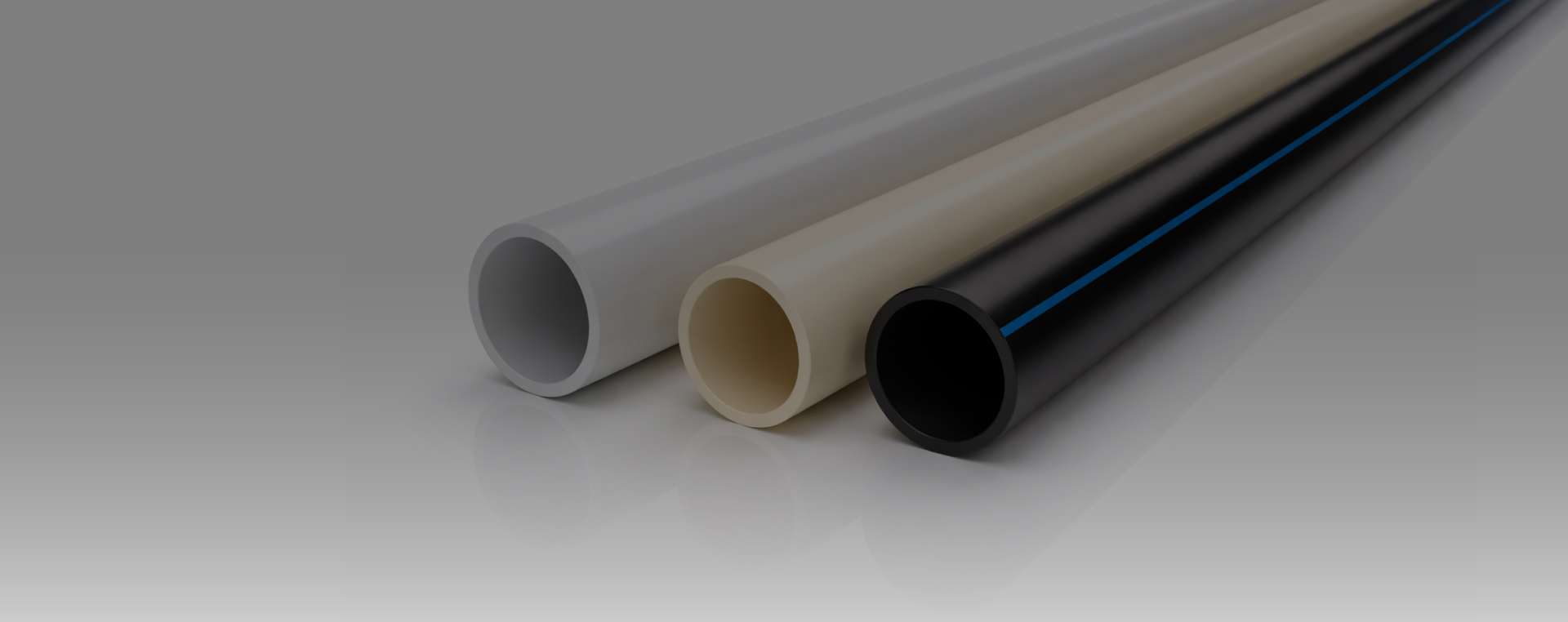
Modern plumbing systems rely on durable piping materials to ensure efficient water distribution and long-term reliability. Different types of pipes are used depending on the specific application, operating conditions and performance requirements. Factors such as temperature resistance, flexibility, pressure handling and installation environment all influence the choice of pipe material.
Among the commonly used piping solutions, PVC, CPVC and HDPE pipes are widely adopted across residential, commercial and infrastructure projects. Each of these materials offers distinct advantages suited to particular applications within plumbing and water management systems.
Did you know? Different piping materials respond differently to heat, pressure and environmental conditions, which is why selecting the right type is essential for reliable plumbing systems.
Understanding how PVC, CPVC and HDPE pipes differ can help builders, engineers and homeowners choose the most suitable option for their needs.
PVC pipes
Polyvinyl chloride or PVC pipes are among the most commonly used materials in plumbing systems, particularly in drainage and waste management applications. They are valued for their durability, affordability and resistance to corrosion.
PVC pipes are widely used in plumbing networks where high temperature resistance is not required. Their rigid structure allows them to maintain stability in fixed installations, making them suitable for both residential and commercial drainage systems.
Common applications of PVC pipes include:
• Drainage systems in residential and commercial buildings
• Sewage and wastewater pipelines
• Ventilation lines in plumbing networks
Because they are lightweight and easy to install, PVC pipes are frequently selected for residential plumbing projects. In many installations, high-quality PVC piping solutions are used in plumbing networks designed to support reliable water flow and long-term durability.
CPVC pipes
Chlorinated polyvinyl chloride or CPVC pipes are specifically designed to handle both hot and cold-water supply in plumbing systems. Compared to standard PVC, CPVC pipes offer higher temperature resistance and improved durability under continuous water flow.
This makes CPVC pipes suitable for domestic plumbing networks that require stable performance across different temperature conditions. Their ability to withstand temperature variations allows them to maintain structural integrity even during prolonged hot-water usage.
CPVC pipes are commonly used in applications such as:
• Household plumbing networks supplying hot and cold water
• Water distribution lines for kitchens and bathrooms
• Plumbing systems connected to heating applications
CPVC pipes also resist corrosion and mineral scaling, which helps maintain consistent water flow and pressure within the plumbing system. In many residential projects, high-quality CPVC pipes and fittings - such as those offered by BirlaNu - are incorporated into plumbing networks to support efficient hot and cold-water distribution.
HDPE pipes
High-density polyethylene or HDPE pipes are widely used in infrastructure and industrial applications where flexibility and strength are important. These pipes are known for their ability to withstand pressure and adapt to ground movement without cracking.
HDPE pipes perform reliably in environments where underground installation and external stress conditions are common. Their flexibility allows them to maintain performance even in areas where soil movement or shifting ground conditions may occur.
HDPE pipes are commonly used in applications such as:
• Underground water supply networks
• Agricultural irrigation systems
• Industrial pipeline installations
Another advantage of HDPE pipes is their strong jointing systems, which help minimise the risk of leakage in long pipeline installations. Across many large infrastructure projects, durable HDPE solutions from BirlaNu are used in pipeline systems designed to handle long-distance water transportation with consistent performance.
Choosing the right pipe material
| Pipe material | Key characteristics | Common applications |
| PVC pipes | Rigid structure, durable and cost efficient | Waste and water discharge systems |
| CPVC pipes | High temperature resistance and durability | Hot and cold-water supply in plumbing networks |
| HDPE pipes | Flexible, strong and resistant to environmental stress | Underground installations and large-scale water distribution networks |
Protect metal surfaces from rust, corrosion, and long-term environmental damage.
-i - 26/05/2026
Build a stronger and smoother wall surface with the right base preparation.
- - 26/05/2026
Durable construction solutions for modern building needs.
- - 26/05/2026
How exterior primer improves paint durability and protection.
- - 26/05/2026
