

5 minutes read
Pipe fittings form the backbone of every plumbing system. They connect individual pipe sections, guide the direction of water flow and help regulate pressure across the network, ensuring smooth and safe operation. From residential spaces to large commercial facilities, the right fittings play a vital role in minimising leaks, maintaining consistent flow and enhancing the long-term durability of plumbing systems.
A clear understanding of the different types of pipe fittings and how to choose them correctly is essential for building plumbing networks that deliver reliable performance, structural integrity and long-lasting efficiency.
Did you know? Even a small mismatch in pipe fittings or materials can reduce a plumbing system’s lifespan, as improper joints are a common cause of leaks and pressure loss.
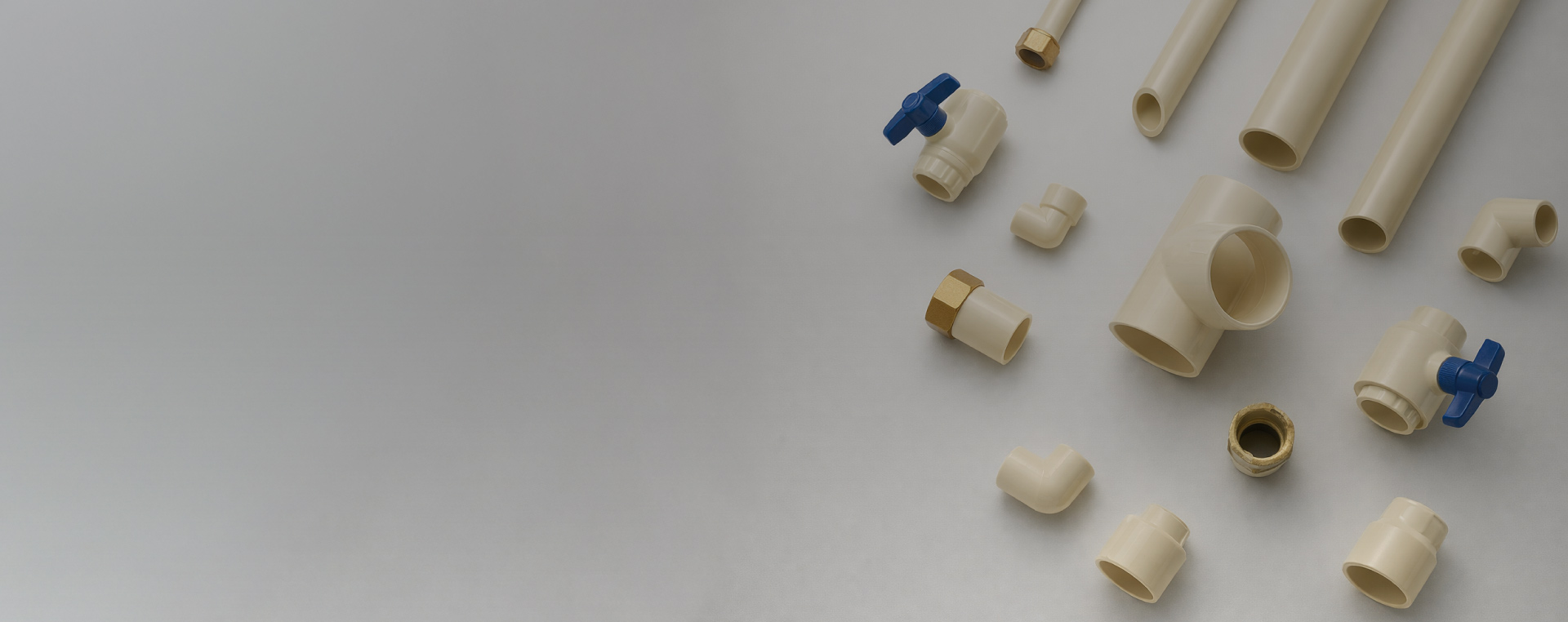
Pipe fittings come in various shapes and sizes; each designed for a specific function within a plumbing layout.
Each fitting serves a specific purpose and selecting the right type ensures smooth water movement and system stability.
The material used for pipe fittings plays a crucial role in determining how well a plumbing system performs, how long it lasts, and the conditions it can handle. Choosing the right material ensures that fittings withstand pressure, temperature changes and daily wear, while also preventing leaks and failures over time.
uPVC is a stronger and more rigid version of PVC, offering better durability under pressure. These fittings can handle both cold water supply and moderate pressure systems, making them suitable for most residential plumbing applications. uPVC is highly resistant to chemical exposure and sunlight, which makes it a reliable choice for both indoor and outdoor installations.
CPVC fittings are specially designed to withstand high temperatures and pressures, making them ideal for hot water lines and systems where thermal stress is a factor. They offer excellent durability, long service life and reliable performance even under demanding conditions. CPVC is commonly used in kitchens, bathrooms and commercial hot water systems where safety and longevity are priorities.
Selecting the right material is not just about durability, but also about ensuring the plumbing system functions efficiently under the intended conditions. By understanding the strengths and limitations of each material, you can choose fittings that provide long-term reliability and minimise maintenance issues.
|
Factor |
What to consider |
|
Pressure ratings |
Ensure the fittings can withstand the water pressure in your system. Fittings with inadequate ratings can lead to leaks or system failure. |
|
Compatibility |
The fittings must match the pipe material and diameter. Mismatched components may weaken joints and compromise sealing. |
|
Installation conditions |
Consider the environment of installation, including temperature, chemical exposure and accessibility, as these affect material choice and design. |
|
Application type |
Residential and commercial systems have different needs. Commercial setups often require higher durability and greater pressure resistance. |
Choosing the right pipe fittings is essential for a plumbing system that is reliable, efficient and long-lasting. By selecting the appropriate types and materials while considering installation requirements, you can ensure smooth water flow, minimise maintenance issues and enhance overall system durability across both residential and commercial applications.
How do I choose the right material for pipe fittings?
Consider water temperature, pressure and installation conditions. uPVC is suitable for cold water, while CPVC is designed for hot water applications.
What is the difference between uPVC and CPVC fittings?
uPVC is rigid and best suited for cold water and moderate pressure applications, while CPVC is engineered to handle higher temperatures and is used for hot water lines.
How do I know the correct pressure rating for fittings?
Check the system’s water pressure and ensure fittings meet or exceed it. Low-rated fittings can cause leaks or damage.
What should I consider when installing pipe fittings?
Compatibility with pipe size and material, temperature, pressure and exposure conditions are key. Proper installation ensures durability.
Can I use the same fittings for hot and cold water?
Not all fittings are suitable for both. uPVC is best for cold water, while CPVC is designed to handle high temperatures in hot water systems.
The latest
Avoid common wall construction mistakes with smarter building solutions. Learn when to use fibre cement boards and ensure durable, high-quality finishes.
23/07/2026
9 minutes read
The essential waterproofing solutions for lasting protection.
23/07/2026
7 minutes read
A fast solution for active leaks and seepage under pressure.
14/07/2026
7 minutes read
Avoid common wall construction mistakes with smarter building solutions. Learn when to use fibre cement boards and ensure durable, high-quality finishes.
- - 23/07/2026
The essential waterproofing solutions for lasting protection.
- - 23/07/2026
A fast solution for active leaks and seepage under pressure.
- - 14/07/2026
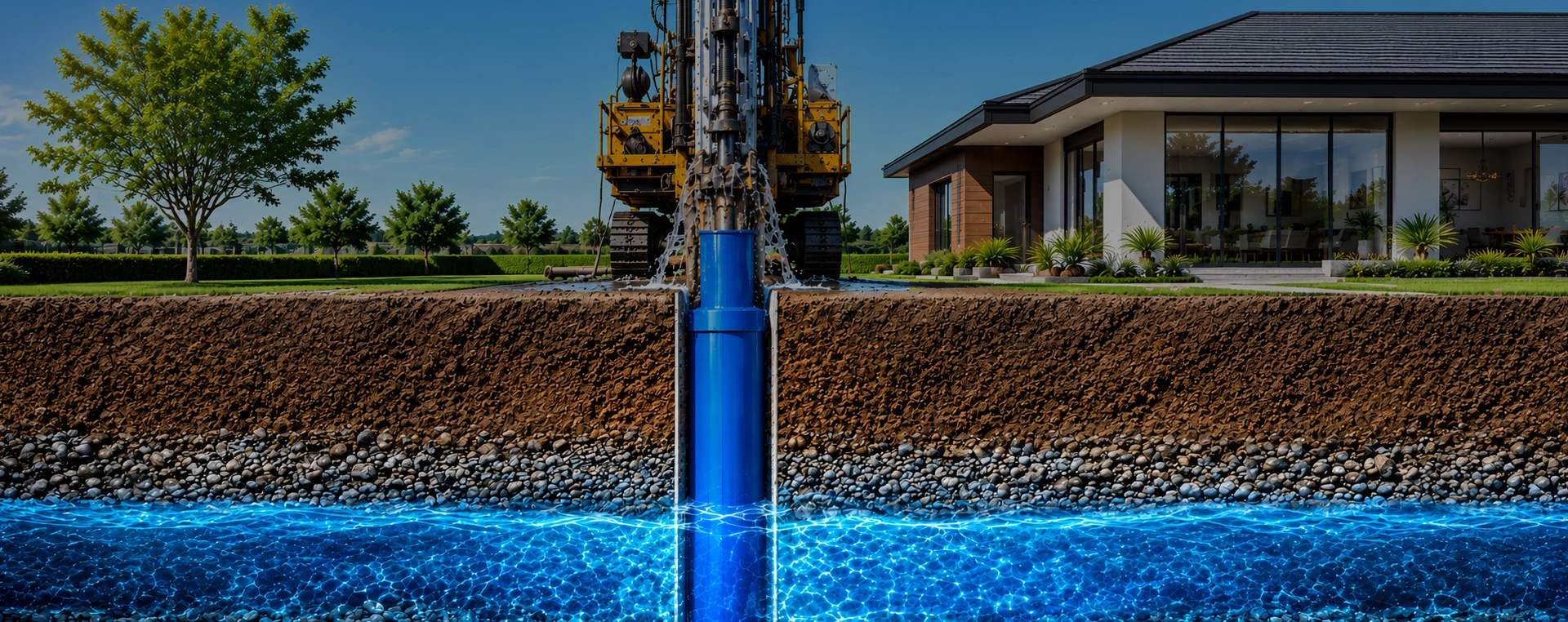
Ensuring borewell stability, durability, and reliable water extraction.
- - 14/07/2026
