Internal and external walls may appear similar at first glance, yet they perform very different structural and functional roles within a building. For builders, understanding these differences is essential when selecting materials and systems. The right choice influences not only durability and safety but also comfort, maintenance costs and long-term performance.
Choosing a wall solution without considering its specific purpose can result in damp patches, structural cracks and poor thermal efficiency. A clear distinction between internal and external requirements helps avoid these costly issues.
Did you know? External walls are not just structural - they play a key role in a building’s energy efficiency. Poor insulation or minor gaps in waterproofing can cause hidden heat loss, damp spots and higher energy bills over time, even if the walls look perfectly fine on the surface.
To ensure walls perform effectively, builders and homeowners often choose high-quality materials such as
BirlaNu Construction Chemicals and BirlaNu Putty. These solutions help improve adhesion, provide smoother finishes and enhance durability, supporting both internal and external walls in resisting cracks, dampness and everyday wear.
Understanding internal walls
Internal walls are primarily designed to divide space and create functional layouts within a building. They do not usually bear heavy structural loads, but their role in comfort, usability and aesthetics is significant.
Space planning and flexibility
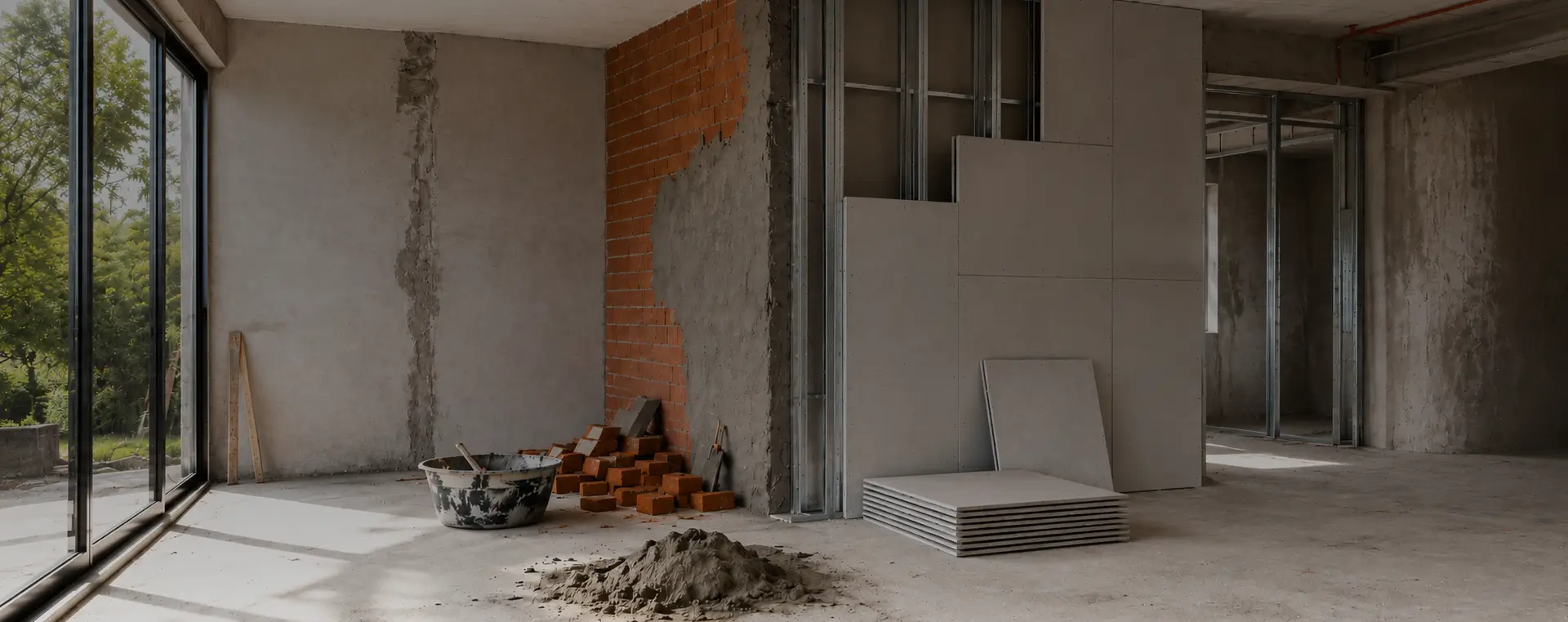
Internal partitions define rooms, corridors and service areas. Builders need materials that allow for precise alignment and smooth finishes. Lightweight and adaptable systems are often preferred, as they can be modified during renovations without compromising the rest of the structure.
Acoustic performance
Sound insulation is an important consideration, particularly in residential or commercial buildings where privacy and comfort are key. Proper internal wall systems help reduce noise transfer between rooms and improve the overall environment for occupants.
Surface finish and durability
The internal wall surface often forms the base for paint, tiles or other decorative finishes. Choosing materials that resist cracks, damp patches and uneven settling ensures a refined and long-lasting appearance. Using construction solutions like
BirlaNu Putty can make a noticeable difference in achieving smooth, durable surfaces.
Understanding external walls
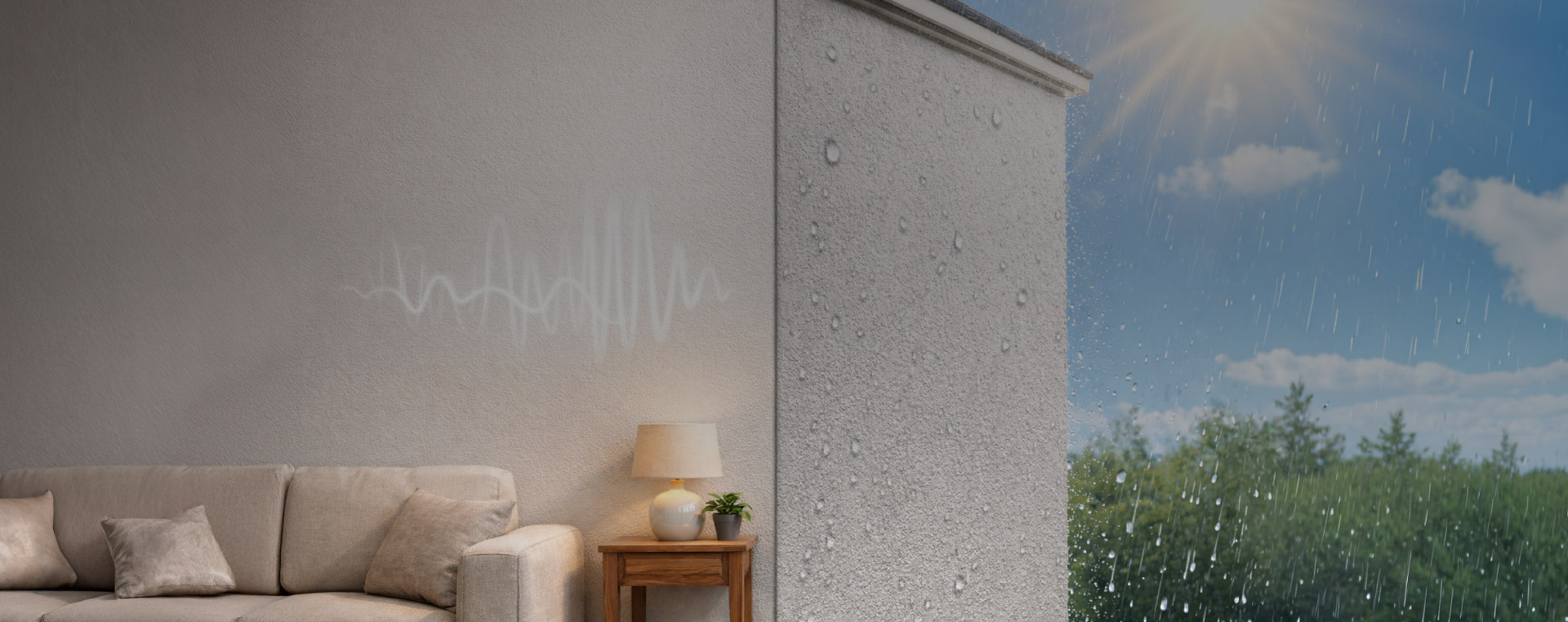
External walls have a more demanding role. They form the building envelope, protecting interiors from weather, temperature variations and structural stress. Performance, durability and energy efficiency are the main priorities.
Structural strength
External walls may act as load-bearing elements and must withstand wind pressure, seismic forces and other stresses. Selecting materials suited for the local climate and load requirements is essential.
Weatherproofing and insulation
Unlike internal walls, external walls are exposed to rain, humidity and sunlight. Adequate waterproofing and thermal insulation are critical to prevent dampness, heat gain and heat loss. Even small gaps or cracks can affect comfort and increase energy consumption.
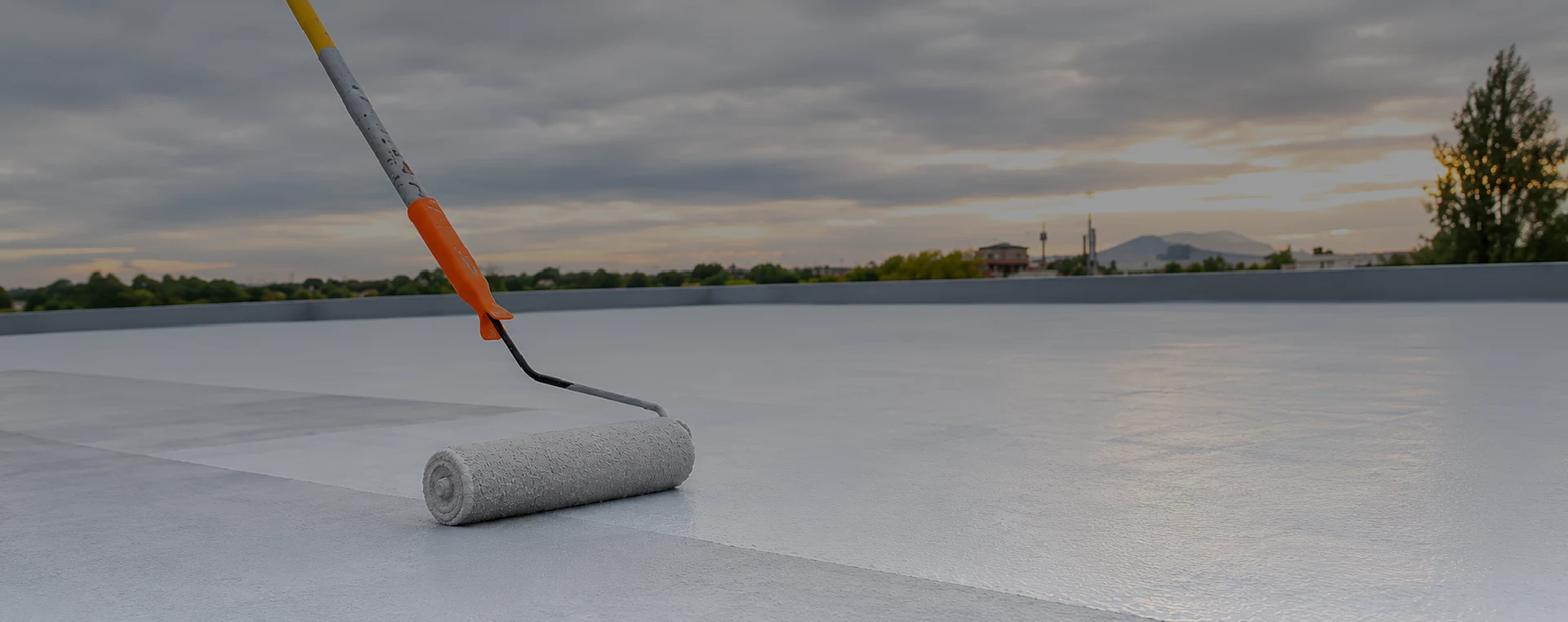
Construction chemicals and plasters that enhance water resistance and stability play an important role in maintaining wall integrity over time.
Durability and maintenance
Temperature changes can cause expansion and contraction in wall materials, leading to cracks or surface degradation. A combination of robust wall systems and high-quality finishing solutions, such as BirlaNu Construction Chemicals, can help maintain structural and aesthetic performance over the long term.
Common risks of incorrect wall solutions
Using the wrong material for internal or external walls can lead to costly long-term issues.
| Issue |
Impact on the building |
| Damp penetration |
Moisture build-up, mould growth and unhealthy indoor conditions |
| Surface cracks |
Plaster failure and compromised finish quality |
| Poor thermal performance |
Higher heating or cooling costs and reduced comfort |
| Reduced durability |
Shorter lifespan of finishes and structural elements |
Conclusion
Walls are more than just structural elements - they influence comfort, efficiency and the overall lifespan of a building. Understanding the distinct demands placed on internal and external walls allows builders to make informed, performance-driven choices rather than treating them as interchangeable components.
By aligning material selection with functional requirements and environmental conditions, projects can achieve stronger finishes, better protection and consistent long-term results.
Incorporating dependable solutions such as BirlaNu Construction Chemicals and Putty can further support surface strength, durability and finish quality without compromising practicality. Thoughtful planning at the wall stage ultimately contributes to a building that performs reliably and meets expectations well into the future.
FAQs
Can I use the same wall material for inside and outside walls?
In most cases, no. External walls need added protection against moisture and temperature changes. Using the same material without adjustments can lead to dampness or cracks over time.
What’s the real difference between internal and external walls?
Internal walls mainly divide rooms and improve privacy and sound control. External walls protect the building from rain, heat and structural stress, so they need stronger waterproofing and insulation.
Do external walls really affect my electricity bill?
Yes. Poorly insulated external walls can let heat enter during summer and escape during winter, which increases cooling or heating usage and raises energy costs.
How do I know if my wall needs waterproofing?
If the wall is exposed to rain or external moisture, waterproofing is essential. Signs like peeling paint, musty smell or recurring damp spots indicate that additional protection may be required.
How do I choose the right wall solution for my house?
Start by identifying whether the wall is load-bearing or non-load-bearing, exposed or protected. Then consider insulation, waterproofing and finish requirements before selecting materials.