

5 minutes read
In regions that experience long summers and intense sunlight, managing indoor heat becomes a daily challenge. Roofs are often the primary source of heat gain, absorbing solar radiation throughout the day and transferring it into living spaces below. Over time, this leads to uncomfortable interiors, increased reliance on cooling systems and higher energy costs.
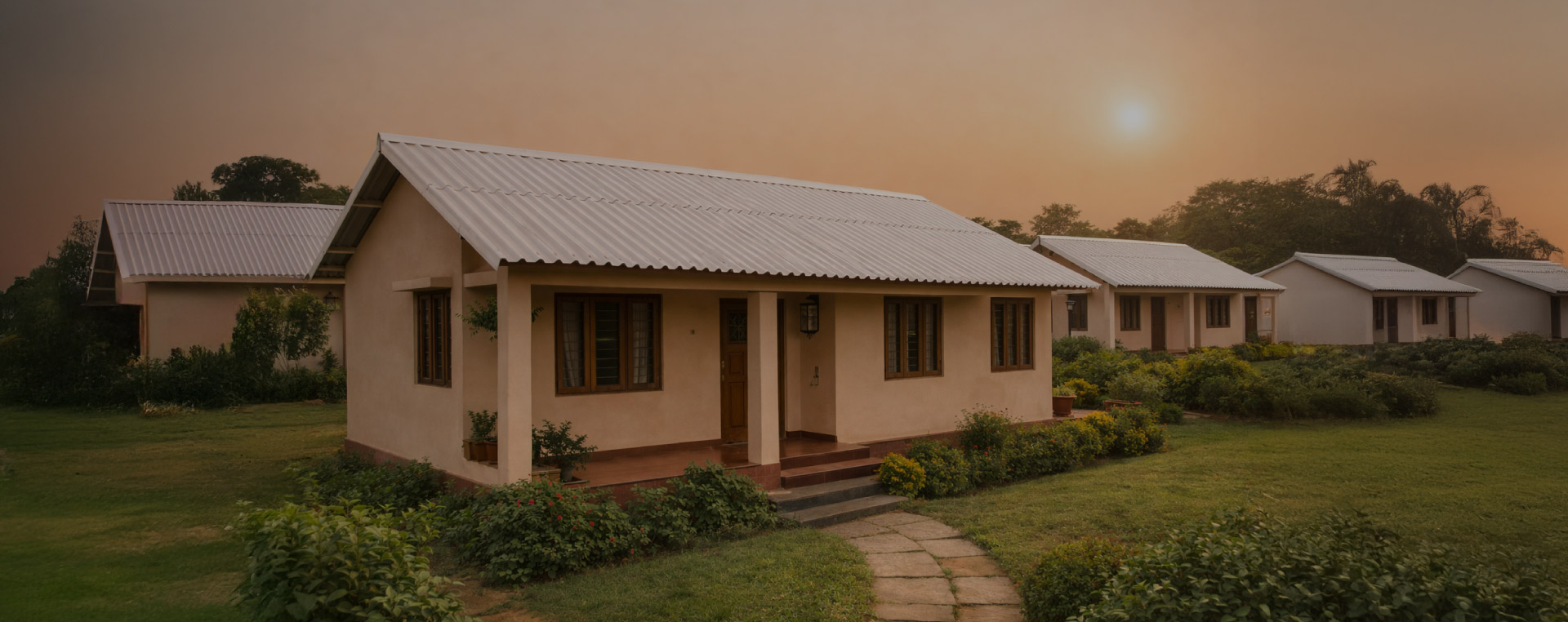
UltraCool Fiber Cement Roofs from Charminar BirlaNu are designed to address this challenge at the source. By limiting heat absorption and reducing thermal transfer, these roofs help maintain cooler indoor environments even during peak summer conditions. Their performance is driven by thoughtful material engineering, reflective properties and a design approach suited to hot climates.
Did you know? Up to 30 - 40% of indoor heat gain in hot climates can come directly from the roof. When roofing materials absorb and store heat throughout the day, this trapped heat continues to warm indoor spaces well into the evening, making temperature control more difficult and energy intensive.
UltraCool Fiber Cement Roofs deliver measurable thermal benefits by helping reduce indoor temperatures by up to 8%. This improvement supports better comfort during peak summer hours while promoting more energy-efficient living.
One of the main reasons indoor spaces become overheated is the way traditional roofing materials absorb and retain heat. Dark or poorly designed roofs trap solar energy, allowing it to pass into the structure below long after the sun has set.
Charminar BirlaNu UltraCool Fiber Cement Roofs are engineered with advanced heat-reflective properties, supported by a high Solar Reflectance Index (SRI) of 99**. This enables the roof surface to deflect a significant portion of solar radiation. Instead of absorbing heat, the roof reflects sunlight away, limiting the amount of thermal energy that enters the building envelope.
This reduction in heat transfer results in:
By minimising the amount of heat that travels from the roof into indoor spaces, these roofs help maintain a more stable and comfortable internal environment.
In hot climates, thermal discomfort often peaks during late afternoons and evenings. This is when roofs release stored heat into indoor spaces, making rooms feel warmer even after sunset.
Charminar BirlaNu UltraCool Fiber Cement Roofs help counter this effect by limiting heat accumulation throughout the day. As less heat is absorbed in the first place, there is significantly less heat to be released later. This results in interiors that cool down faster and remain more comfortable into the night.
For occupants, this translates into:
By addressing both daytime heat absorption and evening heat release, these roofs support consistent thermal comfort.
Excess indoor heat often leads to greater reliance on air conditioners and fans. While cooling systems provide relief, they also increase energy consumption and operational costs, especially in regions where hot weather persists for several months.
Improved thermal performance at the roof level reduces the load on cooling systems. When less heat enters the building, air conditioners do not need to work as hard or run as frequently to maintain comfortable temperatures.
This offers several long-term benefits:
Over time, these advantages contribute to both cost savings and a more sustainable approach to indoor climate control.
Beyond energy efficiency, the true value of effective roofing lies in everyday comfort. UltraCool Fiber Cement Roofs support healthier indoor environments by maintaining moderate temperatures without constant mechanical cooling.
Whether used in homes, schools or commercial structures, the improved thermal balance enhances usability across different spaces. Occupants experience fewer hot spots, more consistent room temperatures and a generally more comfortable indoor atmosphere.
This makes UltraCool Fiber Cement Roofs suitable for:
By reducing heat ingress and improving thermal efficiency, Charminar BirlaNu UltraCool Fiber Cement Roofs offer a smarter roofing solution for hot climatic conditions. Their reflective properties, material density and heat-resistant design work together to limit indoor heat gain and support long-lasting comfort.
For buildings exposed to intense sunlight and extended summers, choosing the right roofing material can make a meaningful difference. UltraCool Fiber Cement Roofs from BirlaNu help create cooler interiors, reduce dependence on cooling systems and enhance everyday living in challenging climates.
What type of roof is best for hot climates?
Roofs with high solar reflectance and low heat transfer, such as UltraCool Fiber Cement Roofs, are well suited for regions with intense sunlight and high temperatures.
Can a heat-reflective roof reduce the need for air conditioning?
Yes, by lowering indoor heat gain, reflective roofing can reduce reliance on continuous cooling and support more energy-efficient living.
How can I reduce indoor heat in my home during summer?
Using heat-reflective roofing like UltraCool Fiber Cement Roofs helps limit heat absorption at the roof level, keeping indoor spaces cooler throughout the day.
What makes UltraCool Fiber Cement Roofs different from regular roofing sheets?
Their high Solar Reflectance Index, controlled material density and heat-resistant design help reduce heat ingress and improve thermal comfort.
The latest
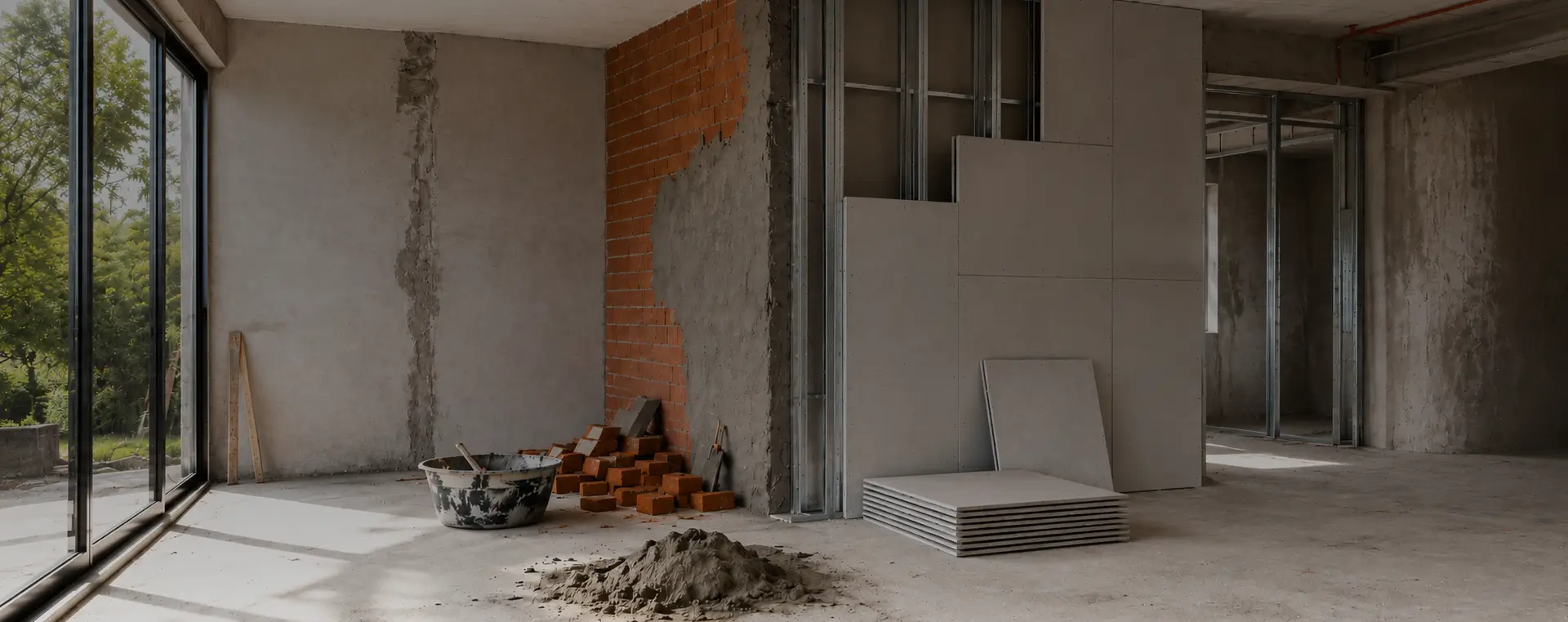
Avoid common wall construction mistakes with smarter building solutions. Learn when to use fibre cement boards and ensure durable, high-quality finishes.
23/07/2026
9 minutes read
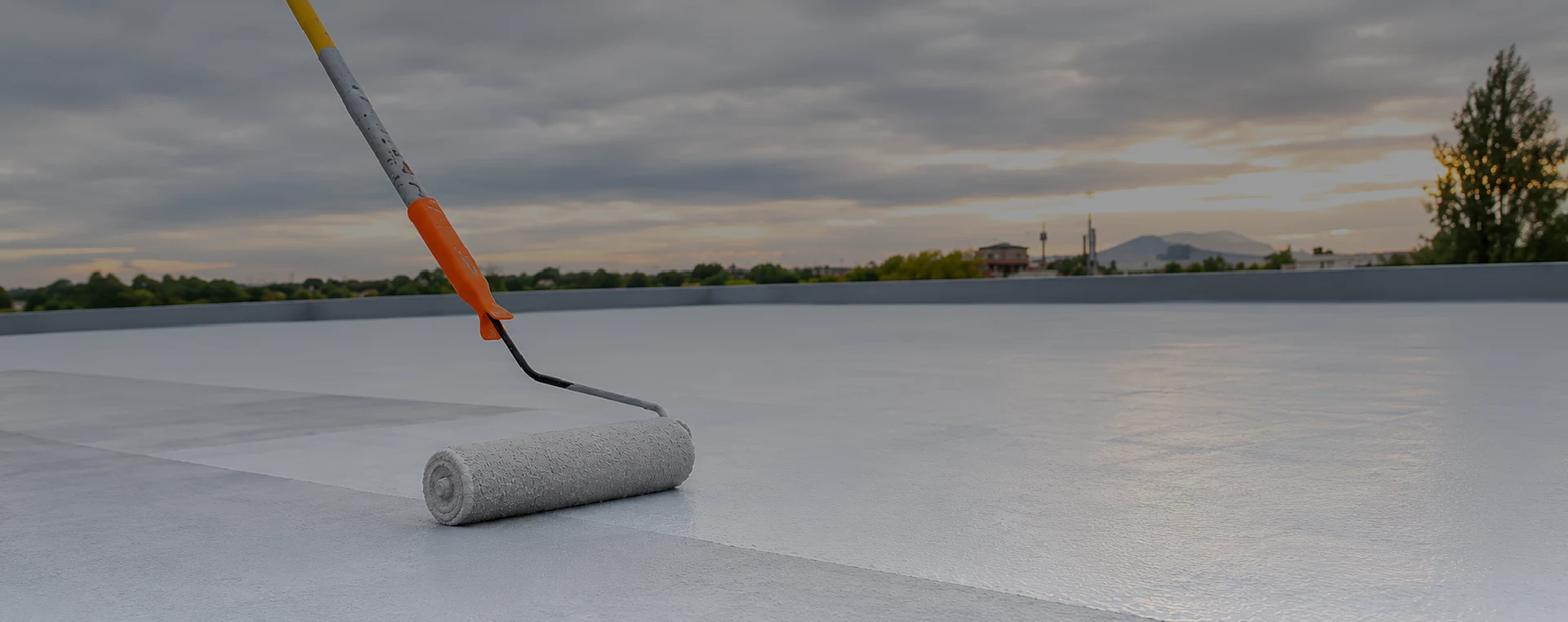
The essential waterproofing solutions for lasting protection.
23/07/2026
7 minutes read
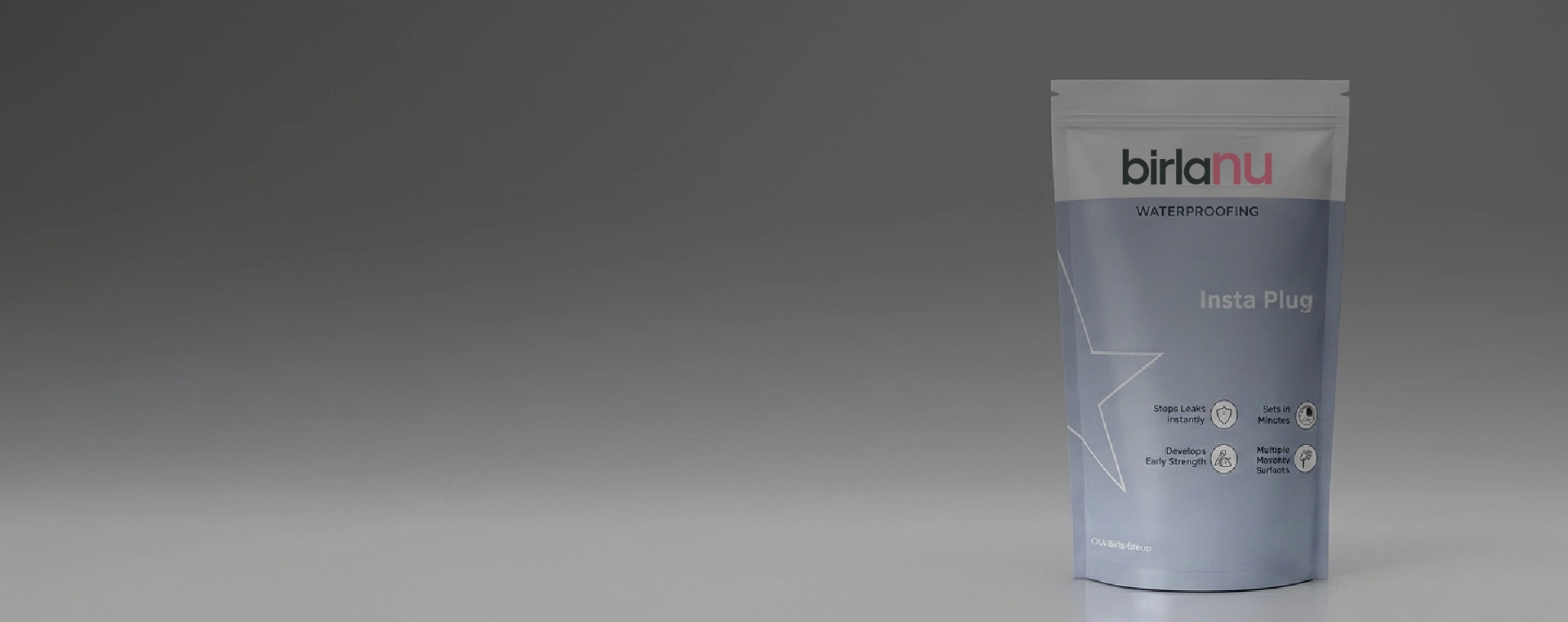
A fast solution for active leaks and seepage under pressure.
14/07/2026
7 minutes read
Avoid common wall construction mistakes with smarter building solutions. Learn when to use fibre cement boards and ensure durable, high-quality finishes.
- - 23/07/2026
The essential waterproofing solutions for lasting protection.
- - 23/07/2026
A fast solution for active leaks and seepage under pressure.
- - 14/07/2026
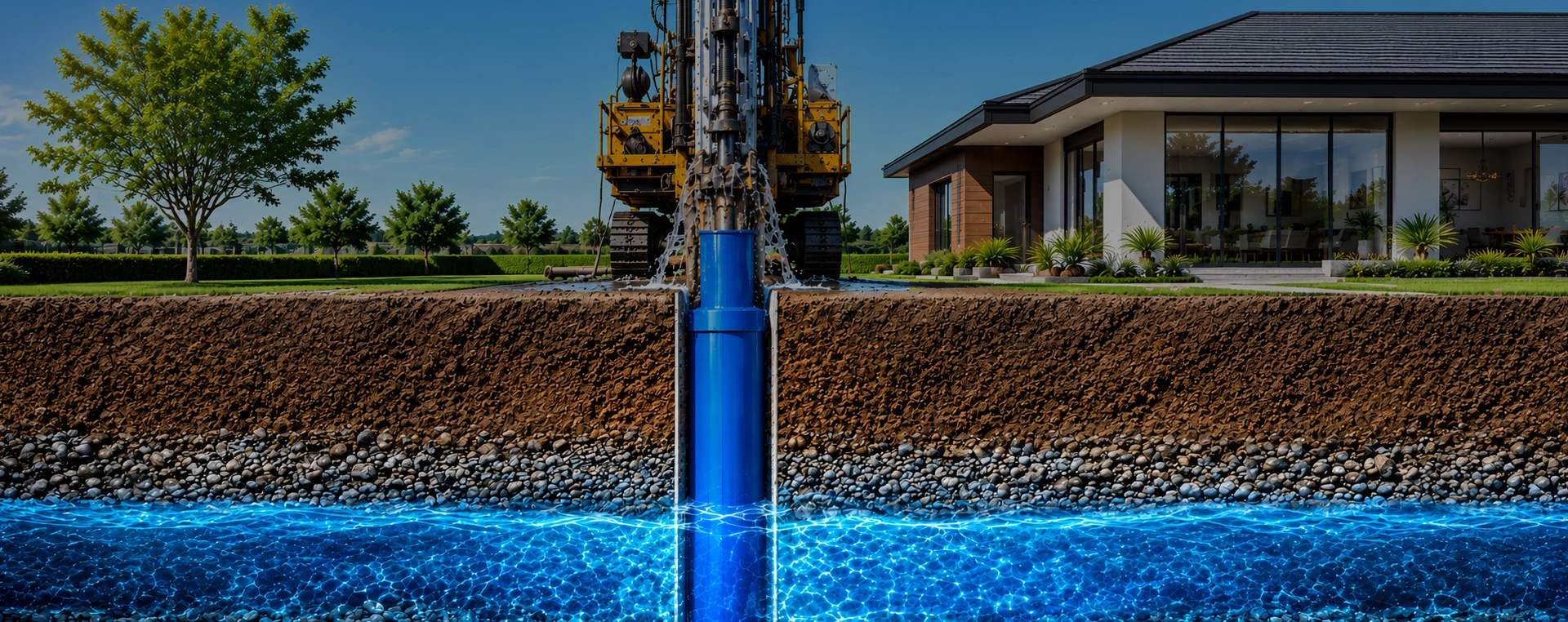
Ensuring borewell stability, durability, and reliable water extraction.
- - 14/07/2026
