Key takeaways
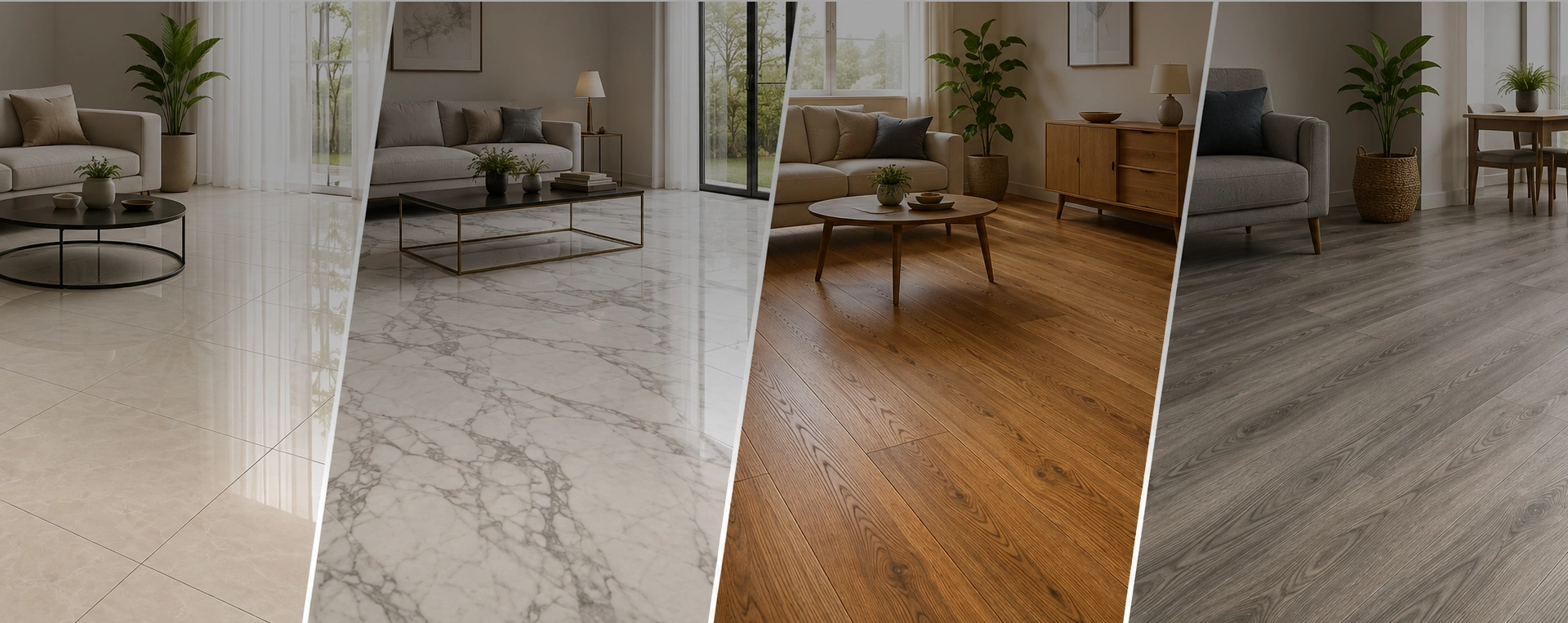
- There is no one-size-fits-all flooring material – each option offers distinct benefits for different spaces and requirements.
- Moisture resistance is a key consideration – tiles and vinyl are better suited to areas exposed to water and humidity.
- Aesthetic preferences can guide your choice – marble offers luxury, wood adds warmth, while vinyl replicates natural wood looks.
- Maintenance varies across flooring types – consider cleaning, sealing, refinishing and long-term care before making a decision.
- Vinyl offers a practical balance – it combines wood-inspired aesthetics, waterproof performance, durability and easy maintenance.
Choosing the right flooring is one of the most important decisions when building or renovating a home. The flooring materials you select will impact everything from daily comfort and maintenance routines to long-term durability and resale value.
With so many options available, understanding the strengths and limitations of each can help you make an informed choice that suits your lifestyle and space.
This comprehensive guide compares four popular flooring materials, exploring how they perform in different situations and which ones work best for various rooms in your home.
Understanding the four main flooring materials
When it comes to flooring materials, four options consistently rise to the top for homeowners: ceramic and porcelain tiles, natural marble, solid hardwood and vinyl flooring.
Each brings its own unique character and practical benefits to a space. Rather than one being objectively better than the others, the right choice depends on your specific needs, budget and the room where you plan to install it.
Tiles: durability meets versatility
Ceramic and porcelain tiles represent one of the most durable flooring options available. They resist scratches, dents and stains far better than most materials, which is why they have remained popular for kitchens and bathrooms for generations.
- Exceptional water resistance, particularly when properly glazed
- Ideal for areas where moisture exposure is common
- Can withstand heavy foot traffic and frequent cleaning without deteriorating
- Installation can be more labour-intensive compared to some alternatives
One of the greatest advantages of tiles is the sheer variety available. From subtle textures and neutral tones to bold patterns and vibrant colours, the design possibilities are nearly limitless.
- Tiles can mimic natural stone or wood
- Available in a wide range of textures, tones, patterns and colours
- Offers aesthetic flexibility at different price points
However, tiles do have limitations. They can feel harder and colder underfoot than softer flooring options.
- Grout lines require regular cleaning to prevent staining and mildew
- In high-traffic areas, tiles can make spaces sound more reverberant
- Rugs or carpeting can help soften the acoustic properties of tiled spaces
Marble: elegance with maintenance considerations
Marble is synonymous with luxury and sophistication. Its natural veining and timeless appearance create a high-end aesthetic that remains fashionable across design styles. For living rooms, entrances and formal spaces, marble can make a striking visual statement.
The downside of marble is its care requirements. Marble is porous and susceptible to staining from acidic substances like wine or lemon juice.
- Requires regular sealing to protect against water damage
- Requires regular professional polishing to maintain its lustrous finish
- In outdoor areas or high-traffic zones, marble weathers over time and loses its appeal more quickly than harder materials
For homeowners who love dramatic, sophisticated interiors and don't mind investing time in maintenance, marble can be an excellent choice. However, it's not the most practical option for busy households with children or pets where durability and easy cleaning are priorities.
Wood: warmth and timeless appeal
Hardwood flooring brings unmatched warmth and natural character to any space. The visual variety available through different wood species, finishes and installation patterns gives you remarkable flexibility in creating the atmosphere you desire. Solid hardwood flooring has long-term value and can actually increase the resale value of a home when properly maintained.
Wood performs beautifully in bedrooms, living rooms and home offices where comfort and aesthetic appeal take priority. Its natural acoustic properties help absorb sound, creating quieter, more comfortable environments compared to harder flooring surfaces.
However, hardwood has notable limitations.
- It's sensitive to moisture and humidity, making it unsuitable for bathrooms, kitchens or basements prone to dampness.
- Wood can scratch easily and requires regular maintenance including refinishing to keep it looking its best.
- Installation typically demands professional expertise, as wood needs proper acclimation before installation due to its tendency to expand and contract with humidity changes.
Vinyl flooring: the wood aesthetic without the limitations
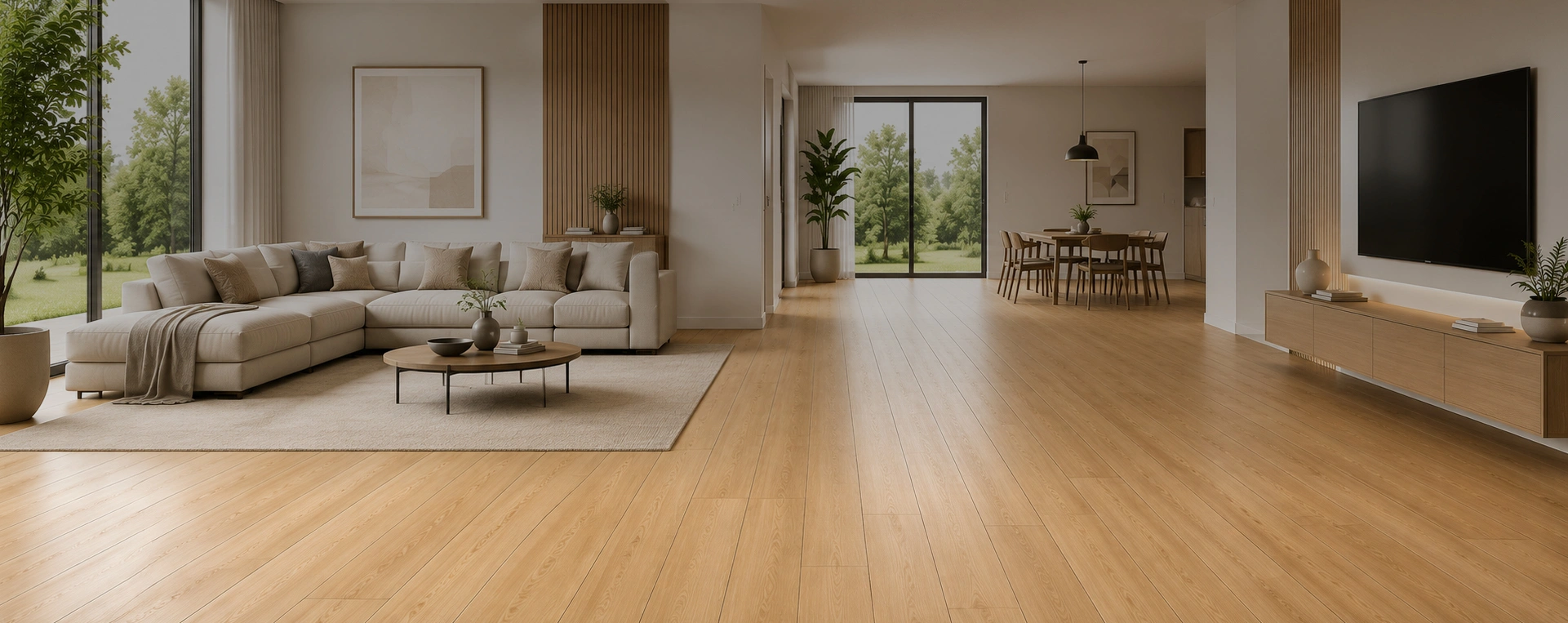
Vinyl flooring represents a significant innovation in home design. It combines photorealistic wood-look designs with the practical benefits of synthetic materials. Made from layers of PVC plastic with advanced photographic imaging, modern vinyl wooden floors can convincingly replicate the appearance of natural hardwood at a fraction of the cost.
Moisture resistance
What makes vinyl flooring particularly appealing is its durability in moisture-prone areas where real wood simply cannot go. Vinyl floors are waterproof, making them exceptional performers in:
- Kitchens
- Basements
- Hallways
- Living rooms
- Laundry rooms
Unlike natural hardwood that can warp, rot or suffer lasting damage from water exposure, vinyl flooring maintains its integrity and appearance regardless of moisture challenges.
Easy maintenance
Maintenance requirements are minimal. A simple vacuum or sweep to remove dirt and debris, combined with occasional damp mopping, keeps vinyl wooden flooring looking pristine.
The waterproof wear layer prevents staining and moisture penetration, meaning spills can be wiped away without concern about permanent damage. This is particularly valuable for active households with children and pets.
Long-lasting performance
With proper care, vinyl wooden flooring can last 10 to 20 years or longer. The lifespan depends on:
- Quality
- Foot traffic levels
- Maintenance practices
Higher-quality products demonstrate superior durability and resistance to wear.
However, vinyl flooring does have some limitations worth considering. It cannot be refinished or restored like real hardwood, so once the top wear layer is damaged, repair options are limited. Prolonged exposure to direct sunlight or extreme heat can cause discolouration or warping. Additionally, whilst more resistant to scratching than earlier vinyl generations, sharp objects and rough furniture feet can still damage the surface, so protective pads and careful handling are worthwhile precautions.
Parador vinyl wooden flooring: European design meets functionality
For homeowners seeking premium vinyl flooring without compromising on style or environmental responsibility, Parador vinyl planks combine European design excellence with practical functionality.
Parador's vinyl collection features innovative technology with multiple core options including:
- HDF (high-density fiberboard) cores
- SPC (stone-plastic composite) cores
- Floating installation options
- Gluing installation options
These options ensure the ideal solution for different requirements and budgets.
Diverse designs and finishes
The extensive vinyl range showcases realistic wood finishes in diverse tones and patterns, including:
- Light oak
- Grey-whitewashed designs
- Warm caramel browns
- Smoked finishes
Parador's in-house design team develops all collections, ensuring each wood-look floor reflects current global design trends whilst maintaining timeless appeal.
Durability, maintenance and aesthetics
What distinguishes Parador vinyl flooring in the flooring materials category is the combination of:
- Exceptional durability
- Minimal maintenance requirements
- Sophisticated aesthetic appeal
Whether you prefer pale natural wood tones, dramatic dark finishes or contemporary, grey-washed designs, Parador offers vinyl flooring that delivers the authentic appearance of real hardwood paired with the practical benefits of waterproof vinyl technology.
Designed for moisture-prone areas
The products are specifically designed to handle moisture without warping, making them ideal for any room in the home, including areas where real wood would be unsuitable.
Where each flooring type works best
Understanding the ideal application for each material helps guide your decision.
- Tiles: Excel in kitchens, bathrooms and utility areas where water resistance and durability matter most.
- Marble: Suits formal spaces like entryways and living rooms where luxury appearance takes priority and maintenance is manageable.
- Solid wood: Works beautifully in bedrooms, lounges and home offices where genuine wood warmth and acoustic benefits enhance comfort and resale appeal.
- Vinyl wooden flooring: Performs wonderfully throughout the home, particularly in moisture-prone areas like kitchens, bathrooms and basements where affordability, easy maintenance and the desire for a wood aesthetic converge.
Vinyl flooring is also an excellent choice for high-traffic areas and households with children and pets where durability and simple cleaning are paramount concerns.
Making your final decision
The right flooring materials choice comes down to honestly assessing your priorities and understanding what each material truly offers. If durability and water resistance matter most, tiles and vinyl wooden flooring are practical solutions that won't disappoint. If warmth, character and long-term resale value appeal to you, genuine hardwood is worth the investment despite its limitations. If luxury appearance and you're committed to regular maintenance, marble creates stunning formal interiors. If you desire the look and warmth of wood without maintenance constraints, vinyl flooring - particularly quality options like Parador - delivers the wood aesthetic with superior practicality.
Consider each room's specific requirements honestly. Your kitchen may benefit most from tile or vinyl flooring durability and ease of cleaning. Your formal living room might showcase the genuine beauty of wood. Your bathroom demands the waterproof reliability of tiles. Many homeowners find the optimal solution involves combining different materials throughout their home, strategically selecting each based on that space's unique demands rather than trying to use one material everywhere.
FAQs
Is vinyl flooring better than wooden flooring?
Vinyl offers a wood-like appearance with waterproof performance and easier maintenance, while solid wood provides natural warmth, character and potential long-term value.
Is vinyl flooring suitable for high-traffic areas?
Yes, vinyl flooring is suitable for high-traffic areas because of its durability, easy maintenance and resistance to everyday wear.
What designs are available in Parador vinyl flooring?
Parador offers realistic wood finishes in options including light oak, grey-whitewashed designs, warm caramel browns and smoked finishes.
Which flooring material is best for a home?
There is no single best option; tiles, marble, wood and vinyl each suit different rooms, budgets, lifestyles and maintenance preferences.
Which flooring is best for moisture-prone areas?
Tiles and vinyl flooring are well suited to moisture-prone areas, while solid hardwood is better avoided in spaces exposed to dampness.