

4 minutes read
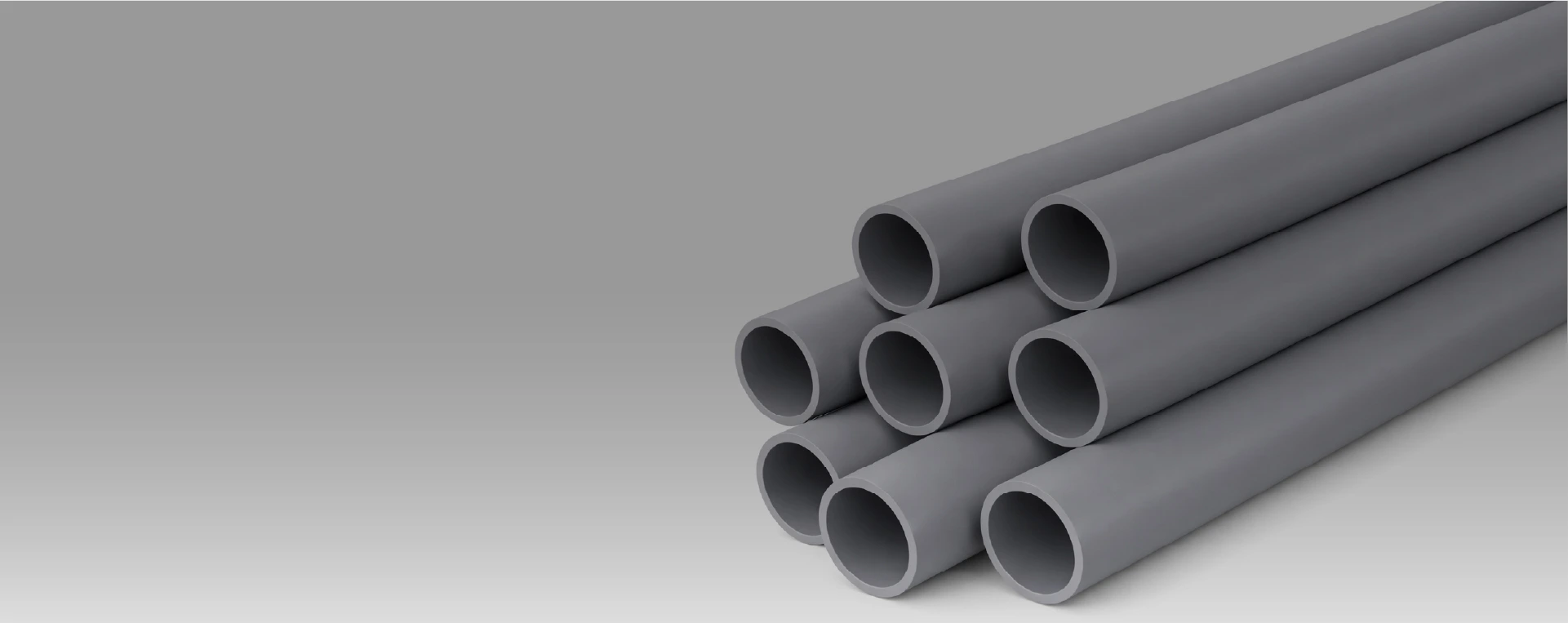
A well-functioning drainage pipe system is essential for maintaining hygiene, preventing water accumulation, and protecting property from damage.
When drainage pipes become blocked, they can lead to waterlogging, foul odours, and even structural issues over time.
These problems are often caused by a combination of poor maintenance, improper usage, and incorrect installation. Understanding the root causes and adopting the right preventive measures is key to ensuring long-term drainage efficiency.
Blockages in a drainage pipe system usually develop gradually and worsen over time if left unaddressed.
Key causes of drainage pipe blockages:
A blocked drainage pipe often shows early warning signs before becoming a serious issue.
Common indicators include:
Identifying these signs early can help prevent major system failures.
Preventing blockages is far more cost-effective than repairing damaged systems.
Key preventive measures:
Ensure correct installation
Use high-quality drainage pipes
Schedule regular maintenance
While temporary fixes can clear blockages, long-term performance depends on system quality and design.
Effective long-term solutions:
These measures ensure consistent water flow and reduce the risk of repeated blockages.
Ignoring best practices can lead to frequent drainage issues and costly repairs.
Mistakes to avoid:
Avoiding these mistakes improves both efficiency and durability.
A properly designed and maintained drainage pipe system is essential for effective water management and long-term durability.
While blockages are commonly caused by debris build-up, poor installation, and lack of maintenance, they can be prevented with the right approach.
By combining high-quality materials, correct installation, and regular upkeep, drainage systems can remain efficient, reliable, and free from recurring blockages.
What is the main cause of drainage pipe blockages?
The most common cause is debris build-up, including grease, waste materials, and outdoor particles like leaves and mud.
How can I prevent drainage pipe blockages?
Proper waste disposal, regular cleaning, and using high-quality pipes with correct installation help prevent blockages.
How often should drainage pipes be cleaned?
Regular inspection and cleaning should be done periodically, depending on usage and environmental conditions.
Can poor installation cause drainage issues?
Yes, incorrect slope or misalignment can slow water flow and lead to frequent blockages.
Why is pipe quality important in drainage systems?
High-quality pipes have smoother surfaces and better durability, reducing the chances of clogging and long-term damage.
The latest
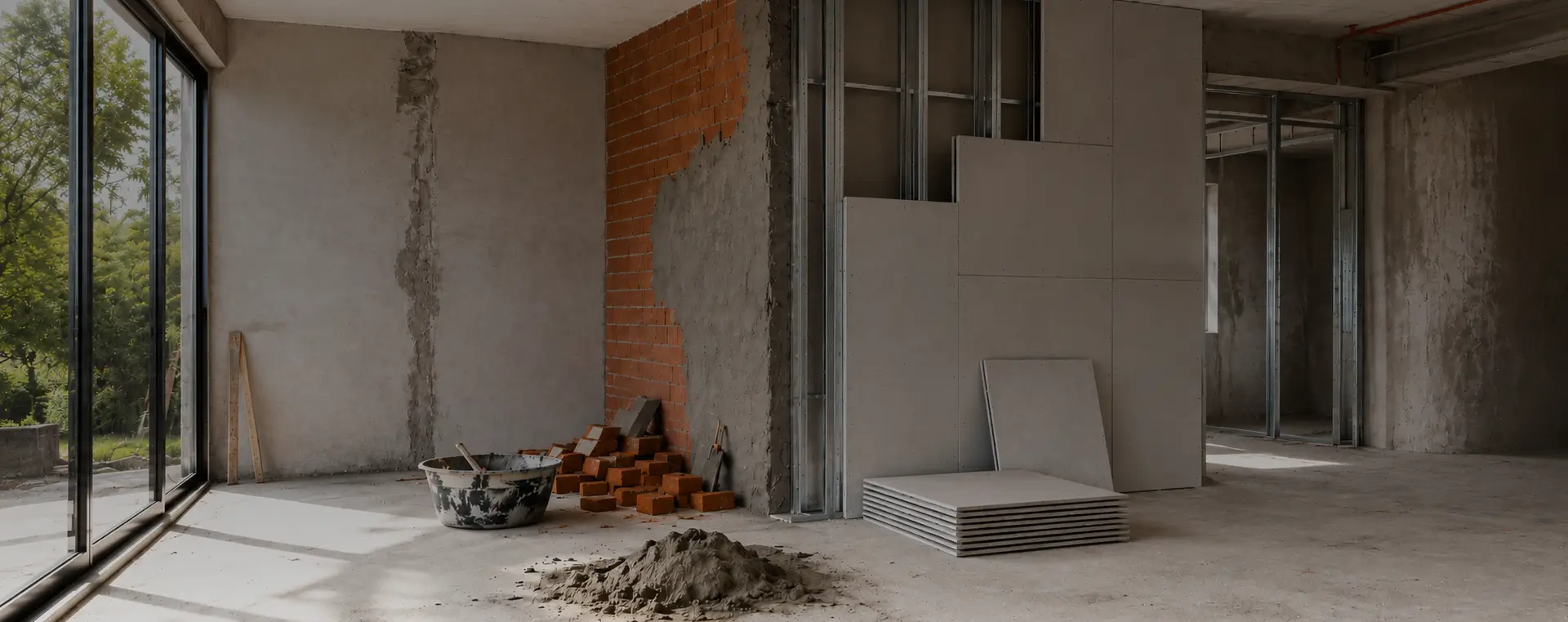
Avoid common wall construction mistakes with smarter building solutions. Learn when to use fibre cement boards and ensure durable, high-quality finishes.
23/07/2026
9 minutes read
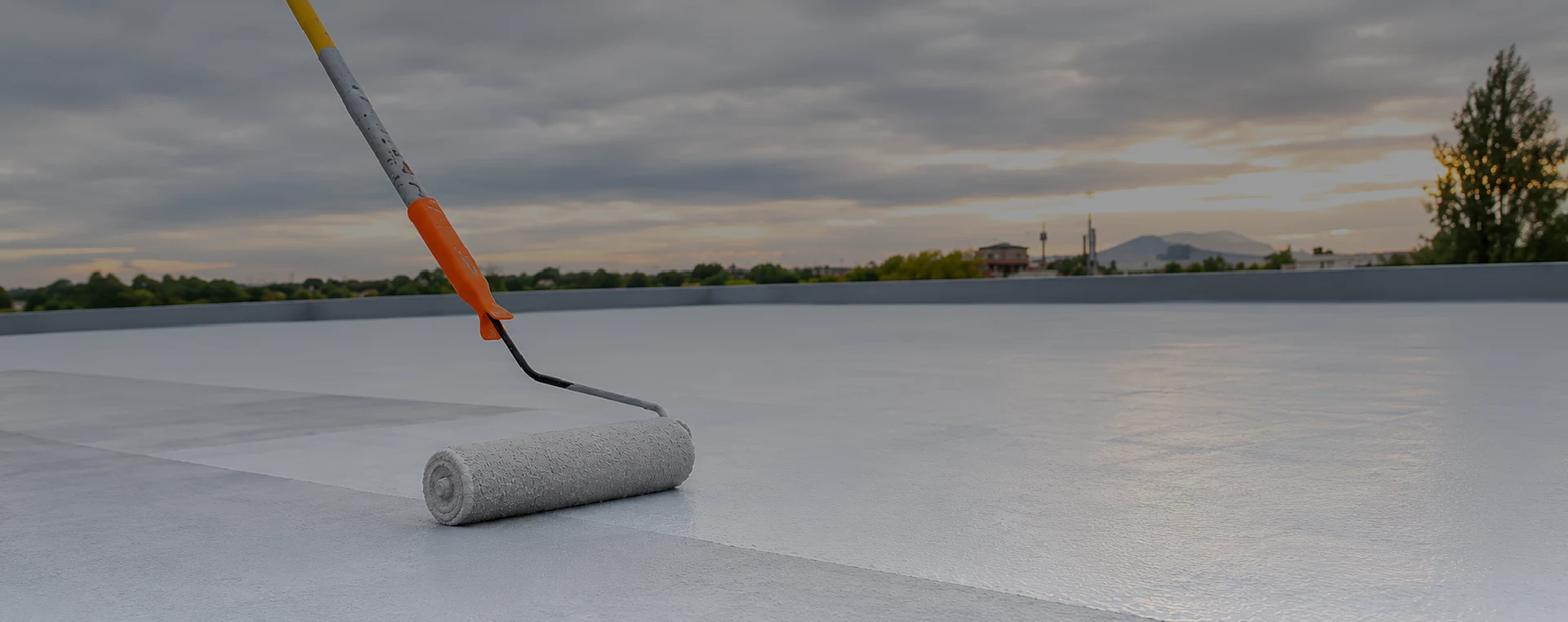
The essential waterproofing solutions for lasting protection.
23/07/2026
7 minutes read
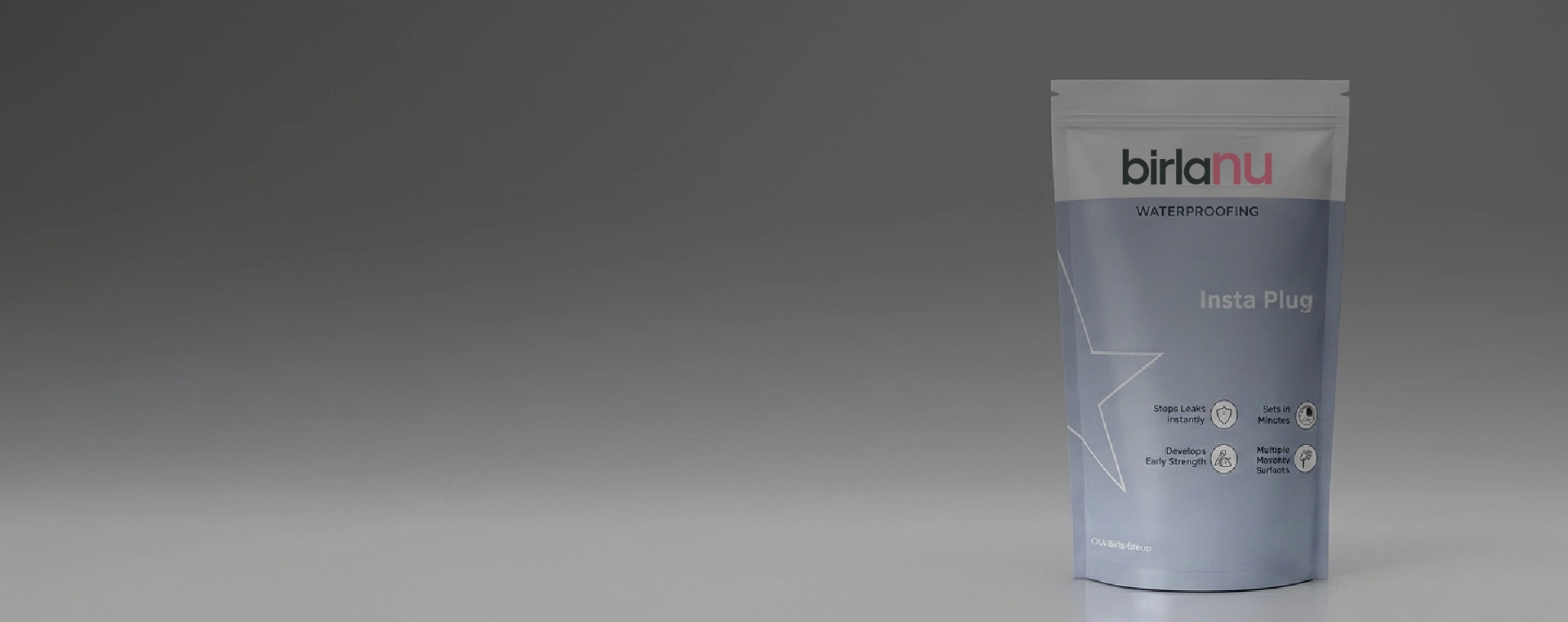
A fast solution for active leaks and seepage under pressure.
14/07/2026
7 minutes read
Avoid common wall construction mistakes with smarter building solutions. Learn when to use fibre cement boards and ensure durable, high-quality finishes.
- - 23/07/2026
The essential waterproofing solutions for lasting protection.
- - 23/07/2026
A fast solution for active leaks and seepage under pressure.
- - 14/07/2026
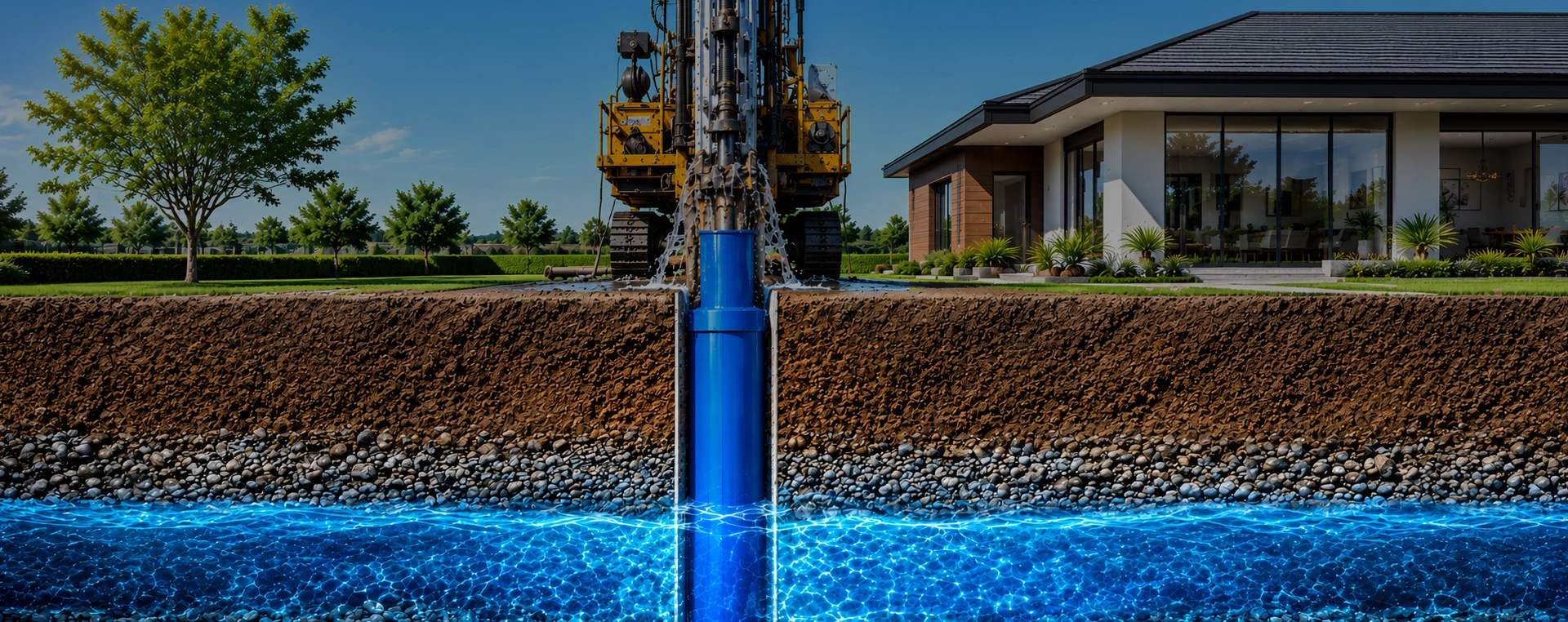
Ensuring borewell stability, durability, and reliable water extraction.
- - 14/07/2026
