

7 minutes read
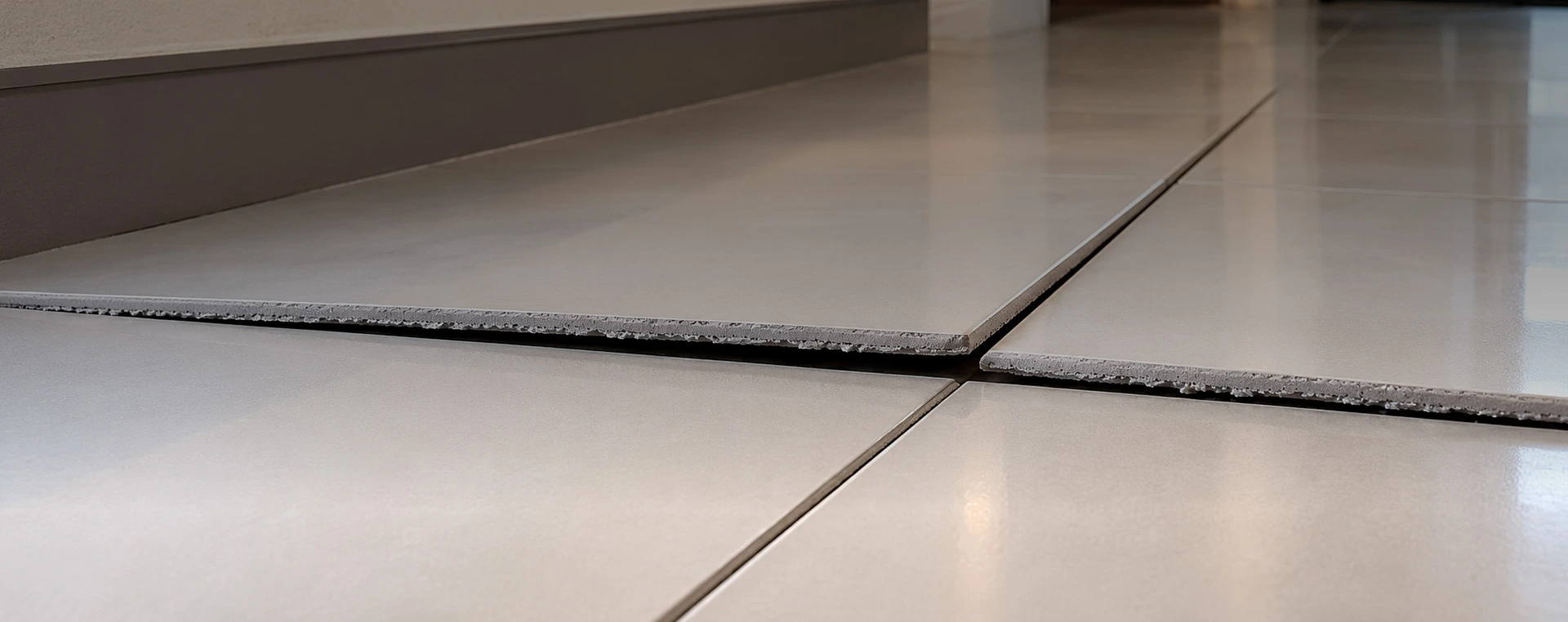
Tiles are designed to provide durable, attractive, and low-maintenance surfaces for both walls and floors. However, even the highest-quality tiles can fail prematurely if the bonding system beneath them is not suitable for the application. One of the most common challenges faced in residential, commercial, and industrial projects is tile debonding, where tiles gradually loosen, crack, or detach from the substrate.
While many assume that tile failures are caused by poor tile quality, the real issue often lies in the installation method or bonding material used. Understanding the causes of tile debonding and the role of a high-performance tile adhesive can help ensure stronger, longer-lasting tile installations.
Tile debonding occurs when the bond between the tile and the underlying surface weakens or fails. This can cause tiles to loosen, shift, crack, or completely detach from walls and floors.
Common signs of tile debonding include:
If left unaddressed, debonding can lead to costly repairs, safety concerns, and reduced lifespan of the tiled surface.
Modern construction increasingly uses vitrified tiles, porcelain tiles, natural stone, and large-format tiles. While these materials offer aesthetic and functional benefits, they also place greater demands on the bonding system.
Traditional fixing methods may not always provide the flexibility, adhesion, or strength required to support modern tile installations. This makes selecting the right tile adhesive more important than ever.
The substrate forms the foundation of any tile installation. Surfaces contaminated with dust, grease, oil, loose particles, or moisture can prevent proper adhesion.
Even a high-quality tile adhesive may struggle to perform if the substrate is not properly prepared before installation.
Traditional cement-sand fixing methods have been widely used for years, but they often provide inconsistent bonding performance, particularly with modern tiles.
Compared to specialised tile adhesive solutions, conventional mortar may offer:
These limitations can contribute to tile debonding over time.
Insufficient adhesive application can leave voids beneath the tile. These hollow areas reduce contact between the tile and substrate, increasing the likelihood of cracking, movement, and eventual debonding.
Proper adhesive coverage helps distribute loads evenly and supports long-term installation reliability.
Bathrooms, kitchens, balconies, terraces, and other wet areas are constantly exposed to moisture.
Without a suitable tile adhesive, water can gradually weaken the bond layer, increasing the risk of tile loosening and failure. Adhesives with water-resistant properties are particularly important in these environments.
Buildings naturally expand and contract due to temperature changes and structural movement. Rigid bonding systems may struggle to accommodate these movements.
Over time, the resulting stress can lead to cracks, weakened bonds, and detached tiles. Flexible, polymer-modified adhesives help absorb minor movements and reduce these risks.
Not all adhesives are suitable for every tile type or application.
For example:
Using the wrong adhesive can significantly increase the likelihood of tile failures.
Modern tile adhesive solutions are specifically engineered to address the challenges associated with tile installation.
Compared with conventional fixing methods, quality tile adhesives provide:
BirlaNu Tough Tile Adhesives utilise TruBond Technology to deliver strong and durable bonding for ceramic, vitrified, and natural stone tiles. Their polymer-modified formulation helps improve flexibility, water resistance, and long-term adhesion, reducing the risk of cracks and tile dislodgement over time.
Wall tile installations present unique challenges because tiles must remain securely fixed against gravity throughout their service life.
Using a dedicated wall tile adhesive helps improve bonding performance and reduces the risk of:
Whether installing ceramic tiles in kitchens or creating decorative adhesive wall tiles in bathrooms and commercial interiors, selecting the appropriate wall tile adhesive helps ensure a durable and reliable finish.
When selecting an adhesive, many buyers focus primarily on tile adhesive price. While cost is an important consideration, it should not be the only factor influencing the decision.
A lower-cost adhesive that fails prematurely can result in:
Investing in the right adhesive from the beginning often delivers greater long-term value by reducing the likelihood of failures and repairs.
Different tile applications require different adhesive solutions.
The BirlaNu Tough Tile Adhesives range includes products designed for specific installation requirements:
Selecting the appropriate adhesive based on tile type, substrate, environment, and performance requirements helps minimise installation issues and supports long-term durability.
Tile debonding is often caused by a combination of poor surface preparation, unsuitable bonding materials, moisture exposure, movement, and incorrect installation practices. Fortunately, many of these issues can be prevented through proper planning and the use of a high-quality tile adhesive.
By delivering stronger adhesion, greater flexibility, and improved durability, modern tile adhesives help create reliable wall and floor installations that perform for years. Choosing the right adhesive for the application not only improves installation quality but also helps reduce maintenance costs and the risk of future tile failures.
Tiles can become loose due to poor surface preparation, inadequate adhesive coverage, moisture exposure, structural movement, or the use of an unsuitable tile adhesive.
Tile adhesive provides stronger bonding, improved flexibility, and better resistance to moisture and movement, helping keep tiles securely fixed for longer.
Yes. Wall tile adhesive is often formulated to provide better grip and reduce tile slippage during vertical installations, while floor adhesives are designed to withstand foot traffic and load-bearing requirements.
Bathrooms and kitchens are exposed to regular moisture and temperature variations. If the adhesive lacks adequate water resistance or flexibility, the bond can weaken over time, leading to tile debonding.
No. While tile adhesive price is important, selecting an adhesive based solely on cost can lead to installation failures and higher repair expenses. Performance, compatibility, and long-term durability should also be considered.
The latest
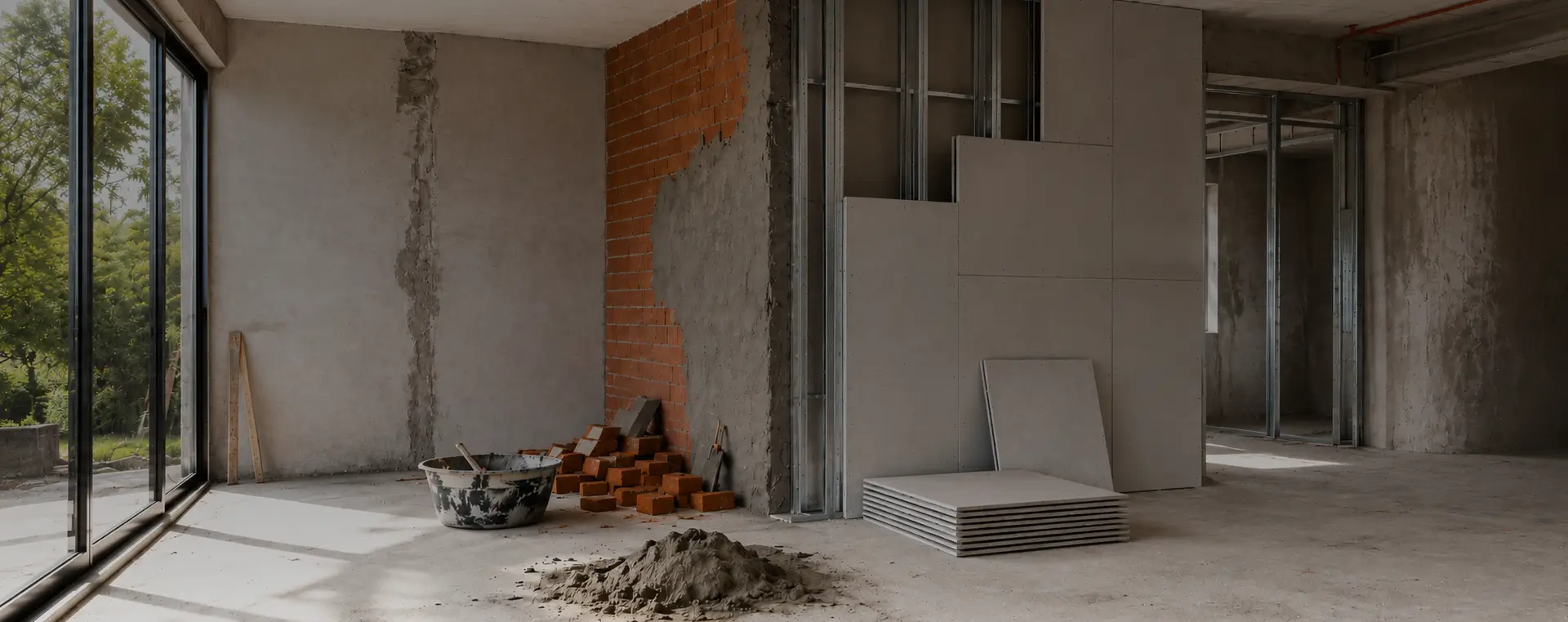
Avoid common wall construction mistakes with smarter building solutions. Learn when to use fibre cement boards and ensure durable, high-quality finishes.
23/07/2026
9 minutes read
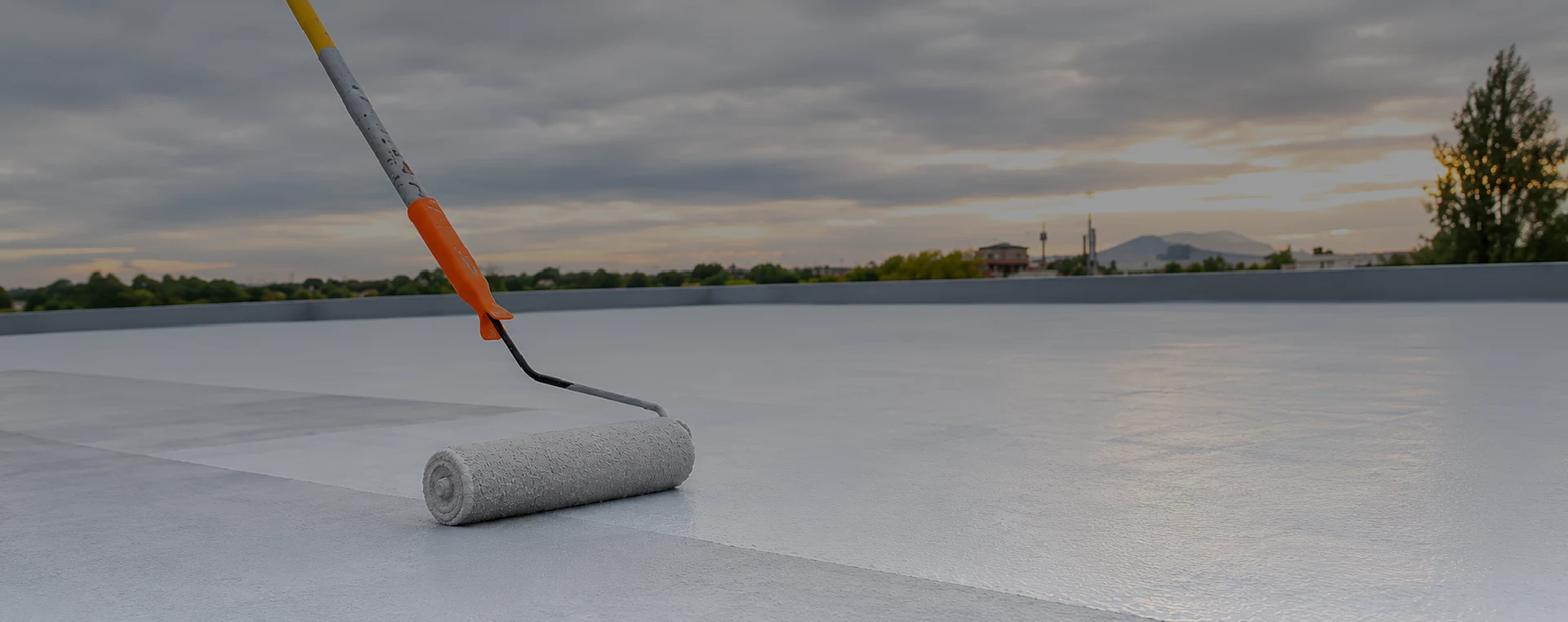
The essential waterproofing solutions for lasting protection.
23/07/2026
7 minutes read
A fast solution for active leaks and seepage under pressure.
14/07/2026
7 minutes read
Avoid common wall construction mistakes with smarter building solutions. Learn when to use fibre cement boards and ensure durable, high-quality finishes.
- - 23/07/2026
The essential waterproofing solutions for lasting protection.
- - 23/07/2026
A fast solution for active leaks and seepage under pressure.
- - 14/07/2026
Ensuring borewell stability, durability, and reliable water extraction.
- - 14/07/2026
