

4 minutes read
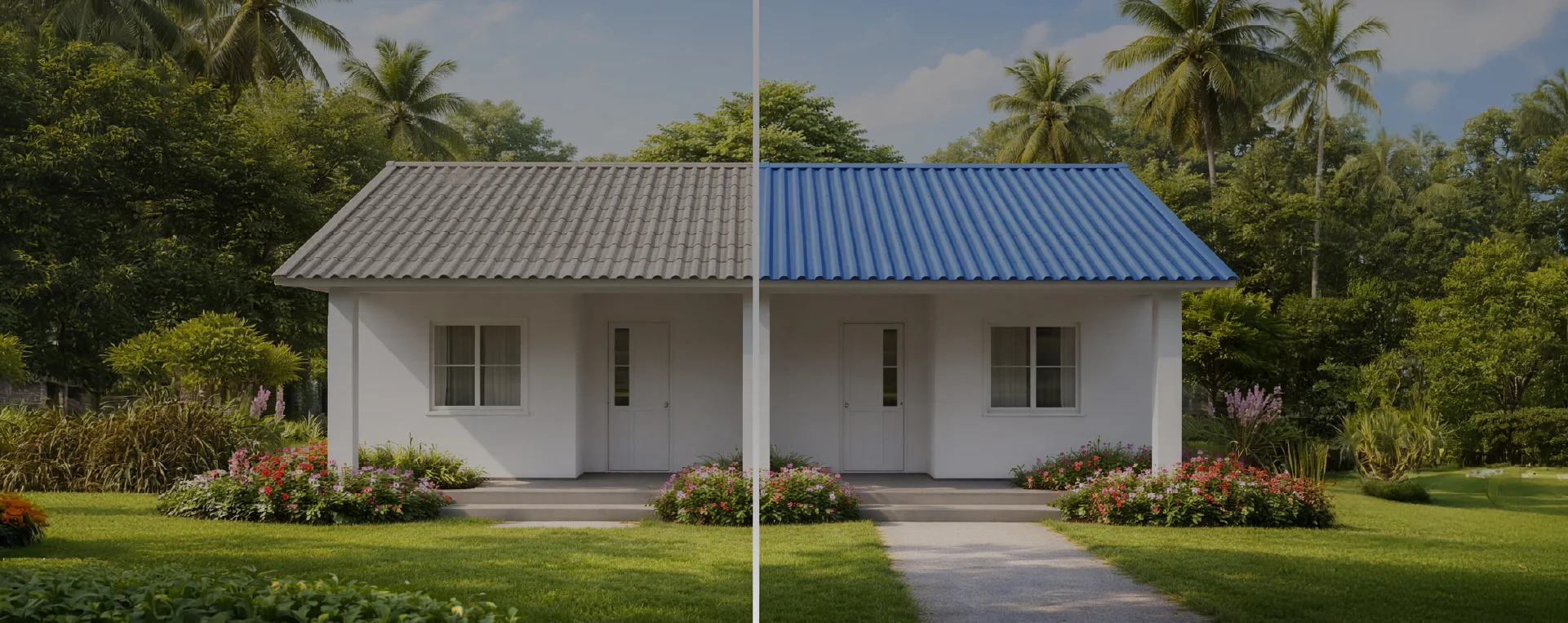
Roofing is a long-term investment. The material chosen not only affects how a structure performs today but also how well it withstands years of exposure to heat, rain, and environmental stress.
Among the most commonly used options, cement sheet roofing and metal roofing stand out for their durability and practicality. However, their real-world performance varies depending on climate, installation quality, and usage.
Understanding these differences helps in making a more informed and cost-effective decision.
A cement sheet is a roofing material made from cement reinforced with fibers, designed to provide strength and weather resistance.
Key characteristics:
Cement sheets are widely used in residential, industrial, and semi-urban construction due to their balanced performance.
Metal roofing typically includes steel or aluminium sheets designed for strength and lightweight installation.
Key characteristics:
Metal roofing is commonly used in industrial, commercial, and contemporary residential projects.
Verdict: Cement sheets offer more consistent durability across varied conditions.
Verdict: Cement sheets perform better in hot climates.
Verdict: Cement sheets have an advantage in moisture-heavy environments.
Verdict: Metal roofing is better suited for lightweight structural requirements.
Verdict: Cement sheets generally require lower long-term maintenance.
Material quality plays a key role in how roofing performs over time. BirlaNu roofing solutions are designed to ensure durability, consistency, and ease of installation across different applications.
This allows builders and homeowners to choose roofing materials based on real project requirements while maintaining performance standards.
Selecting between cement sheet and metal roofing depends on:
Evaluating these factors helps ensure the right balance between durability and efficiency.
Avoiding these mistakes helps improve long-term performance and durability.
When comparing cement sheet and metal roofing, durability depends on how well the material aligns with real-world conditions.
Cement sheets offer consistent performance, better insulation, and lower maintenance, making them a reliable choice for long-term use. Metal roofing provides strength and installation efficiency but may require additional considerations for heat and maintenance.
Choosing the right roofing material based on climate and application ensures better durability and long-term structural performance.
Which lasts longer in real conditions - cement sheet or metal roofing?
Cement sheets often last longer in varied environmental conditions due to their resistance to moisture, heat, and corrosion. Metal roofing can also be durable but may require maintenance over time.
Is cement sheet better than metal roofing for hot climates?
Yes, cement sheets generally perform better in hot climates because they provide better insulation and reduce heat transfer compared to metal roofing.
What is the main difference between cement sheet and metal roofing?
Cement sheets offer better insulation and moisture resistance, while metal roofing is lighter, stronger, and easier to install.
Does metal roofing require maintenance?
Yes, metal roofing may require periodic checks for corrosion, fasteners, and coatings to maintain performance.
Are cement sheets suitable for all types of buildings?
Cement sheets are suitable for a wide range of applications, but structural requirements should be considered before selection.
The latest
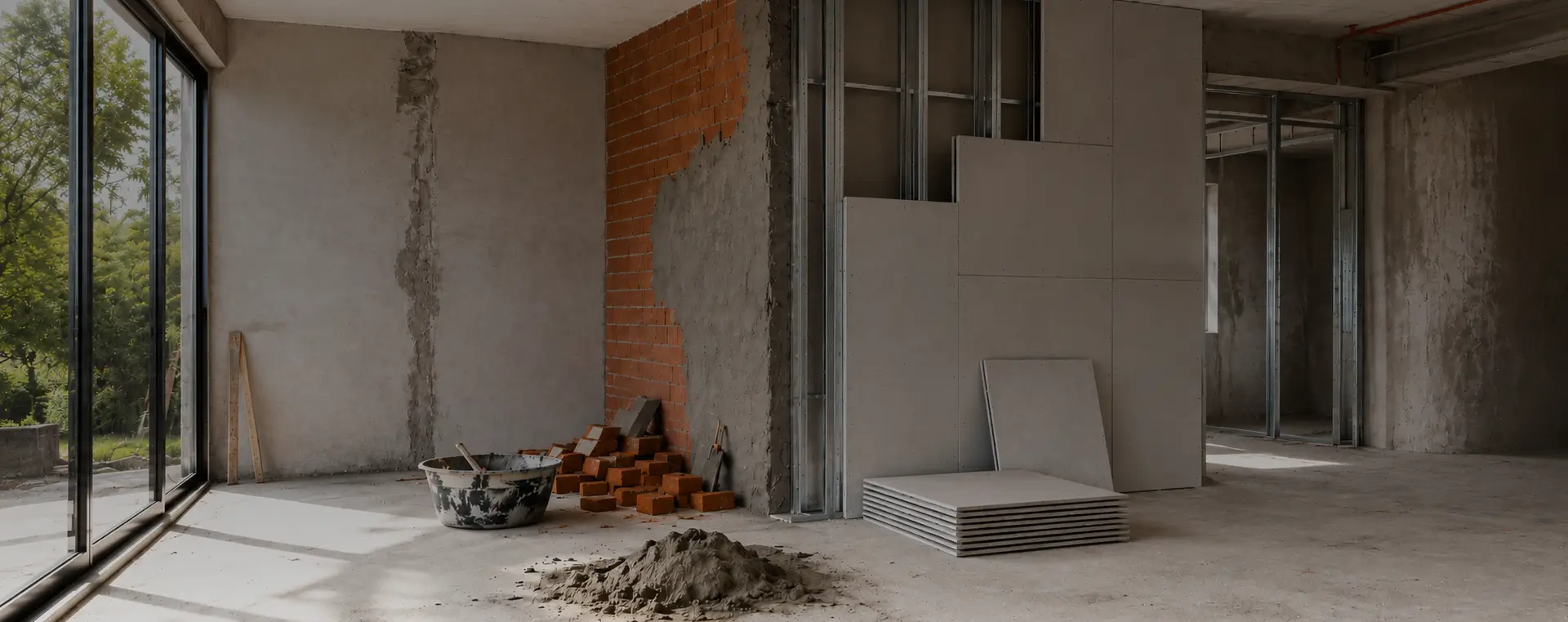
Avoid common wall construction mistakes with smarter building solutions. Learn when to use fibre cement boards and ensure durable, high-quality finishes.
23/07/2026
9 minutes read
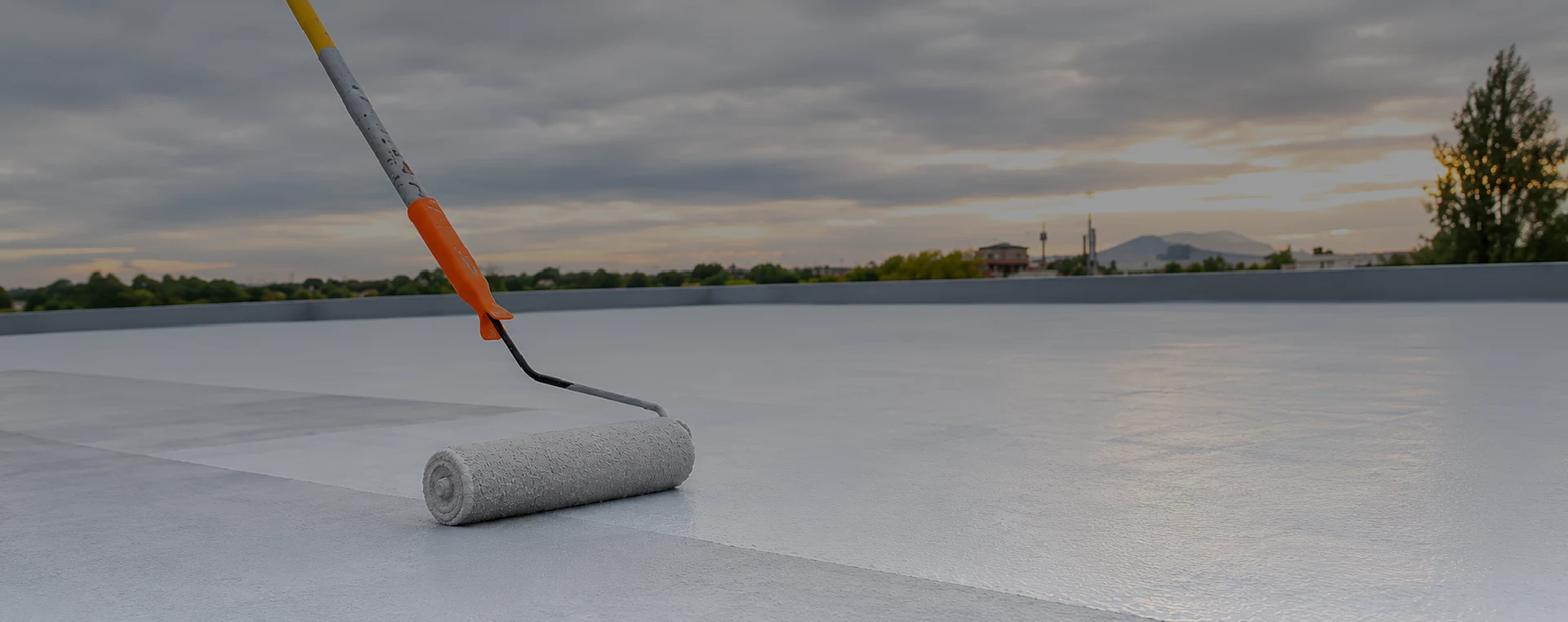
The essential waterproofing solutions for lasting protection.
23/07/2026
7 minutes read
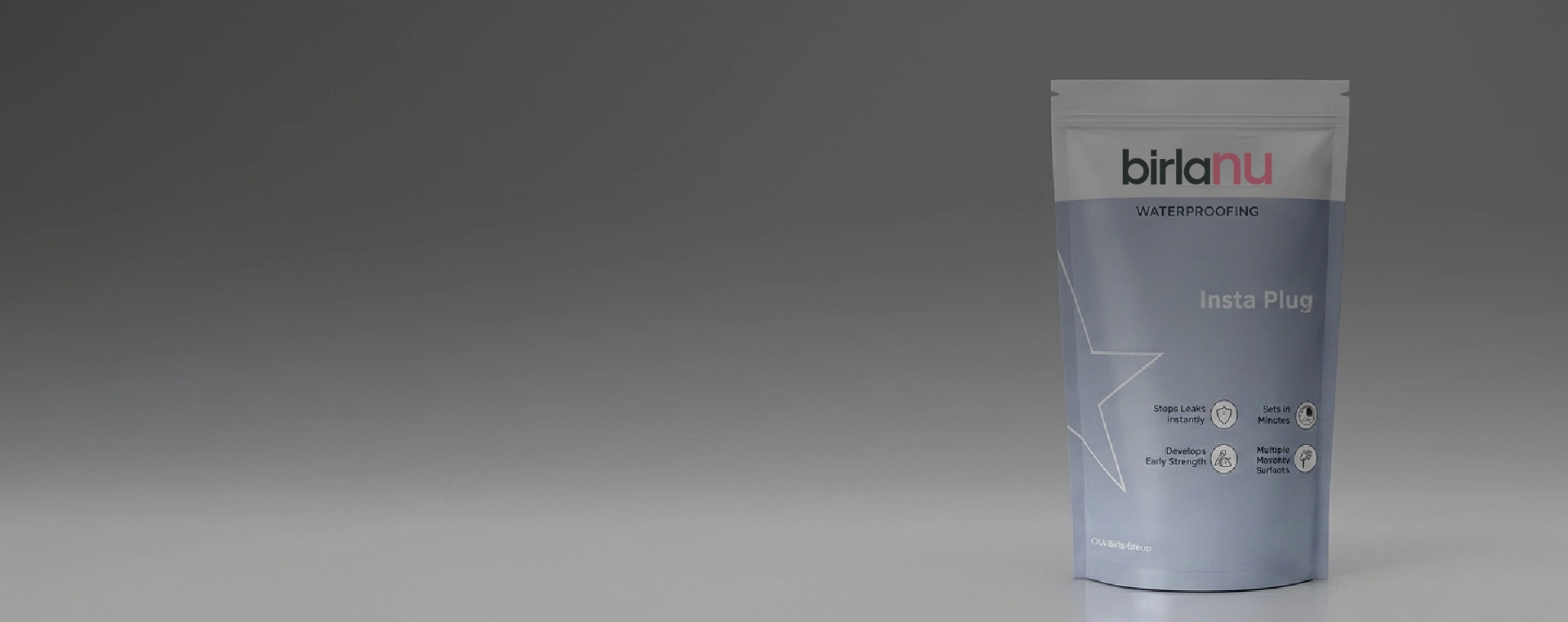
A fast solution for active leaks and seepage under pressure.
14/07/2026
7 minutes read
Avoid common wall construction mistakes with smarter building solutions. Learn when to use fibre cement boards and ensure durable, high-quality finishes.
- - 23/07/2026
The essential waterproofing solutions for lasting protection.
- - 23/07/2026
A fast solution for active leaks and seepage under pressure.
- - 14/07/2026
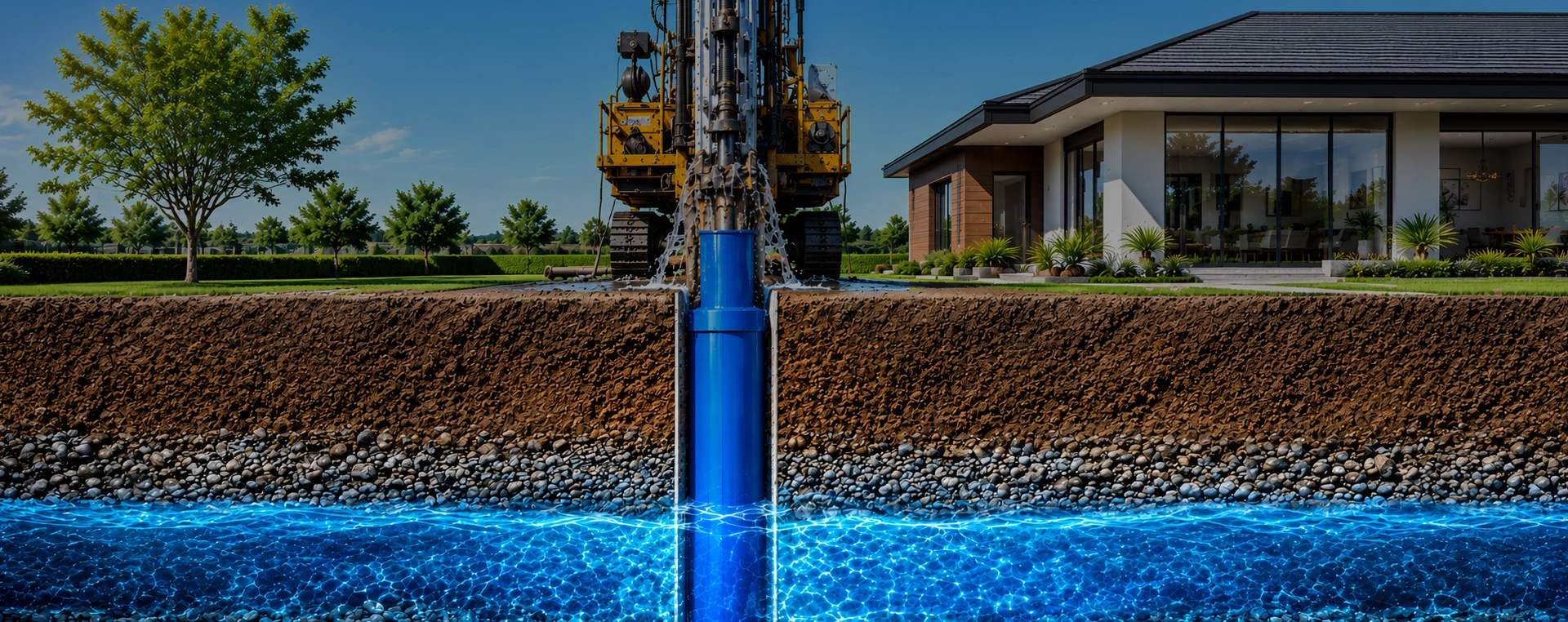
Ensuring borewell stability, durability, and reliable water extraction.
- - 14/07/2026
