

5 minutes read
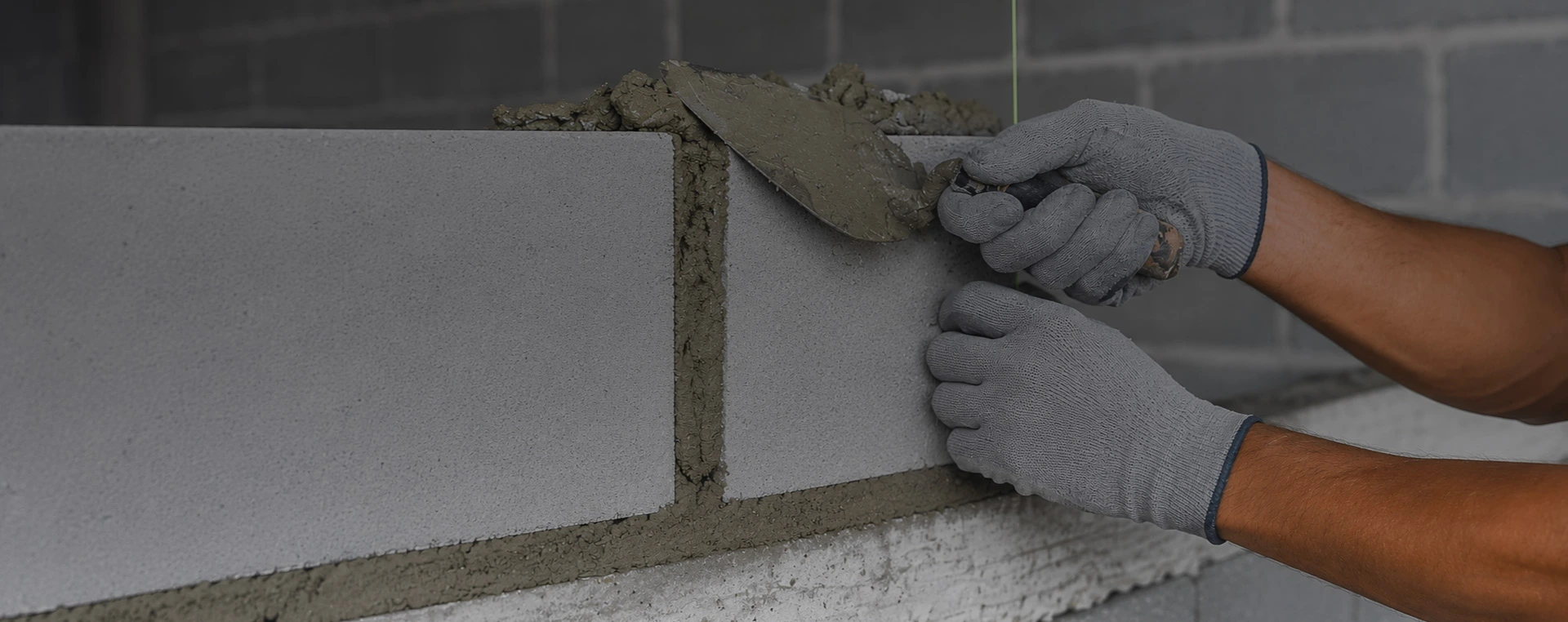
Modern construction methods are increasingly focused on speed, efficiency, and structural reliability. As building technologies evolve, traditional masonry practices are gradually being replaced by advanced construction materials that offer better performance and easier application. One such innovation is block jointing mortar, which has become a preferred solution for modern masonry work across residential, commercial, and infrastructure projects.
Unlike conventional cement-sand mortar, block jointing mortar is specially formulated to create strong and uniform bonding with minimal joint thickness. Its easy application, improved adhesion, and reduced material consumption make it highly suitable for contemporary construction projects where speed, consistency, and durability are important.
Did You Know? Traditional cement mortar joints are generally thicker and may lead to uneven application or higher material consumption. Thin-joint block jointing mortar helps create more uniform masonry work while reducing excess material usage.
Construction today demands materials that can improve productivity without compromising structural performance. Traditional mortar preparation often involves manual mixing, inconsistent proportions, and higher material consumption, which can affect both construction timelines and finish quality.
Advanced masonry materials help contractors:
This is why block jointing mortars are increasingly being adopted across modern construction projects.
Block jointing mortar is a polymer-modified, cement-based adhesive designed for joining various types of construction blocks with strong and uniform bonding. It is commonly used in thin-joint masonry applications where precision, speed, and consistency are important.
The mortar is suitable for:
It is particularly effective for AAC blocks because of their dimensional accuracy and lightweight structure, allowing better thin-joint application and improved wall alignment.
Block jointing mortar is commonly used with AAC blocks, fly ash bricks, concrete blocks, and other modern masonry units that require thin-joint application and reliable bonding performance. Its smooth application and strong adhesion help improve wall uniformity, reduce material consumption, and support faster construction practices.
Additional benefits include:
These advantages make block jointing mortar highly suitable for modern construction environments focused on efficiency and quality.
One of the biggest advantages of block jointing mortar is its contribution to faster and cleaner construction practices.
Key efficiency benefits include:
These benefits make it particularly useful for projects with tight construction timelines and large masonry requirements.
As part of its construction chemicals portfolio, BirlaNu Block Jointing Mortar is designed to support efficient and durable masonry work for modern construction projects. Its pre-formulated composition helps simplify application while improving bonding strength and consistency across different masonry block applications.
BirlaNu Block Jointing Mortar helps provide:
Its formulation is designed to support high-performance construction practices while helping improve productivity and structural reliability.
What is block jointing mortar used for?
Block jointing mortar is used for joining AAC blocks, fly ash bricks, concrete blocks, and other masonry units with strong and uniform bonding.
Why is block jointing mortar better than traditional mortar?
It offers better adhesion, thinner joint application, reduced material wastage, and faster construction compared to conventional cement mortar.
Can block jointing mortar help reduce wall cracks?
Uniform bonding and controlled application may help improve wall stability and reduce the chances of shrinkage-related cracks.
Which blocks can be used with block jointing mortar?
Block jointing mortar is suitable for AAC blocks, fly ash bricks, concrete blocks, and other lightweight masonry units.
Why choose BirlaNu Block Jointing Mortar?
BirlaNu Block Jointing Mortar is designed to improve masonry efficiency, bonding performance, and overall construction quality.
The latest
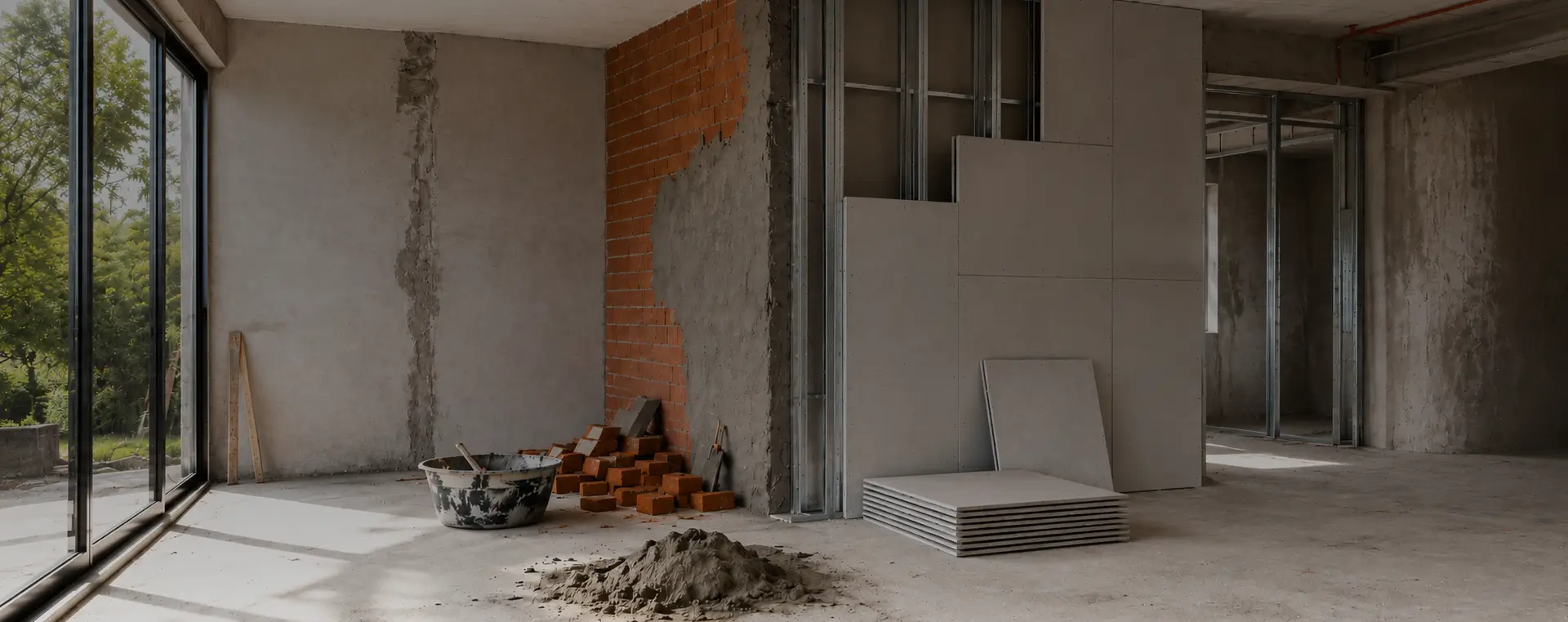
Avoid common wall construction mistakes with smarter building solutions. Learn when to use fibre cement boards and ensure durable, high-quality finishes.
23/07/2026
9 minutes read
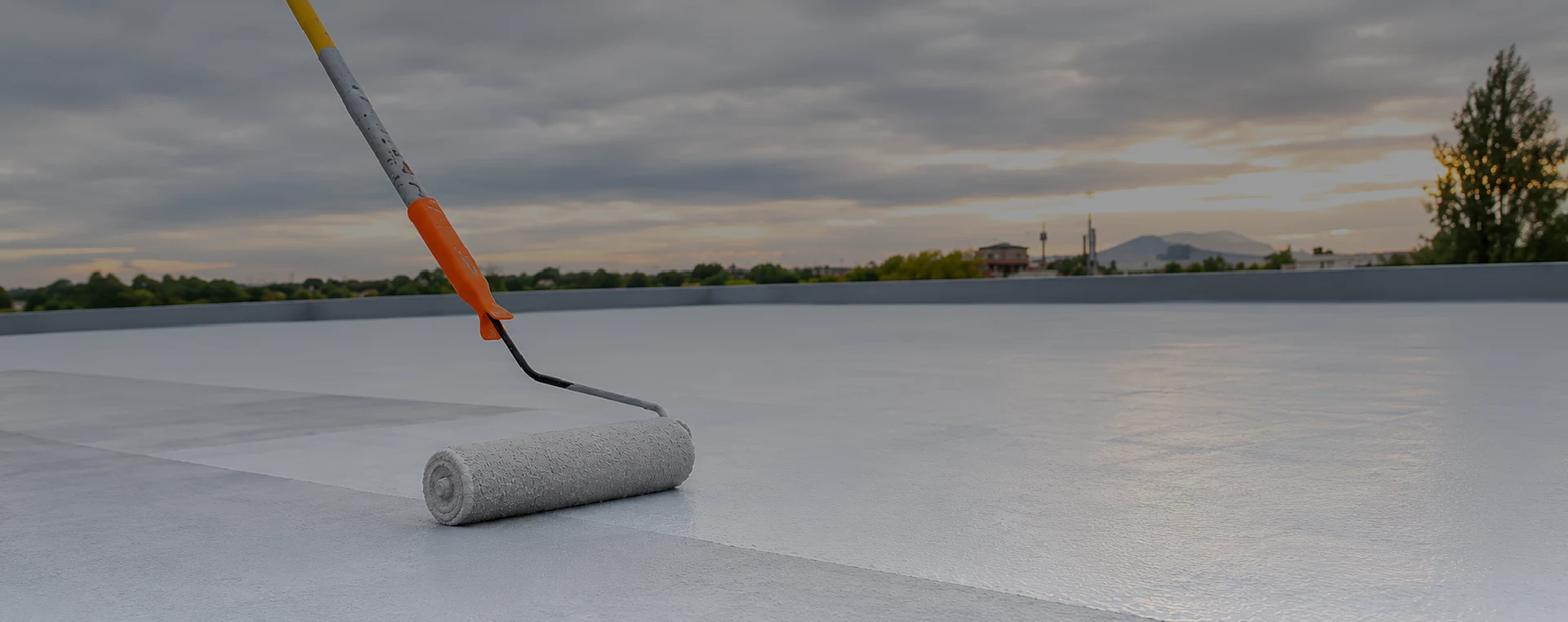
The essential waterproofing solutions for lasting protection.
23/07/2026
7 minutes read
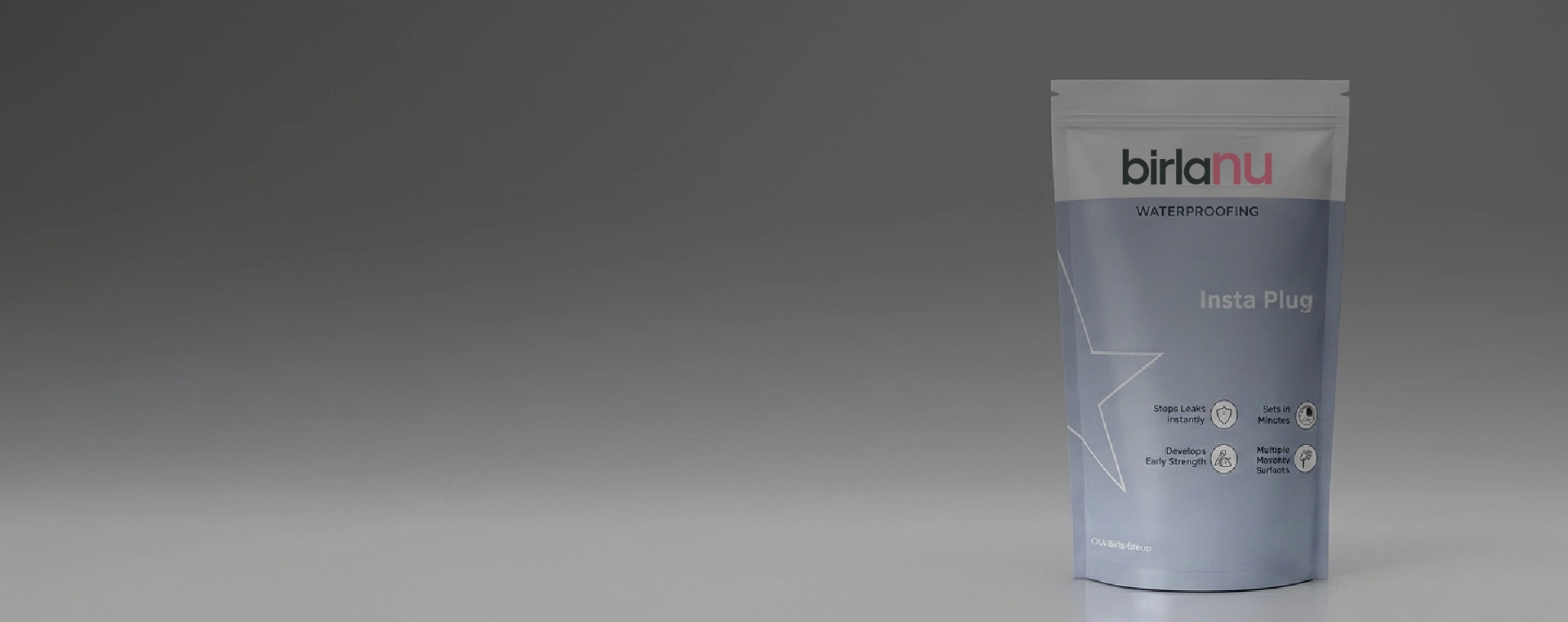
A fast solution for active leaks and seepage under pressure.
14/07/2026
7 minutes read
Avoid common wall construction mistakes with smarter building solutions. Learn when to use fibre cement boards and ensure durable, high-quality finishes.
- - 23/07/2026
The essential waterproofing solutions for lasting protection.
- - 23/07/2026
A fast solution for active leaks and seepage under pressure.
- - 14/07/2026

Ensuring borewell stability, durability, and reliable water extraction.
- - 14/07/2026
