

4 minutes read
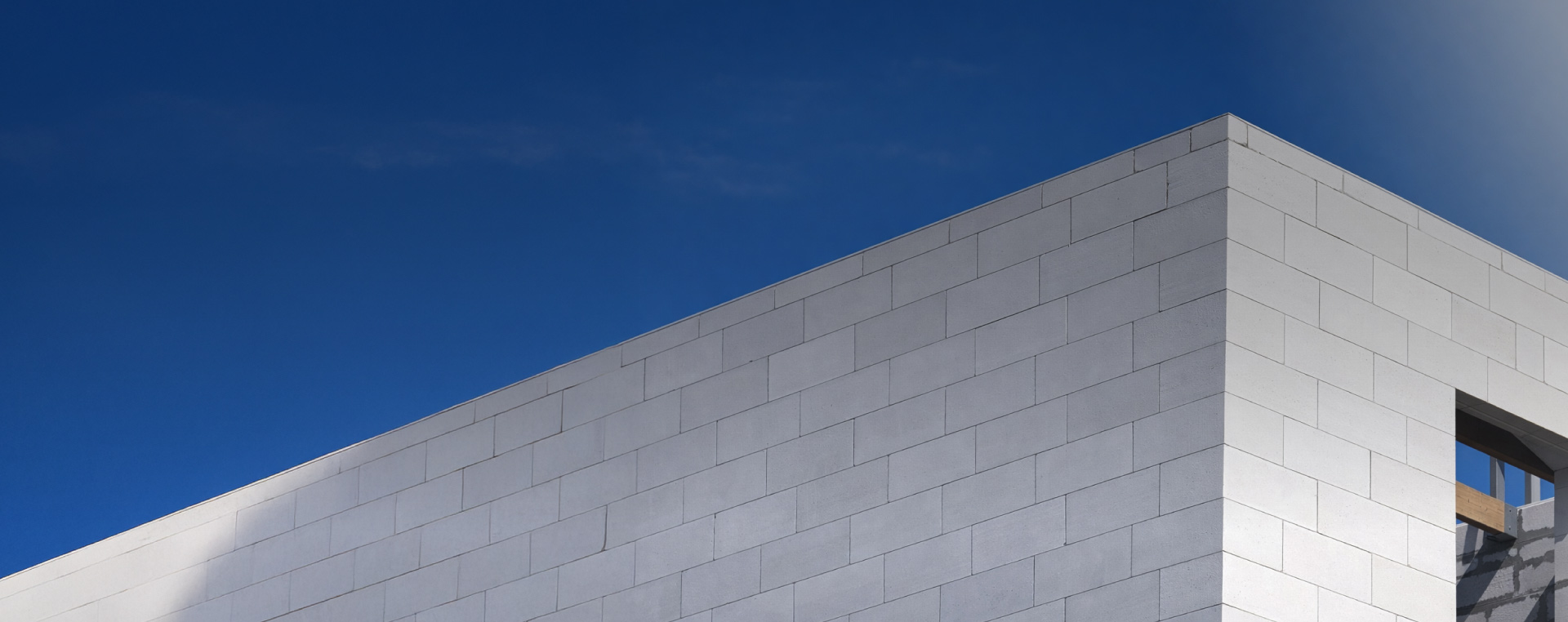
AAC blocks have become an increasingly preferred building material in modern construction due to their lightweight structure and energy efficient properties. As building practices evolve, there is a growing focus on materials that improve structural performance while supporting faster and more efficient construction. AAC blocks address these requirements by offering a balance of strength, durability and ease of installation, making them suitable for a wide range of residential and commercial projects.
Did you know? AAC blocks can be up to three times lighter than traditional clay bricks, which helps reduce the overall load on a building’s structural framework.
Autoclaved aerated concrete, commonly known as AAC, is a lightweight building material manufactured using cement, lime, sand and a small amount of aluminium powder. During production, the mixture undergoes a process that creates tiny air pockets within the material. These air pockets give AAC blocks their lightweight structure while maintaining sufficient strength for construction applications.
The manufacturing process also results in blocks that have consistent dimensions and a uniform structure. This precision allows builders to achieve better alignment during masonry work and reduces the need for excessive plastering or corrections during construction.
Materials such as BirlaNu Aerocon AAC Blocks are designed with consistent dimensions and engineered properties, supporting efficient installation and reliable wall construction in modern building projects.
In addition to structural and performance advantages, AAC blocks contribute to improved construction efficiency. Their lightweight nature makes them easier to handle on site, which can help reduce labour effort and speed up the masonry process.
When used as part of a well-planned construction approach, AAC blocks can also help maintain uniform wall surfaces and reduce the need for extensive finishing work. Builders often prefer such materials because they simplify installation while supporting durable wall structures.
Choosing reliable building materials from trusted manufacturers also plays an important role in maintaining construction quality. Products such as BirlaNu Aerocon AAC Blocks are developed to meet construction standards and support dependable masonry work across different types of projects.
AAC blocks have become an important component of modern building construction due to their lightweight structure, insulation properties and installation efficiency. Their ability to reduce structural load while supporting faster construction makes them suitable for both residential and commercial developments. By selecting well engineered materials and following proper construction practices, builders can create durable and efficient structures that meet the evolving demands of contemporary construction.
AAC blocks vs red bricks: which is better for house construction?
AAC blocks are lighter, provide better insulation and allow faster wall construction compared to traditional clay bricks.
Do AAC blocks reduce overall construction cost?
They can reduce mortar consumption and labour time, which may improve overall construction efficiency in many projects.
How thick should AAC block walls be for residential buildings?
Wall thickness generally depends on design requirements, but AAC block walls commonly range between 100 mm to 200 mm in housing projects.
Are BirlaNu Aerocon AAC Blocks suitable for modern building projects?
BirlaNu Aerocon AAC Blocks are manufactured with uniform size and controlled density to support efficient masonry work in residential and commercial construction.
The latest
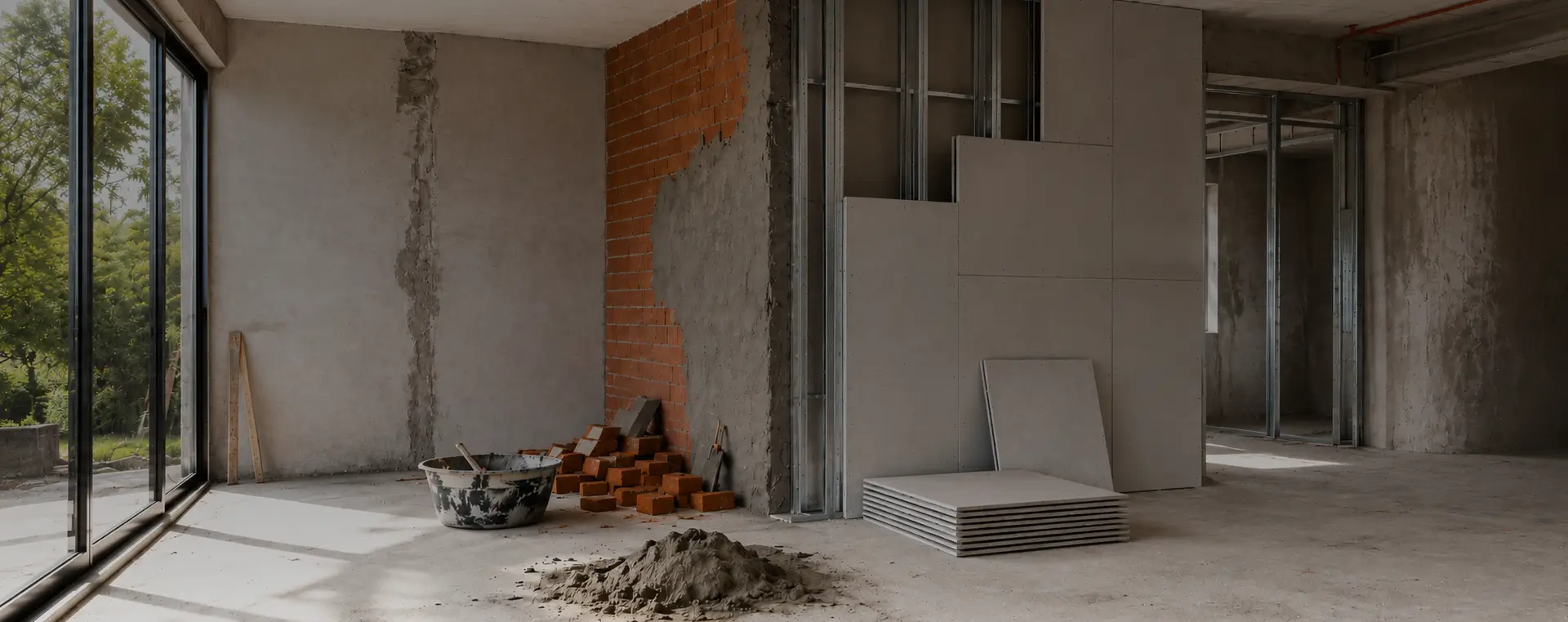
Avoid common wall construction mistakes with smarter building solutions. Learn when to use fibre cement boards and ensure durable, high-quality finishes.
23/07/2026
9 minutes read
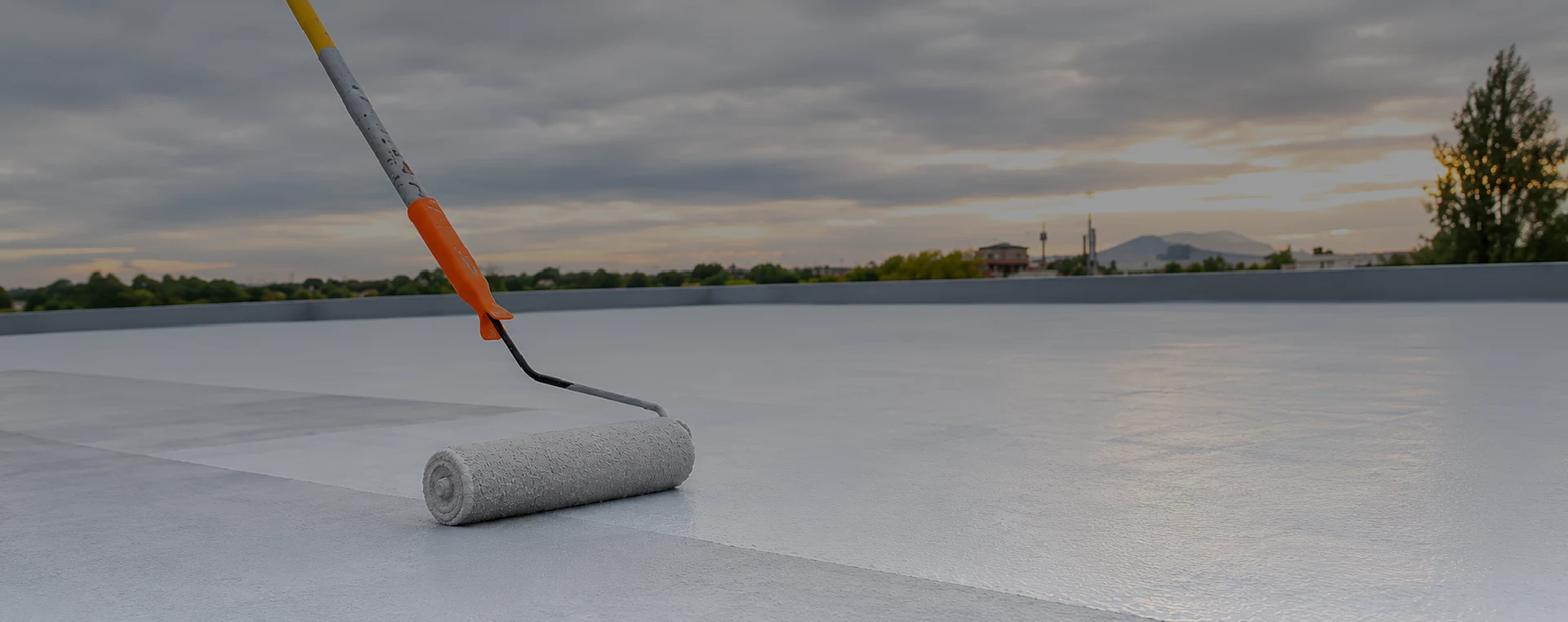
The essential waterproofing solutions for lasting protection.
23/07/2026
7 minutes read
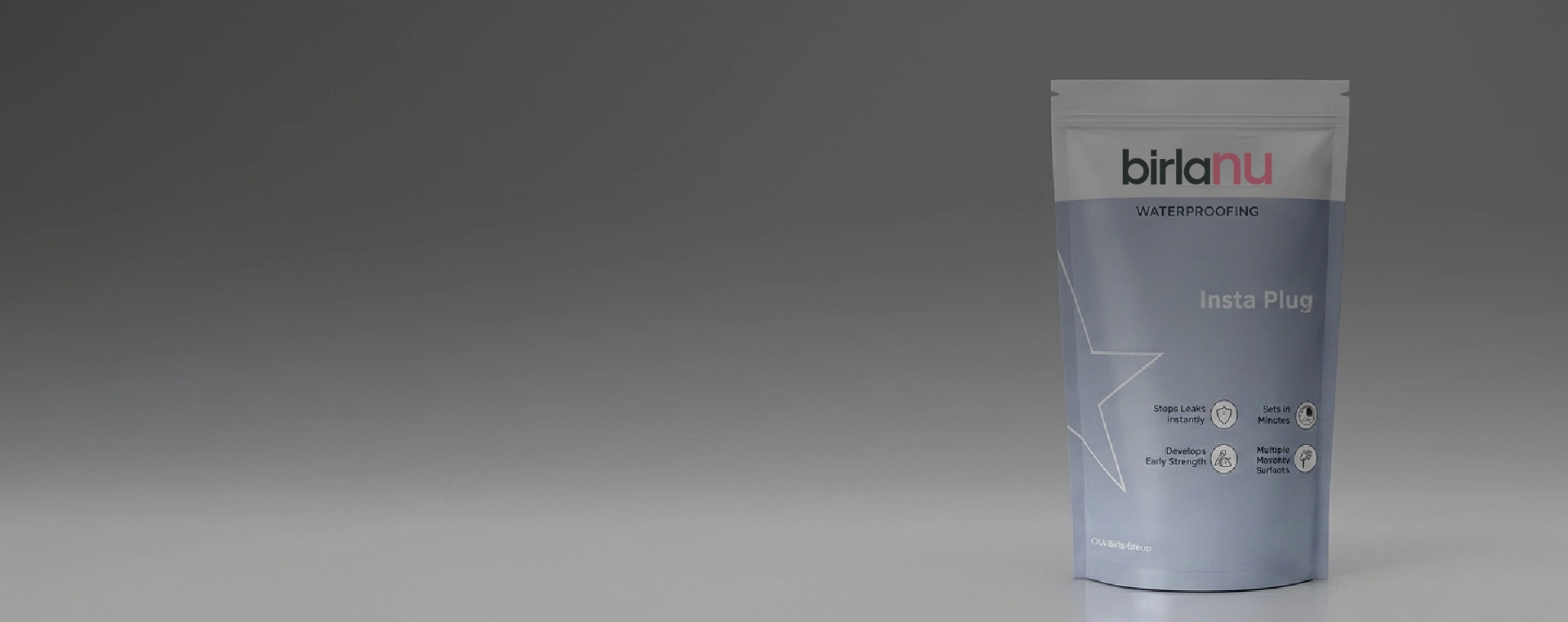
A fast solution for active leaks and seepage under pressure.
14/07/2026
7 minutes read
Avoid common wall construction mistakes with smarter building solutions. Learn when to use fibre cement boards and ensure durable, high-quality finishes.
- - 23/07/2026
The essential waterproofing solutions for lasting protection.
- - 23/07/2026
A fast solution for active leaks and seepage under pressure.
- - 14/07/2026
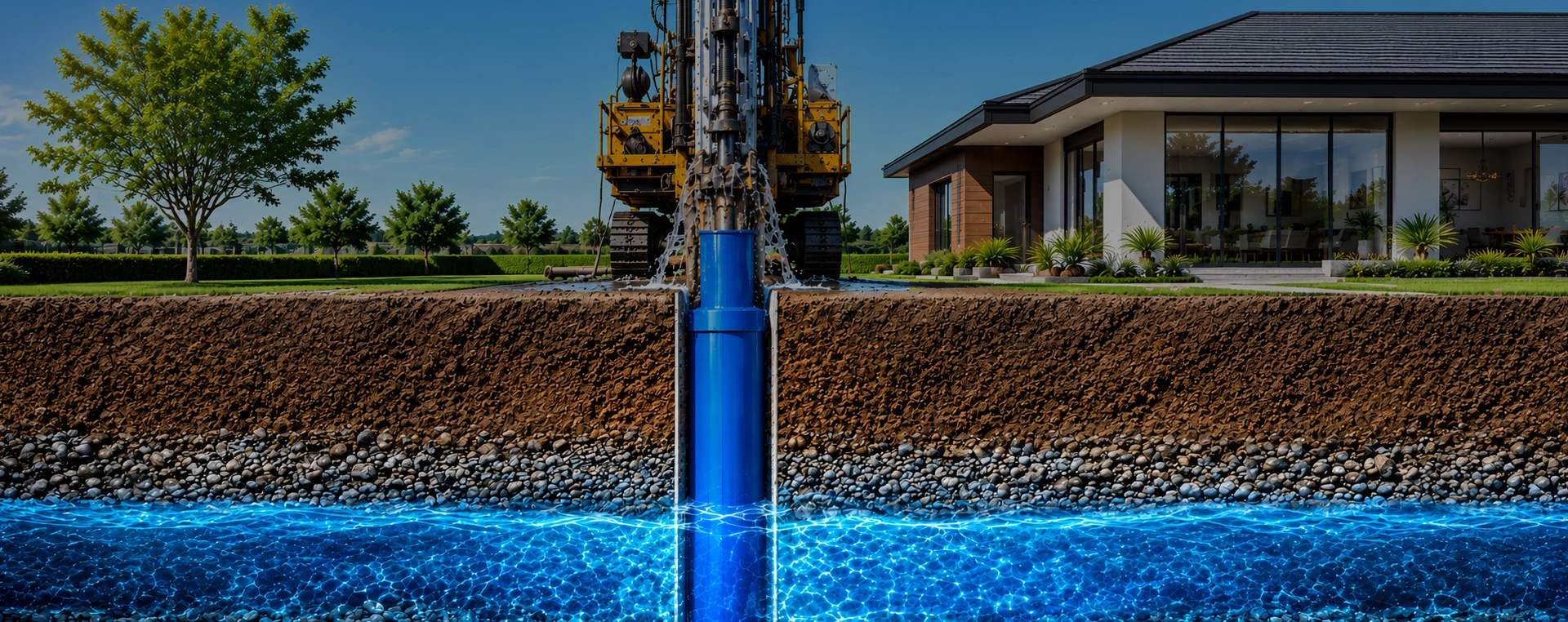
Ensuring borewell stability, durability, and reliable water extraction.
- - 14/07/2026
